
swissbreakfast✨ New
뢰스티
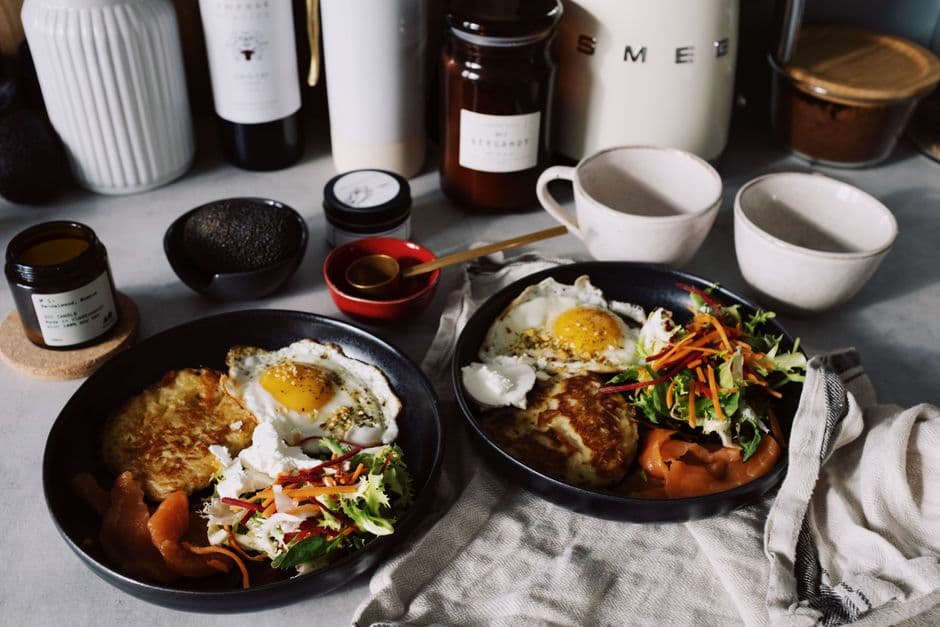
바삭하게 잘게 썬 감자 케이크를 버터에 넣어 짙은 황금색이 될 때까지 볶습니다. 감자 세계에 대한 스위스의 가장 큰 공헌은 간단하고 완벽하며 만족스럽습니다.
준비
15 분
조리
25 분
인분
2
난이도
쉬움
4.7
평가하려면 로그인#감자#아침 식사#베른#바삭한#버터#스위스-독일
바삭하게 잘게 썬 감자 케이크를 버터에 넣어 짙은 황금색이 될 때까지 볶습니다. 감자 세계에 대한 스위스의 가장 큰 공헌은 간단하고 완벽하며 만족스럽습니다.
Rösti는 베르네 농부들의 아침 식사에서 유래되었습니다. 생감자를 갈아서 납작한 케이크 모양으로 만든 뒤 라드나 버터에 넣어 황금빛이 될 때까지 튀겨낸 것입니다. 시간이 지나면서 이는 독일어권 스위스(Deutschschweiz) 전역으로 퍼져 스위스 독일 문화 정체성의 결정적인 상징이 되었으며, 프랑스어권 스위스와 독일어권 스위스 사이의 문화적 격차를 농담으로 Röstigraben(rösti 도랑)이라고 부릅니다. 오늘날 뢰스티는 거의 모든 스위스 레스토랑의 메뉴에 등장하며, 반찬, 달걀 프라이의 베이스로 제공되거나 치즈와 햄을 얹어 완전한 식사로 제공됩니다.
서브 2
껍질을 벗기지 않은 감자 전체를 찬 소금물에 넣습니다. 끓여서 10분간 조리합니다. 덜 익었지만 단단해야 합니다(칼이 어느 정도 저항을 견뎌야 합니다). 물기를 빼고 완전히 식혀주세요. 이상적으로는 냉장고에 하룻밤 넣어두세요.
식힌 감자의 껍질을 벗기고 강판을 이용해 굵게 갈아주세요. 소금, 후추, 육두구 약간으로 간을 합니다. 양념이 잘 배도록 손으로 가볍게 버무려주세요. 물기를 짜내지 마세요.
22~24cm 크기의 들러붙지 않거나 잘 양념된 주철 팬에 정제 버터 30g을 넣고 연기가 나지 않고 희미해질 때까지 중간 불로 가열합니다.
갈은 감자를 팬에 넣고 고르게 펴줍니다. 주걱을 사용하여 컴팩트 디스크 모양으로 단단히 누르십시오. 불을 중간 정도로 낮추고 밑면이 진한 황금빛 갈색이 될 때까지 10~12분 동안 방해 없이 조리합니다.
팬 위에 큰 접시를 놓고 조심스럽게 뢰스티를 접시 위로 뒤집습니다. 남은 버터를 팬에 넣고 뢰스티의 황금색 면이 위로 오도록 다시 밀어 넣습니다. 두 번째 면이 똑같이 황금색이 되고 바삭바삭해질 때까지 8~10분 더 조리합니다. 보드 위에 밀어 넣고 웨지 모양으로 자른 후 즉시 서빙하세요.
일주일 식단 계획에 필요한 모든 것 — 무료
손 안 대고 요리하기
무료 Bento 앱에서 AI 식단, 단계별 요리 모드, 저장한 레시피를 만나보세요.
감자를 미리 익히고 밤새 차갑게 식히는 것이 뢰스티의 결합 비결입니다.
정제버터는 발연점이 높아 홀버터보다 더 깔끔한 맛을 냅니다.
요리하는 동안 뢰스티를 움직이지 마세요. 적절한 빵 껍질을 얻으려면 인내심이 필수적입니다.
달라붙지 않는 팬을 사용하면 초보자도 쉽게 뒤집을 수 있습니다.
베르네제 뢰스티: 잘게 썬 훈제 베이컨 100g과 얇게 썬 양파를 섞습니다.
치즈 뢰스티: 요리 마지막 3분 동안 강판에 간 그뤼에르 80g을 뢰스티 위에 뿌리고 뚜껑을 덮어 녹입니다.
완성된 뢰스티 위에 달걀 프라이와 훈제 연어를 얹어 고급스러운 브런치를 즐겨보세요.
채식주의자: 단백질을 구운 새송이버섯, 훈제 두부 또는 익힌 병아리콩으로 교체하세요. 이를 보완하기 위해 양념을 약간 높이세요.
Rösti는 즉시 제공되는 것이 가장 좋습니다. 남은 음식은 하루 동안 냉장 보관할 수 있으며 약간의 버터를 곁들인 뜨거운 팬에 다시 바삭하게 구워낼 수 있습니다. 냉동에는 적합하지 않습니다.
뢰스티는 19세기 초 베른 주에서 농부들의 풍성한 아침 식사로 처음 기록되었습니다. 이는 독일어를 사용하는 스위스 전역으로 점차 확산되었으며 현재는 비공식 국가 상징으로 간주됩니다. 뢰스티(rösti)와의 스위스 독일 정체성 연합은 스위스 내의 언어적, 문화적 경계를 설명하기 위해 뢰스티그라벤(Röstigraben)이라는 용어를 탄생시켰습니다.
살짝 삶아서 식힌 감자(스위스 방식)는 서로 뭉치지 않고 내부가 더 크리미한 응집력이 있는 뢰스티를 제공합니다. 생감자 뢰스티는 더 바삭하지만 깨지지 않고 뒤집기가 더 어렵습니다.
예. 대부분의 구성 요소는 최대 하루 전에 준비하여 별도로 냉장 보관할 수 있습니다. 부드럽게 재가열하고 서빙 직전에 조립하여 질감이 뚜렷하게 유지되도록 하세요.
각 성분이 수행하는 역할에 주의를 기울이십시오. 방향성 성분을 유사한 성분(샬롯에는 양파, 라임에는 레몬)으로 바꾸고 지방-염 균형을 그대로 유지하십시오. 향신료 혼합은 일반적으로 찬장에 있는 것과 비슷합니다.
진정성은 다양한 스펙트럼에 있습니다. 더 중요한 것은 기술과 맛의 균형을 존중하는 것입니다. 요리의 맛이 조화롭고 고향의 요리사가 만드는 방식을 존중한다면, 당신은 견고한 기반 위에 있는 것입니다.
서빙 당 (300g) · 2 총 제공량
대화에 참여하세요
댓글을 남기고 좋아하는 레시피를 저장하려면 로그인하세요.
일주일 식단 계획에 필요한 모든 것 — 무료
피드백이나 도움이 필요하신가요?
모든 이메일을 읽고 1–2영업일 내에 답장합니다.
© 2026 MyCookingCalendar. 모든 권리 보유.