
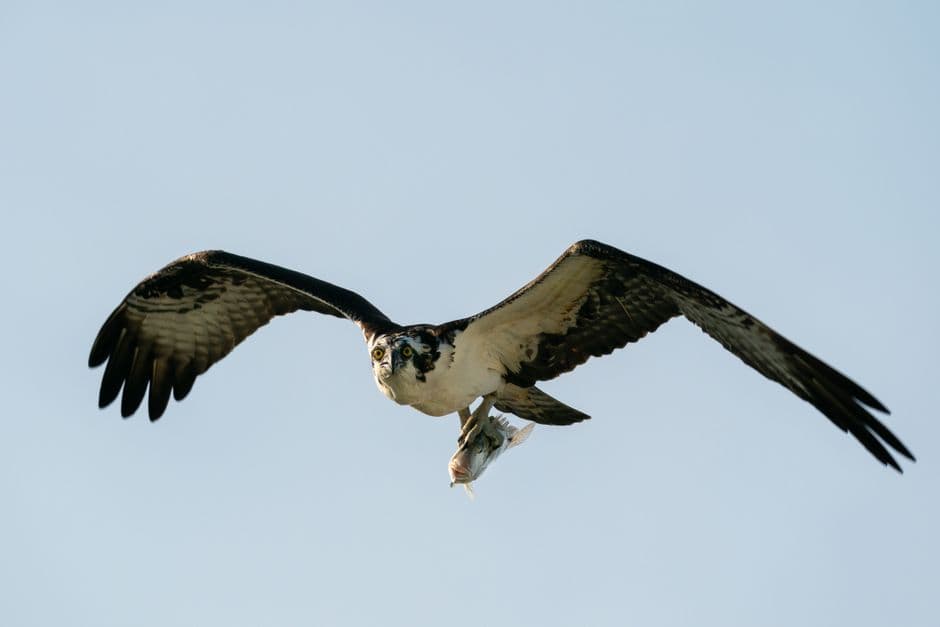
Bajan Flying Fish with Cou-Cou
Barbados's national dish — seasoned steamed flying fish in a tomato-onion gravy served with cou-cou, a smooth cornmeal-and-okra polenta finished with butter.
About This Recipe
Flying fish and cou-cou is the national dish of Barbados — a fragrant pair of preparations served together at every Bajan Sunday lunch and at every restaurant on Friday afternoons. Flying fish (Hirundichthys affinis) are the slim, blue-silver migratory fish that swarm Caribbean waters from December to June and have given Barbados the nickname 'Land of the Flying Fish.' Bajan cooks fillet, debone and steam them in a sauce of tomato, onion, garlic, thyme and Bajan seasoning — a fiery green pepper sauce made from Scotch bonnets, onion, herbs and vinegar. The fish is delicate, sweet, slightly oily, and absorbs the gravy beautifully. Cou-cou is the Bajan version of fungi (an enslaved African polenta tradition found across the southern Caribbean), made by slowly stirring fine yellow cornmeal into a pot of okra water (water in which sliced okra has been simmered), producing a smooth, slightly viscous polenta with whole pieces of okra suspended throughout. Cou-cou is finished with butter and shaped into a soft mound on the plate. The two together — gravied fish over creamy cornmeal, with a slick of butter melting through — define Caribbean comfort food. The dish appears at every Bajan independence celebration (November 30), every cricket match lunch, every Sunday family meal, and was adopted as the national dish in the 1960s.
Ingredients
Serves 4
- 8flying fish fillets, deboned (about 600 g) — or substitute small mackerel or sardine fillets
- 2 limesfor washing fish
- 2 tbspBajan seasoning paste (recipe below) or any green Caribbean herb paste
- 1 bunchfresh chives or scallions
- 1 bunchfresh thyme
- 1 bunchflat-leaf parsley
- 8 clovesgarlic
- 1 smallyellow onion
- 2Scotch bonnet peppers, seeded
- 2 tbspfresh marjoram (optional)
- 1 tbspwhite vinegar
- 1 tbspsalt
- 1 tbspfreshly ground black pepper
- 3 tbspneutral oil
- 1 largeyellow onion, sliced thin
- 3 clovesgarlic, minced
- 2ripe tomatoes, diced
- 2 tbsptomato paste
- 1 tspfresh thyme leaves
- 1bay leaf
- 250 mlwater or fish stock
- 1 tbsplime juice
- 300 gfresh okra, sliced into 5 mm rounds
- 1.2 litreswater
- 300 gfine yellow cornmeal
- 1 tspsalt
- 60 gunsalted butter, plus more for serving
Instructions
- 1
Make Bajan seasoning paste
In a food processor, combine all Bajan seasoning ingredients (chives, thyme, parsley, garlic, onion, Scotch bonnet, marjoram, vinegar, salt, pepper). Pulse into a coarse, fragrant green paste. This is the Bajan equivalent of epis or sofrito — keeps 2 weeks refrigerated.
- 2
Wash and season the fish
Rinse the flying fish fillets in cold water with the squeezed limes — Caribbean tradition. Pat dry. Rub each fillet generously with Bajan seasoning paste on both sides. Cover and refrigerate 30 minutes (up to 4 hours) to marinate.
- 3
Cook the okra base for cou-cou
In a heavy pot, bring 1.2 liters water to a boil with the sliced okra and 1 tsp salt. Simmer 10 minutes until the okra is tender and the water has turned cloudy, slightly viscous and pale green — this is the okra water that gives cou-cou its silky texture. Do not drain.
- 4
Stir in the cornmeal slowly
Reduce heat to medium-low. Pour the cornmeal into the okra water in a steady, slow stream, whisking constantly with a wooden spoon (called a 'cou-cou stick' in Barbados). Stir continuously to prevent lumps. Cook 8–10 minutes, stirring without stop, until the cornmeal thickens into a smooth, soft polenta studded with okra. Add hot water 50 ml at a time if it gets too stiff.
The cou-cou should pull away from the sides of the pot when stirred — that's the sign it's done.
- 5
Finish cou-cou with butter
Off the heat, stir in 60 g of butter until melted. Cover the pot tightly and let it rest while you cook the fish — the cou-cou continues to firm up. Properly made cou-cou will release from the pot in one piece.
- 6
Make the gravy
Heat the oil in a wide heavy skillet over medium heat. Add the sliced onion and cook 5 minutes until soft. Add garlic, diced tomato, tomato paste, thyme leaves and bay leaf; cook 4 minutes until the tomato breaks down. Pour in the water/stock and lime juice; bring to a simmer.
- 7
Steam the fish in the gravy
Slide the seasoned fish fillets into the bubbling gravy, spooning some over the top. Reduce heat to low, cover, and steam-cook 8–10 minutes until the fish is just cooked through and flakes when prodded with a fork. Do not stir or you'll break the fillets — just spoon gravy over once or twice.
- 8
Plate the Bajan way
Spoon a generous mound of cou-cou into each warm bowl, shape it gently with the back of a wet spoon into a smooth dome, and make a small well in the top. Drop a knob of butter into the well so it melts down. Lay 2 fish fillets alongside and ladle the gravy over the fish and around the cou-cou. Garnish with extra thyme leaves and a wedge of lime. Serve with a cold bottle of Banks beer or a glass of sorrel.
Did you make this?
Rate it and help other cooks find the recipes that actually work.
One tap to sign in, and we'll save the rating you just picked.
Everything you need to plan your week — free
- Meal calendar
- Grocery list
- AI recipe ideas
Track what you eat
Snap your meal to log calories and macros, run fasting timers and track water in the free SnapCal app.
Pro Tips
- →
Bajan seasoning is the foundation of all Bajan cooking — make a big batch (it keeps 2 weeks) and use it on fish, chicken, pork, beans, eggs. Every Bajan home has a jar in the fridge.
- →
Don't rush the cou-cou — constant stirring is essential or you get lumps. The Bajan tradition is to use a wooden 'cou-cou stick' (a flat oar-shaped paddle) but a heavy wooden spoon works fine.
- →
Flying fish are hard to find outside the Caribbean; small mackerel, sardine, or even Spanish mackerel fillets are excellent substitutes. Tilapia works as a last resort but tastes blander.
- →
The okra water must be properly slimy — that's the natural thickening that gives cou-cou its silky body. Do not skim or strain the okra water.
Variations
- •
Saltfish and cou-cou: substitute desalted, poached saltfish for the flying fish — the alternate Bajan tradition, especially for Lent.
- •
Tomato-stewed mackerel: use whole canned mackerel in tomato sauce as a quick weeknight version — gives a deeper flavor and shorter prep.
- •
Cou-cou with breadfruit: substitute mashed cooked breadfruit for half the cornmeal — a Barbadian heirloom variation.
- •
Add 100 g crab meat to the gravy at the end for a luxurious 'fish and crab' version popular at Bajan beachside restaurants.
Storage
Both components refrigerate 2 days separately in sealed containers; reheat fish gently in its gravy with a splash of water, and cou-cou in the microwave with a wet paper towel on top or in a covered pan with a splash of water (it needs moisture to soften). Cou-cou doesn't freeze well — texture turns grainy.
History & Origin
Cou-cou descends from West African fufu and fungi traditions brought to Barbados by enslaved Africans, who adapted it to local cornmeal and okra. Flying fish became symbolic of Barbados in the 19th and 20th centuries as the island's fishing fleets specialized in catching them. The pairing was officially declared Barbados's national dish in 1998 and is the signature dish of every Independence Day celebration on November 30.
Frequently Asked Questions
Where can I find flying fish?
Caribbean specialty markets in major cities (especially New York, Toronto, London) sometimes stock frozen flying fish. Otherwise, small mackerel, sardine or Spanish mackerel fillets are excellent substitutes — the dish is more about technique than the specific fish.
Why does my cou-cou have lumps?
You added the cornmeal too fast or stopped stirring. Whisk constantly while streaming in the cornmeal slowly. If lumps form, push the cou-cou through a fine sieve back into the pot and keep cooking.
Can I use frozen okra?
Yes — frozen sliced okra works for the cou-cou base; the slime is actually more pronounced when frozen. Use about 250 g frozen for the same effect.
What does 'Bajan' mean?
Bajan is the adjective for Barbadian — anything related to Barbados, the people, the dialect (also called Bajan), and the cuisine. The term is widely used both on the island and in the diaspora.
Nutrition Facts
Per serving (480g / 16.9 oz) · 4 servings total
Time Summary
Have Questions?
Ask our AI cooking assistant anything about this recipe — substitutions, techniques, scaling.
Chat with AI Chef →Featured in Guides
This recipe is featured in the following curated guides:
More Barbadian Recipes
You Might Also Like
Similar dishes from other cuisines around the world.
Free Kitchen Tools
Calculators and converters that pair with this page — no signup needed.
Put This Into a Plan
Schedule it, shop for it, and track what you already have.
Read Next
Longer reads that go deeper on the ideas behind this dish.
Community
Join the conversation
Sign in to leave a comment and save your favourite recipes