
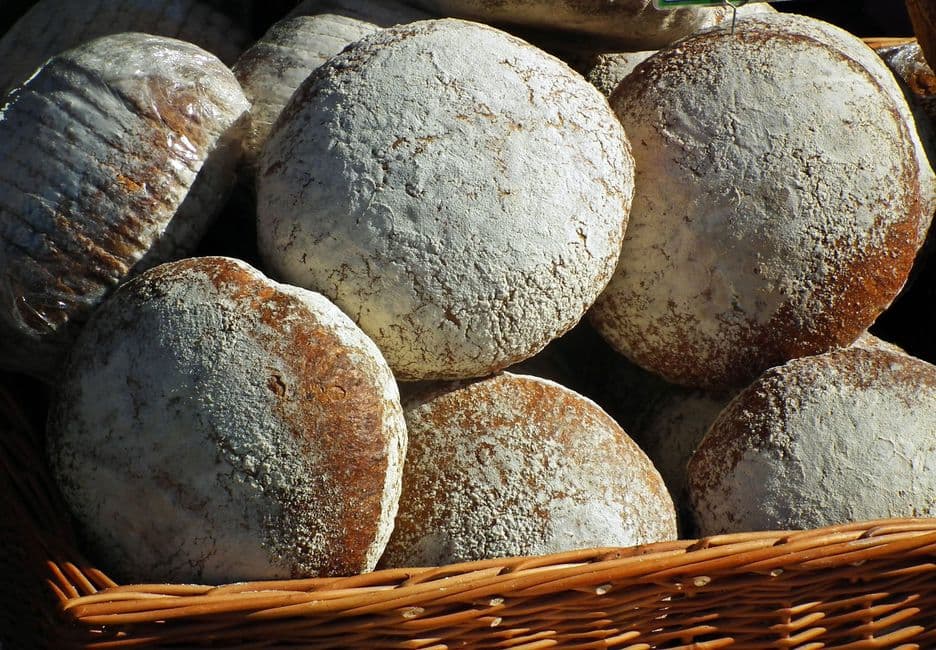
Irish Soda Bread
The iconic Irish quick bread leavened with bicarbonate of soda and buttermilk — crusty outside, tender inside, and ready in under an hour.
About This Recipe
Irish soda bread is unique in the bread world for requiring no yeast and no kneading — instead, bicarbonate of soda reacts with acidic buttermilk to create a rapid, reliable rise. It was developed in Ireland in the 1800s when baking soda became widely available, and it quickly became a staple because it was cheap, fast, and required no specialist equipment. The cross cut into the top before baking is a tradition — said to ward off evil spirits and bless the bread. Eaten warm from the oven with salted butter, it is one of the great simple pleasures of Irish cooking.
Ingredients
Serves 8
- 450 gplain flour (or wholemeal flour for brown soda bread)
- 1 tspbicarbonate of soda
- 1 tspfine salt
- 1 tspcaster sugar
- 375 mlbuttermilk, shaken
Instructions
- 1
Preheat oven
Preheat the oven to 220°C (200°C fan / 425°F). Lightly flour a baking sheet.
- 2
Combine dry ingredients
Sift the flour, bicarbonate of soda, salt, and sugar into a large bowl. Stir briefly to combine.
- 3
Add buttermilk
Make a well in the centre. Pour in most of the buttermilk. Using your hand like a claw, mix in wide circles from the centre out until a shaggy, slightly sticky dough forms. Add the remaining buttermilk if needed — the dough should be wet but not sloppy.
- 4
Shape
Turn out onto a floured surface. With floured hands, shape gently into a round about 5 cm tall. Do not knead. Place on the prepared baking sheet.
- 5
Score and bake
Using a sharp knife, cut a deep cross into the top — about halfway through the loaf. Bake for 15 minutes at 220°C, then reduce to 200°C and bake for a further 20–25 minutes until the base sounds hollow when tapped.
Did you make this?
Rate it and help other cooks find the recipes that actually work.
One tap to sign in, and we'll save the rating you just picked.
Everything you need to plan your week — free
- Meal calendar
- Grocery list
- AI recipe ideas
Track what you eat
Snap your meal to log calories and macros, run fasting timers and track water in the free SnapCal app.
Pro Tips
- →
Do not overwork the dough — soda bread becomes tough if kneaded. Mix just until it comes together.
- →
If you do not have buttermilk, add 1 tbsp of white wine vinegar or lemon juice to 375 ml of whole milk and leave for 5 minutes.
- →
Eat on the day of baking — soda bread does not keep well and stales quickly.
- →
Taste and adjust salt at the very end — flavors concentrate as liquids reduce, and a final pinch of flaky salt sharpens the whole dish.
Variations
- •
Brown soda bread uses wholemeal flour and is richer in flavour and fibre.
- •
Spotted dog (or railway cake) adds raisins and sugar for a sweeter version.
- •
Vegetarian: swap the protein for roasted king oyster mushrooms, smoked tofu or cooked chickpeas — adjust seasoning slightly upward to compensate.
- •
Spicier: add a finely chopped fresh chile or a teaspoon of crushed Aleppo/Urfa pepper to the aromatics for warm, layered heat instead of a single sharp hit.
Storage
Best eaten the day it is baked. Wrap in a clean cloth for up to 2 days. Slice and freeze for up to 1 month; toast from frozen.
History & Origin
Soda bread became a cornerstone of Irish cooking in the 1840s, particularly during the Great Famine years, because it used only the most basic pantry staples. Today it is as much a cultural symbol as a bread.
Frequently Asked Questions
Why do you cut a cross in the top?
Practically, the cross allows heat to penetrate the dense dough and helps it expand evenly. Traditionally, it was believed to ward off evil and bless the house.
Can I use yoghurt instead of buttermilk?
Yes — thin natural yoghurt with a little milk to a pourable consistency and it works as a substitute.
Can I make this ahead of time?
Yes — most of the components can be prepared up to a day in advance and refrigerated separately. Reheat gently and assemble just before serving so textures stay distinct.
What can I substitute if I don't have all the ingredients?
Stay close to the role each ingredient plays: swap aromatics for similar ones (shallot for onion, lime for lemon), and keep the fat-acid-salt balance intact. Spice blends can usually be approximated with what's in the cupboard.
Nutrition Facts
Per serving (100g / 3.5 oz) · 8 servings total
Time Summary
Have Questions?
Ask our AI cooking assistant anything about this recipe — substitutions, techniques, scaling.
Chat with AI Chef →Featured in Guides
This recipe is featured in the following curated guides:
More Irish Recipes
You Might Also Like
Similar dishes from other cuisines around the world.
Free Kitchen Tools
Calculators and converters that pair with this page — no signup needed.
Put This Into a Plan
Schedule it, shop for it, and track what you already have.
Read Next
Longer reads that go deeper on the ideas behind this dish.
Community
Join the conversation
Sign in to leave a comment and save your favourite recipes