
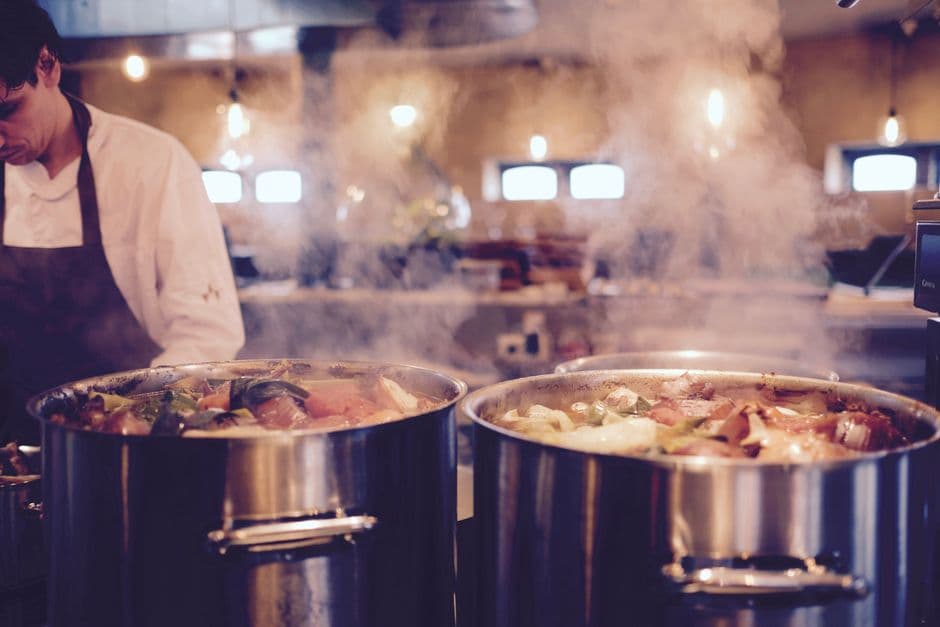
Irish Stew
The quintessential Irish one-pot of lamb, potatoes, carrots, and onions simmered low and slow in a rich, cloudy broth.
About This Recipe
Irish stew is the defining dish of Irish cuisine, born from centuries of rural life in which lamb and root vegetables were the most readily available ingredients. Traditional recipes insist on neck of lamb — cheap, flavoursome, and gelatinous — combined with floury potatoes, carrots, onion, and thyme. The potatoes break down to thicken the broth naturally, creating a hearty, nourishing pot that needs nothing more than soda bread on the side. It is a dish of profound honesty, a reflection of Ireland's agricultural landscape and the resilience of its people through difficult centuries.
Ingredients
Serves 4
- 1 kgbone-in lamb neck chops or shoulder, trimmed of excess fat
- 700 gfloury potatoes, peeled and cut into chunks
- 3 mediumcarrots, peeled and sliced
- 2 largeonions, roughly chopped
- 2 stalkscelery, sliced
- 1 litrelamb or chicken stock
- 4 sprigsfresh thyme
- 2 tbspfresh flat-leaf parsley, chopped, to garnish
- 1 tspsalt
- 0.5 tspblack pepper
Instructions
- 1
Brown the lamb
Season the lamb pieces with salt and pepper. Heat a splash of oil in a large pot over high heat and brown the lamb in batches on all sides. Set aside.
- 2
Soften the aromatics
In the same pot, reduce heat to medium and cook the onion and celery for 5 minutes, stirring, until softened. Add the carrots and stir for another 2 minutes.
- 3
Build the stew
Return the lamb to the pot. Add the potatoes and pour over the stock. Tuck in the thyme sprigs. Bring to a boil, then reduce heat to the lowest setting.
- 4
Slow simmer
Cover and simmer gently for 1.5 to 2 hours, stirring occasionally, until the lamb is completely tender and the potatoes have broken down to thicken the broth.
- 5
Finish and serve
Discard the thyme stalks. Taste and adjust seasoning. Serve in deep bowls garnished with chopped parsley and warm soda bread alongside.
Did you make this?
Rate it and help other cooks find the recipes that actually work.
One tap to sign in, and we'll save the rating you just picked.
Everything you need to plan your week — free
- Meal calendar
- Grocery list
- AI recipe ideas
Track what you eat
Snap your meal to log calories and macros, run fasting timers and track water in the free SnapCal app.
Pro Tips
- →
Neck of lamb is the traditional cut — it has the right fat content to keep the meat moist and enrich the broth.
- →
Floury potatoes (like Rooster or Maris Piper) break down and thicken the stew naturally; waxy potatoes do not.
- →
Cook it the day before serving — Irish stew is notably better reheated.
- →
Taste and adjust salt at the very end — flavors concentrate as liquids reduce, and a final pinch of flaky salt sharpens the whole dish.
Variations
- •
Guinness Irish stew uses dark stout to deepen the flavour of the broth.
- •
Modern versions sometimes add pearl barley for extra body.
- •
Vegetarian: swap the protein for roasted king oyster mushrooms, smoked tofu or cooked chickpeas — adjust seasoning slightly upward to compensate.
- •
Spicier: add a finely chopped fresh chile or a teaspoon of crushed Aleppo/Urfa pepper to the aromatics for warm, layered heat instead of a single sharp hit.
Storage
Refrigerate for up to 3 days or freeze for up to 2 months. Reheat on the stovetop over low heat with a splash of water if needed.
History & Origin
Irish stew has nourished Irish families since at least the early 19th century. Its simplicity was born from necessity — lamb, potatoes, and onions were what most rural Irish families had available, especially in the difficult years before and after the Great Famine.
Frequently Asked Questions
Can I use beef instead of lamb?
Technically yes, but it becomes a different dish. Irish stew is specifically a lamb dish; beef versions are more akin to a general meat stew.
Should I add Guinness?
The traditional recipe does not include stout, but a 200 ml addition gives a pleasant richness. Add it after browning the meat and let it reduce before adding stock.
Can I make this ahead of time?
Yes — most of the components can be prepared up to a day in advance and refrigerated separately. Reheat gently and assemble just before serving so textures stay distinct.
What can I substitute if I don't have all the ingredients?
Stay close to the role each ingredient plays: swap aromatics for similar ones (shallot for onion, lime for lemon), and keep the fat-acid-salt balance intact. Spice blends can usually be approximated with what's in the cupboard.
Nutrition Facts
Per serving (560g / 19.8 oz) · 4 servings total
Time Summary
Have Questions?
Ask our AI cooking assistant anything about this recipe — substitutions, techniques, scaling.
Chat with AI Chef →Featured in Guides
This recipe is featured in the following curated guides:
More Irish Recipes
You Might Also Like
Similar dishes from other cuisines around the world.
Free Kitchen Tools
Calculators and converters that pair with this page — no signup needed.
Put This Into a Plan
Schedule it, shop for it, and track what you already have.
Read Next
Longer reads that go deeper on the ideas behind this dish.
Community
Join the conversation
Sign in to leave a comment and save your favourite recipes