
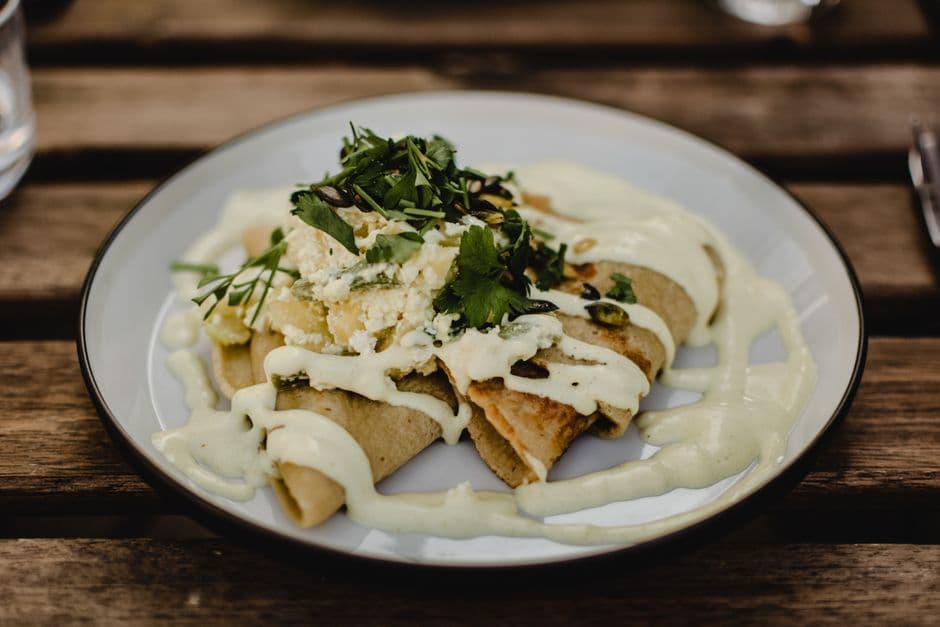
Mulgipuder
A hearty Estonian porridge of barley and mashed potato, traditionally finished with crispy lardons and a pat of farm butter.
About This Recipe
Mulgipuder originates in the Mulgimaa region of southern Estonia, historically home to some of the country's wealthiest peasant farmers, known as Mulks. The dish was their signature: a thick, sustaining porridge of pearl barley cooked with potatoes and enriched with pork fat. Despite its simple ingredients, mulgipuder carries significant cultural pride and was declared an Estonian national food. Today it is served at folk festivals, in farmhouse restaurants, and at family Sunday dinners, always accompanied by fried pork belly or sausage.
Ingredients
Serves 4
- 200 gpearl barley, rinsed
- 600 gfloury potatoes, peeled and quartered
- 1 litrewater or light pork stock
- 1 tspsalt
- 150 gsmoked bacon lardons or pork belly, diced
- 40 gbutter
- 1 mediumonion, finely diced
- 0.5 tspblack pepper
Instructions
- 1
Cook the barley and potatoes
Combine the rinsed barley, potatoes, water or stock, and salt in a large pot. Bring to a boil, then reduce heat and simmer, partially covered, for 50–55 minutes until the barley is very soft and the potatoes are falling apart.
- 2
Mash together
Use a potato masher or large fork to roughly mash the contents of the pot together — some barley texture should remain. The porridge should be thick and cohesive. Add a splash more water if too stiff.
- 3
Fry the lardons
While the porridge simmers, fry the bacon lardons and onion in butter over medium-high heat until the bacon is crispy and the onion is golden, about 8 minutes.
- 4
Serve
Spoon the mulgipuder into deep bowls, top with the crispy bacon and onion mixture, season with black pepper, and add an extra knob of butter if desired.
Did you make this?
Rate it and help other cooks find the recipes that actually work.
One tap to sign in, and we'll save the rating you just picked.
Everything you need to plan your week — free
- Meal calendar
- Grocery list
- AI recipe ideas
Cook this hands-free
Get AI meal plans, step-by-step cooking mode, and your saved recipes in the free Bento app.
Pro Tips
- →
Pearl barley absorbs a lot of liquid — check the pot periodically and add more water if needed.
- →
For a richer version, substitute half the water with pork bone broth.
- →
Serve with sauerkraut on the side for a classic Estonian pairing.
- →
Taste and adjust salt at the very end — flavors concentrate as liquids reduce, and a final pinch of flaky salt sharpens the whole dish.
Variations
- •
Mulgipuder with smoked sausage (vorst) instead of bacon
- •
Vegetarian mulgipuder topped with caramelised onions
- •
Mulgipuder patties pan-fried with leftover porridge
- •
Spicier: add a finely chopped fresh chile or a teaspoon of crushed Aleppo/Urfa pepper to the aromatics for warm, layered heat instead of a single sharp hit.
Storage
Refrigerate for up to 3 days. Reheat with a splash of water over low heat, stirring frequently.
History & Origin
Mulgipuder was the everyday food of Mulk peasant farmers in the 18th and 19th centuries. Their relative prosperity allowed them to add generous amounts of pork fat, making the dish richer than porridges found elsewhere in Estonia.
Frequently Asked Questions
Can I use pot barley instead of pearl barley?
Yes, but pot barley requires a longer cooking time — allow an extra 20–30 minutes and check for softness.
Is mulgipuder served as a side dish?
It can be, but traditionally it is a complete one-pot meal, substantial enough to sustain a day's farm work.
Can I make this ahead of time?
Yes — most of the components can be prepared up to a day in advance and refrigerated separately. Reheat gently and assemble just before serving so textures stay distinct.
What can I substitute if I don't have all the ingredients?
Stay close to the role each ingredient plays: swap aromatics for similar ones (shallot for onion, lime for lemon), and keep the fat-acid-salt balance intact. Spice blends can usually be approximated with what's in the cupboard.
Nutrition Facts
Per serving (380g / 13.4 oz) · 4 servings total
Time Summary
Have Questions?
Ask our AI cooking assistant anything about this recipe — substitutions, techniques, scaling.
Chat with AI Chef →Featured in Guides
This recipe is featured in the following curated guides:
More Estonian Recipes
You Might Also Like
Similar dishes from other cuisines around the world.
Free Kitchen Tools
Calculators and converters that pair with this page — no signup needed.
Put This Into a Plan
Schedule it, shop for it, and track what you already have.
Read Next
Longer reads that go deeper on the ideas behind this dish.
Community
Join the conversation
Sign in to leave a comment and save your favourite recipes