
Smørrebrød
Danish open-faced sandwiches on dark rye bread with elaborate toppings — the art form at the heart of Danish food culture.
About This Recipe
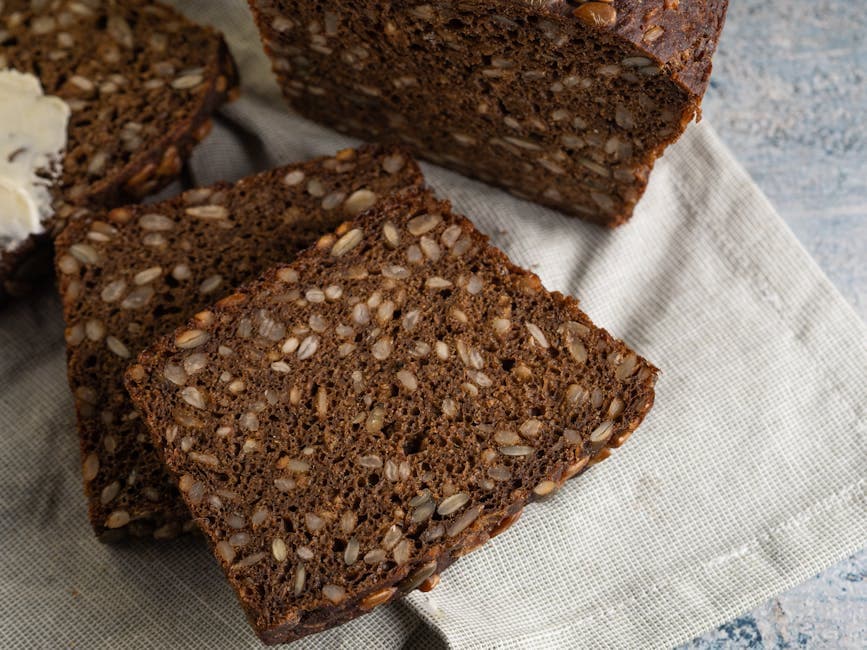
Smørrebrød (butter-bread) is not simply a sandwich — it is Denmark's greatest culinary art form. A thick slice of dense, dark rugbrød rye bread is buttered generously, then topped with precisely arranged ingredients according to a strict aesthetic code: herring on one type of bread, leverpostej on another, shrimp always with lemon and dill. Eaten with a knife and fork (never by hand), smørrebrød is the definitive Danish lunch and the subject of centuries of tradition, innovation, and fierce aesthetic debate.
Ingredients
Serves 4
- 8 thick slicesDanish rugbrød (dark rye bread)
- 80 gsalted butter(softened)
- 200 gpickled herring(drained, with onion rings)
- 200 gcold roast beef(thinly sliced)
- 100 gleverpostej (Danish liver pâté)(or good quality liver pâté)
- 200 gcooked North Sea shrimps (rejer)
- 4 tbspDanish remoulade
- 2hard-boiled eggs(sliced)
- 1 bunchfresh dill
- 1lemon(cut into wedges)
- 100 gcrispy fried onions (ristet løg)
- 4cornichons or pickled cucumber slices
Instructions
- 1
Butter bread
Butter each slice of rye bread generously all the way to the edges — the butter layer is a moisture barrier, not a condiment.
- 2
Herring smørrebrød
Top two slices with pickled herring pieces, a few onion rings, a sprig of dill and a slice of hard-boiled egg. Serve with a wedge of lemon.
- 3
Roast beef smørrebrød
Fan sliced roast beef over two slices. Top with remoulade, crispy fried onions and a cornichon.
- 4
Leverpostej smørrebrød
Spread liver pâté generously over two slices. Top with sautéed mushrooms, a strip of crispy bacon and a pickle.
- 5
Shrimp smørrebrød
Pile shrimps high on two slices. Top with mayonnaise, a lemon wedge pressed over, and a large sprig of dill.
Did you make this?
Rate it and help other cooks find the recipes that actually work.
One tap to sign in, and we'll save the rating you just picked.
Everything you need to plan your week — free
- Meal calendar
- Grocery list
- AI recipe ideas
Cook this hands-free
Get AI meal plans, step-by-step cooking mode, and your saved recipes in the free Bento app.
Pro Tips
- →
Serve smørrebrød on a chilled plate — room temperature or warm is incorrect.
- →
The order of eating is traditional: herring first, then meat, then shrimp last.
- →
Every topping must cover the bread completely — no bare corners.
- →
Taste and adjust salt at the very end — flavors concentrate as liquids reduce, and a final pinch of flaky salt sharpens the whole dish.
Variations
- •
Stjerneskud ('shooting star') is a luxury smørrebrød with both fried and cold shrimp, smoked salmon and caviar.
- •
Christmas smørrebrød features ribbensteg (roast pork belly) with red cabbage and pickled cucumber.
- •
Vegetarian: swap the protein for roasted king oyster mushrooms, smoked tofu or cooked chickpeas — adjust seasoning slightly upward to compensate.
- •
Spicier: add a finely chopped fresh chile or a teaspoon of crushed Aleppo/Urfa pepper to the aromatics for warm, layered heat instead of a single sharp hit.
Storage
Assemble just before serving — smørrebrød cannot be stored once assembled.
History & Origin
Smørrebrød dates to 19th-century Danish farm workers who carried rugbrød and cold toppings for lunch. It was elevated to an art form in the early 20th century by Copenhagen restaurants — most famously Ida Davidsen, where the menu lists hundreds of varieties. UNESCO inscribed Danish food culture, including smørrebrød, on the Intangible Heritage list.
Frequently Asked Questions
Can I use regular sandwich bread instead of rugbrød?
You can, but it is not smørrebrød — the dense, slightly sour rugbrød is structurally and flavourally essential. Sourdough rye is the closest widely available substitute outside Scandinavia.
Can I make this ahead of time?
Yes — most of the components can be prepared up to a day in advance and refrigerated separately. Reheat gently and assemble just before serving so textures stay distinct.
What can I substitute if I don't have all the ingredients?
Stay close to the role each ingredient plays: swap aromatics for similar ones (shallot for onion, lime for lemon), and keep the fat-acid-salt balance intact. Spice blends can usually be approximated with what's in the cupboard.
How do I know it's authentic?
Authenticity sits on a spectrum — what matters more is honoring the technique and balance of flavors. If the dish tastes harmonious and respects how cooks in its home region would build it, you're on solid ground.
Nutrition Facts
Per serving · 4 servings total
Time Summary
Have Questions?
Ask our AI cooking assistant anything about this recipe — substitutions, techniques, scaling.
Chat with AI Chef →Featured in Guides
This recipe is featured in the following curated guides:
More Danish Recipes
You Might Also Like
Similar dishes from other cuisines around the world.
Browse by Ingredient
More recipes built around the same core ingredients.
Free Kitchen Tools
Calculators and converters that pair with this page — no signup needed.
Put This Into a Plan
Schedule it, shop for it, and track what you already have.
Read Next
Longer reads that go deeper on the ideas behind this dish.
Community
Join the conversation
Sign in to leave a comment and save your favourite recipes