
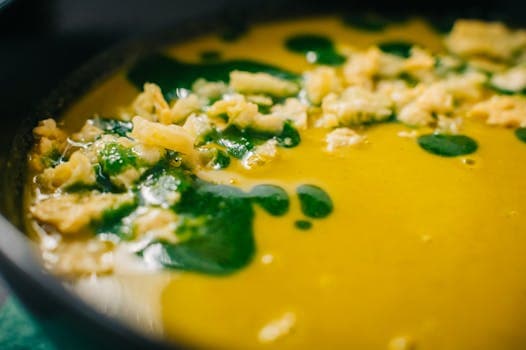
Egusi汤(尼日利亚瓜子汤)
尼日利亚最受欢迎的汤——将磨碎的瓜子与鳕鱼干、小龙虾和绿叶蔬菜一起在棕榈油中煎炸,形成浓郁、味道鲜美的炖菜,配上捣碎的山药或豆腐。
关于这个食谱
Egusi 汤可以说是尼日利亚烹饪中最重要的菜肴,全国 250 个民族几乎都有不同地区的饮食习惯。 Egusi 是西非甜瓜 (Cucumeropsis mannii) 的磨碎种子,它们提供了丰富、坚果味、微苦的底味,这是完全独特的。将种子与水混合成糊状,然后在棕榈油中油炸,直至形成厚而易碎的“炸球”。熏干鱼干(eja eja)、碎小龙虾(西非必不可少的调味料)和绿叶蔬菜(苦叶、南瓜叶或菠菜)完成了这道菜。尼日利亚的任何庆祝活动——婚礼、命名仪式、丧葬盛宴——如果没有一锅埃古斯汤,都是不完整的。
食材
服务 6
- 300 克磨碎的egusi(瓜子)
- 500 克带骨鸡肉或山羊肉
- 100 克熏干鱼(热水泡20分钟,捞出)
- 150 毫升红棕榈油
- 3 汤匙碎小龙虾(或 2 汤匙 虾米)
- 3西红柿(混合的)
- 2红甜椒(混合的)
- 1苏格兰帽胡椒(混合的)
- 1洋葱(一半混合,一半切块)
- 200 克苦叶、南瓜叶 (ugu) 或菠菜(洗净切片)
- 2汤块(Maggi 或类似)
- 300 毫升水或肉汤
- 2 茶匙盐
步骤
- 1
煮肉
用洋葱、汤块、盐和胡椒给鸡肉或山羊肉调味。用其本身的汁煮15分钟,然后加少量水,煮20分钟直至变软。预留库存。
- 2
炒番茄底料
在一个大锅中用中火加热棕榈油。加入混合的番茄、胡椒和洋葱混合物。煎 15-20 分钟,经常搅拌,直到混合物颜色变深、变浅并且油浮在上面。
- 3
鱼苗
将磨碎的egusi与少量水混合成浓稠的糊状。将勺子放入热棕榈油番茄酱中。不搅拌地煎 3 分钟,直至底部凝固,然后搅拌成碎片。再煎 5 分钟直至金黄。
egusi 的“油炸”赋予了汤特有的坚果味——搅拌得太早会产生光滑的糊状物,而不是传统的易碎质地。
- 4
添加高汤和鱼
添加肉汤和水。加入煮熟的肉、鱼片、小龙虾碎和剩余的汤块。煮10分钟。
- 5
添加蔬菜并完成
添加切片绿叶蔬菜。搅拌并煮 5 分钟。品尝并调整盐。汤应该又浓又浓,而不是稀。
你做过这道菜吗?
给它评分,帮助其他人找到真正好用的食谱。
一键登录,我们会保存你刚刚选择的评分。
规划一周饮食所需的一切 — 免费
- 膳食日历
- 购物清单
- AI 食谱推荐
解放双手来烹饪
在免费的 Bento 应用中获取 AI 膳食计划、逐步烹饪模式和你保存的食谱。
专业提示
- →
棕榈油是必不可少的——它提供了egusi汤独特的颜色、风味和营养成分。植物油是一种颜色浅、味道平淡的替代品。
- →
小龙虾粉(干虾粉)是西非必不可少的鲜味底料——不要跳过它。
- →
在最后品尝并调整盐——随着液体的减少,味道会集中,最后一小撮片状盐会使整道菜变得更锋利。
- →
就地准备是值得的:在加热之前切碎、测量和预混合所有东西,特别是对于任何快速移动的步骤。
变化
- •
Ofe Onugbu(伊博语苦叶汤):使用苦叶作为唯一的绿色,底料中没有西红柿
- •
素食 egusi:省略肉和鱼,将小龙虾加倍以获得鲜味 - 仍然味道鲜美
- •
Ede-egusi:添加可可块以进一步增稠并增加淀粉质
- •
更辣:在芳香剂中添加切碎的新鲜辣椒或一茶匙压碎的阿勒颇/乌尔法胡椒,以获得温暖、分层的热量,而不是单一的强烈刺激。
存储
冷藏可保存4天。冷冻效果很好,可以保存3个月。轻轻地重新加热——egusi 可以粘在底部。
历史与起源
据记载,西非的埃古斯种植已有 3,000 多年的历史。这种种子的高油和蛋白质含量使其对萨赫勒和森林地区的农业社区具有无价的价值。每个尼日利亚民族——约鲁巴族、伊博族、豪萨族、埃菲克族——都有自己的埃古斯汤传统。这道菜随着奴隶贸易穿越大西洋,在加勒比海和美洲的非洲侨民中随处可见。
常见问题解答
哪里可以买到egusi(磨碎的瓜子)?
Egusi 在任何西非或非洲杂货店都有出售,通常装在标有“egusi 粉”或“egusi 种子”的袋子中。在一些加勒比杂货店也可以找到它。在线零售商广泛库存。没有替代品——磨碎的egusi的味道是独特的,无法用南瓜或葵花籽复制。
我可以提前做这个吗?
是的——大多数成分最多可以提前一天准备好并单独冷藏。轻轻重新加热并在食用前组装,以保持纹理清晰。
如果我没有所有原料,我可以用什么代替?
密切关注每种成分所扮演的角色:将芳香剂替换为类似的芳香剂(将葱替换为洋葱,将酸橙替换为柠檬),并保持脂肪酸盐平衡不变。香料混合物通常可以与橱柜中的香料近似。
我怎么知道它是正品?
真实性存在一定的范围——更重要的是尊重技术和口味的平衡。如果这道菜味道和谐并且尊重其家乡厨师的制作方式,那么您就已经踏实了。
营养成分
每份 · 6 总份量
时间总结
你可能也喜欢
来自世界其他菜系的相似菜肴。
按食材浏览
使用相同核心食材的更多食谱。
免费厨房工具
与本页搭配使用的计算器和单位换算工具,无需注册。
把它变成计划
加入日历、生成购物清单、掌握家里已有的食材。
社区
加入对话
登录发表评论并保存您最喜欢的食谱