
تشيبا
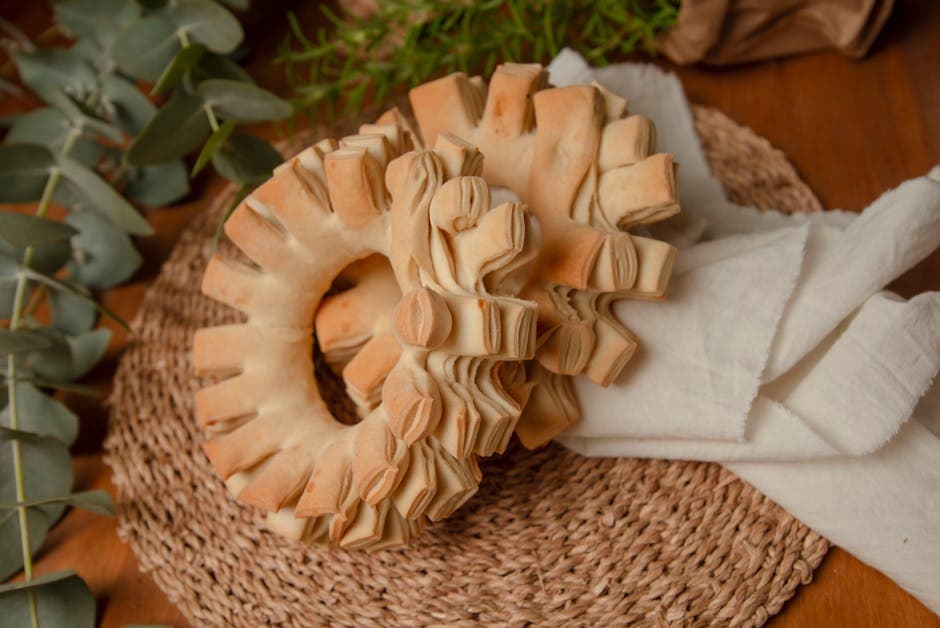
خبز الجبن الشهير في باراجواي - حلقات ذهبية مطاطية مصنوعة من دقيق الكسافا والجبن والبيض، تُخبز حتى تنتفخ وتفوح رائحتها.
حول هذه الوصفة
تشيبا هو الخبز الأكثر شعبية في باراجواي، ويباع في كل زاوية شارع ومحطة حافلات وأسواق في جميع أنحاء البلاد والأرجنتين المجاورة. يتم صنع هذا الخبز الصغير على شكل حلقة من دقيق الكسافا (وليس القمح)، والجبن، والبيض، وبذور اليانسون، وشحم الخنزير أو الزبدة، مما يمنحهم ملمسًا مطاطيًا ومرضيًا تمامًا على عكس الخبز التقليدي. يُنتج دقيق الكسافا منتجًا طبيعيًا خاليًا من الغلوتين مع لمسة طفيفة، في حين أن الجبن - وهو جبن باراجواي الطازج والمالح تقليديًا - يضيف ثراءً وعمقًا. يتم خبز الشيباس في أفران تعمل بالحطب بشكل تقليدي، مما يعطيها القليل من الفحم والدخان، على الرغم من أن الأفران الحديثة تنتج نتائج ممتازة. يتم تناولها في أفضل حالاتها دافئة، في غضون دقائق من خروجها من الفرن، وهي الرفيق المثالي للماتيه أو تيريري (الماتيه الباردة).
المكونات
يخدم 16
- 500 غدقيق الكسافا (دقيق التابيوكا)(ليس النشا - استخدم الدقيق الخشن)
- 200 غكيسو باراجوايو أو فيتا أو بارميزان(المبشور ناعما)
- 100 غكيسو فريسكو أو موزاريلا(انهارت)
- 3 كبيرالبيض
- 80 غزبدة أو شحم الخنزير(في درجة حرارة الغرفة)
- 100 ملالحليب(بالإضافة إلى اضافية إذا لزم الأمر)
- 1 ملعقة صغيرةملح
- 1 ملعقة صغيرةبذور اليانسون
التعليمات
- 1
اخلطي العجينة
فاز الزبدة حتى تصبح ناعمة. اخلطي البيض واحدة تلو الأخرى. أضيفي كلا من الجبن، وبذور اليانسون، والملح. أضيفي دقيق الكسافا بالتدريج بالتناوب مع الحليب حتى تتشكل عجينة ناعمة ومتماسكة. لا ينبغي أن تلتصق بيديك.
- 2
قم بتشكيل الشيباس
قسمي العجينة إلى 16 كرة. لفي كل قطعة على شكل حبل طوله حوالي 15 سم، ثم شكلي حلقة من خلال ربط الأطراف. أو تشكل على شكل لفات أو أهلة.
يسمح الشكل الدائري الكلاسيكي للتشيبا بالطهي بالتساوي ويعطي مظهرًا خارجيًا مطاطيًا مميزًا.
- 3
اخبز
سخني الفرن إلى 200 درجة مئوية. ضعي الشيباس على صينية خبز مدهونة. اخبزيها لمدة 20-25 دقيقة حتى تصبح ذهبية اللون ومنتفخة. يجب أن تبدو مجوفة عند النقر عليها في الأسفل.
- 4
يخدم على الفور
تصبح رقائق الشيباس في أفضل حالاتها على الإطلاق خلال 15 دقيقة من الخبز، بينما تظل دافئة وقابلة للمضغ قليلاً من الداخل. يقدم مع القهوة أو المتة أو التيري.
هل جرّبت هذه الوصفة؟
قيّمها وساعد الآخرين في العثور على الوصفات التي تنجح فعلاً.
سجّل الدخول بنقرة واحدة وسنحفظ التقييم الذي اخترته للتو.
كل ما تحتاجه لتخطيط أسبوعك — مجانًا
- تقويم الوجبات
- قائمة التسوق
- أفكار وصفات بالذكاء الاصطناعي
اطبخ دون الحاجة للمس الشاشة
احصل على خطط وجبات بالذكاء الاصطناعي ووضع طهي خطوة بخطوة ووصفاتك المحفوظة في تطبيق Bento المجاني.
نصائح للمحترفين
- →
استخدمي دقيق الكسافا الخشن، وليس نشا التابيوكا الناعم - سيكون القوام مختلفًا تمامًا.
- →
يجب أن تكون العجينة متماسكة بدرجة كافية لتتشكل دون أن تتشقق - أضف المزيد من الحليب إذا كانت جافة جدًا.
- →
تشيباس خالية من الغلوتين بطبيعتها - وهي مكافأة غير متوقعة.
- →
تذوق واضبط الملح في النهاية - تتركز النكهات مع تقليل السوائل، كما أن رشة أخيرة من الملح القشري تزيد من حدة الطبق بأكمله.
الاختلافات
- •
أضف الهالبينو المفروم جيدًا للحصول على نسخة حارة.
- •
رش بذور السمسم على الوجه قبل الخبز.
- •
اصنع رقائق تشيباس صغيرة الحجم لتناولها كوجبة خفيفة.
- •
نباتي: استبدل البروتين بفطر المحار المحمص أو التوفو المدخن أو الحمص المطبوخ - اضبط التتبيل قليلاً لأعلى للتعويض.
تخزين
من الأفضل أن تؤكل طازجة ودافئة. تخزينها في حاوية محكمة الإغلاق لمدة 1-2 أيام؛ يُعاد تسخينه في فرن على حرارة 180 درجة مئوية لمدة 5-8 دقائق لاستعادة قوامه.
التاريخ والأصل
يُصنع تشيبا في باراجواي منذ قرون، وتعود جذوره إلى ما قبل كولومبوس في تقاليد شعب الغواراني في الطهي باستخدام الكسافا. بعد أن أدخل الاستعمار الإسباني صناعة الجبن إلى المنطقة، أصبح مزيج الكسافا والجبن هو صيغة تشيبا المميزة. أصبحت تشيبا اليوم متجذرة بعمق في الثقافة الباراجوايانية، حيث أصبح الباعة (تشيبيرا) الذين يسيرون في الشوارع والقطارات ويطلقون عليها اسم "تشيبا، تشيبا" أحد أكثر الأصوات شهرة في البلاد.
الأسئلة المتداولة
هل دقيق الكسافا هو نفس دقيق التابيوكا؟
أنها تأتي من نفس النبات ولكن تتم معالجتها بشكل مختلف. يتكون دقيق الكسافا من الجذر الكامل وهو أكثر خشونة. يتم استخراج دقيق التابيوكا/النشا من نشا الجذر فقط وهو أدق بكثير. لتشيبا، استخدم دقيق الكسافا الخشن.
هل يمكنني تجميد رقائق البطاطس غير المطبوخة؟
نعم - قم بتجميد رقائق الشيبس على صينية، ثم ضعها في كيس. تُخبز في الفرن على حرارة 200 درجة مئوية من المجمدة لمدة 28-30 دقيقة. إنهم يتذوقون طازجة.
هل يمكنني القيام بذلك في وقت مبكر؟
نعم، يمكن تحضير معظم المكونات قبل يوم واحد وتبريدها بشكل منفصل. يُعاد تسخينه بلطف ويُجمّع قبل التقديم مباشرةً حتى يظل القوام مميزًا.
ما الذي يمكنني استبداله إذا لم يكن لدي جميع المكونات؟
ابق على مقربة من الدور الذي يلعبه كل مكون: استبدل المواد العطرية بأخرى مماثلة (الكراث بالبصل، والليمون الحامض بالليمون)، وحافظ على توازن الدهون والأحماض والملح سليمًا. يمكن عادة تقريب خلطات التوابل مع ما هو موجود في الخزانة.
حقائق التغذية
لكل وجبة · 16 حصص إجمالية
ملخص الوقت
هل لديك أسئلة؟
اسأل مساعد الطبخ الذي يعمل بالذكاء الاصطناعي لدينا أي شيء عن هذه الوصفة - البدائل والتقنيات والقياس.
الدردشة مع AI Chef →ظهرت في الأدلة
هذه الوصفة واردة في الأدلة المنسقة التالية:
المزيد من وصفات Paraguayan
قد يعجبك أيضًا
أطباق مشابهة من مطابخ أخرى حول العالم.
أدوات مطبخ مجانية
حاسبات ومحوّلات تكمّل هذه الصفحة — دون الحاجة إلى تسجيل.
حوّلها إلى خطة
جدولها، تسوّق لها، وتابع ما لديك بالفعل.
اقرأ بعد ذلك
مقالات أطول تتعمّق في الأفكار وراء هذا الطبق.
مجتمع
انضم إلى المحادثة
قم بتسجيل الدخول لترك تعليق وحفظ وصفاتك المفضلة