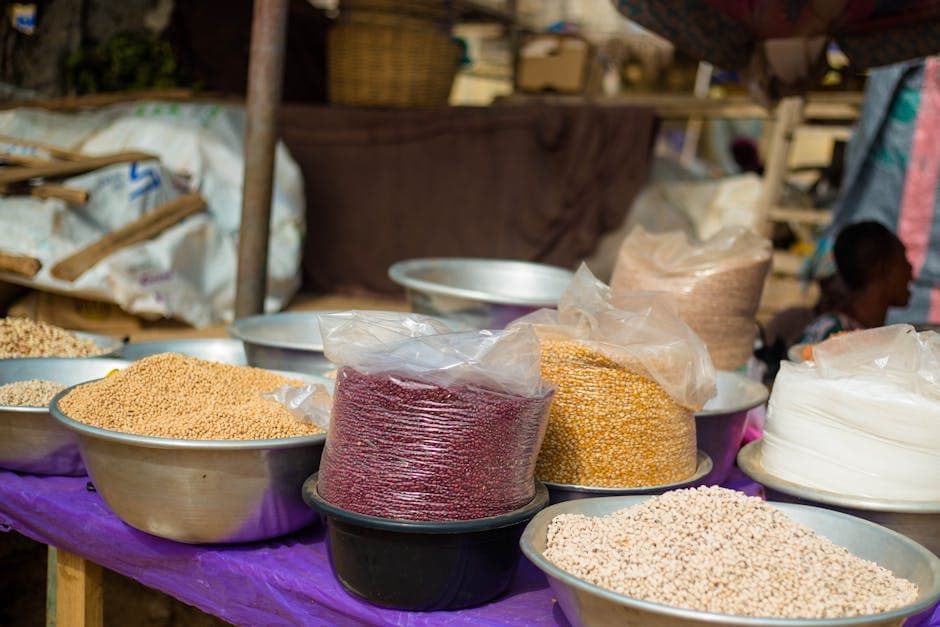
الكرت عبارة عن كرات صغيرة وصلبة ومملحة بشدة من الحليب الحامض المجفف والتي كانت بمثابة غذاء أساسي للبدو في جميع أنحاء آسيا الوسطى لآلاف السنين. يتم صنعها عن طريق تصفية الحليب المخمر وتتبيله بالملح ولفه في كرات وتجفيفه في الشمس. يتم الاحتفاظ بها لعدة أشهر دون تبريد وكانت من المؤن الأساسية للبدو الكازاخستانيين في الرحلات الطويلة. واليوم لا تزال تُباع في كل أسواق كازاخستان، وتُؤكل كوجبات خفيفة، أو تُفتت في الحساء، أو تُذاب في الماء.
يخدم 10
قم بتبطين مصفاة بالموسلين أو قطعة قماش نظيفة. يُسكب الزبادي ويُترك ليصفى لمدة 12-24 ساعة في الثلاجة حتى يصبح سميكًا وجافًا للغاية - مثل المعجون الثابت.
يعجن الملح جيداً في الزبادي المصفى (سوزمي). يجب أن يكون الخليط مالحًا تمامًا.
تشكل إلى كرات صغيرة بحجم الرخامة الكبيرة أو تشكل على شكل بيضاوي.
ضعيها على رف أو صينية في مكان دافئ وجاف (أو فرن منخفض جدًا، 50 درجة مئوية) لمدة 24-48 ساعة حتى تصبح صلبة وجافة طوال الوقت.
كيرت جاهز عندما يكون الأمر صعبًا طوال الطريق. تخزينها في كيس من القماش في درجة حرارة الغرفة لعدة أشهر.
كل ما تحتاجه لتخطيط أسبوعك — مجانًا
اطبخ دون الحاجة للمس الشاشة
احصل على خطط وجبات بالذكاء الاصطناعي ووضع طهي خطوة بخطوة ووصفاتك المحفوظة في تطبيق Bento المجاني.
كلما جففتها لفترة أطول، أصبحت أصعب وأطول أمدا.
الكورت التقليدي مالح جدًا - اضبطه حسب تفضيلاتك الشخصية ولكن لا تجعله خفيفًا.
أضف مسحوق الثوم أو الأعشاب المجففة للحصول على نسخة منكهة.
تذوق واضبط الملح في النهاية - تتركز النكهات مع تقليل السوائل، كما أن رشة أخيرة من الملح القشري تزيد من حدة الطبق بأكمله.
اخلطي الشبت المجفف أو مسحوق الثوم قبل لفه.
للحصول على نسخة طازجة أكثر ليونة، تخطى مرحلة التجفيف وتناولها خلال 3 أيام.
نباتي: استبدل البروتين بفطر المحار المحمص أو التوفو المدخن أو الحمص المطبوخ - اضبط التتبيل قليلاً لأعلى للتعويض.
أكثر توابلًا: أضف الفلفل الحار الطازج المفروم جيدًا أو ملعقة صغيرة من فلفل حلب / أورفا المطحون إلى العطريات للحصول على حرارة دافئة متعددة الطبقات بدلاً من ضربة واحدة حادة.
يُحفظ الكورت المجفف بالكامل في درجة حرارة الغرفة لمدة تصل إلى 6 أشهر في بيئة جافة.
تم صنع الكورت من قبل البدو الكازاخيين والقرغيزيين وغيرهم من البدو في آسيا الوسطى منذ 2000 عام على الأقل. لقد كانوا مصدرًا غذائيًا متنقلًا للخيول والفرسان الذين يعبرون السهوب. اعترفت اليونسكو بالكورت كجزء من تراث الطهي في آسيا الوسطى.
يعتبر الكورت التقليدي مالحًا للغاية، وغالبًا ما يبدو أكثر مما يبدو مريحًا للأذواق الغربية. كان الملح ضروريًا تاريخيًا كمادة حافظة للرحلات البدوية الطويلة.
نعم، يمكن تحضير معظم المكونات قبل يوم واحد وتبريدها بشكل منفصل. يُعاد تسخينه بلطف ويُجمّع قبل التقديم مباشرةً حتى يظل القوام مميزًا.
ابق على مقربة من الدور الذي يلعبه كل مكون: استبدل المواد العطرية بأخرى مماثلة (الكراث بالبصل، والليمون الحامض بالليمون)، وحافظ على توازن الدهون والأحماض والملح سليمًا. يمكن عادة تقريب خلطات التوابل مع ما هو موجود في الخزانة.
الأصالة تقع على نطاق واسع - ما يهم أكثر هو احترام التقنية وتوازن النكهات. إذا كان مذاق الطبق متناغمًا ويحترم الطريقة التي سيصنعها بها الطهاة في منطقته الأصلية، فأنت على أرض صلبة.
لكل وجبة · 10 حصص إجمالية
اسأل مساعد الطبخ الذي يعمل بالذكاء الاصطناعي لدينا أي شيء عن هذه الوصفة - البدائل والتقنيات والقياس.
الدردشة مع AI Chef →انضم إلى المحادثة
قم بتسجيل الدخول لترك تعليق وحفظ وصفاتك المفضلة
كل ما تحتاجه لتخطيط أسبوعك — مجانًا
لديك ملاحظات أو تحتاج مساعدة؟
نقرأ كل بريد ونرد خلال 1–2 يوم عمل.
© 2026 MyCookingCalendar. جميع الحقوق محفوظة.