
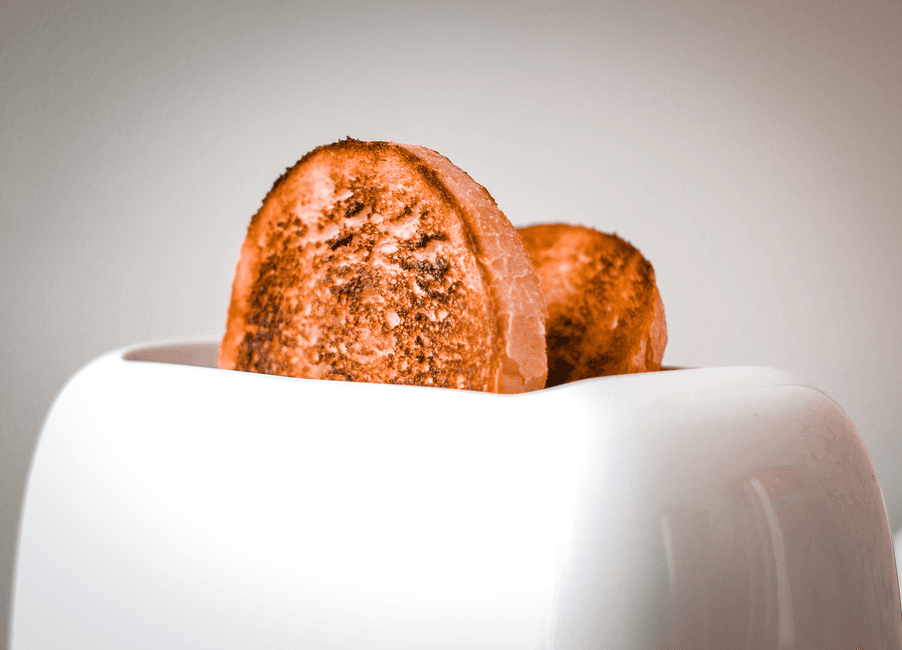
Laverbread auf Toast
Walishs geschätztes Meeresgemüse — gekochtes Laver-Seetang — auf buttriertem Toast gestrichen und mit knusprigem Speck garniert oder ein Spritzer Haferflocken. Ein Küstenklassiker.
Über dieses Rezept
Laverbread ist Walishs charakteristischstes Essen, eine Püree von langsam gekochtem Laver-Seetang (Porphyra umbilicalis), das von den felsigen Küsten der Gower Peninsula und Pembrokeshire geerntet wird. Trotz des Namens enthält es keinen Brot — das walisische Wort 'bara' bedeutet einfach Nahrung oder Versorgung. Es hat einen tief umami-reichen, intensiv Meer Geschmack und ein seidentiges, dunkelgrünes Aussehen, das die Uninitiierten erschrecken kann, aber diejenigen verzaubern, die es eine faire Chance geben. Traditionell als Teil eines walisischen Frühstücks neben Speck, Venusmuscheln und Eiern serviert, oder einfach auf buttriertem Toast mit einem Spritzer Zitrone gestrichen, Laverbread wurde von Richard Burton als 'Waliser-Kaviar' beschrieben.
Zutaten
Dient 2
- 200 gLaverbread (vorbereitetes gekochtes Laver-Seetang)
- 2 ELfeines Haferflocken oder Porridge-Hafer
- 1 ELungesalzene Butter
- 4 rashersgeräucherter Speck (optional)
- 4 thickScheiben Sauerteig- oder Weißbrot-Toast
- 1 ELgesalzene walisische Butter, für den Toast
- 1 TLZitronensaft
- 1 Priseschwarzer Pfeffer
Anleitung
- 1
Speck kochen (optional)
Die Speckstreifen unter dem Grill oder in der Pfanne braten, bis knusprig. Warm zur Seite stellen.
- 2
Laverbread-Kuchen bilden
Laverbread mit Haferflocken vermischen, bis kombiniert. Zu kleinen Pastetchen von etwa 1 cm Dick formen. Butter in einer Bratpfanne über mittlerer Hitze schmelzen und Pastetchen 2–3 Minuten pro Seite braten, bis leicht golden auf der Außenseite.
- 3
Das Brot toasten
Das Brot toasten, bis golden, und großzügig mit gesalzener Butter buttern.
- 4
Zusammensetzen
Laverbread-Kuchen auf dem buttrierten Toast platzieren. Mit einem Spritzer Zitronensaft und einer Prise schwarzem Pfeffer hinzufügen. Mit knusprigem Speck garnieren, falls verwendet.
- 5
Servieren
Sofort als Teil eines walisischen Frühstücks oder als salziger Snack servieren.
Haben Sie das gekocht?
Bewerte es und hilf anderen, die Rezepte zu finden, die wirklich funktionieren.
Einmal anmelden, und wir speichern die Bewertung, die Sie gerade gewählt haben.
Alles, was Sie für Ihre Wochenplanung brauchen — kostenlos
- Essensplaner
- Einkaufsliste
- KI-Rezeptideen
Behalten Sie im Blick, was Sie essen
Fotografieren Sie Ihre Mahlzeit, um Kalorien und Makros zu erfassen, nutzen Sie Fasten-Timer und tracken Sie Ihr Wasser – in der kostenlosen SnapCal-App.
Profi-Tipps
- →
Kauf vorbereitet Laverbread von walisischen Fischhandlungen oder spezialistischen Online-Einzelhandlungen.
- →
Die Haferflocken-Beschichtung ist traditionell und fügt Textur hinzu — überspringen Sie es nicht.
- →
Venusmuscheln neben Laverbread sind eine klassische Kombination von der Gower.
- →
Salz ganz am Ende abschmecken und anpassen — Aromen konzentrieren sich, wenn Flüssigkeiten reduzieren, und eine abschließende Prise Fleur de Sel schärft das ganze Gericht.
Variationen
- •
Mit einem pochiertem Ei obenauf servieren.
- •
Laverbread mit Frischkäse auf Crackern für ein Canapé mischen.
- •
Laverbread zu Lammburger für einen Umami-Schub hinzufügen.
- •
Vegetarisch: das Eiweiß durch geröstete Königsausternpilze, geräucherten Tofu oder gekochte Kichererbsen ersetzen — die Würzung leicht nach oben anpassen, um zu kompensieren.
Lagerung
Vorbereitetes Laverbread hält sich im Kühlschrank bis zu 5 Tage. Es friert auch gut. Geformte ungekochte Pastetchen frieren bis zu einen Monat ein.
Geschichte und Herkunft
Laverbread wird seit Jahrhunderten auf der walisischen Küste geerntet und gegessen, mit Aufzeichnungen über seinen Verkauf auf dem Swansea-Markt aus dem 17. Jahrhundert. Frauen und Kinder sammelten Laver von den Felsen bei Niedrigwasser, und es wurde stundenlang in Kupferkesseln langsam gekocht, bevor es von Tür zu Tür verkauft wurde. Es bleibt eines der einzigartigsten und kulturell signifikanten Lebensmittel in Wales, geliebt von denen, die damit aufwuchsen.
Häufig gestellte Fragen
Wo kann ich Laverbread kaufen?
Walisische Fischhandlungen, Swansea Market und mehrere Online-Einzelhandlungen für walisische Lebensmittel versenden Laverbread über das Vereinigte Königreich und international.
Ist Laverbread das gleiche wie japanisches Nori?
Sie kommen aus derselben Gattung des Seetangs (Porphyra), aber Laverbread wird stark zu einer Paste gekocht, anstatt zu Blättern getrocknet zu werden.
Kann ich das im Voraus zubereiten?
Ja — die meisten Komponenten können bis zu einen Tag im Voraus vorbereitet und separat gekühlt werden. Leicht aufwärmen und zusammenstellen, kurz vor dem Servieren, damit die Strukturen unterschiedlich bleiben.
Was kann ich ersetzen, wenn ich nicht alle Zutaten habe?
Bleiben Sie nahe bei der Rolle, die jeder Zutat spielt: tauschen Sie Aromaten gegen ähnliche aus (Schalotte für Zwiebel, Limette für Zitrone) und behalten Sie die Fett-Säure-Salz-Balance bei. Gewürzmischungen können normalerweise mit dem approximiert werden, was im Schrank ist.
Nährwertangaben
Pro Portion (240g) · 2 Portionen insgesamt
Zeitzusammenfassung
Haben Sie Fragen?
Fragen Sie unseren KI-Kochassistenten zu diesem Rezept – Ersetzungen, Techniken, Skalierung.
Chatten Sie mit AI Chef →In Reiseführern vorgestellt
Dieses Rezept ist in den folgenden kuratierten Leitfäden enthalten:
Weitere Welsh Rezepte
Das könnte Ihnen auch gefallen
Ähnliche Gerichte aus anderen Küchen der Welt.
Kostenlose Küchen-Tools
Rechner und Umrechner, die zu dieser Seite passen — ohne Anmeldung.
Rezept-Umrechner
Halbieren oder verdoppeln Sie jede Menge in diesem Rezept – ganz ohne Kopfrechnen.
Maßeinheiten-Umrechner
Rechnen Sie Cups, Gramm, Unzen und Milliliter in beide Richtungen um.
Heißluftfritteusen-Umrechner
Rechnen Sie Backofenzeit und -temperatur in Einstellungen für die Heißluftfritteuse um.
Daraus einen Plan machen
Einplanen, einkaufen und im Blick behalten, was schon da ist.
Weiterlesen
Ausführliche Artikel zu den Ideen hinter diesem Gericht.
Algen und Meeresgrün: Eine umfassende Sammlung von Jod, Schilddrüsengesundheit und kulinarischen Anwendungen
10 Min.
Umami: Eine umfassende Wissenschaft über den fünften Geschmack, Glutamate und wie man Geschmackstiefe aufbaut
13 Min.
Wie man beim Kochen Geschmack schafft – Das Leitfaden für Profiköche
10 Min.
Gemeinschaft
Beteiligen Sie sich an der Unterhaltung
Melden Sie sich an, um einen Kommentar zu hinterlassen und Ihre Lieblingsrezepte zu speichern