Ethiopian Doro Wat — Spiced Chicken Stew
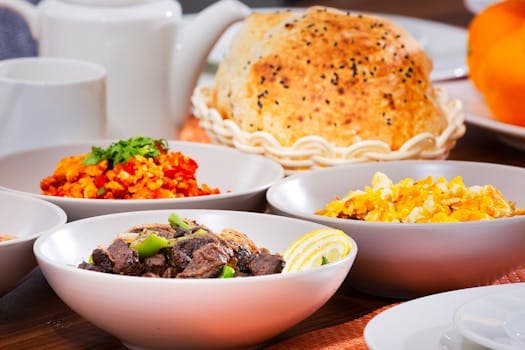
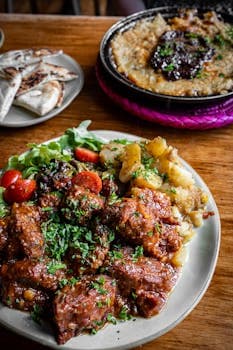
Ethiopia's national dish — slow-cooked chicken in a rich, deeply red berbere spiced onion sauce with hard-boiled eggs, served on injera sourdough flatbread.
Injera, Doro Wat, Misir – alte Gewürzeintöpfe vom Horn von Afrika.
Die äthiopische Küche entwickelte sich in bemerkenswerter Isolation am Horn von Afrika, wurde nie lange kolonisiert und konzentriert sich auf zwei einheimische Domestizierte: Teff, das winzige eisenreiche Getreide, das über Tage zu Injera fermentiert wird – das schwammige, saure Fladenbrot, das als Teller, Utensil und Stärke dient – und Kaffee, der aus den Wäldern von Kaffa stammt. Die Mahlzeiten finden gemeinschaftlich statt: Eintöpfe (wot) werden auf eine gemeinsame Runde Injera geschöpft, und die Gäste zerreißen Stücke, um sie zu schöpfen, und füttern sich manchmal gegenseitig in der liebevollen Geste namens Gursha.
Der Geschmack basiert auf Berbere, einer komplexen Mischung aus getrockneten Chilis, Bockshornklee, Korarima (äthiopischer Kardamom) und einem Dutzend anderer Gewürze, sowie auf Niter Kibbeh, geklärter Butter mit Knoblauch, Ingwer und heiligem Besobela-Basilikum. Doro Wot – Hähnchenschenkel und hartgekochte Eier, lange geschmort in langsam gekochten Zwiebeln und Berbere – ist das feierliche Nationalgericht. Die rund 200 jährlichen Fastentage der Äthiopisch-Orthodoxen Kirche, die tierische Produkte verbieten, brachten ein umfangreiches veganes Repertoire hervor: Misir Wot (rote Linsen), Shiro (Eintopf aus Kichererbsenmehl), Gomen-Gemüse und die Kombinationsplatte Beyaynetu.
Hausmannskost beginnt mit Zwiebeln: fein gehackt und in großen Mengen trocken gegart, oft zunächst ohne Öl, bis sie stark eingekocht sind – die Basis jedes Wot. Bei der Injera-Herstellung handelt es sich um ein handwerkliches Kunsthandwerk, bei dem Teff-Teig mehrere Tage lang fermentiert und auf einer Mitad-Grillplatte aus Ton gegart wird, bis die Oberfläche ihre charakteristischen „Augen“ bildet. Die Kaffeezeremonie – grüne Bohnen, geröstet, gemahlen und in einer Jebena-Kanne aufgebrüht, serviert in drei Runden – bleibt ein täglicher Akt der Gastfreundschaft.
Injera und Teff
Fermentierter Teff-Teig, der zu einem sauren, schwammigen Fladenbrot verarbeitet wird, dient gleichzeitig als Teller, Utensil und Grundlage der Mahlzeit.
Berbere
Die charakteristische Mischung aus Chilis, Bockshornklee, Korarima und einem Dutzend Gewürzen färbt und schmeckt den meisten roten Eintöpfen (Key Wot).
Niter Kibbeh
Gewürzte geklärte Butter mit Knoblauch, Ingwer und Kräutern bereichert Doro Wot, Kitfo und die meisten Nicht-Fasten-Gerichte.
Wot Stew-Familie
Langgekochte Eintöpfe auf der Basis stark eingekochter Zwiebeln – Doro Wot, Misir Wot, Siga Wot – sind die Grundlage jeder Mahlzeit.
Fasten und vegane Tradition
An rund 200 orthodoxen Fastentagen im Jahr entstand die Beyaynetu-Platte aus Shiro, Linsen und Gemüse, eine komplett vegane Küche.
Die Kaffeezeremonie
Geröstete, gemahlene und in einer Jebena-Kanne aufgebrühte Bohnen, die in drei Runden serviert werden, bilden ein tägliches Ritual der Gastfreundschaft im Geburtsort des Kaffees.
Freihändig kochen
Hol dir KI-Essenspläne, einen Schritt-für-Schritt-Kochmodus und deine gespeicherten Rezepte in der kostenlosen Bento-App.
Plane deine Mahlzeiten, verfolge dein Fasten und erstelle deine Einkaufsliste — kostenlos
Das MyCookingCalendar-Dashboard läuft direkt in deinem Browser, kein Download nötig.

Ethiopia's national dish — slow-cooked chicken in a rich, deeply red berbere spiced onion sauce with hard-boiled eggs, served on injera sourdough flatbread.

Slow-cooked chicken in rich berbere spice sauce, served on spongy sourdough injera flatbread — Ethiopia's national dish.

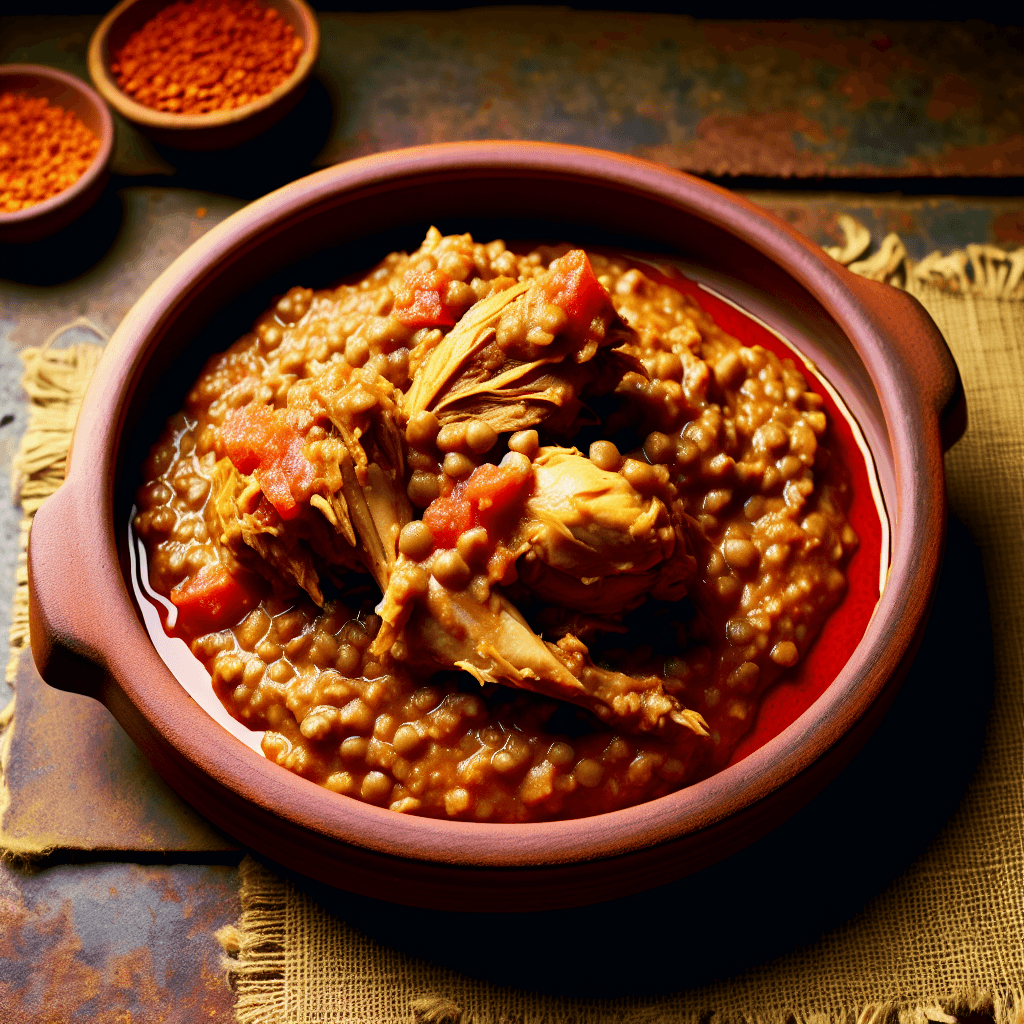
A flavorful Ethiopian lentil stew infused with spices.

A savory Ethiopian stir-fry with tender beef and spices.

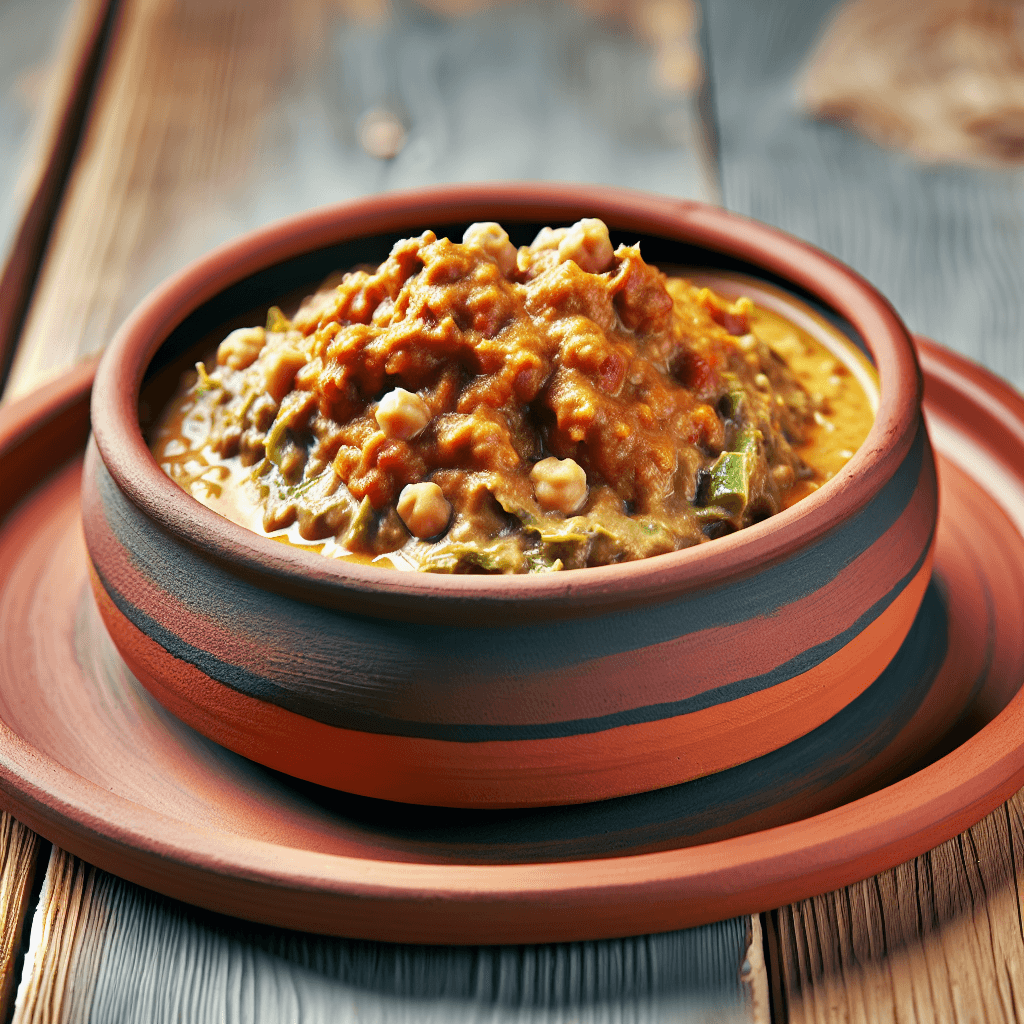
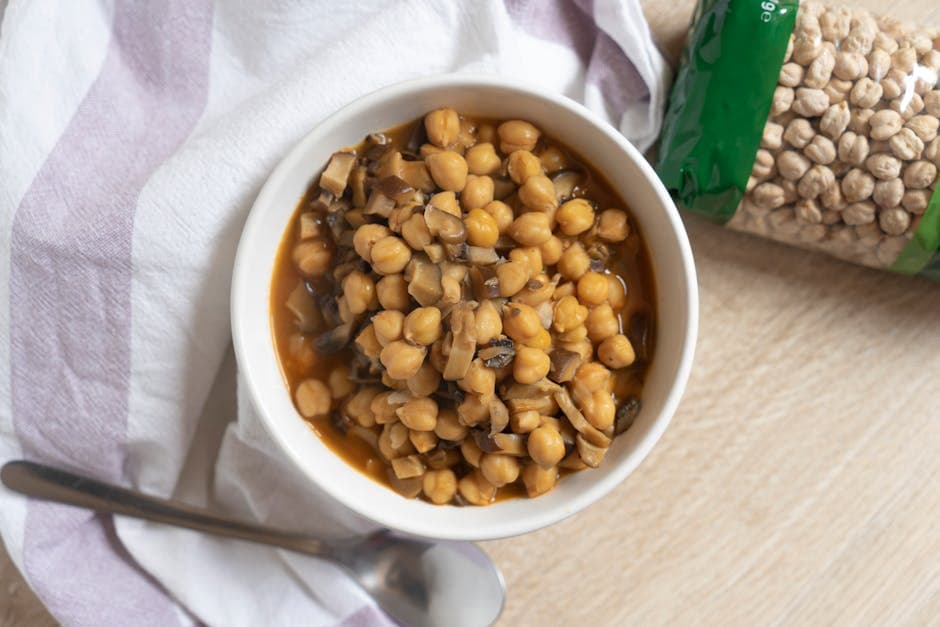
A creamy Ethiopian chickpea stew with earthy flavors.

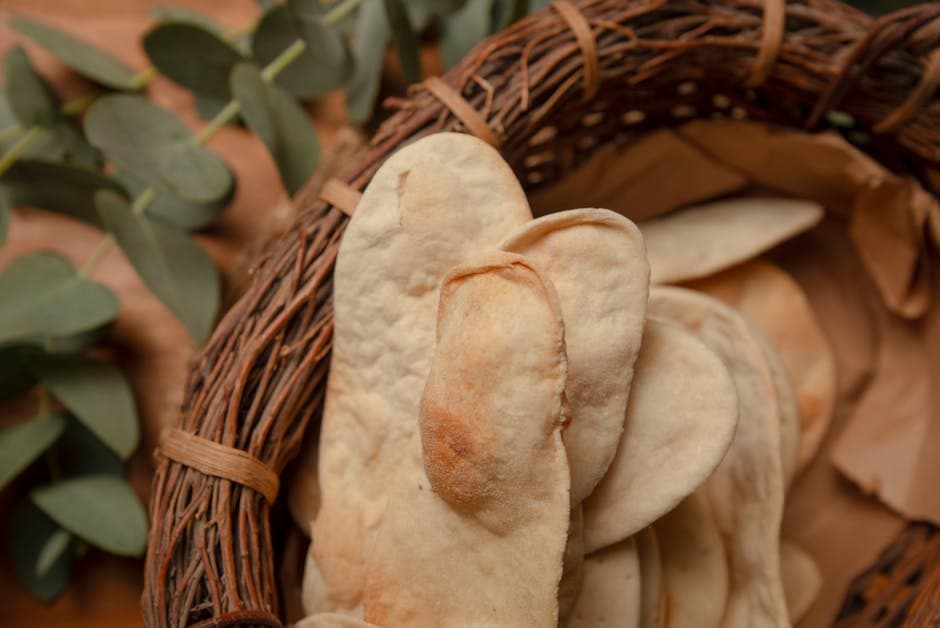
Ethiopia's tangy, spongy sourdough flatbread — the edible plate for all Ethiopian dishes.

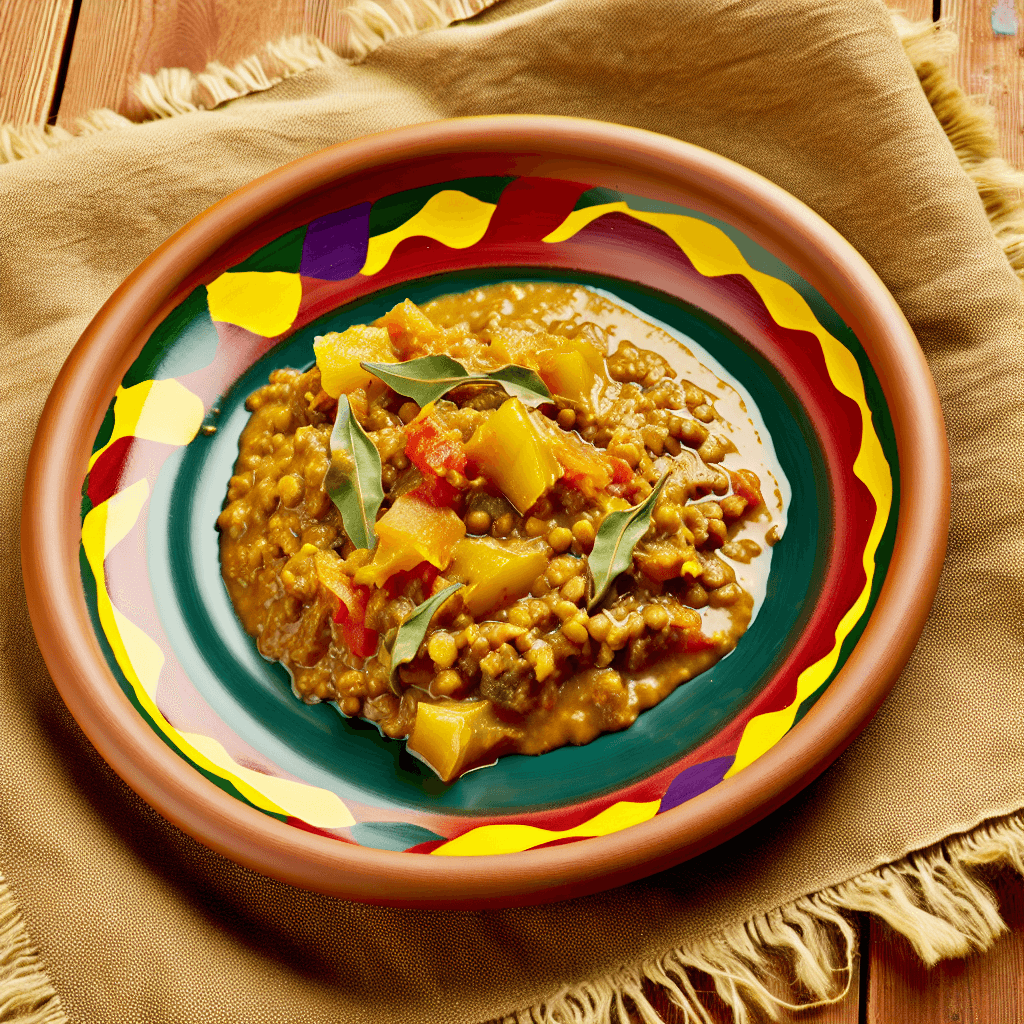
Spicy Ethiopian red lentil stew simmered in berbere spice — a cornerstone of Ethiopian cuisine.

Ethiopian steak tartare seasoned with mitmita spice and niter kibbeh (spiced butter) — a celebratory delicacy.

A smooth, creamy Ethiopian chickpea flour stew spiced with berbere — hearty, vegan, and deeply satisfying.

Ethiopian collard greens stewed with garlic and spiced butter.

Ethiopia's iconic spiced chicken stew with hard-boiled eggs, served on spongy injera flatbread for a communal feast.

Velvety Ethiopian spiced red lentils slow-cooked with berbere, niter kibbeh and aromatics — a cornerstone of the Ethiopian feast platter.

Sizzling Ethiopian sautéed lamb with caramelised onions, tomatoes and green chillies — a fast, fiery and deeply aromatic dish served on injera.

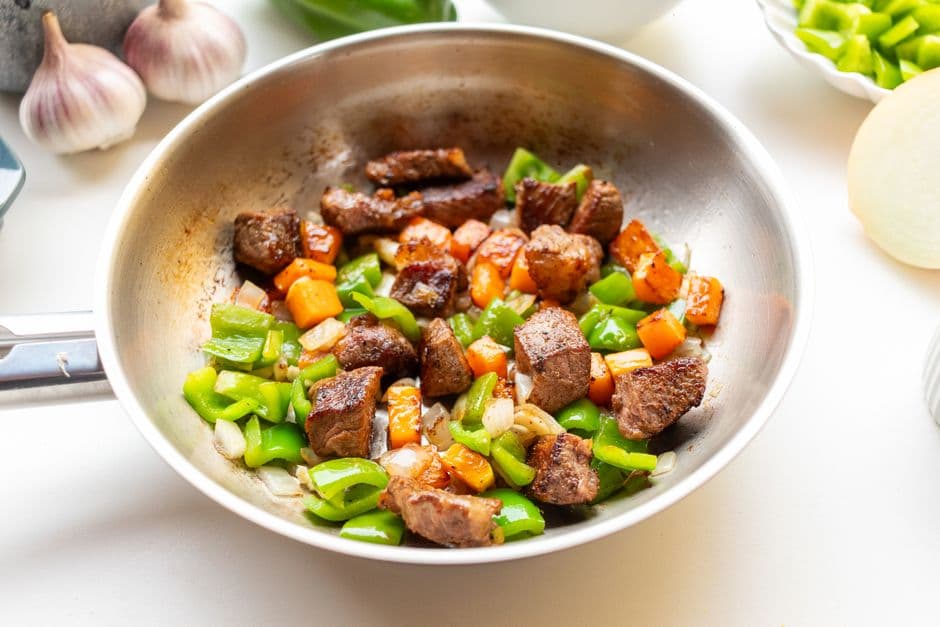
Tender beef cubes quickly sautéed with onion, jalapeño, rosemary and niter kibbeh spiced butter — Ethiopia's most popular restaurant dish, served on injera.

Large, spongy fermented teff flatbread with characteristic bubbles and a pleasantly sour flavour — Ethiopia's edible plate and daily bread.

Tender collard greens slowly cooked with onion, garlic, ginger and niter kibbeh until deeply flavoured and silky — an essential component of the Ethiopian spread.

Ethiopian sautéed meat with onions, peppers, and mitmita — quick-cooked and intensely flavoured, served on injera.

Ethiopian braised collard greens with garlic, ginger and niter kibbeh — the essential vegetable dish of any injera spread.

Ethiopian ground chickpea and spiced flour dip — velvety and addictive.

Ethiopian raw minced beef with spiced butter and cheese — a luxurious delicacy.

Ethiopian sautéed chicken with spiced butter, vegetables, and lime — a quick, bright dinner.

Ethiopian roasted lentil snack with spiced butter and garlic — crunchy, addictive finger food.

Ethiopian vegan red lentil stew with chili and spiced oil — comfort during fasting periods.

Ethiopian spiced clarified butter — the soul of Ethiopian cooking.

Ethiopian spongy fermented flatbread — the foundation of all Ethiopian meals.

Ethiopian mild split pea stew with turmeric and butter — comfort in a bowl.

Ethiopian sautéed beets with onions and spiced butter — sweet, earthy, vibrant.

Ethiopian fermented grain porridge with honey and butter — ancient breakfast of champions.

Ethiopian pan-seared lamb with vegetables and spiced butter — a quick, tender celebration.

Ethiopian fresh cheese curds with herbs and oil — simple, fresh, sharp.

Ethiopian hot chili powder blend — the fire condiment of Ethiopian cuisine.

Ethiopian chickpea paste with spiced butter and herbs — hearty, savory, luxurious.

Ethiopian vegan lentil and vegetable stew with spices — the fasting classic.

Ethiopian chicken and red lentil stew — rich, spiced, deeply warming.

Ethiopian mixed legume paste — extra protein, extra flavor.

Ethiopian sautéed red lentils with spices and vegetables — quick and deeply flavored.

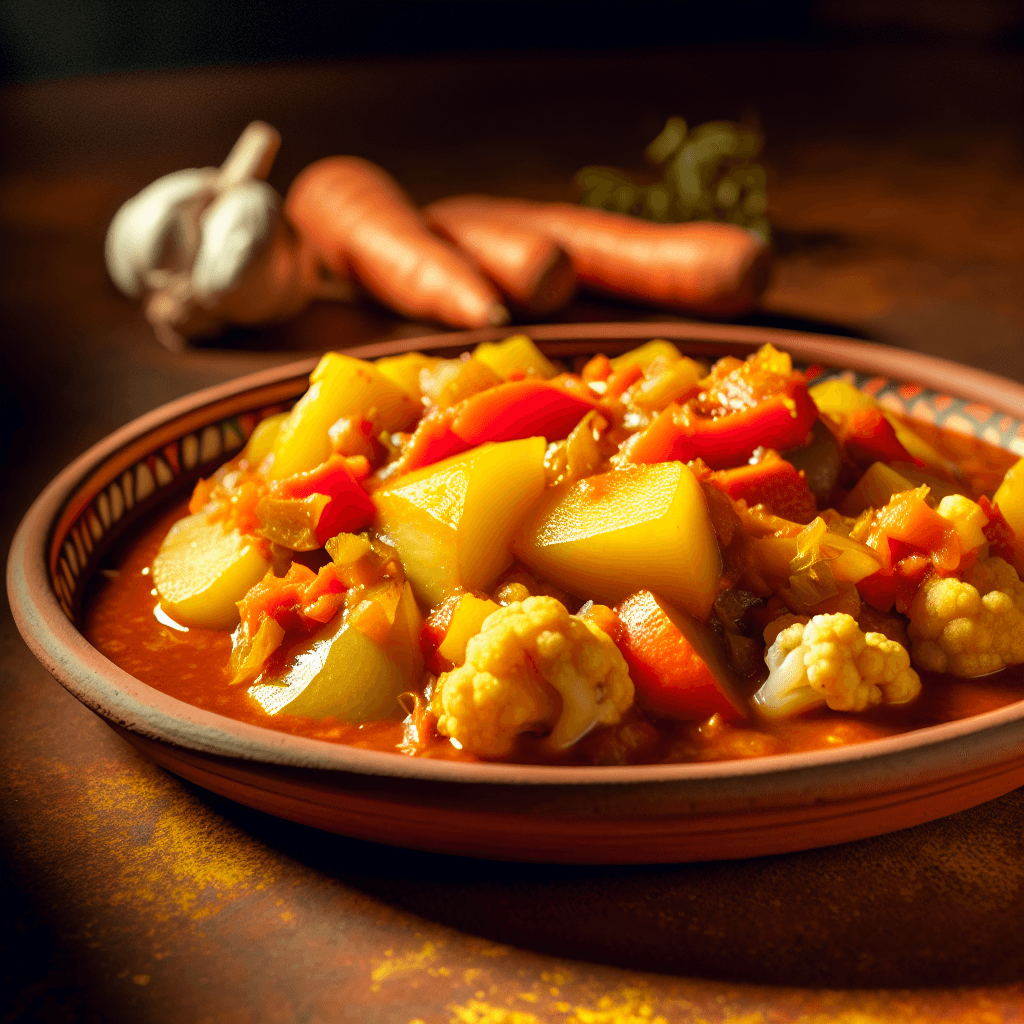
Ethiopian spiced vegetable and potato stew — hearty, warming, vegan-friendly.

Ethiopian teff sourdough flatbread — spongy, tangy, edible-plate companion to every stew.

Ethiopian sautéed chicken — chunks of marinated chicken stir-fried with onion, rosemary, niter kibbeh, and berbere over high heat.

Silky Eritrean stew of ground chickpea flour, berbere, and clarified butter — vegan-adaptable comfort food.

Ethiopia's everyday comfort food — chickpea or fava flour whisked into berbere-spiced onion oil to make a deeply flavored, silky vegan stew eaten with injera.

Ethiopia's celebratory minced raw beef warmed in spiced niter kibbeh butter with mitmita chili — served with injera, ayib cheese and gomen greens.

Cubes of beef seared hard with onion, garlic and the fiery red berbere spice blend, finished with niter kibbeh spiced butter — Ethiopia's beloved celebration dish for guests and Sundays.

Addis Berbere Lentil Rice Bowl brings ethiopian flavor into a practical home recipe with chicken thighs, berbere, niter kibbeh, lentils and ginger, and a finish of cilantro.

Harar Ginger Chicken Soup brings ethiopian flavor into a practical home recipe with white fish, berbere, niter kibbeh, lentils and ginger, and a finish of cilantro.

Tigray Chickpea Tomato Skillet Dinner brings ethiopian flavor into a practical home recipe with lamb mince, berbere, niter kibbeh, lentils and ginger, and a finish of cilantro.

Bahir Dar Spiced Fish Salad brings ethiopian flavor into a practical home recipe with roasted carrots, berbere, niter kibbeh, lentils and ginger, and a finish of cilantro.

Gondar Honey Teff Dessert brings ethiopian flavor into a practical home recipe with almonds, berbere, niter kibbeh, lentils and ginger, and a finish of cilantro.

Addis Lemon Herb Grain Bowl turns ethiopian pantry flavors into a complete grain bowl with salmon, berbere, niter kibbeh, lentils and ginger, and a fresh cilantro finish.

Harar Smoky Tomato Soup turns ethiopian pantry flavors into a complete soup with white fish, berbere, niter kibbeh, lentils and ginger, and a fresh cilantro finish.

Tigray Sesame Lime Stew turns ethiopian pantry flavors into a complete stew with chicken legs, berbere, niter kibbeh, lentils and ginger, and a fresh cilantro finish.

Bahir Dar Charred Pepper Noodles turns ethiopian pantry flavors into a complete noodle dish with wheat noodles, berbere, niter kibbeh, lentils and ginger, and a fresh cilantro finish.

Gondar Green Herb Salad turns ethiopian pantry flavors into a complete salad with grilled chicken, berbere, niter kibbeh, lentils and ginger, and a fresh cilantro finish.

Oromo Lemon Herb Flatbread turns ethiopian pantry flavors into a complete flatbread with flatbread dough, berbere, niter kibbeh, lentils and ginger, and a fresh cilantro finish.

Dire Dawa Smoky Tomato Traybake turns ethiopian pantry flavors into a complete traybake with sweet potatoes, berbere, niter kibbeh, lentils and ginger, and a fresh cilantro finish.

Awasa Sesame Lime Fritters turns ethiopian pantry flavors into a complete fritters with salted fish, berbere, niter kibbeh, lentils and ginger, and a fresh cilantro finish.

Lalibela Charred Pepper Breakfast Plate turns ethiopian pantry flavors into a complete breakfast plate with yogurt, berbere, niter kibbeh, lentils and ginger, and a fresh cilantro finish.

Afar Green Herb Dessert turns ethiopian pantry flavors into a complete dessert with coconut, berbere, niter kibbeh, lentils and ginger, and a fresh cilantro finish.
Ethiopian Market Lemon Herb Rice Bowl brings ethiopian flavor to a practical rice bowl built with chicken thighs, berbere, niter kibbeh, lentils and ginger, and a fresh cilantro finish.
Ethiopian Village Smoky Tomato Soup brings ethiopian flavor to a practical soup built with mushrooms, berbere, niter kibbeh, lentils and ginger, and a fresh cilantro finish.
Ethiopian Garden Sesame Lime Skillet brings ethiopian flavor to a practical skillet dinner built with cauliflower, berbere, niter kibbeh, lentils and ginger, and a fresh cilantro finish.
Ethiopian Harbor Charred Pepper Noodles brings ethiopian flavor to a practical noodle dish built with rice noodles, berbere, niter kibbeh, lentils and ginger, and a fresh cilantro finish.
Ethiopian Mountain Green Herb Salad brings ethiopian flavor to a practical salad built with grilled chicken, berbere, niter kibbeh, lentils and ginger, and a fresh cilantro finish.
Ethiopian Festival Lemon Herb Flatbread brings ethiopian flavor to a practical flatbread built with flatbread dough, berbere, niter kibbeh, lentils and ginger, and a fresh cilantro finish.
Ethiopian Homestyle Smoky Tomato Traybake brings ethiopian flavor to a practical traybake built with sweet potatoes, berbere, niter kibbeh, lentils and ginger, and a fresh cilantro finish.
Ethiopian Street Sesame Lime Fritters brings ethiopian flavor to a practical fritters built with salted fish, berbere, niter kibbeh, lentils and ginger, and a fresh cilantro finish.
Ethiopian Golden Charred Pepper Breakfast Plate brings ethiopian flavor to a practical breakfast plate built with beans, berbere, niter kibbeh, lentils and ginger, and a fresh cilantro finish.
Ethiopian Weeknight Green Herb Dessert brings ethiopian flavor to a practical dessert built with coconut, berbere, niter kibbeh, lentils and ginger, and a fresh cilantro finish.
Turmeric-spiced rice topped with berbere-spiced red lentils, a quick weekday adaptation of Ethiopian misir wot flavors.
A smooth, deeply spiced Ethiopian stew made from roasted chickpea flour, simmered with berbere until thick and richly flavored.
Chicken slow-braised in a deeply spiced berbere and onion sauce with hard-boiled eggs, widely considered Ethiopia's national dish.
Collard greens sauteed with onion, garlic and ginger until tender, a simple, fresh-tasting Ethiopian side served warm or at room temperature.
A spongy, slightly sour fermented flatbread made from teff flour, the essential base and utensil for nearly every Ethiopian meal.
Diced chicken sauteed hot and fast with onion, jalapeno and rosemary, a quicker, drier alternative to Ethiopia's slow-braised stews.
Crisp fried pastry triangles filled with spiced ground beef or lentils, an Ethiopian snack with roots tracing back along ancient trade routes.
Torn pieces of injera tossed with berbere sauce, onion and clarified butter, a satisfying way to use up day-old bread for breakfast.
A moist honey cake flavored with warm spices reminiscent of tej, Ethiopia's traditional honey wine, finished with a honey glaze.
Finely minced beef seasoned with mitmita spice and niter kibbeh, traditionally served raw but easily seared for a warm version.
Sauteed spiced beef strips rolled in injera with fresh vegetables, a portable take on Ethiopia's popular tibs dish for a quick lunch.
Thin strips of beef marinated in berbere and grilled until charred, served with sauteed rosemary and jalapeno, a beloved Ethiopian grill dish.
Bell peppers stuffed with berbere-spiced lentils and rice, baked until tender, a vegetarian Ethiopian-inspired dinner.
Cooked green lentils tossed with mustard, jalapeno and red onion in a lemon dressing, a bright, protein-rich Ethiopian cold salad.
Lamb slow-braised in a rich berbere sauce with a long-cooked onion base, a warming Ethiopian stew traditionally served over injera.
Cabbage, carrots and potato simmered with turmeric and gentle spices, a mild vegetable dish that balances Ethiopia's spicier fare.
Small, crunchy fried or baked wheat dough pieces seasoned with berbere and a touch of sugar, a popular Ethiopian snack and coffee accompaniment.
Turmeric-spiced rice cooked with carrots, green beans and a mild alicha-style seasoning, a gentle, aromatic Ethiopian one-pot dinner.
Crisp spiced lentil sambusas tucked into injera or flatbread with fresh vegetables, a portable take on Ethiopia's beloved fried pastry.
Finely minced raw or lightly warmed beef seasoned with mitmita spice and spiced clarified butter, a delicacy from Ethiopia's Gurage region.
A gentle, turmeric-tinted Ethiopian split pea stew, mild and comforting compared to its spicier berbere-based counterparts.
Soft scrambled eggs cooked with tomato, onion, jalapeno, and Ethiopian spices, a warmly seasoned breakfast dish served with injera.
A thick, mounded Ethiopian barley or wheat porridge served with a well of spiced niter kibbeh butter in the center, a hearty breakfast dish.
White fish simmered in a deeply spiced berbere and onion sauce, a hearty Ethiopian stew often eaten during fasting periods.
A flaky, layered Ethiopian flatbread often filled with egg and honey, pan-fried until golden, popular as a hearty breakfast or snack.
A refreshing Ethiopian salad of diced tomato, onion, and jalapeno dressed simply with lemon juice and olive oil, served alongside spicy wats.
Chicken slow-simmered in a deeply spiced berbere sauce with hard-boiled eggs, Ethiopia's most iconic and celebrated national dish.
A colorful Ethiopian vegetable stew of carrots, potatoes, green beans, and cabbage, gently sauteed with garlic and ginger, mildly spiced.
Small, crunchy fried wheat dough pieces seasoned with berbere or sugar, a popular Ethiopian snack eaten with coffee.
Torn spiced flatbread pieces tossed in berbere-infused niter kibbeh, an Ethiopian breakfast classic.
A hearty bowl of nutty teff grain topped with spiced red lentil stew and crispy fried herbs.
Firm white fish simmered in a berbere-spiced onion sauce, served over rice with fresh herbs.
Deeply spiced Ethiopian red lentil stew served over rice, brightened with a scatter of fresh mint.
Bell peppers filled with berbere-spiced ground beef and onions, baked until tender and fragrant.
Bone-in chicken baked in a rich berbere and onion sauce, finished with hard-boiled eggs and herbs.
A juicy beef burger seasoned with berbere and mitmita, topped with spiced butter and fresh mint.
A warm semolina pudding flavored with Ethiopian coffee and honey, dusted with cardamom.
A festive Ethiopian platter of spiced chicken stew, sauteed collard greens and injera flatbread.
Äthiopisches Essen ist bekannt für Injera – saures, schwammiges Teff-Fladenbrot, das sowohl als Teller als auch als Utensil dient – und die darauf servierten Eintöpfe (Wot), insbesondere mit Berbere gewürztes Doro-Wot-Hühnchen. Bemerkenswert ist auch die umfangreiche vegane Tradition aus orthodoxen Fastenpraktiken, gemeinsamem Handessen von einer gemeinsamen Platte und der Kaffeezeremonie, passend zum Herkunftsland des Kaffees.
Oft, aber nicht einheitlich. Rote Eintöpfe auf Berbere-Basis vermitteln echte Wärme und Mitmita (eine schärfere Mischung) begleitet Kitfo. Allerdings sind Alicha-Gerichte bewusst mild, mit Kurkuma und Ingwer statt Chili gewürzt, und eine Beyaynetu-Platte vereint beide Stile. Auch die saure Injera und die häufigen Hülsenfruchtgerichte mildern die Hitze, so dass die meisten Gaumen mit einer vollwertigen äthiopischen Mahlzeit zurechtkommen.
Mit der rechten Hand keine Utensilien. Eintöpfe und Salate werden direkt auf einer großen Runde Injera serviert, mit zusätzlichen Brötchen als Beilage. Reißen Sie ein Stück Injera ab, schneiden Sie daraus ein Stück Eintopf ab und essen Sie es. Einem Begleiter einen erlesenen Bissen – Gursha – zu geben, ist eine Geste der Zuneigung. Das darunter liegende, in Eintopf getränkte Injera wird zuletzt gegessen.
Misir Wot, rote Linsen, gekocht mit Berbere und der langsam reduzierten Zwiebelbasis, lehrt die Kern-Wot-Methode mit billigen Zutaten. Gomen (Grünkohl mit Knoblauch und Ingwer) und Shiro (Eintopf aus Kichererbsenmehl) folgen problemlos. Kaufen Sie Injera zunächst auf einem äthiopischen Markt – das Fermentieren und Braten von Teff-Teig ist eine Fähigkeit, die es wert ist, später erlernt zu werden. Doro wot ist der lohnende nächste Schritt.
Außergewöhnlich. Der äthiopisch-orthodoxe Kalender sieht etwa 200 Fastentage vor, an denen alle tierischen Produkte verboten sind, sodass die Küche ein komplettes veganes Repertoire und keine Adaptionen entwickelt hat: Shiro, Misir Wot, Kik Alicha Spalterbsen, Gomen Greens, Atkilt Wot Gemüse und Azifa Linsensalat. Wer „Fastenessen“ (yetsom beyaynetu) bestellt, bekommt in jedem äthiopischen Restaurant eine komplett vegane Kombinationsplatte.