
NeuAbendessen
Plov
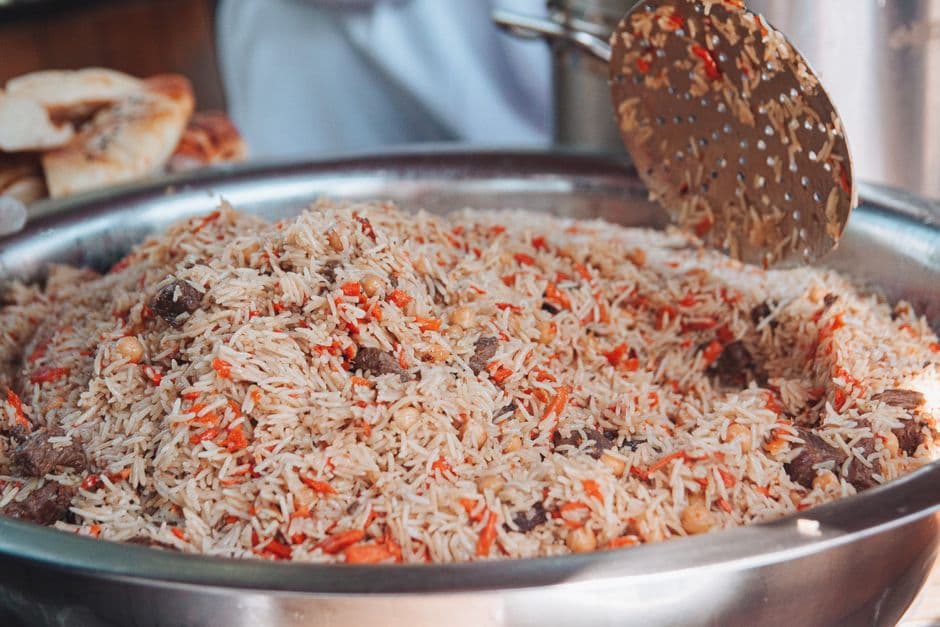
Usbekistans legendäres Reisgericht – Lamm, Möhren, Zwiebeln und würzige Brühe in einem Kazan zusammen gekocht, um Zentralasiens beliebtestes Gericht zu schaffen.
115 Min680 kcalMittel
★4.9(654)
Plov, Samsa, Lagman – herzhafte Seidenstraßenküche aus dem Herzen Zentralasiens.
Weitere Rezepte rund um dieselben Hauptzutaten.
Behalten Sie im Blick, was Sie essen
Fotografieren Sie Ihre Mahlzeit, um Kalorien und Makros zu erfassen, nutzen Sie Fasten-Timer und tracken Sie Ihr Wasser – in der kostenlosen SnapCal-App.
Planen Sie Ihre Mahlzeiten, verfolgen Sie Ihr Fasten und erstellen Sie Ihre Einkaufsliste — kostenlos
Das MyCookingCalendar-Dashboard läuft direkt in Ihrem Browser, kein Download nötig.
Usbekistans legendäres Reisgericht – Lamm, Möhren, Zwiebeln und würzige Brühe in einem Kazan zusammen gekocht, um Zentralasiens beliebtestes Gericht zu schaffen.

Eine klare, goldene Lammbrühe mit Kichererbsen, Kartoffel, Karotte, Zwiebel und frischen Kräutern — Zentralasiens am meisten geliebte und nährende Suppe.
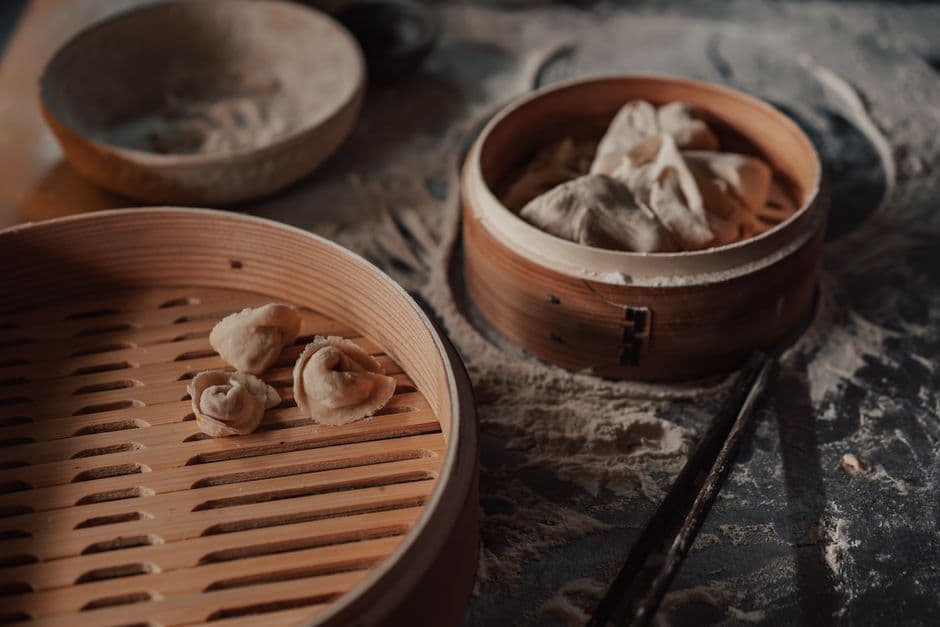
Großzügig bemessene gedämpfte Dumplings gefüllt mit würzigem Lamm, Zwiebel und Kürbis, mit Sauerrahm und Kräutersauce serviert — das königliche Gericht der zentralasiatischen Küche.

Ein no-stir usbekischer Eintopf aus geschichteten Lamm, Kartoffel, Karotte, Zwiebel und Kräutern gekapselt fest und langsam gekocht in ihrem eigenen Dampf — täuschend einfach und tiefprägt würzig.
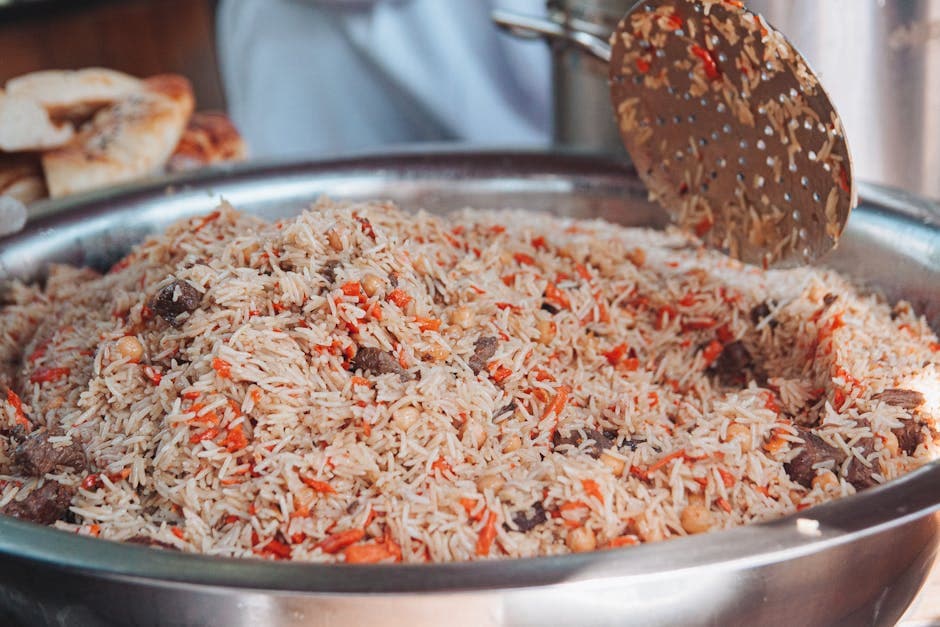
Das alte Reisgericht aus Samarkand — Lamm und Reis in einem Kazan mit den charakteristischen trockenen, separaten Körnern des usbekischen Plov, duftend nach Kreuzkümmel und mit ganzen Knoblauch und Quitte belegt.
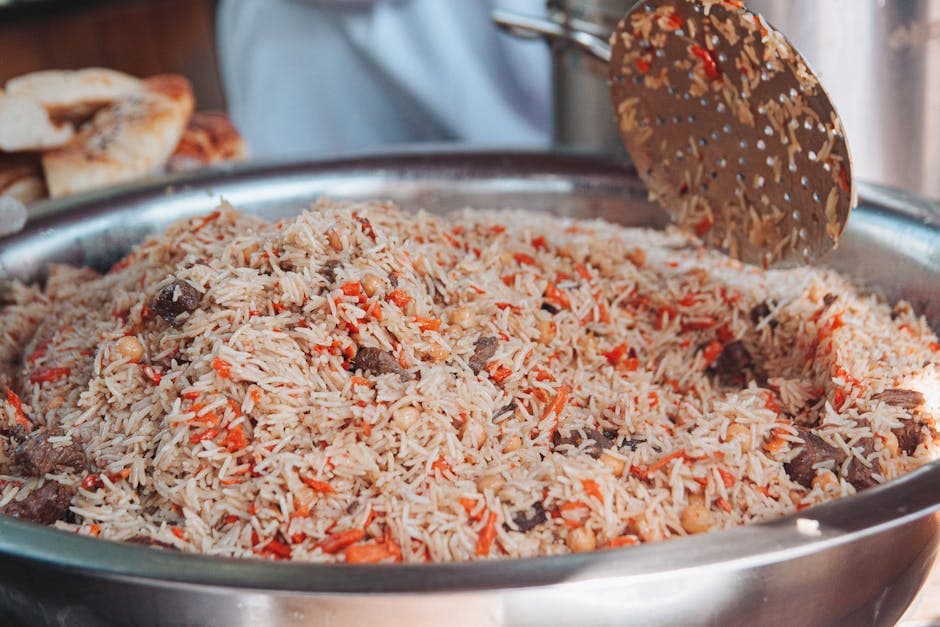
Usbekische gebratene Lammkuchen aus dem Tandoor — flockige dreieckige Kuchen gefüllt mit würzigem Lamm und Zwiebel, im Lehmoven gebacken, bis die Außenseite splittert und die Innenseite zischt.
Usbekistans nomadisches Nudel-Gericht — hand-geschnittene Nudeln serviert mit gekochtem Pferde- oder Lammfleisch in einer klaren, aromatischen Brühe, garniert mit goldenen gebratenen Zwiebeln.

Zentralasiens großartige Lamm- und Gemüse-Suppe — reich, aromatisch und tiefnahrhaft.

Winzige usbekische Knödel gefüllt mit Lamm und Zwiebel, serviert in einer klaren Brühe oder Joghurt — Zentralasiens Wohlfühlfood.

Usbekische Reis-Suppe mit zartem Lamm, Tomaten und Kichererbsen — ein leichter, brühigerer Vetter von Plov.

Reiches, buttriges usbekisches Grieß-Halva duftend nach Butter und Vanille — ein Feier-Süße wie keine andere.

Usbekischer geschichteter Eintopf aus Lamm, Gemüse und Kräutern, komplett versiegelt gekocht — kein Wasser hinzugefügt, nur natürlicher Dampf.
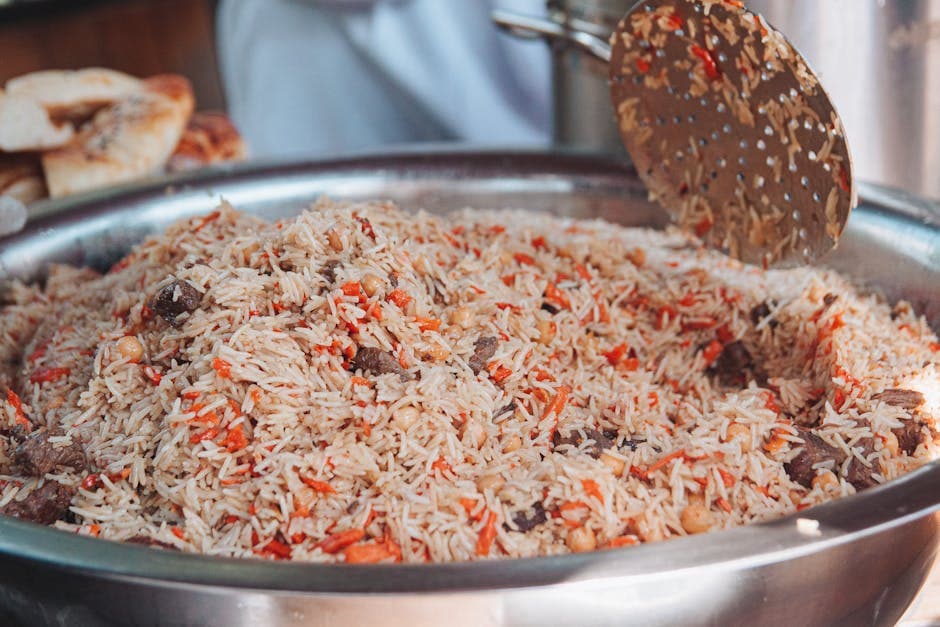
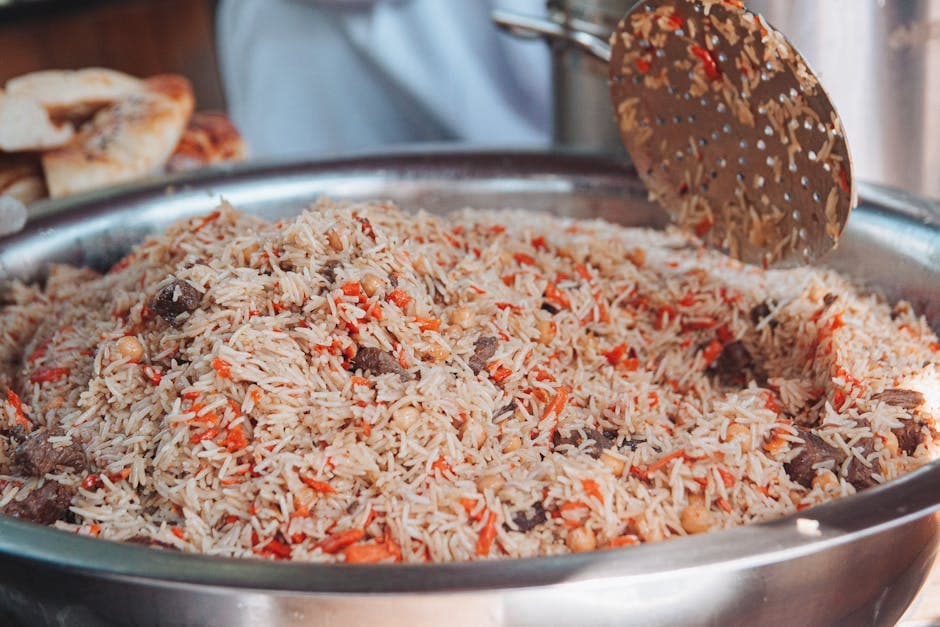
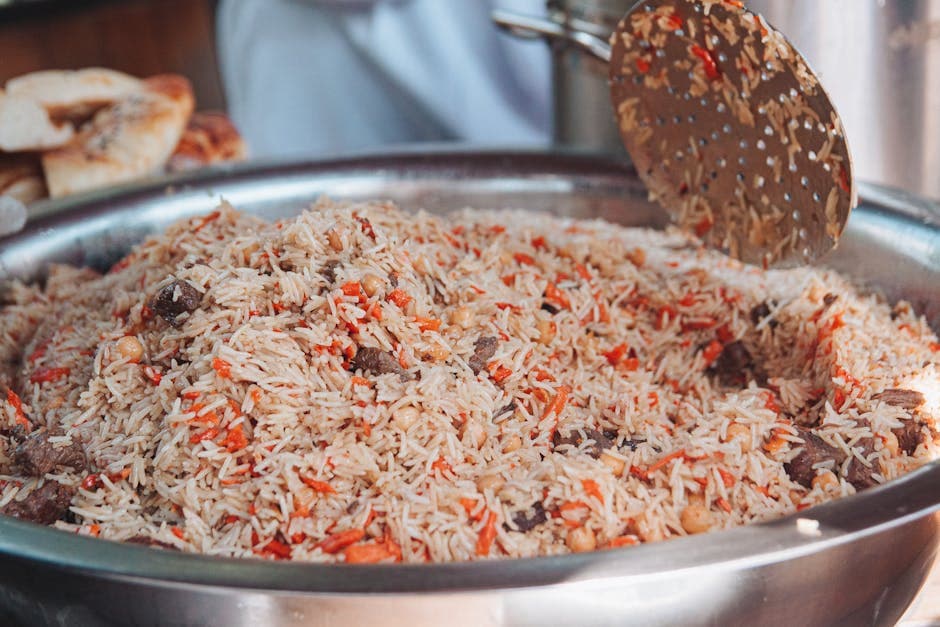
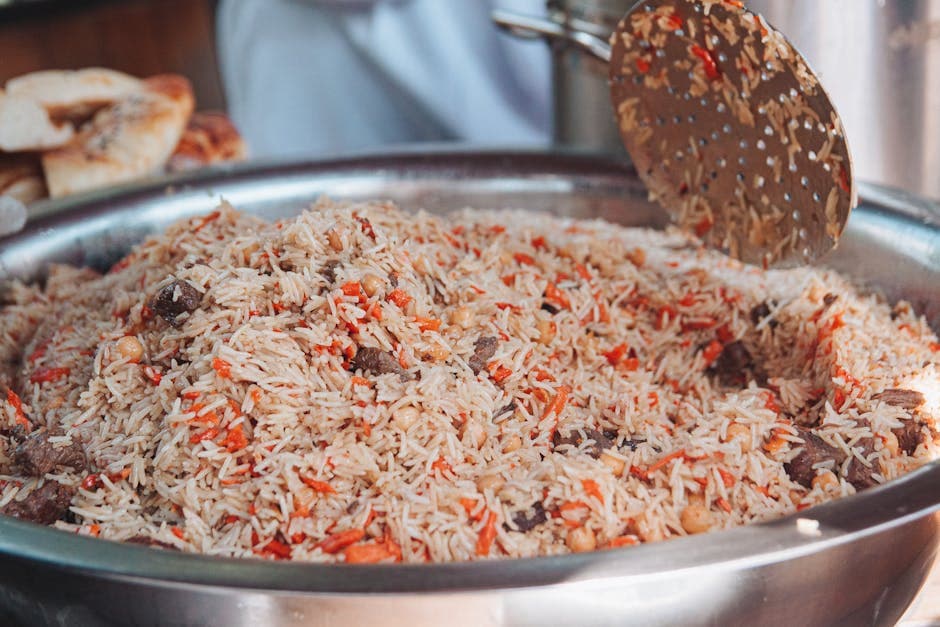
Zentralasiens größtes Reisgericht — Lamm, Karotte und Zwiebel zusammen in einem großen gusseisernen Kazan gekocht, dann mit Reis bedeckt und im Fleischsaft gedämpft. Das Nationalgericht Usbekistans, bei jeder Feier gegessen.
Herzhafte usbekische Lamm- und Gemüsesuppe — eine langsam köchelnde Brühe mit ganzen Gemüsen und zartem Lamm mit Knochen.

Blätterig gebacene Pasteten gefüllt mit würzigem Lamm und Zwiebel — die zentralasiatische Antwort auf die Samosa.
Usbekischer geschichteter Lamm- und Gemüse-Auflauf im eigenen Saft gedünstet — ein einfaches Ein-Topf-Festmahl.

Gedämpfte Knödel gefüllt mit würzigem Lamm und Zwiebel — die usbekische Antwort auf chinesisches Dim Sum, bei jeder Feier gegessen.
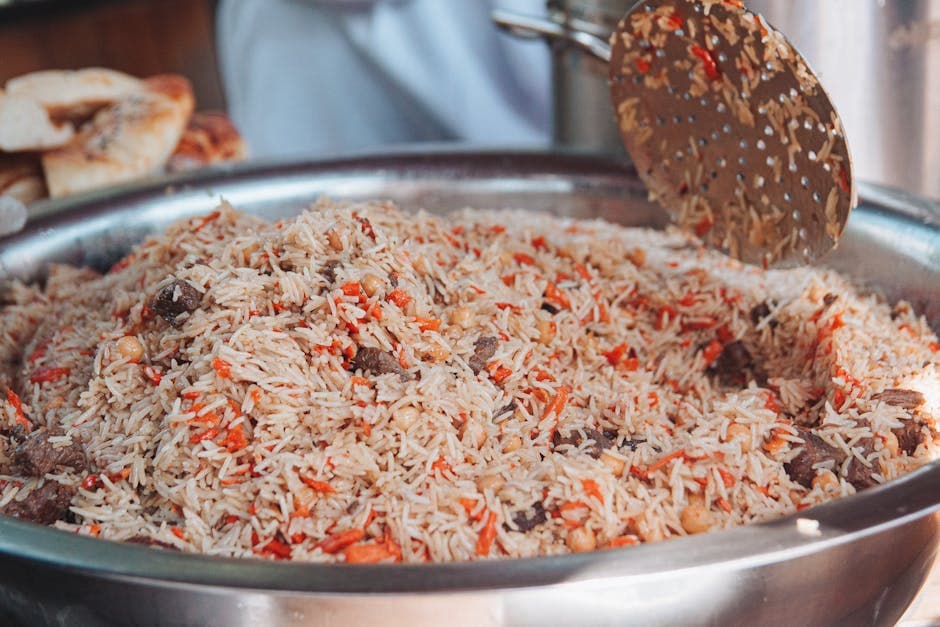
Usbekische handgeschnittene Nudeln mit Pferdefleisch und Brühe — ein Fest-Gericht serviert bei Hochzeiten und Navruz.
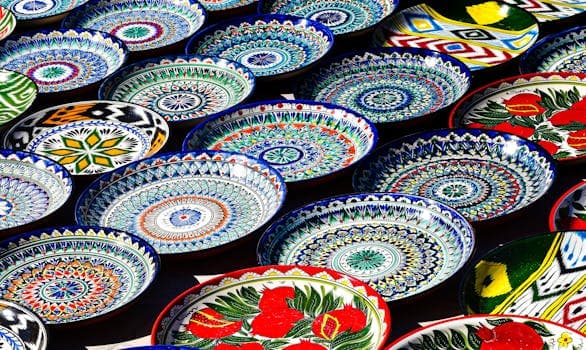
Usbekistans herzhaftes Nudelgericht mit handgezogenen Weizennudeln in einer reichhaltigen Lamm-Gemüse-Brühe mit Kreuzkümmel und Gemüsepaprika.
Usbekistans Nationalgericht für Reis - Lamm, Karotten und Reis in einem einzigen Kazan langsam gekocht, bis jedes Korn mit goldener Fett glänzt.
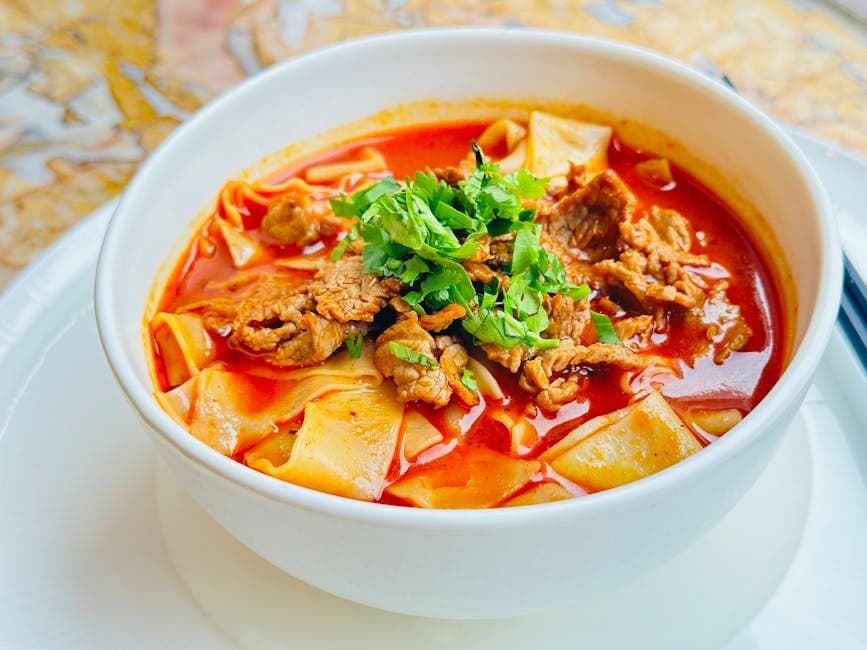
Usbekistans handgezogene Weizennudeln in einer tief gewürzten Lamm-und-Gemüse-Suppe — das ikonischste Nudelgericht der Seidenstraße.
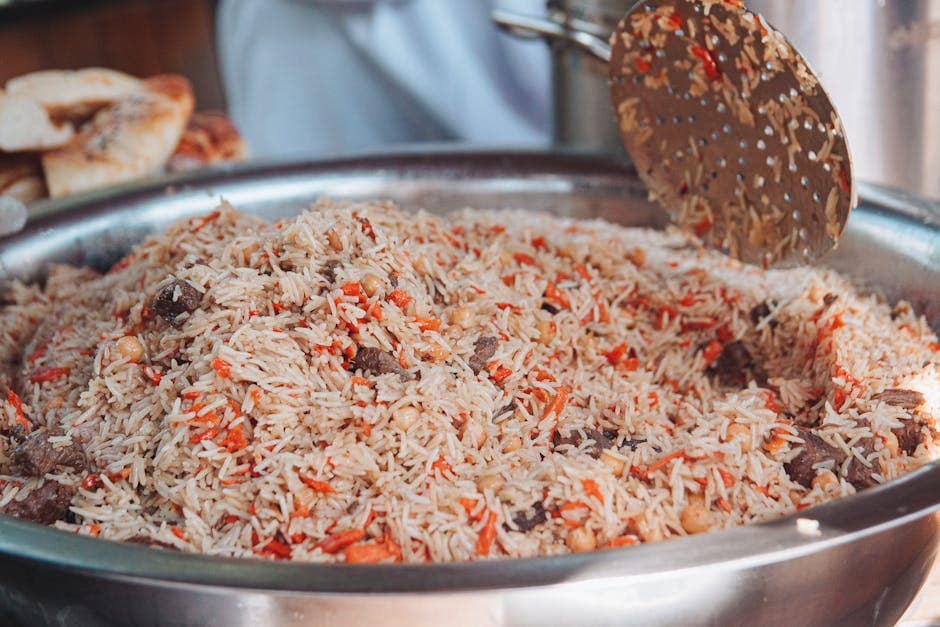
Usbekistans Nationalgericht - Lammfleisch, Karotten, Kreuzkümmel und Reis in einem einzigen tiefen Kessel gekocht, bis jedes Körn mit würziger Fett glänzt und das Fleisch auseinanderfällt.
Die Zitronen-Kräuter-Reisschüssel von Uzbek Market verleiht einer praktischen Reisschüssel mit Hähnchenschenkeln, Kreuzkümmel, Karotten, Lammfleisch und Zwiebeln sowie einem frischen Dill-Finish usbekischen Geschmack.
Die rauchige Tomatensuppe aus dem Dorf Usbekistan verleiht einer praktischen Suppe mit Pilzen, Kreuzkümmel, Karotten, Lamm und Zwiebeln sowie einem frischen Dill-Finish usbekischen Geschmack.
Die Usbek Garden Sesam-Limetten-Pfanne verleiht einem praktischen Pfannengericht mit Blumenkohl, Kreuzkümmel, Karotten, Lammfleisch und Zwiebeln sowie einem frischen Dill-Finish usbekischen Geschmack.
Uzbek Harbor Charred Pepper Noodles verleihen einem praktischen Nudelgericht aus Reisnudeln, Kreuzkümmel, Karotten, Lammfleisch und Zwiebeln sowie einem frischen Dill-Finish usbekischen Geschmack.
Der usbekische grüne Bergkräutersalat verleiht einem praktischen Salat aus gegrilltem Hähnchen, Kreuzkümmel, Karotten, Lammfleisch und Zwiebeln sowie einem frischen Dill-Finish usbekischen Geschmack.
Usbekisches Festival-Zitronen-Kräuter-Fladenbrot verleiht einem praktischen Fladenbrot aus Fladenbrotteig, Kreuzkümmel, Karotten, Lammfleisch und Zwiebeln sowie einem frischen Dill-Finish usbekischen Geschmack.
Usbekischer Homestyle Smoky Tomato Traybake verleiht einem praktischen Traybake mit Süßkartoffeln, Kreuzkümmel, Karotten, Lammfleisch und Zwiebeln sowie einem frischen Dill-Finish usbekischen Geschmack.
Die Usbek Street Sesam-Limetten-Krapfen verleihen einem praktischen Krapfen aus gesalzenem Fisch, Kreuzkümmel, Karotten, Lammfleisch und Zwiebeln sowie einem frischen Dill-Finish usbekischen Geschmack.
Der usbekische Frühstücksteller mit goldenem verkohltem Pfeffer bringt usbekischen Geschmack auf einen praktischen Frühstücksteller mit Bohnen, Kreuzkümmel, Karotten, Lammfleisch und Zwiebeln sowie einem frischen Dill-Finish.
Das usbekische Weeknight-Dessert mit grünen Kräutern verleiht einem praktischen Dessert aus Kokosnuss, Kreuzkümmel, Karotten, Lammfleisch und Zwiebeln sowie einem frischen Dill-Finish usbekischen Geschmack.
In einem einzigen Topf gekochter Reis auf karamellisierten Karotten und gebräuntem Lammfleisch, gewürzt mit Kreuzkümmel, ein Gericht, das als Nationalschatz Usbekistans gilt.
Blätterteig-Dreiecke aus Blätterteig, gefüllt mit gewürztem Lammhackfleisch und Zwiebeln, im Tandoor-Ofen gebacken, bis sie tiefgolden sind.
Große gedämpfte Teigtaschen gefüllt mit fettem Lammhackfleisch, Zwiebeln und Kürbis, serviert mit einem Klecks Joghurt und Butter.
Eine herzhafte, klare Lammbrühe, gekocht mit stückigem Gemüse wie Kartoffeln, Karotten und Paprika, ein wohltuendes zentralasiatisches Grundnahrungsmittel.
Ein rundes, zähes Fladenbrot mit geprägter, dekorativer Mitte und aufgeblähten, blasigen Rändern, das traditionell an den Wänden eines heißen Tandoor-Ofens geklebt gebacken wird.
Dünne handgeschnittene Nudeln mit fein geschnittenem gekochtem Fleisch und Zwiebeln, ein charakteristisches kaltes Gericht, das traditionell bei usbekischen Festen serviert wird.
Kleine Teigtaschen, gefüllt mit gewürztem Hackfleisch, gekocht in einer klaren Brühe und serviert mit einem Klecks Sauerrahm und frischem Dill.
Lammfleisch, Kartoffeln, Karotten und Kohl werden in einem schweren Topf geschichtet und im eigenen Saft ohne Zusatz von Wasser gegart, was zu tief konzentrierten Aromen führt.
Eine dichte, saftige Süßigkeit aus geröstetem Mehl, gebunden mit heißem Zucker- und Buttersirup, gespickt mit Nüssen, einem traditionellen usbekischen Konfekt.
Lamm- und Kartoffelstücke, langsam in einem schweren Kessel gebraten, bis sie tief gebräunt und zart sind, ein herzhafter, rustikaler usbekischer Favorit.
Dünn geschnittene Tomaten und Zwiebeln mit frischen Kräutern und einem leichten Dressing, ein einfaches, erfrischendes Gegenstück zu reichhaltigen usbekischen Hauptgerichten.
Gewürfeltes Lammfleisch, in der Pfanne mit Zwiebeln, Kartoffeln und Paprika gebraten, bis es tief gebräunt ist, ein rustikales, herzhaftes usbekisches Pfannengericht.
Dünne Teigtaschen, gefüllt mit einer rohen Ei-Butter-Mischung, knusprig frittiert, sodass ein weicher, puddingartiger Innenraum entsteht.
Eine herzhafte Suppe mit Tomatengeschmack aus Reis, Gemüse und Fleisch, ähnlich einer leichteren, suppigeren Variante von Plov.
Kleine frittierte Teigstücke, mit warmem Honigsirup überzogen und zu einer hügeligen, klebrigen, festlichen Form gepresst, eine beliebte zentralasiatische Süßigkeit.
Blätterteiggebäck gefüllt mit einer leuchtend grünen Mischung aus frischen Kräutern und Zwiebeln, eine leichtere, vegetarische Variante von Fleisch-Samsa.
Ein ganzes Hähnchen, mariniert in Joghurt und Gewürzen, traditionell im Tandoor-Ofen gebraten, bis die Haut tief golden und knusprig wird.
Reis, gekocht mit fein gehackter Leber und einer großzügigen Menge frischer Kräuter, verleiht dem Gericht eine unverwechselbare tiefgrüne Farbe, eine jüdisch-usbekische Spezialität aus Buchara.
In einem schweren Kazan-Topf langsam gegarter Reis mit Lammfleisch, gebräunten Zwiebeln, Bergen von Karotten und Rosinen, Usbekistans ikonischem Nationalgericht, Plov.
Warmes, im Tandoor gebackenes, nicht zerrissenes Brot und gefüllt mit dicker Kaymak-Creme, ein einfaches, beliebtes usbekisches Frühstückssandwich, das mit heißem Tee genossen wird.
Von Hand geformte Lammfleischbällchen, gekocht in einer würzigen Tomatenbrühe, ein usbekisches Hausmannskostgericht, das die Aromen des beliebten Dimlama-Eintopfs des Landes widerspiegelt.
Mungobohnen und Reis werden zu einem weichen, herzhaften Brei mit gebratenen Zwiebeln und Kreuzkümmel gekocht, ein wohltuendes usbekisches Gericht, das traditionell während Krankheit oder Fasten gegessen wird.
Dünne Teigtaschen gefüllt mit Rührei, Kräutern und einem Hauch Käse, gefaltet und knusprig frittiert, ein herzhaftes usbekisches Snackgebäck.
Ein langsam köchelnder, natürlich süßer Pudding, der vollständig aus gekeimtem Weizen besteht und traditionell über Nacht von der Gemeinde zur Feier von Navruz gekocht wird.
Ganze Karpfen gefüllt mit Zwiebeln und Dill, mit Kreuzkümmel eingerieben und zart gebacken, eine herzhafte usbekische Zubereitung für die Süßwasserfische, die in den Flüssen und Seen des Landes vorkommen.
Blätterteigdreiecke aus Blätterteig, gefüllt mit gewürztem Lammhackfleisch und Zwiebeln, im Tandoor-Ofen tiefgolden gebacken, Usbekistans beliebtes Somsa.
Dünn geschnittene Tomaten und Zwiebeln, vermengt mit frischen Kräutern und einem Hauch Essig, der einfache, allgegenwärtige usbekische Salat, der zu Plov und gegrilltem Fleisch serviert wird.
Kleine, mit Fleisch gefüllte Teigtaschen, gekocht in einer klaren, gewürzten Brühe, Usbekistans beliebte Tschutschwara-Suppe, oft serviert mit einem Klecks Joghurt oder Essig.
Ein ganzes Hähnchen, gebraten mit einer Kreuzkümmel-Gewürzmischung und begossen mit einer würzigen Tomatenglasur, die den charakteristischen Geschmack von Plov in einen einfachen Familienbraten bringt.
Schichten aus Fleisch, Kartoffeln, Karotten, Kohl und Tomaten, langsam ohne Zugabe von Flüssigkeit gegart, bis sie schmelzend zart sind, der beliebte usbekische Eintopf namens Dimlama.
Kleine frittierte Teigstücke, überzogen mit warmem Honigsirup und zusammengepresst mit Sesamkörnern, dem feierlichen usbekischen und zentralasiatischen süßen Chak-Chak.
Flauschige Pfannkuchen nach usbekischer Art, hergestellt aus gebackener fermentierter Milch, schwarzem Pfeffer und einem Hauch Honig, goldbraun in der Pfanne gebraten.
Eine duftende Reisschüssel nach usbekischer Art mit süßem Paprika, karamellisierten Karotten und Kreuzkümmel, die an die Aromen des klassischen Plov erinnert.
Ein duftendes, usbekisch inspiriertes Reisgericht mit Garnelen, abgerundet mit einer kühlenden Kräuterjoghurtsauce (nach Katyk-Art) als Beilage.
Eine wohltuende usbekische Schüssel im Mungobohnen-Reisbrei-Stil, gewürzt mit Kreuzkümmel, schwarzem Pfeffer und karamellisierten Zwiebeln.
Paprika nach usbekischer Art, gefüllt mit Gewürzreis und Lammfleisch, gekocht in einer leicht süßen Paprika-Tomaten-Brühe.
Ein geschichteter, usbekisch inspirierter gebackener Auflauf aus Reis, gewürztem Rindfleisch und einer Knoblauch-Kräuter-Joghurt-Sauce, gebacken, bis sich Blasen bilden.
Ein saftiges usbekisch gewürztes Rindfleischpastetchen, gewürzt mit Kreuzkümmel, schwarzem Pfeffer und Zwiebeln, serviert im Burger-Stil mit einer Knoblauch-Joghurt-Sauce.
Ein dichtes, zähes Dessert, inspiriert von zentralasiatischen Sujukh-Nussbonbons, eingelegt in einem Laib im Pudding-Stil mit Honig und Walnüssen.
Ein festlicher usbekischer Plov-Festtagsteller mit zartem Lammfleisch, karamellisierten Zwiebeln, safranfarbenem Reis und Trockenfrüchten.
Die usbekische Küche entstand entlang der Seidenstraße und versorgte Karawanen in Samarkand, Buchara und im Fergana-Tal. Ihr Herzstück ist Plov (Osch) – in einem gusseisernen Kessel gekochter Reis mit Lammfleisch, gelben Karotten, Zwiebeln, Kreuzkümmel und ganzen Knoblauchzehen, geschichtet und nie gerührt. Plov ist so kodifiziert, dass jede Stadt ihren eigenen Kanon beansprucht, Meisterköche namens Oshpaz bereiten es zu Hunderten für Hochzeiten zu und die UNESCO zählt es zum Kulturerbe.
Neben Plov konzentriert sich das Repertoire auf Lammfett (Dumba, vom Fettschwanzschaf), handgezogene Nudeln und Tandyr-Öfen. Lagman-Nudeln kamen mit dunganischen und uigurischen Köchen auf den Markt und wurden in Suppen- oder frittierter Form (Kovurma) zu einem nationalen Grundnahrungsmittel. Samsa – Blätterteiggebäck aus Lamm und Zwiebeln – wird wie der herzhafte Cousin des indischen Naan an Tandyr-Wänden geklebt; Manti, große gedämpfte Teigtaschen aus handgehacktem Lammfleisch und Zwiebeln, werden mit Suzma-Joghurt gegessen.
Hausmannskost ist saisonal und brottreu: Non, das gestempelte runde Tandyr-Brot, wird niemals mit der Vorderseite nach unten gelegt oder mit einem Messer geschnitten, sondern nur zerrissen. Die Mahlzeiten werden mit Chai, Melone und Salaten wie Achichuk (Tomate, Zwiebel, Chili) eröffnet, und der Kazan erledigt die meiste Arbeit – im selben Topf werden Plov, Shurpa (Lamm-Gemüse-Suppe) und Dimlama, der geschichtete Fleisch-Gemüse-Dampfschmorbraten des Spätsommers, zubereitet.
Plov (osh)
Reis geschichtet mit Lammfleisch, gelben Karotten, Kreuzkümmel und ganzem Knoblauch in einem Kazan; Jede Region – Samarkand, Taschkent, Fergana – hat ihre eigene kanonische Version.
Der Kasan
Ein schwerer gusseiserner Kessel, der für Plov, Shurpa und Dimlama verwendet wird; Seine Wärmespeicherung definiert die usbekische Schicht- und Dämpftechnik.
Tandyrbrot und Samsa
Gestempelte Fladenbrote und flockiges Lamm-Zwiebel-Samsa-Gebäck, das an den Wänden eines Lehm-Tandyr-Ofens gebacken wird.
Handgemachte Nudeln und Knödel
Lagman-Pull-Nudeln in Suppen- oder frittierter Form, dazu gedämpfte Manti und kleine gekochte Chuchvara-Knödel.
Lamm- und Dumbafett
Fettschwanzschafe liefern das Fleisch und das ausgeschmolzene Schwanzfett, die den Geschmack von Plov, Samsa und Kebabs (Schaschlik) ausmachen.
Tee- und Melonenkultur
Grüner Tee, serviert in Piala-Schalen, und die berühmten süßen usbekischen Melonen runden jede Mahlzeit vom Anfang bis zum Ende ab.
Die usbekische Küche ist bekannt für Plov – Reis, der mit Lammfleisch, gelben Karotten und Kreuzkümmel in einem gusseisernen Kasan gekocht wird – zusammen mit handgezogenen Lagman-Nudeln, gedämpften Manti-Knödeln, im Tandyr gebackenen Samsa-Gebäck und Non-Brot sowie Schaschlikspießen. Es ist die berühmteste Esskultur Zentralasiens, geprägt vom Handel über die Seidenstraße über Samarkand und Buchara.
Usbekischer Plov wird in streng ungerührten Schichten in einem Kasan hergestellt: ausgeschmolzenes Lammfett, dann Fleisch, Zwiebeln und eine dicke Schicht julienierter gelber Karotten, darauf Reis und Wasser. Ganze Knoblauchzehen und Kreuzkümmel würzen es und es wird erst beim Servieren vermischt. Persisches Polo betont die knusprige Tahdig-Kruste und die Kräuter; Indisches Pulao und Biryani verwenden weitaus mehr Gewürze und Basmatireis.
Nein. Die usbekische Küche ist eher herzhaft und reichhaltig als scharf und wird hauptsächlich mit Kreuzkümmel (Zira), schwarzem Pfeffer, Koriandersamen und Berberitzen gewürzt. Frisches Chili kommt im Achichuk-Salat vor und Lagman kann ein Chili-Knoblauch-Gewürz (Laza) zu sich nehmen, was den uigurischen Einfluss widerspiegelt, aber Schärfe ist immer optional. Reichhaltig ist es durch Lamm- und Dumba-Schwanzfett, ausgeglichen durch grünen Tee, Salate und Joghurt.
Beginnen Sie mit einem hausgemachten Plov in einem Schmortopf: Braten Sie Lamm- oder Rindfleisch in Öl an, fügen Sie Zwiebeln und eine großzügige Schicht Karottenstäbchen hinzu, würzen Sie mit Kreuzkümmel, legen Sie eine Knoblauchzehe hinein, fügen Sie dann Reis und Wasser hinzu und dämpfen Sie es ungestört. Es vermittelt die Grundschichttechnik. Shurpa, die Lamm-Gemüse-Suppe, ist noch einfacher – einfach langsam köcheln lassen.
Das Wesentliche ist mittelkörniger Reis (Devzira ist traditionell; Calrose funktioniert), Lamm- oder Rindfleisch, viele Karotten und Zwiebeln, ganze Kreuzkümmelsamen, Koriander, schwarzer Pfeffer und getrocknete Berberitzen für Plov. Ein schwerer Schmortopf ersetzt den Kazan. Für ein breiteres Repertoire fügen Sie Mehl für Nudeln und Knödel, Naturjoghurt (wie Suzma) und Lammfett oder ein neutrales Öl hinzu.
Rechner und Umrechner, die zu dieser Seite passen — ohne Anmeldung.
Rezept-Umrechner
Halbieren oder verdoppeln Sie jede Menge in diesem Rezept – ganz ohne Kopfrechnen.
Maßeinheiten-Umrechner
Rechnen Sie Cups, Gramm, Unzen und Milliliter in beide Richtungen um.
Heißluftfritteusen-Umrechner
Rechnen Sie Backofenzeit und -temperatur in Einstellungen für die Heißluftfritteuse um.