
NeuAbendessen
Stamppot Boerenkool
Hollands ultimativer Winter-Komfort-Speisen — cremiges Kartoffelpüree verquickt mit lockere Kohl und serviert mit geräucherter Wurst und ein Pool Soße.
50 Min520 kcalEinfach
★4.6(876)
Stamppot, Erwtensoep, Stroopwafels – kräftige und wohltuende niederländische Küche.
Weitere Rezepte rund um dieselben Hauptzutaten.
Behalten Sie im Blick, was Sie essen
Fotografieren Sie Ihre Mahlzeit, um Kalorien und Makros zu erfassen, nutzen Sie Fasten-Timer und tracken Sie Ihr Wasser – in der kostenlosen SnapCal-App.
Planen Sie Ihre Mahlzeiten, verfolgen Sie Ihr Fasten und erstellen Sie Ihre Einkaufsliste — kostenlos
Das MyCookingCalendar-Dashboard läuft direkt in Ihrem Browser, kein Download nötig.
Hollands ultimativer Winter-Komfort-Speisen — cremiges Kartoffelpüree verquickt mit lockere Kohl und serviert mit geräucherter Wurst und ein Pool Soße.

Niederlands legendäre dicke Linsensuppe mit geräuchertem Schweinehof, Steckrübe und Lauch — so dick, ein Löffel kann aufrecht darin stehen.

Außerordentlich dicke Erbsensuppe mit geräuchertem Schweinekamm, Sellerie, Lauch und Rookworst Wurst — das beliebteste Wintergericht der Niederlande.

Knusprig goldene Bälle mit flüssigen, reichhaltigen Rindfleisch-Ragú-Innern — Niederlands beliebtester Barsnack, mit heißem Senf serviert.

Ein kräftiges niederländisches Pürée aus Kartoffel, Karotte und Zwiebel mit Butter, neben geschmortem Rindfleisch serviert — das Nationalgericht der Niederlande mit tiefen historischen Wurzeln.

Zwei dünne knusprige Waffelrunden mit dickem, wärmendem Karamellsirup sandwichiert — Niederlands beliebteste Keks und einer der großen süßen Genussmomente Europas.
Hollands ultimativer Winter-Comfort-Food — cremig gestampfte Kartoffeln kombiniert mit Blattgrüns (traditionell Grünkohl oder Endivien) und serviert mit geräucherter Wurst.
Die ikonischste niederländische Stamppot — cremige Kartoffelpüree kräftig gerührt mit geschmorten Grünkohl, serviert mit geräucherter Rookworst-Wurst und knusprigem Speck.
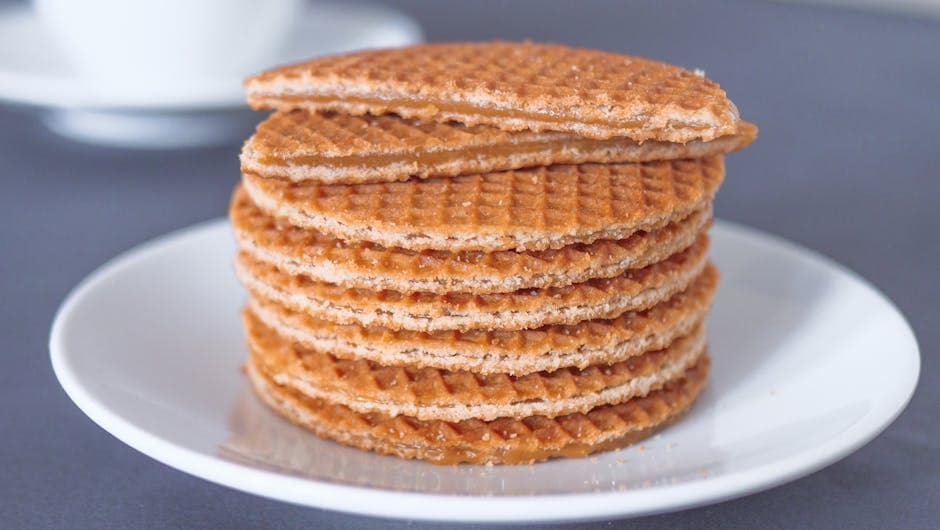
Dünne Waffelkekse mit einer Schicht Karamellsirup – das bekannteste Süßgebäck der Niederlande.
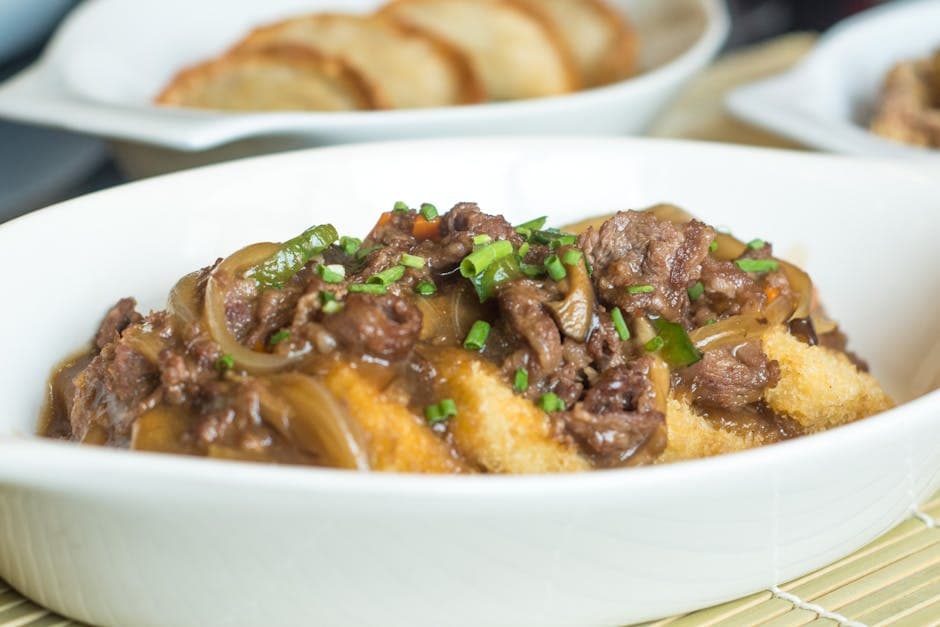
Reichhaltiger, würziger holländischer Rindeintopf, langsam geschmort mit Bergen von Zwiebeln, Essig und Lorbeerblättern.
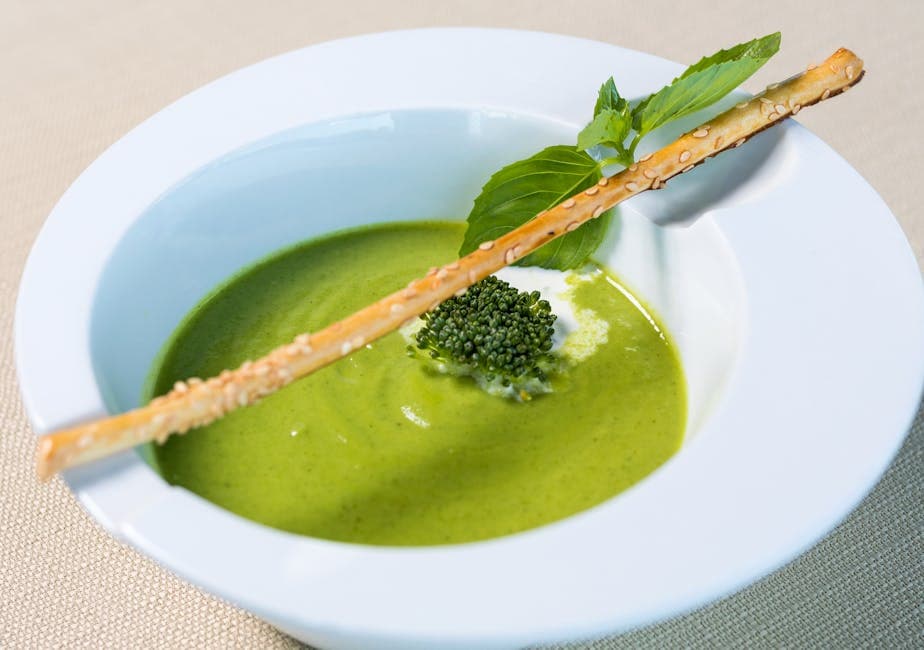
Die dicke, armeebunte Wintersuppe der Niederlande — so nahrhaft, dass ein Löffel darin steht, beladen mit Schweinefleisch und Rauchfleischwurst.

Knusprig frittierte holländische Fleischragout-Bälle — der ultimative Kneipen-Snack, immer mit Senf serviert.
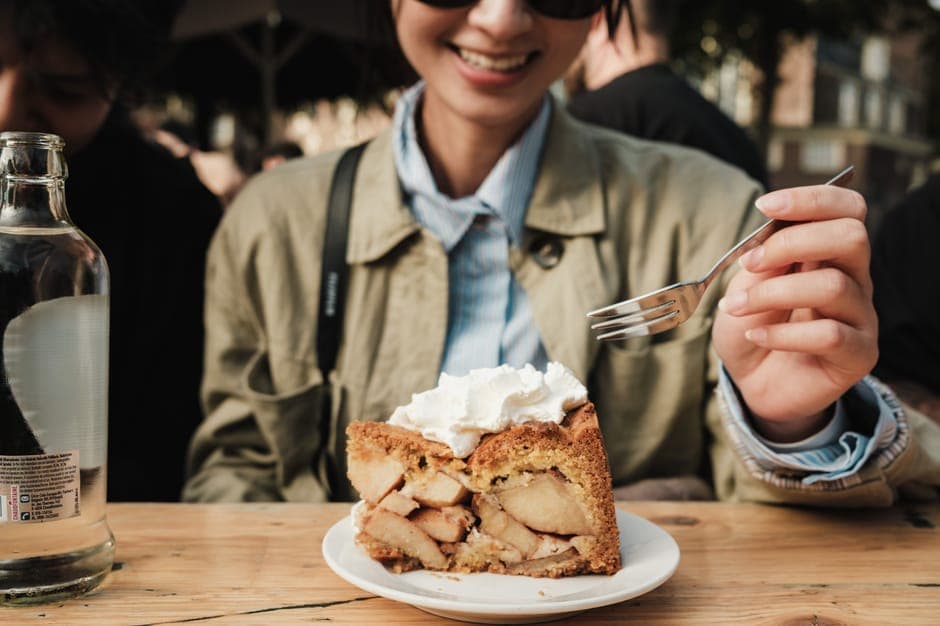
Tief gefüllter holländischer Apfelkuchen mit buttrigem Mürbeteig, Zimt-Äpfeln und Gittertop — Kneipenkultur im Stück.
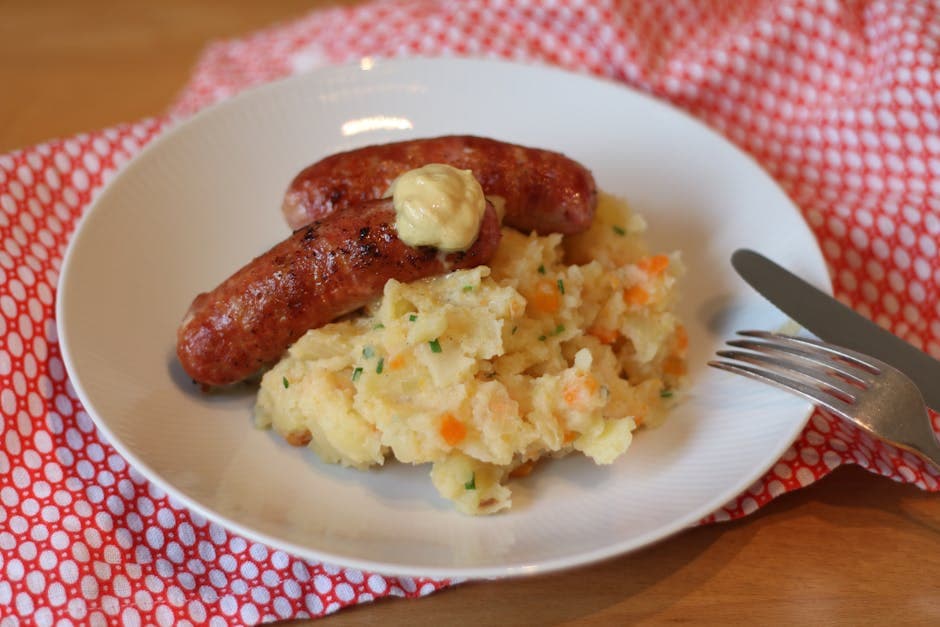
Niederlandes zweiter großer Stamppot — Karotten, Zwiebeln und Kartoffeln zusammen gekocht und in ein raues, süß-würziges orangefarbenes Pürée gemahlen. Am 3. Oktober gegessen, um die Befreiung von Leiden zu gedenken.
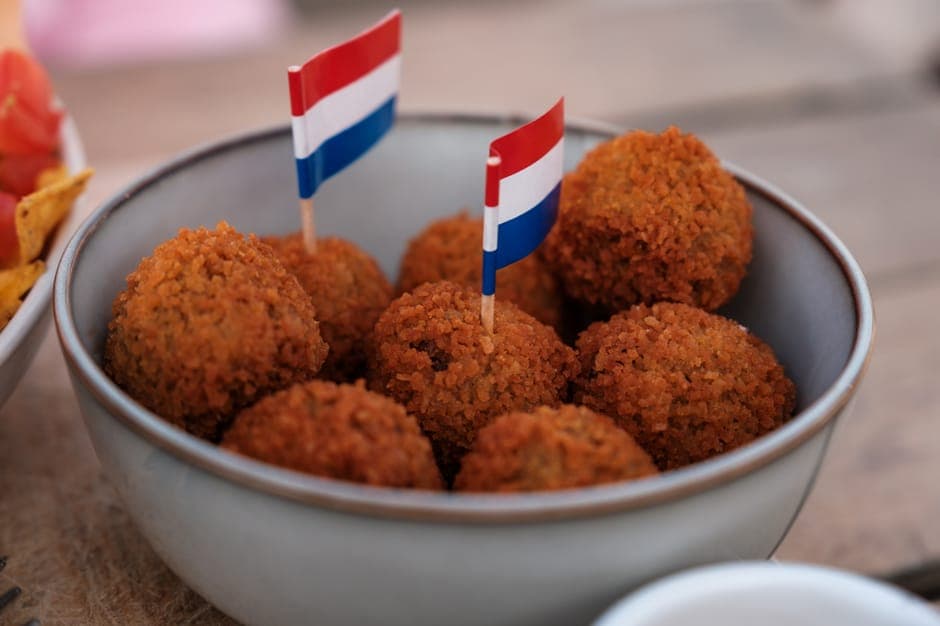
Niederlandes beliebteste Bar-Snack — knusprige, goldene frittierte Kugeln mit molten Rindfleisch-Ragout-Zentrum. Bei jedem Café und jeder Geburtstagsfeier mit niederländischem Senf serviert. Der unverzichtbare niederländische Bissen.
Dicke, herzhafte niederländische Erbsensuppe mit geräucherter Wurst und Schweinefleisch — so dick, dass ein Löffel darin stehen bleibt.
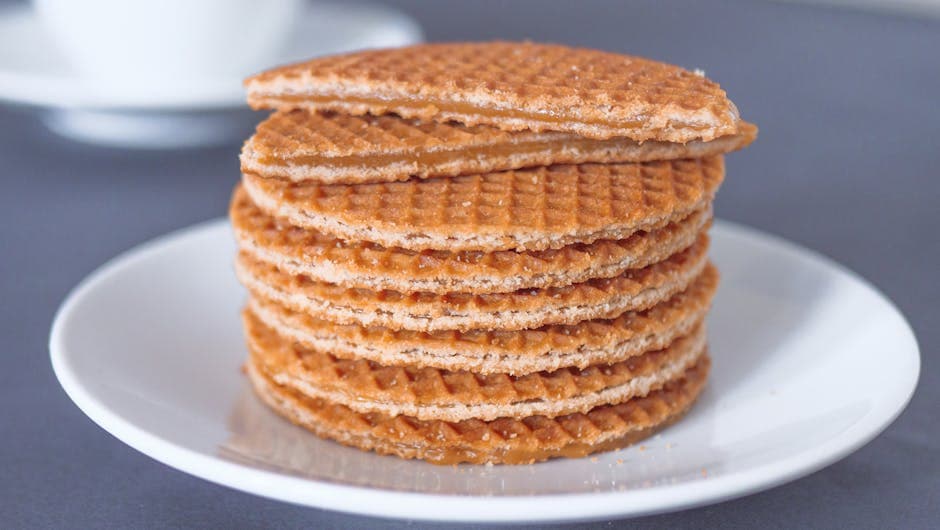
Niederländische dünne Wäffelkekse mit Karamellsiruppfüllung — entwickelt, um auf einer Kaffeetasse zu wärmen.
Die Lemon Herb Rice Bowl von Dutch Market bringt holländischen Geschmack in eine praktische Reisschüssel mit Hähnchenschenkeln, Butter, Kartoffeln, Käse und Senf sowie einem frischen Petersilien-Finish.
Die Dutch Village Smoky Tomato Soup verleiht einer praktischen Suppe aus Pilzen, Butter, Kartoffeln, Käse und Senf sowie einem frischen Petersiliengeschmack holländischen Geschmack.
Die Sesam-Limetten-Pfanne von Dutch Garden verleiht einem praktischen Pfannengericht mit Blumenkohl, Butter, Kartoffeln, Käse und Senf und einem Abgang aus frischer Petersilie holländischen Geschmack.
Die verkohlten Pfeffernudeln von Dutch Harbor verleihen einem praktischen Nudelgericht aus Reisnudeln, Butter, Kartoffeln, Käse und Senf sowie einem Hauch frischer Petersilie holländischen Geschmack.
Der Dutch Mountain Green Herb Salad verleiht einem praktischen Salat aus gegrilltem Hähnchen, Butter, Kartoffeln, Käse und Senf sowie einem frischen Petersiliengeschmack holländischen Geschmack.
Das Dutch Festival Lemon Herb Flatbread verleiht einem praktischen Fladenbrot aus Fladenbrotteig, Butter, Kartoffeln, Käse und Senf sowie einem frischen Petersiliengeschmack holländischen Geschmack.
Der Dutch Homestyle Smoky Tomato Traybake verleiht einem praktischen Traybake mit Süßkartoffeln, Butter, Kartoffeln, Käse und Senf und einer frischen Petersilie den holländischen Geschmack.
Dutch Street Sesame Lime Fritters verleiht einem praktischen Krapfen aus gesalzenem Fisch, Butter, Kartoffeln, Käse und Senf sowie einem frischen Petersiliengeschmack holländischen Geschmack.
Der Dutch Golden Charred Pepper Breakfast Plate verleiht einem praktischen Frühstücksteller holländischen Geschmack mit Bohnen, Butter, Kartoffeln, Käse und Senf sowie einem Hauch frischer Petersilie.
Das Dutch Weeknight Green Herb Dessert verleiht einem praktischen Dessert aus Kokosnuss, Butter, Kartoffeln, Käse und Senf sowie einem frischen Petersiliengeschmack holländischen Geschmack.
Zwei dünne, knusprige Waffelscheiben, die um eine zähe Karamellsirupfüllung gelegt werden und traditionell über einem heißen Getränk erwärmt werden.
Ein süßer, herzhafter Brei aus Karotten, Zwiebeln und Kartoffeln, serviert mit langsam geschmortem Rindfleisch, das historisch mit der Belagerung von Leiden verbunden ist.
Kleine, knusprig gebratene Bällchen aus cremigem Rinderragout, ein klassischer holländischer Barsnack, serviert mit Senf zum Dippen.
Winzige, luftige Hefepfannkuchen, die in einer speziellen Noppenpfanne gebacken und warm serviert werden, mit Puderzucker und Butter bestäubt.
Frische Zeeland-Muscheln, in Weißwein gedünstet, mit Sellerie, Lauch und Zwiebeln, serviert mit einer großen Schüssel Pommes.
Knusprige Blätterteigtaschen, gefüllt mit mit Zimt gewürzten Apfelwürfeln und Rosinen, ein beliebter niederländischer Fair-Food-Leckerbissen.
Eine regionale Variation der niederländischen Erbsensuppe, angereichert mit geräuchertem Aalflocken, einer Spezialität der niederländischen Wasserstraßen.
Frittierte Hefeteigbällchen mit Rosinen und Johannisbeeren bestreut und mit Puderzucker bestäubt, ein beliebter Silvestergenuss.
Eine knusprige, frittierte Rinderragout-Krokette, eingelegt in ein weiches Weißbrötchen mit Senf, ein beliebter niederländischer Mittagsklassiker.
Ein cremiger Kartoffelbrei mit rohem Endiviensalat, der durch die Hitze zusammenfällt, garniert mit knusprigen Speckstücken.
Knusprige, intensiv gewürzte braune Zuckerkekse mit traditionellen Windmühlen- oder Figurenformen, ein Sinterklaas-Weihnachtsklassiker.
Ein geschichtetes, gekühltes Dessert aus Vanillepudding und Fruchtjoghurt, ein nostalgischer Leckerbissen im holländischen Supermarkt-Stil, der von Grund auf neu zubereitet wird.
Langsam geschmorte Rindfleischstücke mit einer Menge Zwiebeln, Lorbeerblättern und Essig, bis sie tief herzhaft und süß sind.
Große, leicht gewürzte Hackfleischbällchen, geschmort in einer reichhaltigen Bratensoße, ein typisches niederländisches Sonntagsgericht.
Knusprige, mit Bier panierte, mundgerechte Weißfischstücke, ein klassischer holländischer Marktsnack, serviert mit Knoblauch-Kräuter-Sauce.
Weichgepökelter roher Hering auf einem Brötchen mit Gurken und rohen Zwiebeln – das beliebteste Streetfood-Heringssandwich der Niederlande, Broodje Haring.
Geschmorter belgischer Endivienmantel, in Schinken gewickelt und unter einer Béchamel-Käse-Sauce gebacken – ein beliebter niederländischer Auflauf.
Herzhafte Fleischbällchen aus Rind- und Schweinefleisch, gewürzt mit Muskatnuss und Nelken, gebräunt und in einer kräftigen Soße gegart – ein klassisches holländisches Abendessen für zu Hause.
Braune Bohnen werden mit Speck, Apfel und schwarzem Pfeffer zu einem dicken, herzhaften Eintopf gekocht – ein traditionelles holländisches Bauerngericht.
Ein lockeres Omelett um einen sautierten Apfel und einen Spritzer holländischen Gewürzsirup – ein wärmendes Herbstfrühstück, das auf klassischen holländischen Grundnahrungsmitteln basiert.
Cremiger Buchweizenbrei mit herzhafter Kräuterbutter – ein traditioneller holländischer Getreidebrei mit eher herzhaftem als süßem Abgang.
Unter einer Kruste aus Senf, Kräutern und Semmelbröseln gebackene Kabeljaufilets – ein einfaches, von der Küste inspiriertes niederländisches Fischessen.
Ein großer, kräftig gewürzter Apfelkuchen mit Gitterkruste und Rosinen – die beliebte Appeltaart der Niederlande, dichter und puddingartiger als amerikanische Versionen.
Ein gehackter Salat aus Kartoffeln, Roter Bete, Äpfeln und Gurken in einem leichten Mayonnaise-Dressing – Hollands klassische Huzarensalade.
Ein ganzes Hähnchen, mit Muskatnuss, Nelken und Thymian eingerieben und goldbraun geröstet – ein warm gewürzter holländischer Sonntagsbraten, der auf den klassischen Speisegewürzen des Landes basiert.
Kartoffelpüree, Karotten und Zwiebeln, gebacken mit schwarzem Pfeffer und Butter – Hollands historischer Hüttenort, verbunden mit der Befreiung von Leiden.
Dünne Waffelkekse, geteilt und mit warmem Karamellsirup gefüllt – die beliebteste Stroopwafel der Niederlande, die man am besten frisch vom Grill auf dem Markt isst.
Dünne, übergroße holländische Pfannkuchen mit sautierten Äpfeln und erwärmt mit Zimt, nach Art einer Pfanne zubereitet.
Eine wärmende Getreideschale, die auf den Aromen des niederländischen Stamppot Boerenkool basiert – Gerste, Grünkohl, geräucherte Wurst und Muskatnuss.
In Weißwein, Knoblauch und Zitrone gedünstete Muscheln nach Zeeland-Art, das berühmteste Meeresfrüchtegericht der Niederlande, serviert auf Reis.
Als herzhafte Schüssel wurde Erwtensoep serviert, die dicke winterliche Erbsensuppe der Niederlande mit geräucherter Wurst.
Paprika, gefüllt mit warm gewürztem Hackfleisch nach holländischer Gehaktbal-Art, gebacken in einer nach Muskatnuss duftenden Tomatensauce.
Ein cremig gebackener holländischer Auflauf aus geschmortem Endivienbrei, Kartoffelpüree und geschmolzenem Käse, verfeinert mit Knoblauch und Zitrone.
Ein holländisch gewürzter Rindfleischburger, gewürzt wie Gehaktballen mit Muskatnuss und Piment, garniert mit scharfem Old-Amsterdam-Käse.
Seidiger holländischer Vla-Pudding, garniert mit einem zitronenhellen Fruchtkompott und einem knusprigen Spekulatius-Gewürz-Kekskrümel.
Ein festlicher niederländischer Feiertagsschmorbraten aus Hühnchen (traditionell Kaninchen) mit Pflaumen, Orange und einem warmen Schuss Ingwer.
Die niederländische Küche entstand aus einem kalten, feuchten, maritimen Klima und einem calvinistischen Misstrauen gegenüber dem Übermaß: einfache, sättigende Speisen, gut zubereitet. Der historische Kern besteht aus der Stamppot-Familie – Kartoffeln, püriert mit Gemüse wie Grünkohl (Boerenkool), Sauerkraut oder Endivie, serviert mit geräucherter Rookworst-Wurst und Soße – neben Erwtensoep, einer Erbsensuppe, dick genug, um einen Löffel hineinzustecken, die nach dem Schlittschuhlaufen im Winter gegessen wird. Hering hat eine große Bedeutung: Hollandse nieuwe, der leicht eingelegte erste Fang der Saison, der roh mit Zwiebeln gegessen wird, ist jedes Jahr im Juni ein nationaler Brauch.
Das Goldene Zeitalter der Niederlande und die Kolonialzeit hinterließen eine zweite Schicht. Der Gewürzhandel stellte Muskatnuss, Zimt und Nelken als alltägliche Backgewürze her – daher Speculaas-Kekse und Ontbijtkoek. Durch die Verbindung zu Indonesien wurde indisch-niederländisches Essen in die nationale Ernährung integriert: Nasi Goreng, Saté mit Erdnusssoße und die Rijsttafel, ein aufwendiges Reistafelformat mit vielen Gerichten, das eigentlich eine niederländische Kolonialerfindung war. Surinamesische Roti und Broodje Pom sind fester Bestandteil in Amsterdam und Rotterdam.
Das tägliche Essen ist bekanntlich pragmatisch: Brot mit Käse oder Hagelslag (Schokostreusel) zum Frühstück und Mittagessen, eine gekochte Mahlzeit am Abend. Käse ist das große Exportgut und der Stolz – Gouda und Edamer, gereift von jungem (Jong) bis zu kristallinem Oud, in dünne Scheiben geschnitten mit dem Käsehobel, den die Niederländer selbst hergestellt haben. Für den Genuss sorgt die Straßen- und Imbisskultur: warm gepresste Stroopwafels, Poffertjes mit Butter und Puderzucker, knusprige Bitterballen mit Senf und Pommes mit Mayonnaise.
Stamppot
Kartoffelpüree mit Grünkohl, Sauerkraut, Endivie oder Karotten-Zwiebel-Hutspot, gekrönt mit geräuchertem Rookworst – das ultimative Winteressen.
Käsehandwerk
Gouda und Edamer, von Jong bis zu sprödem, karamelligem Oud gereift, werden täglich in dünnen, gehobelten Scheiben auf Brot gegessen.
Hering und das Meer
Roher Hollandse-Nieuwe-Hering mit gehackten Zwiebeln, dazu Kroketten und geräucherter Aal runden die maritime Seite des Tisches ab.
Indonesisches Erbe
Die Kolonialgeschichte machte Satay, Nasi Goreng, Sambal und die Rijsttafel zu festen Bestandteilen der niederländischen Haus- und Restaurantküche.
Backgewürze und Süßigkeiten
Gewürzhandel mit Muskatnuss, Zimt und Nelken würzt Spekulatius, Ontbijtkoek und die mit Karamell gefüllte Stroopwafel.
Frittierte Snackkultur
Bitterballen und Kroketten mit Senf, Pommes Frites mit Mayonnaise und Poffertjes bestimmen die Borrel Hour und das Straßenessen.
Zuerst Käse – Gouda und Edamer – dann Stroopwafels, roher Hering mit Zwiebeln, Stamppot mit Rookworst, Erbsensuppe (Erwtensoep), Bitterballen, Poffertjes und Pommes mit Mayonnaise. Dank der Kolonialgeschichte sind indonesische Gerichte wie Satay und Nasi Goreng ebenso fester Bestandteil der niederländischen Küche wie surinamische Roti in den Großstädten.
Der traditionelle Kern ist mild und komfortorientiert – Kartoffeln, Käse, Brot, geräucherte Wurst – aber der komplette holländische Tisch ist würziger als sein Ruf. Indonesisch-niederländisches Essen bringt Sambal und gewürztes Satay in gewöhnliche Haushalte, die surinamische Küche sorgt für die Schärfe von Madame-Jeanette-Pfeffer und gereifter Käse, geräucherter Fisch, roher Hering und Senf haben jede Menge Intensität.
Gouda wird aus Vollmilch hergestellt, was ihm einen reichhaltigeren, cremigeren Körper verleiht, der mit zunehmendem Alter Karamell- und Butterscotch-Noten mit knusprigen Tyrosinkristallen entwickelt. Für Edamer wird teilweise entrahmte Milch verwendet, daher ist es fester, fettärmer und milder und wird traditionell in rot gewachsten Kugeln geformt. Beide sind nach den Städten benannt, deren Märkte sie verkauften, und beide reichen von jung bis überaltert (overjarig).
Stamppot Boerenkool: Kartoffeln mit gehacktem Grünkohl kochen, mit Butter, Milch und einem Schuss Essig oder Senf zerstampfen und mit einer in der Pfanne erwärmten geräucherten Wurst und einer Schüssel Soße servieren. Es dauert einen Topf und dreißig Minuten. Erwtensoep – gedünstete Erbsen mit Schweinefleisch, Lauch, Knollensellerie und Sauerkraut – ist das natürliche zweite Projekt.
Rijsttafel („Reistisch“) ist ein Format aus der niederländischen Kolonialzeit zum Servieren indonesischer Speisen: Reis, umgeben von einem Dutzend oder mehr kleinen Gerichten – Rindfleisch-Rendang, Satay, Gado-Gado, Sambal Goreng, Acar-Gurken – die das Spektrum von mild bis scharf abdecken. Es wurde von den Niederländern im kolonialen Indonesien zusammengestellt und war keine einheimische Tradition, und heute ist es hauptsächlich in niederländischen indonesischen Restaurants erhalten.
Rechner und Umrechner, die zu dieser Seite passen — ohne Anmeldung.
Rezept-Umrechner
Halbieren oder verdoppeln Sie jede Menge in diesem Rezept – ganz ohne Kopfrechnen.
Maßeinheiten-Umrechner
Rechnen Sie Cups, Gramm, Unzen und Milliliter in beide Richtungen um.
Heißluftfritteusen-Umrechner
Rechnen Sie Backofenzeit und -temperatur in Einstellungen für die Heißluftfritteuse um.