Argentinian Chimichurri Steak (Asado)
Grass-fed beef grilled over high heat, sliced and drowned in vivid, herby chimichurri sauce — Argentina's asado at home.
Asado, Chimichurri, Empanadas – die BBQ-Kultur der Pampa.
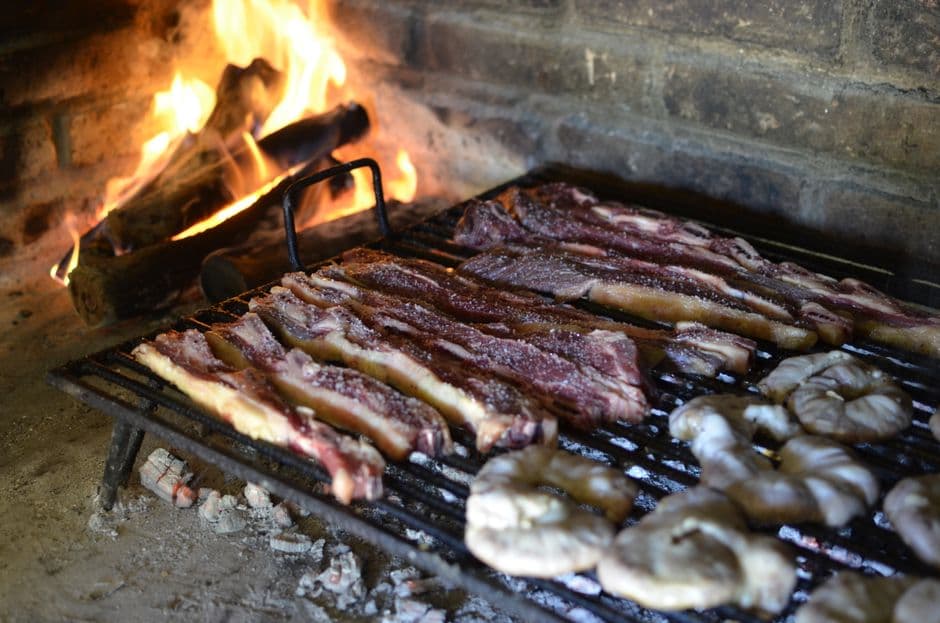
Die argentinische Küche entstand im Grasland der Pampa, wo die Rinderkultur der Gauchos Rindfleisch zur nationalen Identität machte. Das Asado – ein Ritual des langsamen Grillens über Holzglut auf einer Parrilla – ist nach wie vor das bestimmende gesellschaftliche Ereignis des Landes und besteht aus Chorizo- und Morcilla-Würstchen, Kalbsbries (Mollejas), kurzen Rippchen (Asado de Tira) und Flankenstücken, nur mit Salz gewürzt und mit Chimichurri aus Petersilie, Knoblauch, Oregano und Essig abgerundet. Argentinien gehörte lange Zeit zu den Ländern mit dem höchsten Pro-Kopf-Rindfleischverbrauch der Welt.
Die massive italienische und spanische Einwanderung zwischen 1880 und 1930 veränderte das alltägliche Essen. Die Italiener spendeten panierte Milanesa-Schnitzel, sonntags frische Pasta, ñoquis am 29. eines jeden Monats und Fugazzeta – Buenos Aires‘ Zwiebel-Käse-Pizza mit einer dicken Kruste im Gegensatz zu Neapel. Die Spanier brachten die Empanada mit, die sich zu äußerst regionalen Formen entwickelte: saftiges handgeschnittenes Rindfleisch in Salta, süßere Versionen mit Rosinen und Oliven in Tucumán. Im Norden gibt es Andengerichte wie Locro, einen Hominy-Kürbis-Eintopf, der an patriotischen Feiertagen gegessen wird.
Das Leben zu Hause basiert auf Yerba Mate, dem bitteren koffeinhaltigen Aufguss, der durch einen Bombilla-Strohhalm getrunken und im Kreis weitergegeben wird – eher ein geselliges Ritual als ein Getränk. Dulce de Leche, Milchkaramell, füllt Alfajores-Kekse, Gebäck und Frühstückstoast. Sonntags-Asado oder Pasta mit der Großfamilie bleiben die Grundmahlzeit der Woche, und Malbec aus Mendoza ist der Standardbegleiter zu Rindfleisch.
Asado und die Parrilla
Das langsame Grillen von Rindfleischstücken, Würstchen und Innereien auf Holzkohle ist das nationale Ritual, gewürzt nur mit Salz und Geduld.
Chimichurri
Die Soße aus Petersilie, Knoblauch, Oregano, Essig und Öl ist Asados unverzichtbares Gewürz und wird über gegrilltes Fleisch gelöffelt und nicht darin mariniert.
Empanadas
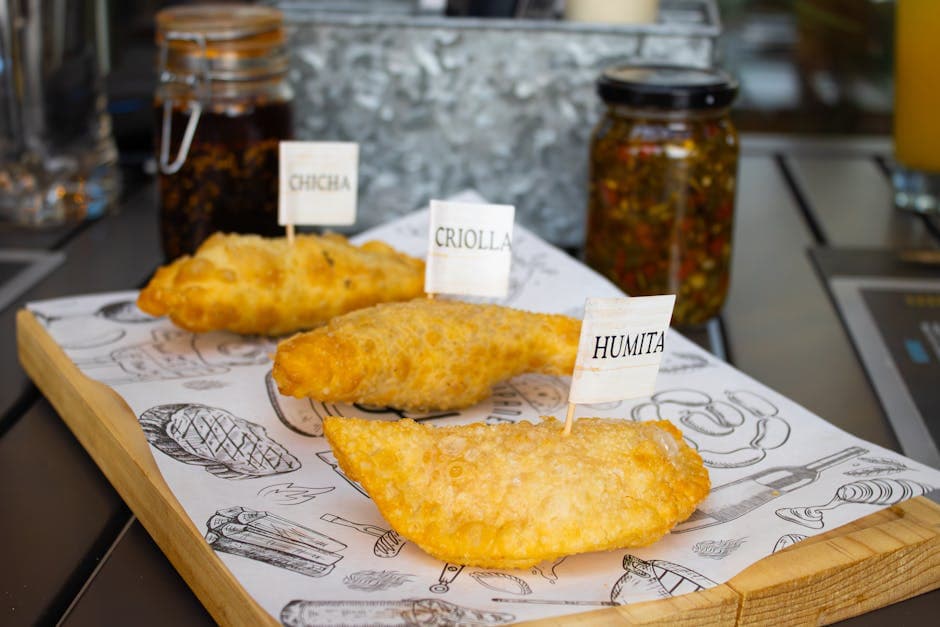
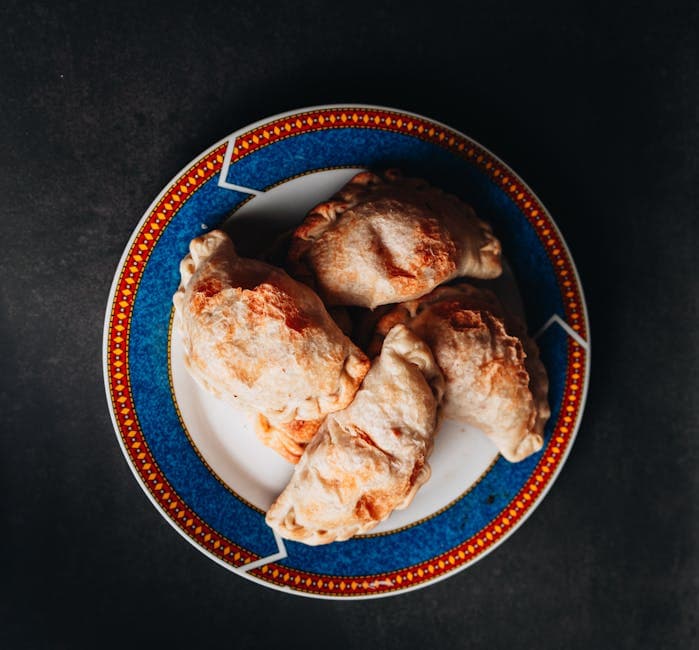
Gebackenes oder frittiertes gefülltes Gebäck variiert je nach Provinz – Saltas handgeschnittenes Rindfleisch mit Kartoffeln, Tucumáns mit Rosinen und Oliven.
Italienisches Erbe
Milanesas, frische Pasta, ñoquis del 29 und Fugazzeta-Pizza mit dicker Kruste kamen mit der italienischen Masseneinwanderung und wurden zu nationalen Grundnahrungsmitteln.
Dulce de Leche
Langsam gekochtes Milchkaramell füllt Alfajores, Facturas-Gebäck und Desserts und wird in Mengen verzehrt, die anderswo ihresgleichen suchen.
Yerba Mate
Der gemeinsame bittere Aufguss, getrunken durch eine Bombilla aus einem Kürbis, strukturiert das gesellschaftliche Leben vom Frühstück an.
Freihändig kochen
Hol dir KI-Essenspläne, einen Schritt-für-Schritt-Kochmodus und deine gespeicherten Rezepte in der kostenlosen Bento-App.
Plane deine Mahlzeiten, verfolge dein Fasten und erstelle deine Einkaufsliste — kostenlos
Das MyCookingCalendar-Dashboard läuft direkt in deinem Browser, kein Download nötig.
Latin American Cuisine: Recipes from Mexico to Argentina
Explore the diverse flavors of Latin America with 40+ authentic recipes from Mexico, Peru, Brazil, and beyond.
14 Real Recipes With 5 Ingredients or Less
14 well-rated recipes from around the world that use five ingredients or fewer — proof that a short ingredient list doesn't mean a compromise on flavor.
14 High-Protein Recipes With the Numbers to Prove It
14 real recipes from our database with genuinely high protein per serving — verified against actual nutrition data, spanning chicken, beef, lamb, pork, fish, and plant-based sources.

Grass-fed beef grilled over high heat, sliced and drowned in vivid, herby chimichurri sauce — Argentina's asado at home.

Golden pastry parcels filled with spiced beef, olives, egg and raisins — Argentina's beloved street food.

Flaky hand-crimped pastry pockets filled with spiced ground beef, olives, hard-boiled egg and raisins — the ultimate snack.

A hearty and traditional Argentinian stew perfect for cold days.

A delicious breaded meat cutlet topped with ham, cheese, and tomato sauce.

Delightful sandwich cookies filled with dulce de leche and coated in chocolate.

Fluffy Argentine pancakes generously filled and topped with dulce de leche — a simple national treat.

Traditional Argentine wood-fire grilled beef.

Baked pastry pockets filled with seasoned beef.

Sweet Argentine crescent pastries.

Dulce de leche sandwich cookies coated in coconut.

Grilled provolone cheese with oregano and chili.

Argentinian breaded beef steak topped with a fried egg.

Crispy fried dough sticks filled with Argentine caramel.

Hearty Argentine white bean and pork stew for cold weather.

Argentina's sacred fire ritual — whole cuts of beef, short ribs, and chorizo slow-cooked over smouldering hardwood coals until gloriously charred and impossibly juicy.

Thin-cut beef skirt steak grilled fiercely over high heat and blanketed with vibrant, herby chimichurri — the definitive weeknight asado.

The definitive South American barbecue — thick-cut beef ribs and flank steak cooked low and slow over wood embers, served with the vibrant herb sauce that is Argentina's gift to the world.

Argentina's beloved stuffed pastries — flaky hand-crimped crescents filled with spiced ground beef, hard-boiled egg and olives, baked or fried to golden perfection.

Argentina's thick, rustic national stew — white corn hominy, white beans, squash, pork and chorizo simmered for hours into a rich, warming one-pot meal. The dish of Argentina's national holidays.

Argentina's greatest street food — grilled chorizo in a crusty baguette roll with chimichurri and salsa criolla.

Grilled provolone cheese with oregano and chilli — Argentina's classic asado starter, crispy on the outside and molten within.

Argentinian breaded-beef cutlet topped with tomato sauce, ham, and melted mozzarella — Buenos Aires comfort food.

Argentina's iconic herb-and-garlic sauce — finely chopped parsley, oregano, garlic, vinegar, and olive oil for every grilled meat.

Argentine flaky beef empanadas with cumin, paprika, hard-boiled egg, and a single olive — the asado's perfect handheld companion.

The Mendoza-style beef empanada — flaky baked or fried pastry filled with hand-cut beef, onion, hard-boiled egg, green olive and a generous pinch of cumin, served with a glass of Malbec.

The legendary Argentine grill — beef short ribs, flank steak and chorizo slow-cooked over wood embers, dressed with herbaceous chimichurri sauce.

Argentinian stuffed flank steak rolled with eggs, vegetables, and herbs — sliced for stunning presentation.

Argentinian creamy fresh corn stew with sweet basil and goat cheese — comforting Andean classic.

Argentinian shepherd's pie with seasoned ground beef and creamy mashed potatoes — family Sunday classic.

The iconic Latin American celebration cake: a light sponge soaked in a mixture of three milks until saturated and trembling, topped with billowy whipped cream.

Argentina's sacred weekend ritual: beef ribs, chorizo, and offal cooked low-and-slow over hardwood embers on a parrilla, served with chimichurri.

Flaky hand-crimped pastry half-moons filled with spiced beef, hard-boiled egg, and green olives — Argentina's most beloved savoury snack, baked golden.

A thin Argentine flank steak rolled around hard-boiled eggs, peppers, and herbs, then braised or grilled until tender — served sliced to reveal a mosaic cross-section.

Argentine grilled veal sweetbreads — cleaned, grilled over hardwood coals until golden and crunchy outside, creamy within. The prized first course of every asado.

The flaky, sweet pastries of Buenos Aires panaderías: medialunas de manteca, vigilantes, and cañoncitos filled with dulce de leche or quince paste.

Argentina's national spread: whole milk and sugar cooked for hours until deeply caramel, silky, and bronzed — the building block of all Argentine desserts.

Crumbly cornstarch cookies sandwiched with dulce de leche and rolled in desiccated coconut or dipped in dark chocolate — Argentina's most beloved everyday treat.
Argentinian Market Lemon Herb Rice Bowl brings argentinian flavor to a practical rice bowl built with chicken thighs, chimichurri, beef, oregano and red wine vinegar, and a fresh parsley finish.
Argentinian Village Smoky Tomato Soup brings argentinian flavor to a practical soup built with mushrooms, chimichurri, beef, oregano and red wine vinegar, and a fresh parsley finish.
Argentinian Garden Sesame Lime Skillet brings argentinian flavor to a practical skillet dinner built with cauliflower, chimichurri, beef, oregano and red wine vinegar, and a fresh parsley finish.
Argentinian Harbor Charred Pepper Noodles brings argentinian flavor to a practical noodle dish built with rice noodles, chimichurri, beef, oregano and red wine vinegar, and a fresh parsley finish.
Argentinian Mountain Green Herb Salad brings argentinian flavor to a practical salad built with grilled chicken, chimichurri, beef, oregano and red wine vinegar, and a fresh parsley finish.
Argentinian Festival Lemon Herb Flatbread brings argentinian flavor to a practical flatbread built with flatbread dough, chimichurri, beef, oregano and red wine vinegar, and a fresh parsley finish.
Argentinian Homestyle Smoky Tomato Traybake brings argentinian flavor to a practical traybake built with sweet potatoes, chimichurri, beef, oregano and red wine vinegar, and a fresh parsley finish.
Argentinian Street Sesame Lime Fritters brings argentinian flavor to a practical fritters built with salted fish, chimichurri, beef, oregano and red wine vinegar, and a fresh parsley finish.
Argentinian Golden Charred Pepper Breakfast Plate brings argentinian flavor to a practical breakfast plate built with beans, chimichurri, beef, oregano and red wine vinegar, and a fresh parsley finish.
Argentinian Weeknight Green Herb Dessert brings argentinian flavor to a practical dessert built with coconut, chimichurri, beef, oregano and red wine vinegar, and a fresh parsley finish.
Seared beef strips tossed in fresh chimichurri over rice with roasted potatoes — a quick take on classic Argentine flavors.
A creamy Argentinian-style squash and sweet potato soup, finished with olive oil, oregano and a swirl of yogurt.
Crispy pan-seared tofu tossed in chimichurri with roasted potatoes and peppers, an Argentine-inspired vegetarian skillet.
A hearty warm potato and shrimp salad tossed in fresh chimichurri, finished with mint and parsley.
Oven-baked black beans with charred onions and roasted potatoes, finished with a spoonful of fresh chimichurri.
Golden pan-fried pumpkin fritters with melty cheese, seasoned simply and served with fresh chimichurri for dipping.
A thick, Argentine-style potato and spinach tortilla, sliced into wedges for a hearty breakfast or brunch plate.
Layers of creamy yogurt, rich dulce de leche and toasted nuts — a quick, no-bake Argentinian-style parfait.
A homestyle Argentinian chicken and potato guiso, simmered slow in a paprika-tomato broth and finished with lemon and parsley.
Smoky grilled mushrooms tossed in fresh chimichurri, wrapped with roasted potatoes for an Argentine-inspired vegetarian lunch.
Thick cauliflower steaks grilled hard until charred, doused in bright chimichurri and served with roasted potatoes.
Bell peppers stuffed with seasoned rice, ground beef and herbs, baked until tender — an Argentine home-kitchen classic.
A warm potato and chickpea salad dressed in bright chimichurri, an Argentine-style side that works hot or at room temperature.
Argentine grilled flank steak, salted simply and finished with chimichurri, the way it comes off a real parrilla.
A thick disk of aged provolone grilled directly over the fire until it's blistered outside and molten within.
A grilled chorizo sandwich piled with chimichurri, Argentina's classic street-food snack from every asado stand.
A one-pot Argentine chicken and rice dinner built on a slow sofrito base, simmered until the rice soaks up every drop of broth.
Grilled chorizo split and stuffed into crusty bread with a bright, garlicky chimichurri given an unusual saffron twist.
Simmered beef meatballs in a rich tomato sauce, finished with a bright mint-forward chimichurri drizzle.
A hearty pot of white beans, corn, squash and beef simmered low and slow, finished with a bright lemon-pepper touch.
A thick potato and onion omelet, Spanish-Argentine style, finished with a generous handful of fresh parsley and chives.
Creamy stone-ground polenta topped with slowly caramelized onions and parmesan, a comforting northern Italian-Argentine dish.
Whole hake fillets baked with a toasted cumin-paprika crust and lemon, a simple Patagonian coastal preparation.
A large, shareable version of Argentina's classic beef empanada filling, baked open in one pan instead of individual pockets.
A tangy chopped tomato, onion and pepper salad, the classic Argentine grill-side salad, topped with herb butter croutons.
Whole chicken roasted until deeply golden, served with a bright, herby chimichurri that leans on fresh mint alongside parsley.
Grill-style roasted vegetables baked with melted provoleta cheese and a sharp lemon-pepper finish, an asado side turned main.
Two soft, crumbly cookies sandwiching thick dulce de leche, given an unexpected herbal warmth from a hint of fresh thyme.
Thin, delicate crepes rolled around dulce de leche, a classic Argentinian breakfast and dessert.
A hearty bowl of quinoa, grilled vegetables and chimichurri, drawing on Argentina's love of open-flame cooking.
Garlic shrimp and rice finished with a bright chimichurri drizzle, a coastal-leaning take on Argentina's beloved sauce.
A hearty lentil and chorizo stew simmered with tomato, paprika and vegetables, classic Argentinian winter comfort food.
Bell peppers stuffed with seasoned ground beef, rice and olives, baked in a light tomato sauce.
A layered beef and potato bake similar to shepherd's pie, seasoned with cumin, olives and hard-boiled egg.
A grilled chorizo patty topped with chimichurri and salsa criolla, inspired by Argentina's iconic choripan sandwich.
A silky baked custard topped with dulce de leche instead of the usual caramel, Argentina's favorite twist on flan.
A festive spread of grilled short ribs, chorizo and chimichurri, Argentina's traditional celebration meal built around the parrilla.
Argentinien ist vor allem für Rindfleisch bekannt – über Holzkohle gegrilltes Asado-Barbecue, Steaks wie Bife de Chorizo und Chimichurri-Sauce. Neben Rindfleisch gehören Empanadas, Milanesa-Schnitzel, Dulce de Leche, Alfajores-Kekse und Yerba Mate zu seinen Spezialitäten. Durch die starke italienische Einwanderung wurden auch Pasta, Oquis und eine charakteristische Pizza mit dickem Boden zu einem Teil der nationalen Ernährung.
Asado grillt Fleisch langsam über Hartholzglut (keine direkte Flamme oder Räucherkammern), gewürzt nur mit grobem Salz – kein Reiben, keine Soße beim Kochen. Es handelt sich um ein mehrstündiges gesellschaftliches Ereignis, bei dem es um Würstchen, Innereien und Aufschnitte wie Asado de Tira geht. Amerikanisches Barbecue räuchert Fleisch mit Rubs und Soßen; Asados einziges Gewürz, Chimichurri, wird am Tisch hinzugefügt.
Nein – es gehört zu den am wenigsten scharfen Gerichten Lateinamerikas. Zum Würzen werden Salz, Knoblauch, Petersilie, Oregano und Paprika verwendet. Chimichurri hat einen würzigen und kräuterigen Geschmack, aber praktisch keine Schärfe. Sogar Empanada-Füllungen verwenden süßen Paprika und Kreuzkümmel anstelle von Chili. Wer empfindlich auf Gewürze reagiert, kann das gesamte argentinische Repertoire bequem verspeisen.
Chimichurri dauert fünf Minuten und verwandelt jedes gegrillte Steak. Milanesas – panierte, gebratene Rinder- oder Hähnchenschnitzel – sind unter der Woche einfach zuzubereiten und werden oft mit Tomaten und Käse als Milanesa Napolitana belegt. Gebackene Rindfleisch-Empanadas sind ein sättigendes Wochenendprojekt mit im Laden gekauften Teigscheiben (Tapas). Alfajores mit Dulce de Leche bedecken das Dessert ohne fortgeschrittene Konditorkenntnisse.
Yerba Mate ist ein koffeinhaltiger Aufguss der Pflanze Ilex paraguariensis, der heiß aus einem Kürbis (Mate) durch einen gefilterten Metallstrohhalm (Bombilla) getrunken wird. Eine Person, der Cebador, füllt den Kürbis wieder mit heißem Wasser – niemals kochend, etwa 70–80 °C – und lässt ihn im Kreis herumlaufen; Jeder Trinker leert den Kürbis, bevor er wieder aufgefüllt wird. Es ist grasig, bitter und ebenso ein gesellschaftliches Ritual wie ein Getränk.