

Neustarter
Brik
Tunesiens ikonisches knuspriges Fladenbrot - ein hauchdünnes malsouka-Wrapper, das ein flüssiges Ei, Thunfisch, Kapern und Harissa umhüllt, dann frittiert, bis es schmetternd goldfarben ist.
35 Min380 kcalMittel
★4.7(672)
Brik, Shakshuka, Harissa – kräftige, würzige maghrebinische Küche aus Nordafrika.
Weitere Rezepte rund um dieselben Hauptzutaten.
Behalten Sie im Blick, was Sie essen
Fotografieren Sie Ihre Mahlzeit, um Kalorien und Makros zu erfassen, nutzen Sie Fasten-Timer und tracken Sie Ihr Wasser – in der kostenlosen SnapCal-App.
Planen Sie Ihre Mahlzeiten, verfolgen Sie Ihr Fasten und erstellen Sie Ihre Einkaufsliste — kostenlos
Das MyCookingCalendar-Dashboard läuft direkt in Ihrem Browser, kein Download nötig.
Tunesiens ikonisches knuspriges Fladenbrot - ein hauchdünnes malsouka-Wrapper, das ein flüssiges Ei, Thunfisch, Kapern und Harissa umhüllt, dann frittiert, bis es schmetternd goldfarben ist.

Tunesiens feuriges, charaktervolles Shakshuka - würzige Merguez-Würstchen, süße Paprika und Eier in einer Harissa-gespickten Tomatensauce, in einer kühnen, duftenden Pfanne gekocht.
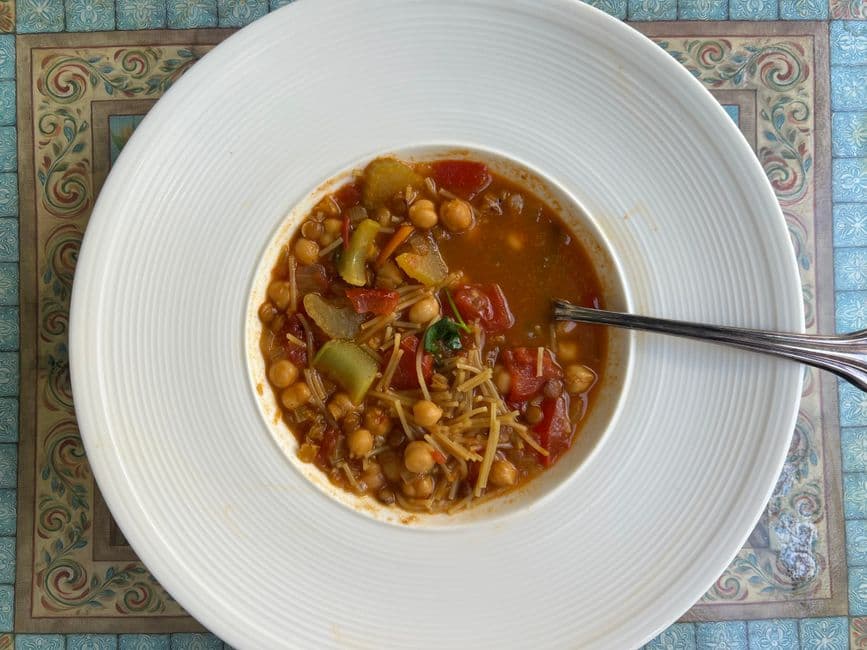
Würzige tunesische Straßensuppe aus Kichererbsen über zerrissenes Brot mit Harissa, Kreuzkümmel, Kapern und rohem Ei — Tunis' ikonischstes Frühstück.
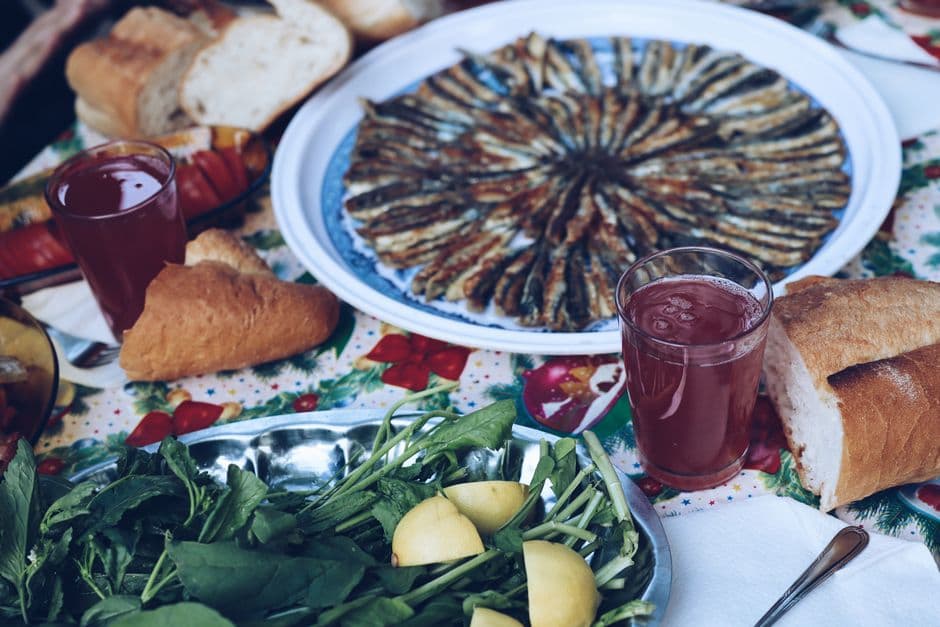
Ein rauchiger, würziger Salat aus gegrillten Paprika, Tomaten und Chilis, gemischt mit Kreuzkümmel, Knoblauch und Olivenöl — Tunesiens vielseitigster Würzmittel und Vorspeise.

Eine tunesische geschichtete Reis- und Gemüse-Gericht — duftender Reis mit würziger Lamm und Aubergine gekocht, dann auf einen Serviertablett umgekehrt, um eine atemberaubende goldene Kuppel zu enthüllen.

Hausgemachte tunesische Merguez-Würstchen — würzige Lamm- und Rinder-Würstchen duftend mit Harissa, Kreuzkümmel und Paprika, gegrillt oder in der Pfanne gebraten bis sie aufteilen und zischen.
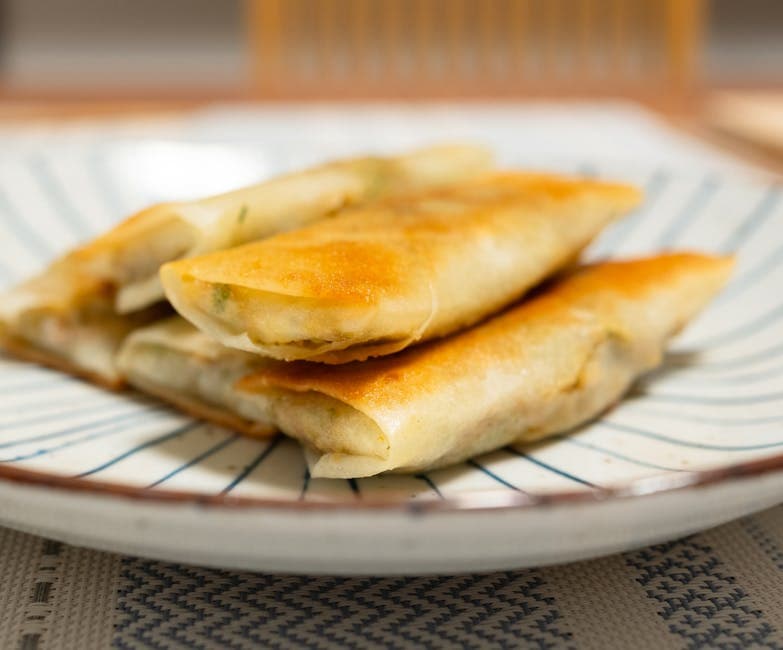
Knusprige gebratene Teig-Päckchen, die ein ganzes runny Ei, Thunfisch, Kapern und Harissa enthalten — Tunesiens geliebts Vorspeise.
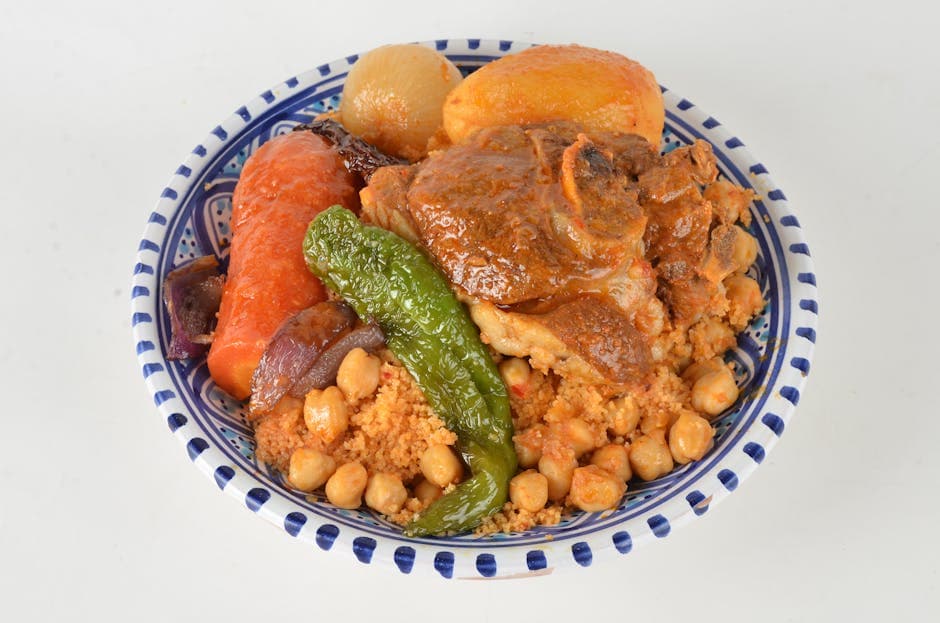
Der nordafrikanische Klassiker — von Hand grollter Couscous, der über einem würzigen Lamm- und Gemüseeintopf gedämpft und mit Harissa abgerundet wird.
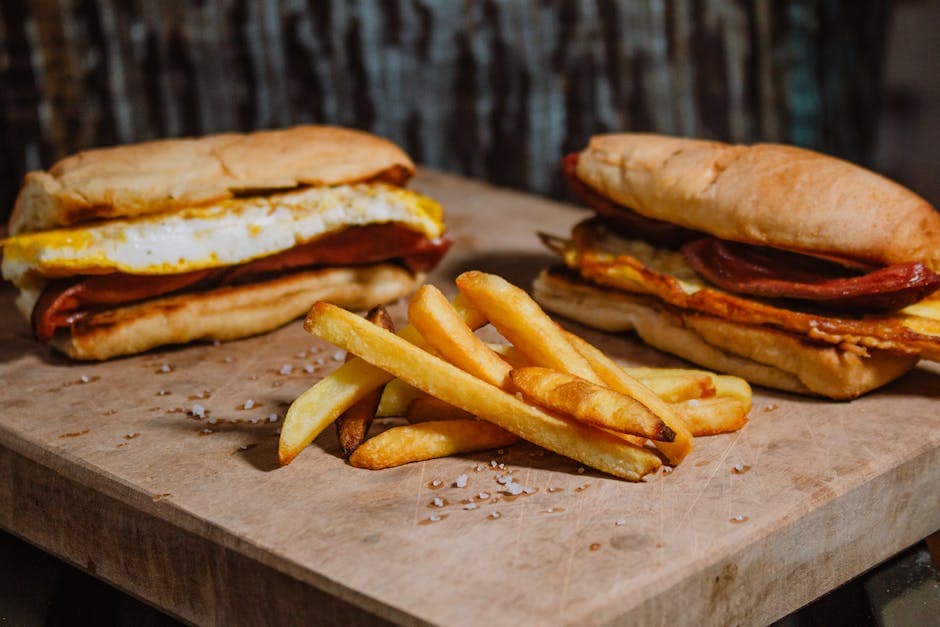
Tunesiens ikonisches frittiertes Brötchen gefüllt mit Thunfisch, Harissa, Oliven und Ei — das ultimative Street-Food-Sandwich.

Tunesiens charakteristische Pinienkern-Cremepudding — aus Aleppo-Pinienkernen, Milch und Nüssen, zum Mouloud serviert.
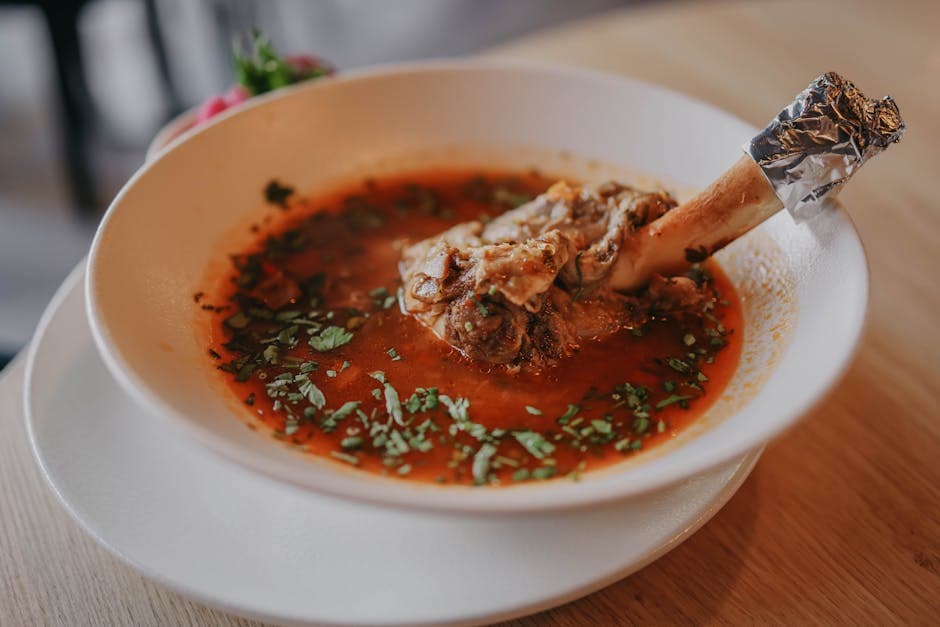
Herzhafte tunesische Suppe mit gehacktem grünem Getreide, Lamm und aromatischen Gewürzen — wärmend und tiefnährend.
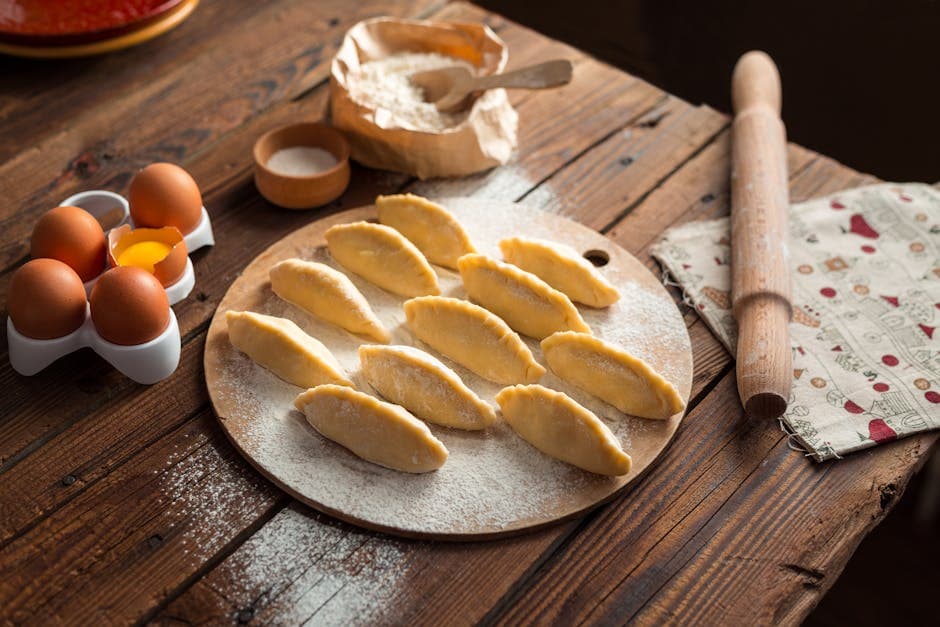
Tunesiens ikonischer knuspriger Teig gefüllt mit Ei, Thunfisch, Kapern und Kräutern – ein Street Food Klassiker mit außen goldenem und innen flüssigem Eigelb.
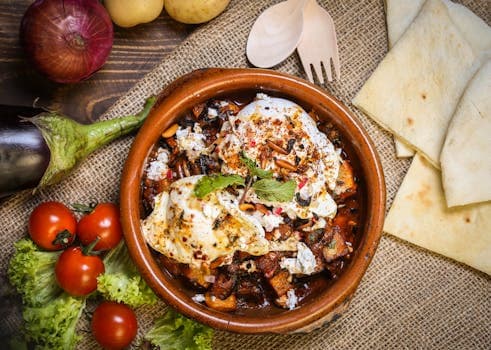
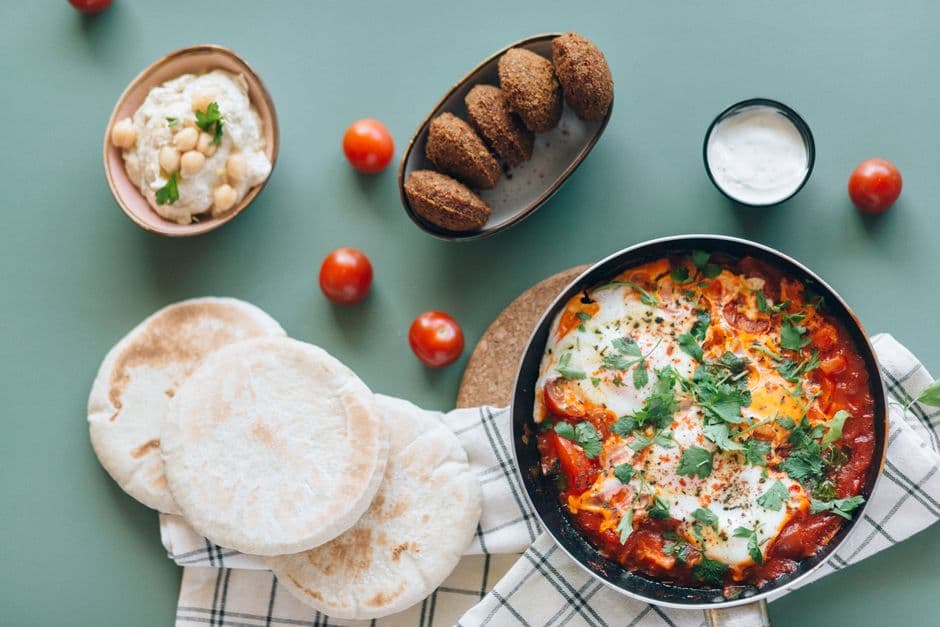
Tunesischer würziger tomaten- und ei-eintopf mit merguez-wurst und harissa — ein feuer-frühstück-klassiker.
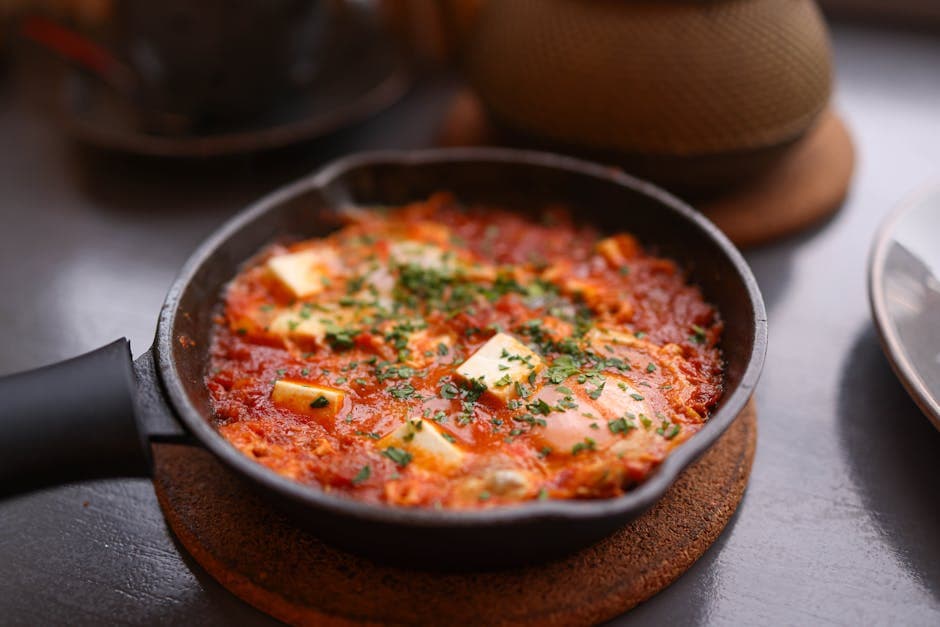
Tunesische würzige Lamm- und Rindfleisch-Würstchen in feuriger Tomate-Pfeffer-Sauce köchelt — ein Nordafrikanisches Brunch-Symbol.
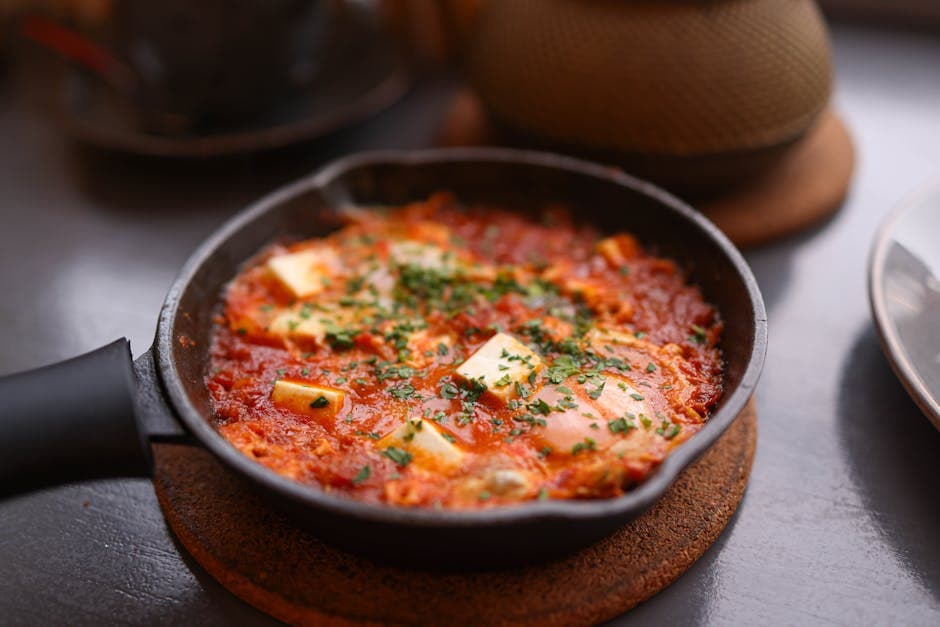
Tunesische Eier, pochiert in einer rauchigen Harissa-Tomatensauce mit Paprika, Kreuzkümmel und Knoblauch — direkt aus der Pfanne auf den Tisch.
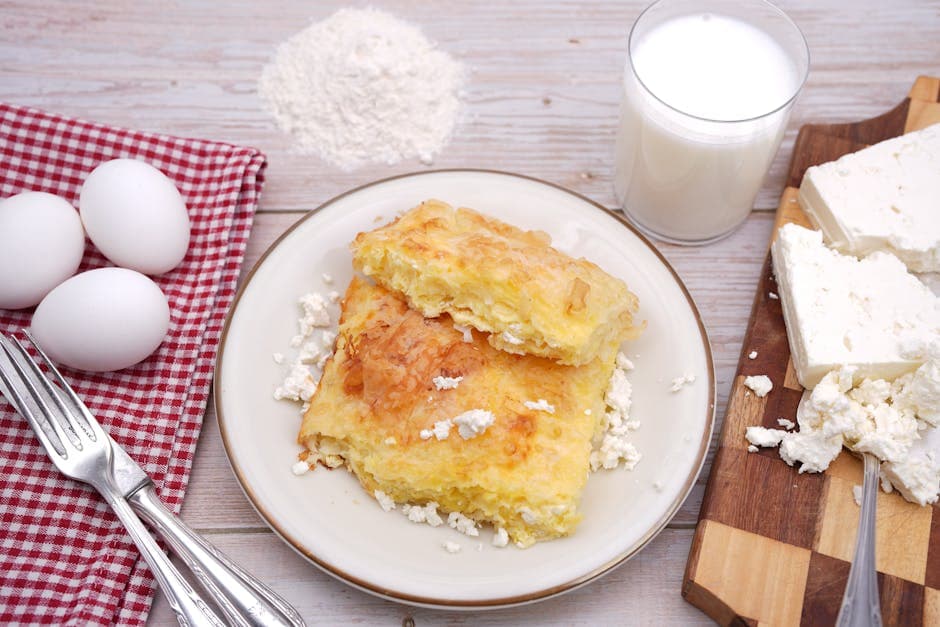
Tunesiens sofortiges Straßen-Gericht - ein einzelnes rohes Ei versiegelt in ein Dreieck von Phyllo, gebraten, bis die Phyllo knusprig, das Eiweiß fest und das Eigelb noch warm und läufer ist.
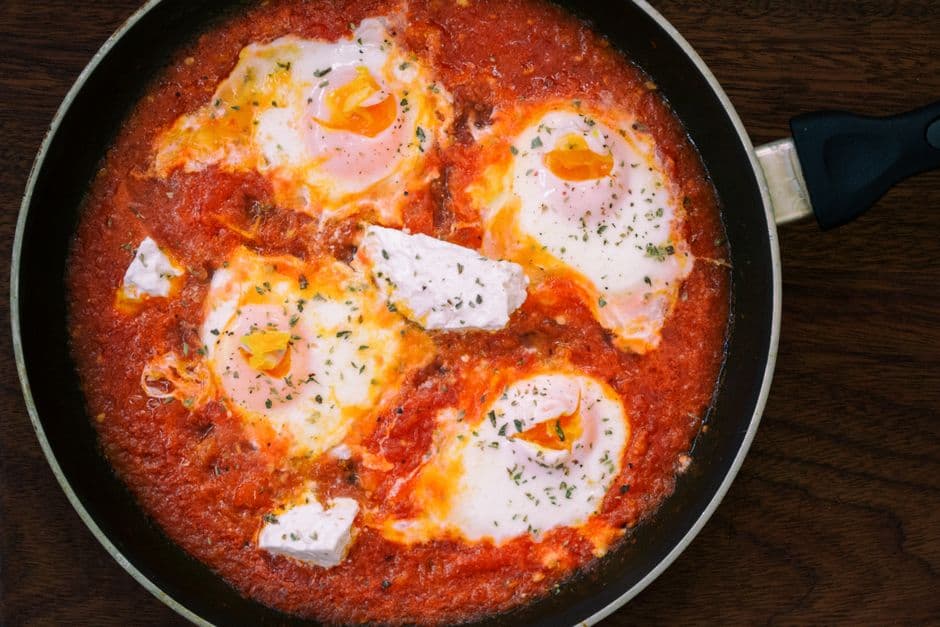
Das tunesische Original – in einer stückigen, Harissa-befeuerten Paprika-Tomaten-Sauce pochierte Eier mit Koriander und zerrissenen Baguette-Stücken zum Auftunken.
Tunesiens beliebtes Straßenfrühstück – eine feurige, Knoblauch-Kichererbsenbrühe, die über zerrissenes Brot vom Vortag gegossen wird, mit einem gekochten Ei, Harissa, Kapern, Thunfisch und einem Schuss Olivenöl.

Flauschiger Couscous, serviert mit einem gewürzten Gemüseeintopf und Kichererbsen.
Die Zitronen-Kräuter-Reisschüssel von Tunesian Market bringt tunesischen Geschmack in eine praktische Reisschüssel mit Hähnchenschenkeln, Harissa, Kümmel, Tomaten und Olivenöl sowie einem frischen Koriander-Finish.
Die tunesische Dorf-Rauchtomatensuppe verleiht einer praktischen Suppe mit Pilzen, Harissa, Kümmel, Tomaten und Olivenöl sowie einem frischen Koriander-Abgang tunesischen Geschmack.
Die tunesische Garten-Sesam-Limetten-Pfanne verleiht einem praktischen Pfannengericht mit Blumenkohl, Harissa, Kümmel, Tomaten und Olivenöl sowie einem frischen Koriander-Finish tunesischen Geschmack.
Die Tunesian Harbor Charred Pepper Noodles verleihen einem praktischen Nudelgericht aus Reisnudeln, Harissa, Kümmel, Tomaten und Olivenöl sowie einem frischen Koriander-Finish tunesischen Geschmack.
Der tunesische grüne Bergkräutersalat verleiht einem praktischen Salat mit gegrilltem Hähnchen, Harissa, Kümmel, Tomaten und Olivenöl sowie einem frischen Koriander-Finish tunesischen Geschmack.
Das tunesische Festival-Fladenbrot mit Zitronen- und Kräutergeschmack verleiht einem praktischen Fladenbrot aus Fladenbrotteig, Harissa, Kümmel, Tomaten und Olivenöl sowie einem frischen Koriander-Finish den tunesischen Geschmack.
Der Tunesian Homestyle Smoky Tomato Traybake bringt tunesischen Geschmack in einen praktischen Traybake aus Süßkartoffeln, Harissa, Kümmel, Tomaten und Olivenöl sowie einem frischen Koriander-Finish.
Tunesische Straßen-Sesam-Limetten-Krapfen verleihen einem praktischen Krapfen aus gesalzenem Fisch, Harissa, Kümmel, Tomaten und Olivenöl sowie einem frischen Koriander-Finish tunesischen Geschmack.
Der tunesische Frühstücksteller mit goldenem verkohltem Pfeffer bringt tunesischen Geschmack auf einen praktischen Frühstücksteller mit Bohnen, Harissa, Kümmel, Tomaten und Olivenöl sowie einem frischen Koriander-Finish.
Das tunesische Weeknight Green Herb Dessert verleiht einem praktischen Dessert aus Kokosnuss, Harissa, Kümmel, Tomaten und Olivenöl sowie einem frischen Koriander-Abgang tunesischen Geschmack.
Gedämpfter Couscous, serviert mit einem reichhaltigen, würzigen, mit Harissa überzogenen Lamm- und Wurzelgemüseeintopf, Tunesiens Nationalgericht.
Ultradünner Malsouka-Teig, umhüllt von Thunfisch, Kapern und einem ganzen rohen Ei, knusprig frittiert und mit noch flüssigem Eigelb gefüllt.
Eine feurige, Knoblauch-Tomatensauce, gekocht mit würziger Merguez-Wurst, abgerundet mit direkt in der Sauce pochierten Eiern.
Gekohlte und gemischte Paprika, Tomaten und Knoblauch, vermengt mit Olivenöl, Kapern und Thunfisch, eine rauchige, kräftige tunesische Vorspeise.
Rautenförmiges Grießgebäck gefüllt mit süßer Dattelpaste, frittiert und in Honigsirup, einer beliebten tunesischen Feiertagssüßigkeit, getränkt.
Gewürfeltes gebratenes Gemüse und gehackte Kartoffeln zusammen mit Rührei, stark gewürzt, ein herzhaftes und beliebtes tunesisches Streetfood.
Ein herzhafter Eintopf aus geschmorten Paprika, Kartoffeln und Tomaten, abgerundet mit pochierten Eiern, ein deftigerer Cousin des klassischen Tomatengerichts.
Ganzer Fisch, mariniert in einer feurigen Harissa-, Knoblauch- und Zitronenpaste, gegrillt, bis er verkohlt und rauchig ist, ein Favorit der tunesischen Küste.
Eine wärmende Kichererbsensuppe über altbackenes Brot gegossen, gewürzt mit Kreuzkümmel, Harissa und einem weichen pochierten Ei, einem beliebten tunesischen Straßenessen.
Quadratisches, reich geschichtetes Grießfladenbrot mit Öl zwischen den Schichten gefaltet und in der Pfanne gebraten, bis es flockig und goldbraun ist.
Ein reichhaltiger Lammeintopf auf Tomatenbasis, gekocht mit Kichererbsen und wärmenden Gewürzen, serviert über Couscous oder mit knusprigem Brot.
Ein reichhaltiger, dunkler Pudding aus gemahlenen Aleppo-Pinienkernen, garniert mit gehackten Nüssen und Trockenfrüchten, ein beliebtes tunesisches Festdessert.
Ein kleines, frittiertes Hefebrötchen, gefüllt mit Thunfisch, Harissa, Oliven und Salzkartoffeln, ein beliebter tunesischer Straßensnack.
Würzige Lamm-Merguez-Würste, gegrillt mit verkohlten Paprika und Zwiebeln, ein einfacher, rauchiger tunesischer Barbecue-Favorit.
Ein dichter, gebackener Auflauf aus Eiern, Hackfleisch, Käse und Kräutern, anders als marokkanische Tajine, in Scheiben geschnitten und wie eine herzhafte Torte serviert.
Knusprig geröstete Kichererbsen und Süßkartoffelstücke, großzügig in Harissa-Öl geschwenkt, eine einfache, würzige tunesisch inspirierte Beilage oder ein Snack.
Eine nussige, würzige Mischung aus gerösteten Körnern und Hülsenfrüchten, gemischt mit Olivenöl und Honig zu einer dicken, energiereichen Frühstückspaste.
Relish aus verkohlter Paprika und Tomaten, garniert mit schnell gegrillten Garnelen, eine Küstenvariante des klassischen rauchigen Salats Tunesiens.
Frittierte Teigtaschen gefüllt mit Thunfisch, Harissa, Oliven und Ei – Tunesiens beliebtes Streetfood-Sandwich, Fricassé.
Gewürzte Rind- und Lammfleischbällchen, gekocht in einer feurigen Harissa-Tomatensauce – ein kräftiges tunesisches Abendessen, das auf der landestypischen Chilipaste basiert.
Weiße Bohnen, gekocht in einer Tomaten-Kräuter-Sauce mit einem Hauch Kümmel – ein wohltuender tunesischer, hausgemachter Bohneneintopf, Loubia.
In einer würzigen Tomaten-Paprika-Sauce pochierte Eier mit Merguez-Wurst – Tunesiens beliebtes Ojja, ein kühnes, von Harissa geprägtes Frühstücks- oder Abendessengericht.
Warmer Grießbrei, gesüßt mit Datteln und garniert mit gerösteten Mandeln – ein wohltuendes tunesisches Frühstück auf Basis von Getreidekörnern aus der Vorratskammer.
Ganzer Fisch, gebacken unter einer Chermoula-Marinade aus Knoblauch, Kreuzkümmel und frischer Minze – ein tunesisches Küstenfischgericht mit kräftigem nordafrikanischem Geschmack.
Knuspriges, hauchdünnes Gebäck, um ein flüssiges Ei, Thunfisch und Kapern gefaltet und knusprig frittiert – Tunesiens ikonischer Brik.
Verkohlte Paprika, Tomaten und Knoblauch, zusammen mit Olivenöl und Kapern – Tunesiens rauchige, beliebte Salata Mechouia.
Ein ganzes Hähnchen, mit Harissa und eingelegter Zitrone eingerieben und tief goldbraun geröstet – ein kräftiges, würziges tunesisches Sonntagsessen.
Geröstete Zucchini, Auberginen und Tomaten mit Kümmel und frischen Kräutern gebacken – eine herzhafte tunesische Gemüsebeilage.
Mit einer gewürzten Dattelpaste gefüllte Grießkekse, frittiert und in Honigsirup eingeweicht – Tunesiens beliebter Makroudh, in mundgerechter Form.
Knusprige Pfannkuchen aus Kichererbsenmehl mit tunesischen Gewürzen, Harissa und Kokosnuss, in der Pfanne goldbraun gebraten und mit Spitze umrandet.
Eine duftende tunesische Couscous-Bowl mit geröstetem Gemüse, warmen Gewürzen und einer kühlenden Kräuter-Joghurt-Sauce.
In der Pfanne gebratener Fisch auf mit Harissa gewürztem Reis mit süßem geröstetem Knoblauch, abgerundet mit frischer Petersilie und Zitrone.
Rote Linsen mit Harissa und Kokosmilch cremig köcheln lassen, abgerundet mit frischem Koriander und einem Spritzer Limette.
Mit Gewürzreis, Lammhackfleisch und Harissa gefüllte Paprikaschoten, gebacken und mit kühlendem Kräuterjoghurt abgerundet.
Ein gebackener tunesischer Kichererbsenauflauf mit geröstetem Knoblauch, Harissa und Kreuzkümmel, garniert mit einer knusprigen Semmelkruste.
Ein gewürzter Lammburger, gewürzt wie Merguez-Wurst, garniert mit einer cremigen Kokos-Harissa-Sauce und eingelegten Zwiebeln.
Ein dicker, süßer tunesischer Grießpudding, gespickt mit Datteln und Pinienkernen, gewürzt mit warmem Zimt.
Ein festlicher tunesischer Teller mit in Harissa geschmorter Lammschulter mit Couscous und einem rauchigen gerösteten Tomaten-Paprika-Salat.
Die tunesische Küche ist die feurigste in Nordafrika und basiert auf Harissa – einer Paste aus sonnengetrockneten Chilis, Knoblauch, Kümmel und Koriander, die zu Beginn des Garvorgangs in die Gerichte gegeben wird und nicht als Beilage serviert wird. Die Geschichte des Landes als Karthago, dann römische Kornkammer, dann osmanische Provinz mit andalusischen und italienischen Zuzügen, zeigt sich auf dem Teller: Couscous von den Berbern, Pasta von den Italienern, Brik-Gebäck von der osmanisch-türkischen Brik/Börek-Familie.
Die Küste ist genauso wichtig wie die Wüste. Tunesien isst weit mehr Fisch als seine Nachbarn – Couscous au Poisson mit Zackenbarsch ist ein Markenzeichen von Sfax, und Mechouia mit gegrilltem Gemüsesalat wird regelmäßig mit Thunfisch belegt. Eier gibt es überall: aufgeschlagen zu Shakshuka-ähnlichem Ojja mit Merguez-Wurst oder roh zu Brik gefaltet, damit das Eigelb im knisternden Malsouka-Teig flüssig bleibt.
Hobbyköche stellen Gerichte auf einer konsistenten Basis zusammen: Olivenöl (Tunesien gehört zu den größten Produzenten der Welt), ziegelrot gebratenes Tomatenmark, Harissa und Tabil, die Gewürzmischung aus Kümmel, Koriander und Knoblauch. Couscous wird über seinem Eintopf in einem Couscousier gedünstet, das im Gegensatz zur blasseren marokkanischen Art oft mit Tomaten rot gefärbt ist, und Lablabi – Kichererbsensuppe, die mit Harissa, Kreuzkümmel und einem weichen Ei über zerrissenes Brot gegossen wird – ist das Arbeiterfrühstück von Tunis.
Harissa
Getrocknete rote Chilipaste mit Knoblauch, Kümmel und Koriander, die als Kochgrundlage und Würze in fast jedem herzhaften Gericht verwendet wird.
Couscous
Gedämpfter Grieß wird zu roten, tomatenfarbenen Eintöpfen aus Lamm, Hühnchen oder Fisch serviert – die Fischversion ist ein Markenzeichen der tunesischen Küste.
Brik
Hauchdünner Malsouka-Teig, umhüllt von Thunfisch, Kapern und einem ganzen Ei, knusprig frittiert, wobei das Eigelb noch flüssig ist.
Ojja
In einer mit Harissa versetzten Tomaten-Paprika-Sauce pochierte Eier, oft mit Merguez-Wurst oder Garnelen, gegessen mit Brot.
Lablabi
Kichererbsenbrühe über zerrissenes, altbackenes Brot gießen und mit Harissa, Kreuzkümmel, Olivenöl, Kapern und einem gekochten Ei anrichten.
Tabil und Kümmel
Tunesiens charakteristische Gewürzmischung aus Koriander, Kümmel, Knoblauch und Chili unterscheidet seine Würze von der marokkanischen oder algerischen Küche.
Die tunesische Küche ist dafür bekannt, die schärfste in Nordafrika zu sein, wobei in die Küche selbst Harissa-Chilipaste integriert ist. Zu den typischen Gerichten gehören Brik (knuspriges Gebäck mit Thunfisch und flüssigem Ei), Couscous mit Fisch, Ojja (würzige pochierte Eier) und Lablabi-Kichererbsensuppe. Olivenöl, Kümmel, Thunfisch und Eier tauchen ständig auf und spiegeln die Mittelmeerküste und die berberisch-osmanisch-italienische Geschichte wider.
Tunesisches Essen ist deutlich schärfer – Harissa ist die Grundlage, während die marokkanische Küche süß-herzhafte Kombinationen wie Tajine mit Pflaumen und warmen Gewürzen wie Zimt und Ras el Hanout bevorzugt. Tunesischer Couscous wird typischerweise rot mit Tomaten und oft mit Fisch zubereitet; Marokkanischer Couscous ist heller und wird häufig mit karamellisierten Zwiebeln und Rosinen gesüßt. Kümmel definiert tunesisches Gewürz, Safran und Ingwer mageres marokkanisches.
Ja, im regionalen Vergleich. Harissa kommt bei den meisten Eintöpfen, Suppen und Soßen zu Beginn in den Topf, nicht nur nebenbei, sodass die Grundwärme real, aber beim Kochen zu Hause regulierbar ist. Gerichte wie Ojja und Lablabi sollen einen spürbaren Chili-Brand haben, der durch Olivenöl, Ei und Brot ausgeglichen wird. Reduzieren Sie die Menge an Harissa, anstatt sie wegzulassen, um den authentischen Geschmack zu bewahren.
Ojja ist der einfachste Einstiegspunkt: Tomatenmark und Harissa in Olivenöl anbraten, Paprika und etwas Wasser hinzufügen, dann Eier in der Sauce pochieren – eine Pfanne, zwanzig Minuten. Lablabi ist fast genauso einfach, wenn Sie Kichererbsen gekocht haben. Brik ist einen Versuch wert, sobald Sie Malsouka, Feuilles de Brick oder Frühlingsrollenpapier als Ersatz finden.
Harissa ist eine tunesische Paste aus rehydrierten, getrockneten roten Chilis, zerstoßen mit Knoblauch, Salz, Olivenöl und Gewürzen, typischerweise Kümmel und Koriander. Sie können es auf zwei Arten verwenden: mit Tomatenmark zu Beginn von Eintöpfen, Couscous-Saucen und Ojja angebraten, um eine tiefe Basis zu schaffen, oder mit Olivenöl und Zitrone verquirlt als Würze für gegrillten Fisch, Sandwiches und Lablabi. Ein Esslöffel würzt einen Topf für vier Personen.
Rechner und Umrechner, die zu dieser Seite passen — ohne Anmeldung.
Rezept-Umrechner
Halbieren oder verdoppeln Sie jede Menge in diesem Rezept – ganz ohne Kopfrechnen.
Maßeinheiten-Umrechner
Rechnen Sie Cups, Gramm, Unzen und Milliliter in beide Richtungen um.
Heißluftfritteusen-Umrechner
Rechnen Sie Backofenzeit und -temperatur in Einstellungen für die Heißluftfritteuse um.