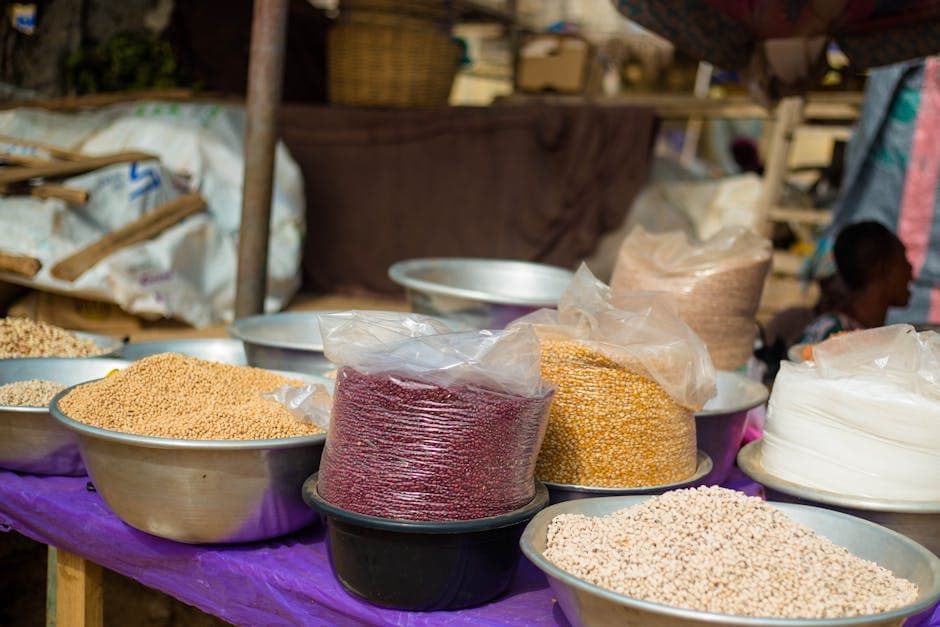
Kurt are small, hard, intensely salty balls of dried sour milk that have been a nomadic staple across Central Asia for millennia. They are made by draining fermented milk, seasoning with salt, rolling into balls and drying in the sun. They keep for months without refrigeration and were essential provisions for Kazakh nomads on long journeys. Today they are still sold at every Kazakh market and eaten as snacks, crumbled into soup, or dissolved in water.
Sirve 10
Line a colander with muslin or a clean cloth. Pour in yoghurt and allow to drain for 12–24 hours in the fridge until very thick and dry — like a firm paste.
Knead salt thoroughly into the drained yoghurt (suzme). The mixture should be quite salty.
Roll into small balls the size of a large marble or shape into ovals.
Place on a rack or tray in a warm, dry place (or a very low oven, 50°C) for 24–48 hours until hard and dry throughout.
Kurt are ready when they are hard all the way through. Store in a cloth bag at room temperature for months.
The longer you dry them, the harder and longer-lasting they become.
Traditional kurt is very salty — adjust to personal preference but don't make it mild.
Add garlic powder or dried herbs for a flavoured version.
Pruebe y ajuste la sal al final — los sabores se concentran cuando los líquidos se reducen, y un toque final de sal escamosa agudiza todo el plato.
Mix in dried dill or garlic powder before rolling.
For a softer fresh version, skip the drying stage and eat within 3 days.
Vegetariano: reemplace la proteína con champiñones ostra rey asados, tofu ahumado o garbanzos cocidos — ajuste el condimento ligeramente hacia arriba para compensar.
Más picante: agregue un chile fresco finamente picado o una cucharadita de pimienta Alepo/Urfa molida a los aromáticos para un calor cálido y estratificado en lugar de un golpe agudo.
Fully dried kurt keeps at room temperature for up to 6 months in a dry environment.
Kurt have been made by Kazakh, Kyrgyz and other Central Asian nomads for at least 2,000 years. They were a portable food source for horses and riders crossing the steppes. UNESCO recognised kurt as part of Central Asian culinary heritage.
Traditional kurt is very salty — often more than seems comfortable to Western palates. The salt was historically needed as a preservative for the long nomadic journeys.
Sí — la mayoría de los componentes se pueden preparar hasta un día antes y refrigerar por separado. Recaliente suavemente y ensambla justo antes de servir para que las texturas se mantengan distintas.
Manténgase cerca del papel que juega cada ingrediente: cambie los aromáticos por otros similares (chalota por cebolla, lima por limón), y mantenga el equilibrio de grasa-ácido-sal intacto. Los mezcla de especias se pueden aproximar generalmente con lo que hay en la despensa.
La autenticidad se sitúa en un espectro — lo que importa más es honrar la técnica y el equilibrio de sabores. Si el plato tiene un sabor armonioso y respeta cómo los cocineros en su región de origen lo construirían, está en terreno firme.
Por porción · 10 porciones totales
Pregúntele a nuestro asistente de cocina con IA cualquier cosa sobre esta receta: sustituciones, técnicas, escalado.
Chatea con AI Chef →Únete a la conversación
Inicia sesión para dejar un comentario y guardar tus recetas favoritas
¿Tienes comentarios o necesitas ayuda?
Leemos todos los correos y respondemos en 1–2 días hábiles.
© 2026 MyCookingCalendar. Todos los derechos reservados.