
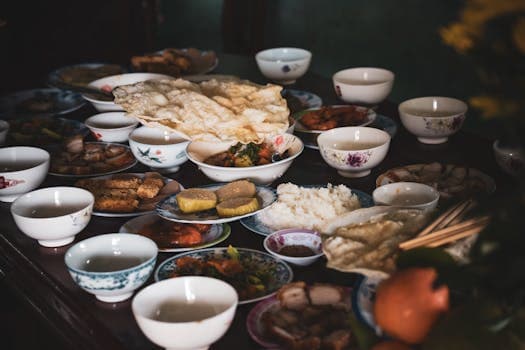
Com Tam Cay (riso spezzato del Vietnam centrale con carne di maiale alla griglia)
Riso spezzato profumato condito con braciole di maiale alla griglia, uovo fritto e verdure in salamoia piccanti.
A proposito di questa ricetta
Com tam (riso spezzato) è il riso quotidiano del Vietnam centrale, ottenuto da chicchi di riso che si rompono durante la macinazione. È più leggero e soffice del riso normale. Cay si riferisce alle braciole di maiale alla griglia carbonizzate e caramellate che coronano il riso, condite con citronella e cotte fino a quando i bordi si anneriscono e si carbonizzano. Un uovo fritto, verdure in salamoia ed erbe fresche completano il piatto. È economico, delizioso e si trova ad ogni bancarella di cibo all'angolo di città come Da Nang e Hue. Radicato nella cucina quotidiana delle cucine vietnamite, Com Tam Cay (riso spezzato del Vietnam centrale con maiale alla griglia) bilancia tecnica e tradizione: le braciole di maiale (o bistecche di spalla di maiale), sottili, sono trattate con cura, attingendo a proporzioni consacrate dal tempo che i locali hanno perfezionato attraverso generazioni. Il piatto porta con sé una firma sensoriale inconfondibile: aromi che riempiono la cucina durante la cottura, consistenze stratificate che si rivelano morso dopo morso e una profondità di sapore che deriva da condimenti pazienti piuttosto che da scorciatoie. Che venga servito come pranzo settimanale o come elemento centrale di una tavola celebrativa, riflette una dispensa regionale in cui i prodotti locali, le abitudini di condimento e i recipienti di cottura determinano il risultato finale. I cuochi casalinghi che preparano questo piatto spesso notano quanto sia indulgente una volta compreso il metodo principale e come alcune piccole scelte - la freschezza delle costolette di maiale (o delle bistecche di spalla di maiale), la magrezza, l'ordine delle aggiunte, il tempo di riposo alla fine - separano una buona versione da una memorabile. Questa ricetta ripercorre queste scelte in modo che il piatto arrivi con il carattere che ha in casa.
Ingredienti
Serve 2
- 300 gbraciole di maiale (o bistecche di spalla di maiale), sottili
- 2 gambicitronella, tritata finemente
- 2 spicchiaglio, tritato
- 1 cucchiaiosalsa di pesce
- 1 cucchiaiozucchero
- 1 cucchiainopepe nero
Istruzioni
- 1
Marinare il maiale
Mescolare citronella, aglio, salsa di pesce, zucchero e pepe nero. Ricoprire accuratamente le braciole di maiale e marinarle per 15-20 minuti.
- 2
Maiale alla griglia
Scaldare una griglia o una padella a fuoco alto. Grigliare la carne di maiale marinata 3-4 minuti per lato finché non sarà caramellata e carbonizzata sui bordi.
- 3
Cuocere il riso
Se si utilizza riso spezzato, cuocere in un cuociriso con un rapporto d'acqua standard. Cuoce leggermente più velocemente del riso normale, circa 15 minuti.
- 4
Friggere l'uovo
Scaldare un po' d'olio in un pentolino e friggere un uovo con la parte soleggiata o troppo facile.
L'hai preparata?
Dai un voto e aiuta gli altri a trovare le ricette che funzionano davvero.
Accedi con un tocco e salveremo il voto che hai appena scelto.
Tutto ciò che serve per pianificare la settimana — gratis
- Calendario pasti
- Lista della spesa
- Idee ricette con IA
Tieni traccia di ciò che mangi
Fotografa il tuo pasto per registrare calorie e macro, usa i timer del digiuno e monitora l’acqua con l’app gratuita SnapCal.
Suggerimenti professionali
- →
Il riso spezzato (com tam) dà un risultato più leggero e soffice rispetto al normale riso al gelsomino.
- →
I bordi carbonizzati del maiale sono fondamentali per il sapore: non evitare il salmerino.
- →
Una spruzzata di lime e un pizzico di scaglie di peperoncino elevano il piatto.
- →
Scegli le braciole di maiale (o le bistecche di spalla di maiale) più fresche, sottili che riesci a trovare: è il sapore ancora più forte del piatto.
- →
Condisci a strati mentre procedi; l'assaggio in ogni fase impedisce un risultato finale piatto o eccessivamente salato.
Variazioni
- •
Usa le cosce di pollo al posto del maiale
- •
Completare con una torta di pesce alla griglia (cha ca)
- •
Aggiungi gamberetti grigliati per proteine extra
- •
Vegetariano: sostituisci le proteine principali con funghi, paneer, tofu o fagioli abbondanti per una versione senza carne.
- •
Più piccante: aggiungi peperoncino fresco, una pasta di peperoncino o un pizzico di pepe di Caienna con gli aromi per un profilo più caldo.
Stoccaggio
Meglio servito fresco. Il riso cotto si conserva in frigorifero per 3 giorni. Conservare in frigorifero in un contenitore ermetico per un massimo di 3-4 giorni. Riscaldare delicatamente sul fornello a fuoco basso con una spruzzata di acqua o brodo per allentare, oppure microonde al 60% di potenza coperto in modo che si scaldi senza seccarsi. Si congela bene fino a 2 mesi in contenitori porzionati; scongelare per una notte in frigorifero prima di riscaldare. I piatti a base di latticini o fritti possono cambiare consistenza dopo il congelamento: rinfrescali con un contorno croccante.
Storia e origine
Il com tam divenne popolare nel Vietnam centrale perché il riso spezzato era economico e facilmente disponibile. Si è evoluto da un modo parsimonioso di utilizzare i chicchi di riso spezzati in un amato cibo da strada, in particolare a Da Nang e Hue.
Domande frequenti
Dove trovo il riso spezzato?
Cerca "com tam" nei negozi di alimentari asiatici. Lo vendono i negozi vietnamiti, tailandesi e alcuni cinesi.
Posso usare il riso bianco normale?
Sì, anche se la consistenza e il sapore saranno leggermente diversi. Il riso al gelsomino è uno stretto sostituto.
Posso preparare il Com Tam Cay (riso spezzato del Vietnam centrale con carne di maiale alla griglia) in anticipo?
Sì, la maggior parte dei componenti si conserva bene in frigorifero per un giorno o due. Riscaldare delicatamente con una spruzzata di liquido per riportarlo in vita.
Con cosa posso sostituire le braciole di maiale (o le bistecche di spalla di maiale), sottili?
Se le braciole di maiale (o le bistecche di spalla di maiale) sottili sono difficili da trovare, i sostituti più vicini ne condividono la consistenza e il contenuto di acqua. Modifica leggermente il condimento poiché i sostituti spesso hanno meno carattere.
Fatti nutrizionali
Per porzione · 2 porzioni totali
Riepilogo del tempo
Hai domande?
Chiedi al nostro assistente di cucina AI qualsiasi cosa su questa ricetta: sostituzioni, tecniche, ridimensionamento.
Chatta con AI Chef →In evidenza nelle Guide
Questa ricetta è presente nelle seguenti guide curate:
Altre ricette vietnamite
Potrebbe Piacerti Anche
Piatti simili da altre cucine del mondo.
Sfoglia per Ingrediente
Altre ricette costruite attorno agli stessi ingredienti principali.
Strumenti da Cucina Gratuiti
Calcolatori e convertitori pensati per questa pagina — senza registrazione.
Trasformalo in un Piano
Mettilo in calendario, fai la spesa e tieni traccia di ciò che hai già.
Calendario dei pasti
Metti questa ricetta in un giorno e organizza la settimana intorno a essa.
App lista della spesa
Trasforma questa lista di ingredienti in una lista della spesa raggruppata per reparto.
Importatore di ricette
Salva questa ricetta — e qualsiasi URL di ricetta — in un’unica raccolta ordinata.
Da Leggere Dopo
Approfondimenti sulle idee dietro questo piatto.
Comunità
Partecipa alla conversazione
Accedi per lasciare un commento e salvare le tue ricette preferite