
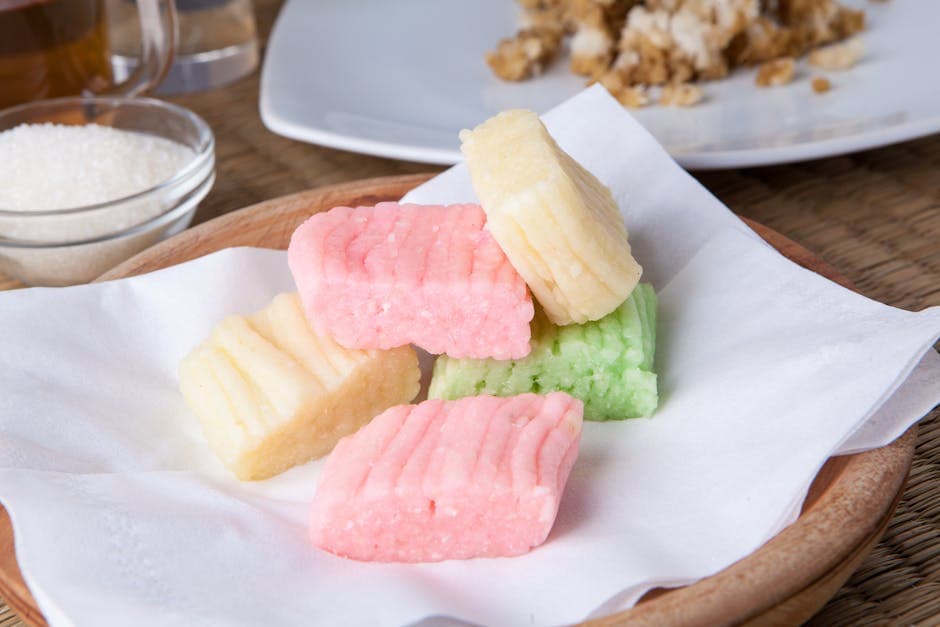
카사바 케이크 팔라우 스타일
코코넛 밀크와 흑설탕으로 구운 진하고 달콤한 카사바 케이크는 인기 있는 팔라우 파티 디저트입니다.
이 레시피 정보
카사바 케이크는 태평양과 동남아시아 전역에 걸쳐 수많은 변형으로 나타납니다. 팔라우 버전은 필리핀 버전보다 밀도가 높고 덜 달콤하며 코코넛 밀크와 흑설탕을 더 많이 사용하여 더 깊고 캐러멜 같은 맛을 냅니다. 생일 파티, 명절, 교회 모임에서 제공되는 이 요리는 큰 쟁반에 구워지고 사각형으로 잘립니다. 소박하지만 아직 오븐에서 따뜻할 때 거부할 수 없는 맛입니다.
재료
서브 12
- 500 g갈은 카사바(신선 또는 냉동, 해동)
- 400 ml코코넛 밀크
- 150 g흑설탕
- 2 큰계란
- 1 작은술바닐라 추출물
조리법
- 1
예열
오븐을 180°C로 예열하세요. 23×33cm 베이킹 트레이에 기름을 바릅니다.
- 2
반죽을 섞는다
큰 그릇에 갈은 카사바, 코코넛 밀크, 흑설탕, 계란, 바닐라를 섞습니다. 설탕이 녹을 때까지 잘 섞는다.
- 3
굽다
준비된 트레이에 반죽을 붓습니다. 꼬치가 깨끗하게 나오고 윗부분이 황금빛 갈색이 될 때까지 40~45분 동안 굽습니다.
- 4
식혀서 자르세요
정사각형으로 자르기 전에 20분 정도 식혀주세요. 따뜻하게 또는 실온에서 제공하십시오.
직접 만들어 보셨나요?
평가를 남기면 다른 분들이 정말 잘 되는 레시피를 찾는 데 도움이 됩니다.
한 번만 로그인하면 방금 선택한 평점을 그대로 저장해 드립니다.
일주일 식단 계획에 필요한 모든 것 — 무료
- 식단 캘린더
- 장보기 목록
- AI 레시피 추천
먹은 음식을 기록하세요
무료 SnapCal 앱에서 식사 사진으로 칼로리와 영양소를 기록하고, 단식 타이머와 물 섭취 기록도 사용하세요.
전문가의 팁
- →
사용하기 전에 신선한 갈은 카사바에서 과도한 수분을 짜내십시오.
- →
케이크는 식으면서 단단해집니다. 뜨거울 때 부드러워 보이더라도 놀라지 마세요.
- →
컵을 사용하는 대신 마른 재료를 저울에 올려 무게를 측정하세요. 그램은 부드러운 부스러기와 딱딱한 부스러기의 차이입니다.
- →
계란과 유제품을 섞기 전에 실온에 꺼내십시오. 차가운 재료는 지방을 붙잡아 조밀하고 고르지 못한 질감을 만들어냅니다.
변형
- •
굽기 전에 코코넛 크림 커스터드를 얹어주세요.
- •
색상과 향을 위해 갈은 판단 잎을 추가합니다.
- •
채식주의자: 단백질을 구운 새송이버섯, 훈제 두부 또는 익힌 병아리콩으로 교체하세요. 이를 보완하기 위해 양념을 약간 높이세요.
- •
더 매콤한 맛: 잘게 다진 신선한 고추나 으깬 알레포/우르파 고추 1티스푼을 방향제에 추가하면 단 한 번의 날카로운 타격 대신 따뜻하고 층층이 가열됩니다.
저장
실온에서 최대 2일, 냉장 보관 시 최대 5일 동안 보관할 수 있습니다.
역사와 유래
카사바는 16세기 스페인 무역업자에 의해 태평양에 소개되었으며 가뭄에 강한 탄수화물로 빠르게 받아들여졌습니다. 카사바 케이크는 미크로네시아와 폴리네시아 전역에서 축제의 필수품이 되었습니다.
자주 묻는 질문
갈은 카사바 대신 카사바 가루를 사용할 수 있나요?
아니요. 갈은 카사바는 특징적인 조밀하고 쫄깃한 질감을 제공합니다. 밀가루는 다른 결과를 낳습니다.
이걸 미리 만들어도 될까요?
예. 대부분의 구성 요소는 최대 하루 전에 준비하여 별도로 냉장 보관할 수 있습니다. 부드럽게 재가열하고 서빙 직전에 조립하여 질감이 뚜렷하게 유지되도록 하세요.
재료가 모두 없으면 무엇으로 대체할 수 있나요?
각 성분이 수행하는 역할에 주의를 기울이십시오. 방향성 성분을 유사한 성분(샬롯에는 양파, 라임에는 레몬)으로 바꾸고 지방-염 균형을 그대로 유지하십시오. 향신료 혼합은 일반적으로 찬장에 있는 것과 비슷합니다.
그것이 진짜인지 어떻게 알 수 있나요?
진정성은 다양한 스펙트럼에 있습니다. 더 중요한 것은 기술과 맛의 균형을 존중하는 것입니다. 요리의 맛이 조화롭고 고향의 요리사가 만드는 방식을 존중한다면, 당신은 견고한 기반 위에 있는 것입니다.
영양성분표
서빙 당 (90g) · 12 총 제공량
시간 요약
가이드에 소개됨
이 레시피는 다음과 같은 선별된 가이드에 소개되어 있습니다.
더 많은 Palauan 레시피
이런 것도 좋아하실 거예요
세계 다른 요리에서 찾은 비슷한 음식.
무료 주방 도구
이 페이지와 함께 쓰는 계산기와 단위 변환기 — 가입 없이 이용 가능.
식단 계획으로 옮기기
캘린더에 넣고, 장보기 목록을 만들고, 가진 재료를 관리하세요.
이어서 읽기
이 요리의 배경을 깊이 다룬 긴 글.
커뮤니티
대화에 참여하세요
댓글을 남기고 좋아하는 레시피를 저장하려면 로그인하세요.