
라크피스크
노르웨이 전통 발효 송어에 플랫브레드, 사워 크림, 적양파를 곁들입니다. 수백 년 된 겨울 별미.
이 레시피 정보
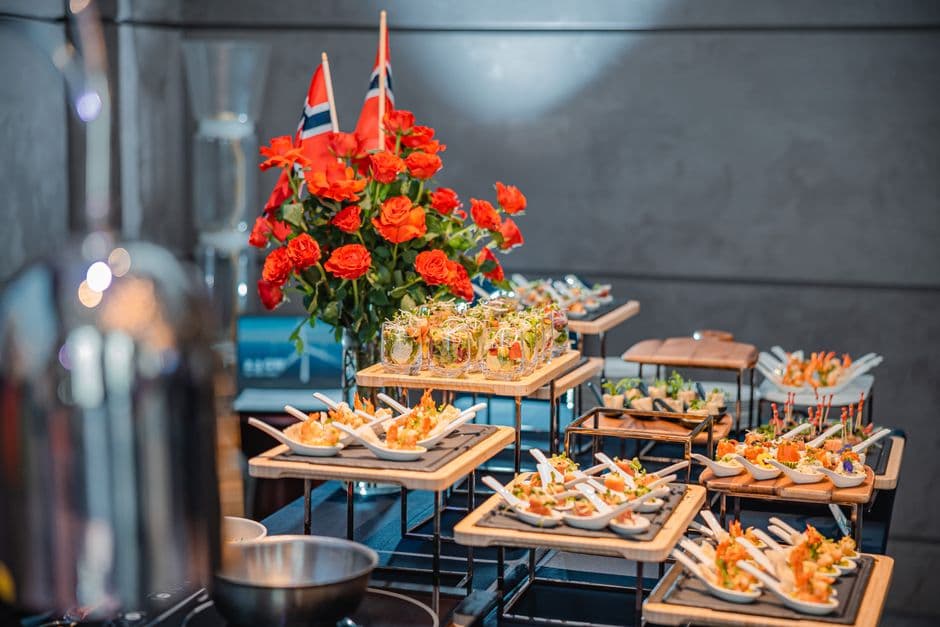
락피스크(Rakfisk)는 노르웨이에서 가장 오래된 보존 식품 중 하나로, 서면 기록은 14세기까지 거슬러 올라갑니다. 송어 또는 숯 전체를 소금에 절인 후 2개월에서 1년까지 무게를 유지하면서 발효시키면 노르웨이인들이 사랑하는 강렬하고 매운 맛이 납니다. 이 요리는 요리하지 않고 차갑게 제공되며 얇게 썰어 바삭한 레프세나 플랫브레드 위에 올려 놓습니다. 매년 11월 파게르네스(Fagernes) 마을에서는 라크피스크 축제(Rakfisk Festival)가 개최되어 수천 명의 열성팬이 모여듭니다. 그것은 익숙한 맛이지만 그것을 좋아하는 사람들에게는 그것 없이는 겨울 식탁이 완성되지 않습니다.
재료
서브 6
- 1 통째로내장을 제거하고 세척한 신선한 송어(약 1.5kg)
- 80 g굵은 바다 소금(생선 무게의 약 5%)
- 1 작은술설탕
- 1 작은술통후추
- 200 ml사워 크림, 서빙
- 1 중간얇게 썬 붉은 양파
- 8 조각레프세 또는 플랫브레드, 서빙하다
- 2 큰술장식용으로 잘게 썬 쪽파
조리법
- 1
생선을 준비하세요
깨끗이 손질한 송어를 안팎으로 두드려서 말려주세요. 피부를 제거하지 마십시오. 소금, 설탕, 통후추를 와동 외부와 내부에 고르게 문지릅니다.
- 2
팩 및 무게
식품에 안전한 플라스틱 용기나 그릇에 생선을 넣으세요. 생선 위에 양피지 조각을 깔고 그 위에 무거운 추(물을 채운 봉지나 깨끗한 벽돌 등)를 올려 눌러주세요.
- 3
발효
최소 2개월 동안 서늘한 환경(4~8°C / 39~46°F)에 보관하세요. 매주 점검하여 과도한 액체를 배출하십시오. 4~6개월간 발효하면 더욱 강한 맛이 납니다.
- 4
썰어서 서빙하세요
준비가 되면 생선을 꺼내 가볍게 헹굽니다. 껍질을 벗기고 등심을 조심스럽게 살을 제거한 다음 훈제 연어와 마찬가지로 살을 비스듬히 얇게 자릅니다.
- 5
조립하다
플랫브레드나 레프세 위에 슬라이스를 놓습니다. 그 위에 사워 크림 한 덩어리, 적양파 링, 쪽파를 뿌립니다. 즉시 봉사하십시오.
직접 만들어 보셨나요?
평가를 남기면 다른 분들이 정말 잘 되는 레시피를 찾는 데 도움이 됩니다.
한 번만 로그인하면 방금 선택한 평점을 그대로 저장해 드립니다.
일주일 식단 계획에 필요한 모든 것 — 무료
- 식단 캘린더
- 장보기 목록
- AI 레시피 추천
먹은 음식을 기록하세요
무료 SnapCal 앱에서 식사 사진으로 칼로리와 영양소를 기록하고, 단식 타이머와 물 섭취 기록도 사용하세요.
전문가의 팁
- →
가능한 가장 신선한 송어를 사용하십시오. 생선의 품질이 최종 제품을 결정합니다.
- →
식품 안전을 보장하기 위해 발효 내내 일정한 차가운 온도를 유지합니다.
- →
차가운 아쿠아비트 또는 얼음처럼 차가운 라거가 전통적인 반주입니다.
- →
마지막에 소금을 맛보고 조절하세요. 액체가 줄어들면서 풍미가 농축되고, 마지막에 얇은 소금을 한 꼬집 넣으면 전체 요리가 더욱 선명해집니다.
변형
- •
북극 곤들매기(røye)는 일부 노르웨이 지역에서 송어 대신 사용됩니다.
- •
일부 생산자는 소나무 향을 치료하기 위해 주니퍼 열매를 추가합니다.
- •
채식주의자: 단백질을 구운 새송이버섯, 훈제 두부 또는 익힌 병아리콩으로 교체하세요. 이를 보완하기 위해 양념을 약간 높이세요.
- •
더 매콤한 맛: 잘게 다진 신선한 고추나 으깬 알레포/우르파 고추 1티스푼을 방향제에 추가하면 단 한 번의 날카로운 타격 대신 따뜻하고 층층이 가열됩니다.
저장
일단 준비되면 rakfisk는 최대 3주 동안 냉장 보관됩니다. 향을 담을 수 있도록 단단히 포장하여 보관하세요.
역사와 유래
발효는 냉장 보관하기 전 긴 겨울 동안 생선을 보존하는 노르웨이의 주요 방법이었습니다. Rakfisk는 특히 크리스마스와 11월 축제 시즌에 즐기는 자랑스러운 문화적 시금석으로 남아 있습니다.
자주 묻는 질문
락피스크는 먹어도 안전한가요?
네, 신선한 생선과 적절한 절임 비율로 만들면 높은 염분 농도가 유해 박테리아를 억제합니다. 항상 생선 등급의 소금을 사용하고 정확한 온도를 유지하십시오.
만드는 것보다 사서 써도 되나요?
예. 노르웨이 생산업체의 상업용 rakfisk는 수출되어 온라인으로 구매 가능하므로 대부분의 가정 요리사에게 실용적인 옵션이 됩니다.
이걸 미리 만들어도 될까요?
예. 대부분의 구성 요소는 최대 하루 전에 준비하여 별도로 냉장 보관할 수 있습니다. 부드럽게 재가열하고 서빙 직전에 조립하여 질감이 뚜렷하게 유지되도록 하세요.
재료가 모두 없으면 무엇으로 대체할 수 있나요?
각 성분이 수행하는 역할에 주의를 기울이십시오. 방향성 성분을 유사한 성분(샬롯에는 양파, 라임에는 레몬)으로 바꾸고 지방-염 균형을 그대로 유지하십시오. 향신료 혼합은 일반적으로 찬장에 있는 것과 비슷합니다.
영양성분표
서빙 당 (180g) · 6 총 제공량
시간 요약
가이드에 소개됨
이 레시피는 다음과 같은 선별된 가이드에 소개되어 있습니다.
더 많은 Norwegian 레시피
이런 것도 좋아하실 거예요
세계 다른 요리에서 찾은 비슷한 음식.
무료 주방 도구
이 페이지와 함께 쓰는 계산기와 단위 변환기 — 가입 없이 이용 가능.
식단 계획으로 옮기기
캘린더에 넣고, 장보기 목록을 만들고, 가진 재료를 관리하세요.
이어서 읽기
이 요리의 배경을 깊이 다룬 긴 글.
커뮤니티
대화에 참여하세요
댓글을 남기고 좋아하는 레시피를 저장하려면 로그인하세요.