
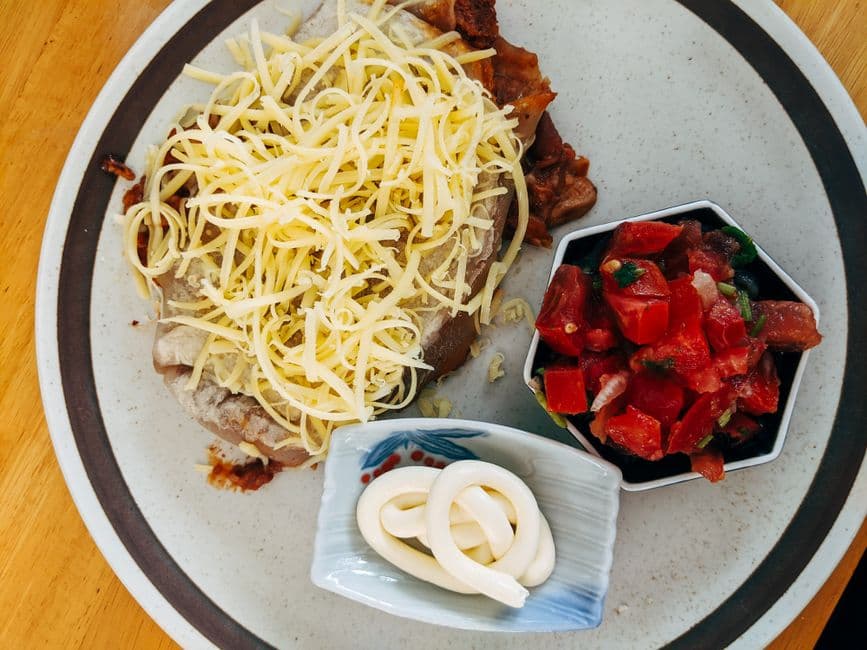
Kapana
Sizzling Namibian street-grilled beef strips served with a peri-peri tomato dipping sauce and fresh bread.
About This Recipe
Kapana is the soul of Windhoek's street-food scene, sold at open-air markets called 'kapana stalls' where vendors grill meat directly over glowing coals. The word itself derives from a local Oshiwambo expression meaning 'cut up'. Vendors slice cheap cuts of beef thin, slap them over scorching iron grates, and toss them in a bright, chilli-spiked sauce made from tomatoes, onion, and vinegar. Eating kapana is a communal ritual — friends share a newspaper-wrapped pile while standing, watching the city move.
Ingredients
Serves 4
- 700 gbeef sirloin or rump, thinly sliced
- 2 tbspcooking oil
- 1 tspsalt
- 1 tspblack pepper
- 3ripe tomatoes, finely diced
- 1small onion, finely diced
- 2red chillies, finely chopped
- 2 tbspwhite vinegar
- 1 tbspWorcestershire sauce
- 1 tspsugar
- 4white bread rolls, to serve
Instructions
- 1
Make the kapana sauce
Combine tomatoes, onion, chillies, vinegar, Worcestershire sauce, and sugar in a bowl. Season with salt and set aside to let the flavours meld for at least 10 minutes.
- 2
Season the beef
Pat the beef slices dry, rub with oil, salt, and pepper. Let stand at room temperature for 5 minutes.
- 3
Grill over high heat
Heat a cast-iron grill pan or braai over high heat until very hot. Grill beef strips for 2–3 minutes per side until charred at the edges and cooked through.
- 4
Chop and toss
Transfer grilled beef to a chopping board and roughly chop into bite-sized pieces. Toss immediately with half the kapana sauce.
- 5
Serve
Pile onto bread rolls and spoon extra sauce over the top. Serve immediately while hot.
Did you make this?
Rate it and help other cooks find the recipes that actually work.
One tap to sign in, and we'll save the rating you just picked.
Everything you need to plan your week — free
- Meal calendar
- Grocery list
- AI recipe ideas
Track what you eat
Snap your meal to log calories and macros, run fasting timers and track water in the free SnapCal app.
Pro Tips
- →
Use the hottest heat possible — the char is essential to authentic flavour.
- →
Cheap cuts like chuck or flank work well since the thin slicing and high heat keep them tender.
- →
Add a splash of soy sauce to the dipping sauce for extra umami depth.
- →
Taste and adjust salt at the very end — flavors concentrate as liquids reduce, and a final pinch of flaky salt sharpens the whole dish.
Variations
- •
Kapana Chicken: substitute chicken thighs for beef.
- •
Kapana Vegan: use portobello mushroom strips seasoned with smoked paprika.
- •
Vegetarian: swap the protein for roasted king oyster mushrooms, smoked tofu or cooked chickpeas — adjust seasoning slightly upward to compensate.
- •
Spicier: add a finely chopped fresh chile or a teaspoon of crushed Aleppo/Urfa pepper to the aromatics for warm, layered heat instead of a single sharp hit.
Storage
Best eaten fresh. Leftovers keep refrigerated for up to 2 days; reheat in a hot pan.
History & Origin
Kapana originated in Namibia's post-independence urban growth when informal market vendors began selling affordable grilled meat to workers in Windhoek's Katutura township in the 1990s. It has since become the country's most beloved street food, celebrated at festivals and featured in travel guides worldwide.
Frequently Asked Questions
What cut of beef is traditionally used?
Cheap secondary cuts such as chuck, rump, or offal are traditional because they are affordable and cook quickly when thinly sliced.
Can I cook kapana indoors?
Yes, a very hot cast-iron grill pan works well, though you will miss the smoky wood-coal aroma of an outdoor braai.
Can I make this ahead of time?
Yes — most of the components can be prepared up to a day in advance and refrigerated separately. Reheat gently and assemble just before serving so textures stay distinct.
What can I substitute if I don't have all the ingredients?
Stay close to the role each ingredient plays: swap aromatics for similar ones (shallot for onion, lime for lemon), and keep the fat-acid-salt balance intact. Spice blends can usually be approximated with what's in the cupboard.
Nutrition Facts
Per serving (280g / 9.9 oz) · 4 servings total
Time Summary
Have Questions?
Ask our AI cooking assistant anything about this recipe — substitutions, techniques, scaling.
Chat with AI Chef →Featured in Guides
This recipe is featured in the following curated guides:
More Namibian Recipes
You Might Also Like
Similar dishes from other cuisines around the world.
Free Kitchen Tools
Calculators and converters that pair with this page — no signup needed.
Put This Into a Plan
Schedule it, shop for it, and track what you already have.
Read Next
Longer reads that go deeper on the ideas behind this dish.
Community
Join the conversation
Sign in to leave a comment and save your favourite recipes