
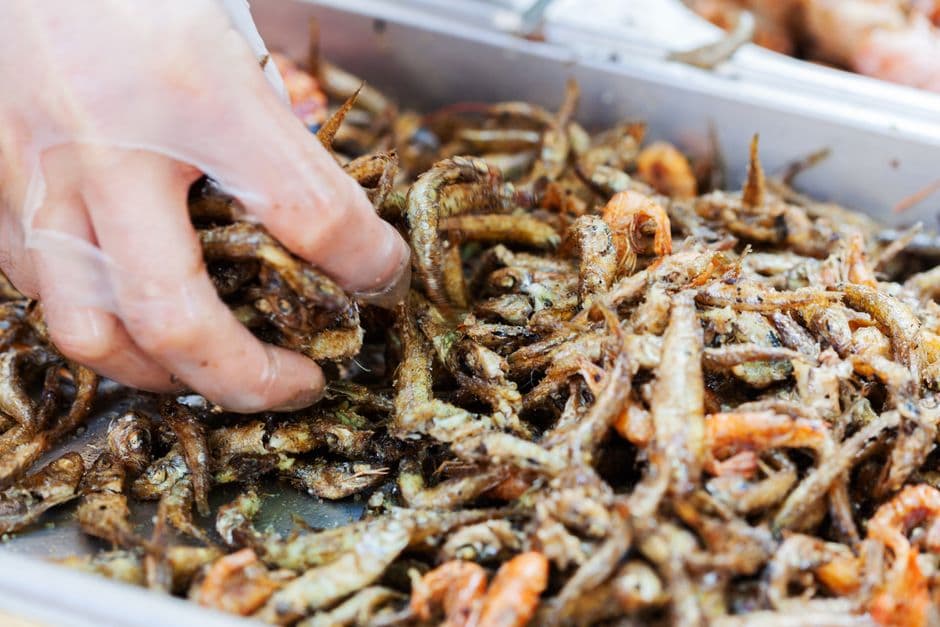
Kapenta
Tiny sun-dried lake sardines fried with tomatoes, onion, and chilli — one of Zambia's most beloved and affordable protein sources.
About This Recipe
Kapenta (Limnothrissa miodon) are small freshwater fish found in Lake Tanganyika and Lake Kariba, harvested by the millions and sun-dried to be sold across Zambia. Their intense, savoury flavour punches far above their tiny size, and they are a nutritional powerhouse — rich in protein, calcium, and omega-3 fatty acids. Fried kapenta with tomatoes and onion is one of the most common ndiwo (relishes) eaten with nshima throughout Zambia, particularly in rural households. The dish is fast to prepare and deeply satisfying.
Ingredients
Serves 4
- 200 gdried kapenta (or dried sardines)
- 1 largeonion, sliced
- 3 mediumtomatoes, diced
- 2 clovesgarlic, minced
- 1 smallgreen chilli, sliced
- 3 tbspvegetable oil
- 1 tspsalt (to taste)
- 0.5 tspblack pepper
- 1 tbspfresh coriander, chopped (optional)
Instructions
- 1
Rinse kapenta
Rinse the dried kapenta in cold water to remove excess salt and any grit. Drain and pat dry.
- 2
Fry onion
Heat oil in a large frying pan over medium-high heat. Add onion and fry for 4–5 minutes until golden.
- 3
Add garlic and chilli
Add garlic and chilli and stir-fry for 1 minute until fragrant.
- 4
Add tomatoes
Add tomatoes and cook for 6–8 minutes, stirring occasionally, until they soften and form a sauce.
- 5
Fry kapenta
Add the rinsed kapenta and stir gently to coat with the tomato sauce. Cook for 5–7 minutes, stirring carefully so the fish doesn't break up too much.
- 6
Season and serve
Taste and adjust salt. Garnish with fresh coriander if using. Serve hot with nshima or rice.
Did you make this?
Rate it and help other cooks find the recipes that actually work.
One tap to sign in, and we'll save the rating you just picked.
Everything you need to plan your week — free
- Meal calendar
- Grocery list
- AI recipe ideas
Track what you eat
Snap your meal to log calories and macros, run fasting timers and track water in the free SnapCal app.
Pro Tips
- →
Do not over-rinse the kapenta — you want to retain some of their natural salty flavour.
- →
For extra depth, add a teaspoon of tomato paste with the tomatoes.
- →
Kapenta can also be cooked in groundnut sauce for a richer dish.
- →
Taste and adjust salt at the very end — flavors concentrate as liquids reduce, and a final pinch of flaky salt sharpens the whole dish.
Variations
- •
Add baby spinach or rape in the last 3 minutes for a one-pan meal.
- •
Mix with coconut milk for a creamier sauce.
- •
Serve with sadza (Zimbabwean maize porridge) — the preparation is popular across the border too.
- •
Vegetarian: swap the protein for roasted king oyster mushrooms, smoked tofu or cooked chickpeas — adjust seasoning slightly upward to compensate.
Storage
Cooked kapenta keeps in the fridge for up to 3 days. The dried, uncooked fish can be stored in a sealed bag for months.
History & Origin
Kapenta fishing on Lake Tanganyika and Lake Kariba has been practised for decades and is now a major industry in Zambia and Zimbabwe. The fish are caught at night using bright lights to attract them, then dried on the lakeshore. Kapenta has become so central to Zambian cuisine that it is affectionately called 'the poor man's protein', though its nutritional density makes it a treasure for any household.
Frequently Asked Questions
Where can I buy kapenta outside Zambia?
Look for dried dagaa, omena, or dried sardines in African or Asian grocery stores — they are excellent substitutes.
Are kapenta very salty?
They can be. Rinsing them before cooking helps, and you should taste before adding any extra salt.
Can I make this ahead of time?
Yes — most of the components can be prepared up to a day in advance and refrigerated separately. Reheat gently and assemble just before serving so textures stay distinct.
What can I substitute if I don't have all the ingredients?
Stay close to the role each ingredient plays: swap aromatics for similar ones (shallot for onion, lime for lemon), and keep the fat-acid-salt balance intact. Spice blends can usually be approximated with what's in the cupboard.
Nutrition Facts
Per serving (200g / 7.1 oz) · 4 servings total
Time Summary
Have Questions?
Ask our AI cooking assistant anything about this recipe — substitutions, techniques, scaling.
Chat with AI Chef →More Zambian Recipes
You Might Also Like
Similar dishes from other cuisines around the world.
Free Kitchen Tools
Calculators and converters that pair with this page — no signup needed.
Put This Into a Plan
Schedule it, shop for it, and track what you already have.
Read Next
Longer reads that go deeper on the ideas behind this dish.
Community
Join the conversation
Sign in to leave a comment and save your favourite recipes