
Chikanda
A unique Zambian delicacy made from wild orchid tubers and peanuts, set into a firm cake often called 'African polony'. Earthy, nutty, and unlike anything else.
About This Recipe
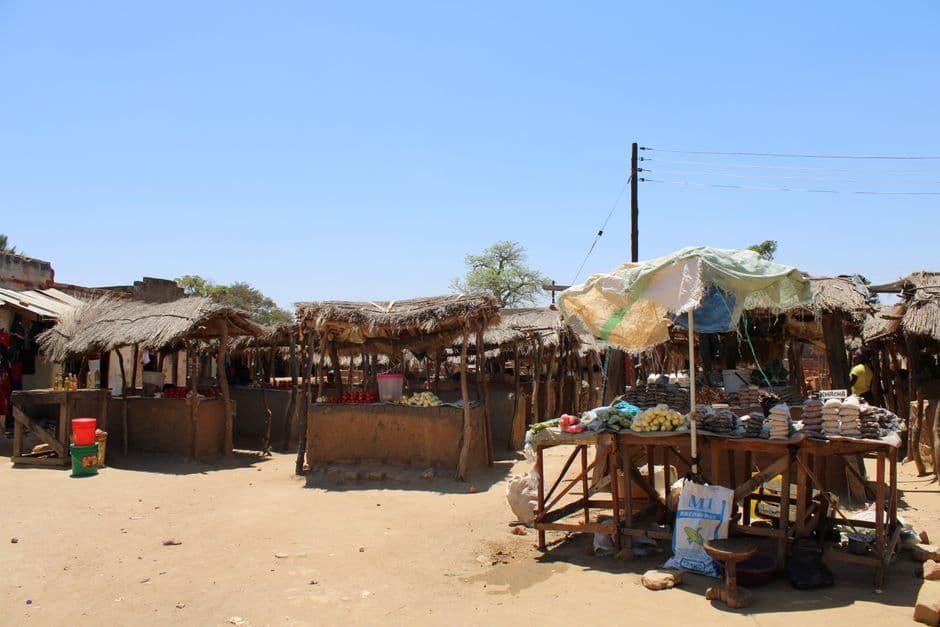
Chikanda is one of the most distinctive dishes in all of Central African cuisine, made from the dried and ground tubers of wild terrestrial orchids mixed with peanuts, baking soda, and chilli to create a firm, sliceable loaf. It is a prized delicacy in Zambia and parts of Tanzania and the Democratic Republic of Congo, traditionally sold at markets and served at celebrations. The dish is entirely plant-based and high in protein from both the orchid tubers and the peanuts. Concerns about overharvesting wild orchids have prompted efforts to cultivate them sustainably.
Ingredients
Serves 6
- 200 gdried chikanda (wild orchid tubers), ground to powder
- 1 cupraw peanuts, roasted and finely ground
- 1 tspbaking soda
- 2 tspsalt
- 1 tspchilli powder or fresh chilli, minced
- 4 cupswater
- 1 mediumonion, finely grated
Instructions
- 1
Mix dry ingredients
In a large bowl, combine the ground chikanda powder, ground peanuts, baking soda, salt, and chilli powder. Mix thoroughly.
- 2
Add water
Gradually add the water to the dry mixture, whisking constantly to prevent lumps. Add the grated onion and mix well.
- 3
Cook the mixture
Pour the mixture into a large heavy-bottomed pot. Cook over medium heat, stirring constantly with a wooden spoon to prevent sticking, for 20–25 minutes until very thick and pulling away from the sides.
- 4
Set the chikanda
Pour the thick mixture into a greased loaf tin or bowl. Smooth the surface. Allow to cool at room temperature for 30 minutes, then refrigerate for at least 2 hours until fully set and firm.
- 5
Slice and serve
Turn out onto a board and slice into thick rounds. Serve cold as a snack or starter.
Did you make this?
Rate it and help other cooks find the recipes that actually work.
One tap to sign in, and we'll save the rating you just picked.
Everything you need to plan your week — free
- Meal calendar
- Grocery list
- AI recipe ideas
Track what you eat
Snap your meal to log calories and macros, run fasting timers and track water in the free SnapCal app.
Pro Tips
- →
Stir continuously during cooking — if you stop, the mixture will stick and burn.
- →
The baking soda reacts with the orchid tubers to help it set firm — do not omit it.
- →
For a spicier version, add extra fresh chilli or dried bird's eye chillies.
- →
Taste and adjust salt at the very end — flavors concentrate as liquids reduce, and a final pinch of flaky salt sharpens the whole dish.
Variations
- •
Add a pinch of smoked paprika for a smoky depth.
- •
Serve sliced with a chilli sauce or tomato relish.
- •
If chikanda tubers are unavailable, some cooks substitute with a blend of dried kidney bean flour, though the result is different.
- •
Vegetarian: swap the protein for roasted king oyster mushrooms, smoked tofu or cooked chickpeas — adjust seasoning slightly upward to compensate.
Storage
Wrap in cling film and refrigerate for up to 5 days. Chikanda is always served cold — do not reheat.
History & Origin
Chikanda has been made by the Tonga, Bemba, and other Zambian peoples for centuries and is considered a prestige food — given as gifts and served at funerals and weddings. The wild orchids used are harvested from the miombo woodland and were historically abundant; today, sustainable harvesting practices are being encouraged to protect the orchid population. The dish has no real parallel anywhere else in the world.
Frequently Asked Questions
Where can I find dried chikanda tubers outside Zambia?
Speciality African food shops or online retailers serving the Central African diaspora sometimes stock them. They may be labelled 'chikanda' or 'kinaka'.
Why is baking soda used?
Baking soda (sodium bicarbonate) reacts with compounds in the orchid tubers to help the mixture set firm. Without it, the chikanda will remain soft.
Can I make this ahead of time?
Yes — most of the components can be prepared up to a day in advance and refrigerated separately. Reheat gently and assemble just before serving so textures stay distinct.
What can I substitute if I don't have all the ingredients?
Stay close to the role each ingredient plays: swap aromatics for similar ones (shallot for onion, lime for lemon), and keep the fat-acid-salt balance intact. Spice blends can usually be approximated with what's in the cupboard.
Nutrition Facts
Per serving (180g / 6.3 oz) · 6 servings total
Time Summary
Have Questions?
Ask our AI cooking assistant anything about this recipe — substitutions, techniques, scaling.
Chat with AI Chef →Featured in Guides
This recipe is featured in the following curated guides:
More Zambian Recipes
You Might Also Like
Similar dishes from other cuisines around the world.
Free Kitchen Tools
Calculators and converters that pair with this page — no signup needed.
Put This Into a Plan
Schedule it, shop for it, and track what you already have.
Read Next
Longer reads that go deeper on the ideas behind this dish.
Community
Join the conversation
Sign in to leave a comment and save your favourite recipes