
In This Article
Track what you eat
Snap your meal to log calories and macros, run fasting timers and track water in the free SnapCal app.
Related Recipes
Related Guides
Gluten-free baking has a deserved reputation for producing results that are dense, gummy, crumbly or all three simultaneously. This reputation is earned — but not unavoidable. Understanding why gluten matters in baking, and how specific alternative flours and techniques compensate for its absence, unlocks genuinely excellent gluten-free results. This guide covers everything from the science of gluten to the best flour blends for different applications.
What Gluten Does in Baking (And Why It's Hard to Replace)
Gluten is a protein network that forms when two proteins present in wheat — gliadin and glutenin — hydrate and are worked by mixing or kneading. The resulting elastic, extensible network:
1. Traps gas bubbles produced by yeast or baking powder, allowing baked goods to rise and hold structure. 2. Creates chew and texture — the stretchy network gives bread its characteristic pull and cakes their tender crumb structure. 3. Provides structure — gluten sets when heated, giving baked goods their shape.
Without gluten, baked goods lack all three of these properties simultaneously. This is why gluten-free baking requires not just a flour substitute but a complete structural strategy — different ingredients must perform the gas-trapping, texture-creating and structure-setting functions that gluten performs in wheat baking.
Xanthan gum is the most common gluten substitute in commercial gluten-free baking. It mimics gluten's binding and gas-trapping properties. Most gluten-free flour blends include it; if yours doesn't, add 0.5 tsp per 150g of flour for cakes, 1 tsp for bread.
The Best Gluten-Free Flours and Their Ideal Applications
Rice flour (white and brown): The most neutral-flavoured GF flour. White rice flour has a fine, slightly gritty texture; brown rice flour is slightly nuttier and heavier. Best for: all-purpose blends, cakes, biscuits, tempura batter.
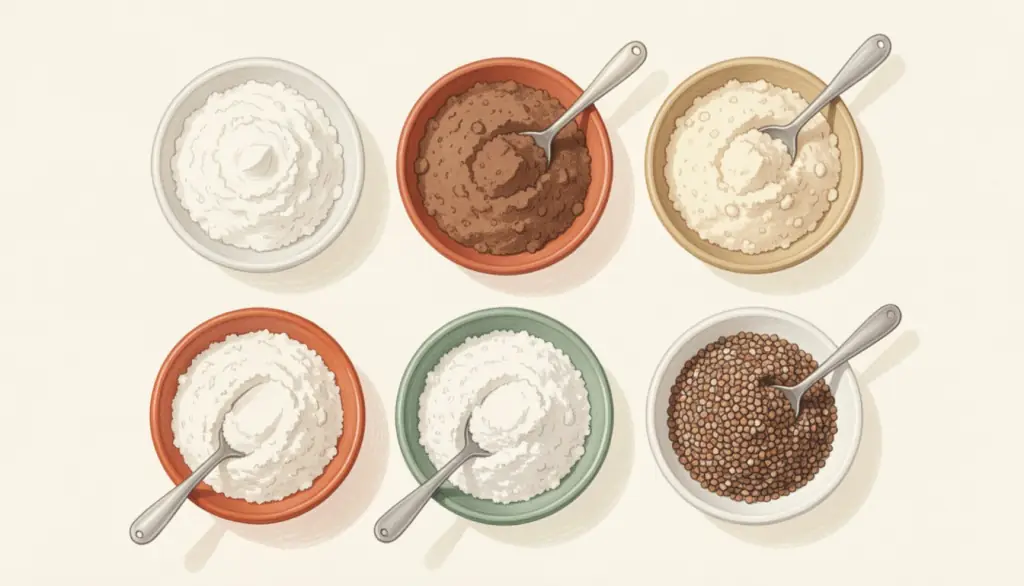
Almond flour: Made from blanched, ground almonds. High in fat and protein; produces moist, dense, rich results. Best for: dense cakes (financiers, frangipane), cookies, brownies, pancakes. Does not work as a 1:1 wheat flour substitute in most recipes.
Tapioca starch: Extracted from cassava root. Adds chew, lightness and a slight gloss. Essential component of GF blends for bread and pizza. Best for: blending with heavier flours to lighten texture.
Oat flour (GF certified): Has mild flavour and relatively good baking performance among GF flours. Higher in protein than rice flour. Best for: muffins, pancakes, cookies, quick breads. Note: must be certified GF for coeliac sufferers as standard oats are cross-contaminated.
Chickpea flour (besan): High protein, slightly nutty flavour. Best for: savoury pancakes (socca), fritters, binding. Not ideal for sweet baking due to its distinctive flavour.
Buckwheat flour: Despite the name, buckwheat is not wheat and is naturally gluten-free. Earthy, slightly bitter flavour. Best for: pancakes (galettes), soba noodles, crêpes, rustic bread blends.
The GF Blend Formula: Building Your Own All-Purpose Mix
Commercial gluten-free flour blends work by combining flours of different characteristics to approximate the properties of wheat flour. You can build an excellent all-purpose blend:
All-Purpose GF Blend: - 200g white rice flour - 100g tapioca starch - 100g potato starch - 1 tsp xanthan gum
This blend performs well in cakes, muffins, pancakes, biscuits and light quick breads. For bread, replace some rice flour with buckwheat and add an extra 0.5 tsp xanthan gum.
For dense, moist cakes: Replace 50% of the rice flour with almond flour — the fat content of almond flour dramatically improves moisture retention.
The key principle: lighter starches (tapioca, potato) add lightness; heavier flours (rice, buckwheat, almond) add structure and flavour. A good blend balances both.
Always weigh GF flour blends precisely — they behave differently from wheat flour and are particularly sensitive to ratio errors.
Essential GF Baking Techniques
Rest the batter: Letting GF batters rest for 15–30 minutes before baking allows starches to hydrate fully and reduces graininess significantly.
Use eggs strategically: Eggs are structural heroes in GF baking. Extra eggs (or extra yolks) compensate for the absence of gluten structure. Many GF recipes call for one extra egg beyond the wheat version.
Add moisture: GF flours generally absorb more liquid than wheat flour but produce drier results. Add extra milk, yogurt or an extra tablespoon of oil to most GF adaptations.
Bake at slightly lower temperature longer: GF goods are prone to browning quickly on the outside while remaining underbaked in the centre. Reduce oven temperature by 10–15°C and extend baking time by 5–10 minutes.
Don't skip xanthan gum: In most applications it's the single ingredient that makes GF baking work. Its absence results in crumbly goods that fall apart.
Everything you need to plan your week — free
- Meal calendar
- Grocery list
- AI recipe ideas
A Reliable Gluten-Free Muffin Method, Step by Step
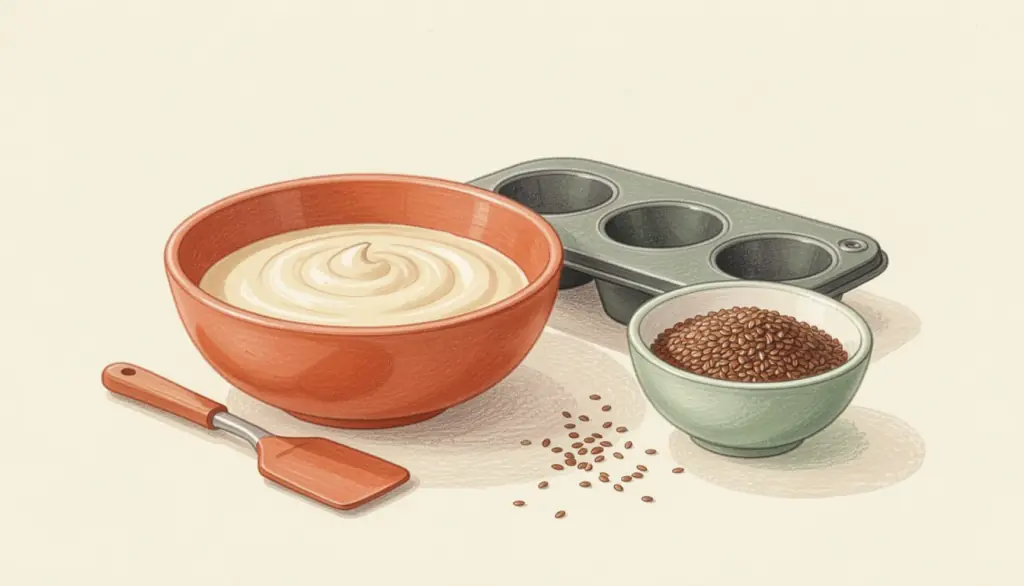
Muffins are the best place to start, because they are forgiving, quick and need no kneading. This method uses the all-purpose blend from above and works for most flavors.
Dry: 300 g of the blend, 2 teaspoons baking powder, ½ teaspoon salt and 100 g sugar. Wet: 2 eggs, 240 ml milk or yogurt, 80 ml oil and a teaspoon of vanilla.
1. Heat the oven to 350°F / 175°C and line a muffin tin. 2. Whisk the dry ingredients thoroughly, since the starches and flours need to be evenly distributed. 3. Whisk the wet ingredients separately, then pour them into the dry and stir until just combined. 4. Let the batter rest for 20 to 30 minutes. The batter will thicken as the starches hydrate, and the finished muffins will be less gritty. 5. Fold in blueberries, chocolate or chopped nuts. 6. Fill the cups about three-quarters full and bake for 20 to 25 minutes, until a toothpick comes out clean. 7. Cool in the tin for 10 minutes, then on a rack.
If the tops brown before the centers set, tent them with foil. Gluten-free baked goods set as they cool, so resist cutting into them straight from the oven.
Weigh your ingredients rather than using cups. A cup of gluten-free blend can vary by 20 grams or more, and that is enough to turn a tender muffin into a dry one.
Yeast Breads: What Changes Without Gluten
Bread is the hardest gluten-free bake, because gluten is precisely what makes wheat dough stretch and trap gas. Gluten-free bread uses different rules.
Think batter, not dough. Most gluten-free bread doughs are wetter and stickier than wheat dough. They are spooned or scraped into the pan rather than kneaded and shaped.
Use a binder. Xanthan gum or psyllium husk gives the dough elasticity. Psyllium absorbs a lot of water, so follow the recipe's amounts exactly.
Support the loaf. Bake in a loaf pan, because a free-form loaf often spreads. Smooth the top with a wet spatula.
Watch the rise. Gluten-free dough has little strength to hold a large rise and can collapse if overproofed. Bake when the dough is about 50 percent larger.
Bake until done. The inside should reach 205 to 210°F (96 to 99°C) to avoid a gummy crumb. Check with a thermometer.
Cool completely. Slice only after the loaf has cooled for at least an hour, since the crumb is still setting.
Our bread science guide explains how fermentation and gluten work in wheat bread, which makes it easier to see what a gluten-free loaf has to make up for.
Naturally Gluten-Free Bakes to Start With
You do not have to convert a wheat recipe to bake well without gluten. Many traditional recipes are gluten-free by design, and they avoid the problems of substitute flours entirely.
• Pão de queijo: Brazilian cheese bread made with tapioca starch. It is chewy, cheesy and takes minutes to mix. • Socca: a crisp, savory pancake made from chickpea flour, water and olive oil, baked at high heat. • Arepas: griddled corn cakes made with pre-cooked cornmeal, which can be split and stuffed. • Buckwheat galettes: savory crêpes from Brittany made with buckwheat flour.
For anyone avoiding gluten strictly, check the packaging. Cornmeal, buckwheat flour, chickpea flour and oats are sometimes milled or packed alongside wheat, so look for a gluten-free label. A recipe being traditionally gluten-free does not guarantee that every ingredient you buy is safe.
These bakes also make good practice. Baking them a few times builds your sense of how batter, starch and fat behave without gluten, which makes the more demanding conversions easier later.
Troubleshooting: Gummy, Gritty, Dry or Sunken
Most gluten-free failures follow a handful of patterns. Match the symptom to the likely cause.
• Gummy or wet inside: too much starch or xanthan gum, too much liquid, or underbaking. Bake longer, check the internal temperature, and cool completely before slicing. • Gritty: the rice flour did not hydrate. Rest the batter for 20 to 30 minutes, or use a finer-ground flour. • Dry and crumbly: not enough binder, fat or moisture. Add an extra egg yolk, a spoonful of yogurt or applesauce, or a little more xanthan gum. • Sunken in the center: underbaked, or too much leavening. Check your oven temperature with a thermometer. • Dark outside, raw inside: the oven is too hot. Lower it by about 25°F (15°C) and bake longer. • Dense and heavy: too much heavy flour such as brown rice or buckwheat, or not enough starch in the blend. • Stale after a day: gluten-free baked goods tend to dry out faster. Freeze portions on the day you bake them and thaw as needed.
For a closer look at each flour and how to combine them, see our gluten-free flour masterclass. Change one variable at a time and write it down.
Cross-Contamination and Who Needs to Be Strict
The care you need depends on why you are avoiding gluten.
For people with coeliac (celiac) disease, even small amounts of gluten can cause intestinal damage, so strict avoidance is necessary. That means certified gluten-free flours and oats, clean equipment, separate toasters and butter tubs that crumbs have not touched, and careful reading of sauces, seasonings and stock, since gluten hides in places such as soy sauce and spice blends. Our guide to hidden gluten in condiments lists common culprits.
For people with non-coeliac gluten sensitivity or a wheat allergy, the thresholds differ, so follow the advice of your doctor or dietitian.
If you suspect you react to gluten, see a doctor before cutting it out. Testing for coeliac disease generally requires you to be eating gluten, and a gluten-free diet started first can produce misleading results. Our comparison of celiac disease and gluten sensitivity explains the differences.
If you want help working out a recipe, the AI recipe generator accepts gluten-free as a dietary need. Generated recipes are drafts, so for coeliac disease always verify every ingredient label yourself.
Key Takeaways
Gluten-free baking is genuinely more complex than wheat baking — not because it's harder to execute, but because more variables need to be managed simultaneously. Understanding what gluten does and how specific ingredients replace its functions allows you to approach GF recipes with confidence rather than hope. The best results come from using a quality blend, understanding the specific properties of each flour, and applying a few technique adjustments. Excellent gluten-free baking is entirely achievable.
Frequently Asked Questions
Can I substitute gluten-free flour 1:1 for plain flour?▼
What is xanthan gum and is it safe?▼
Is gluten-free flour healthier than wheat flour?▼
Why is my gluten-free bread gummy?▼
Why do gluten-free baked goods go stale so quickly?▼
More in Cooking Techniques
View all
Free Kitchen Tools
Calculators and converters that pair with this page — no signup needed.
About This Article
Written by James Chen, Culinary Writer. Published April 5, 2026. Updated November 12, 2026.
Editorial policy: Articles are drafted with the help of AI tools, link to the sources they rely on, and are updated when we find an error or newer evidence. Health articles are general information, not medical advice.
About the Author
Writes about cooking technique, world cuisine and the science of flavour — why a step works, not just what to do.