
Placali
A smooth, gelatinous Ivorian cassava paste with a distinctive sour tang, traditionally eaten with palm nut soup or vegetable stew and a staple of Côte d'Ivoire's southern and western regions.
About This Recipe
Placali occupies a unique place in Ivorian cuisine as perhaps the most texturally distinct of the country's staple starches. It is made from fermented cassava that has been finely ground and cooked with water into a smooth, translucent, slightly sticky gel. Its sour flavour from fermentation gives it a personality quite different from regular fufu or attiéké, and it pairs exceptionally well with the richness of palm nut soup (sauce graine). Placali is closely associated with the Bété people of western Côte d'Ivoire and the Lagoon communities of the south, where cassava has been cultivated and fermented for centuries.
Ingredients
Serves 4
- 1 kgfresh cassava, peeled and grated (or 400 g cassava flour)
- 4 cupswater
- 1 tspsalt
- 400 mlcanned palm nut cream (or 500 g fresh palm nuts, boiled and blended)
- 300 gsmoked fish or beef, flaked
- 2 tbspground crayfish
- 1 largeonion, diced
- 2 wholefresh chilli peppers, sliced
- 1 cubeMaggi seasoning cube
- 1.5 cupswater (for soup)
Instructions
- 1
Ferment the cassava (if making from fresh)
Grate peeled cassava finely. Place in a cloth bag or cheesecloth and press out excess liquid. Let the pressed cassava sit at room temperature for 24–48 hours to ferment slightly, until it smells pleasantly sour. (Skip this step if using cassava flour.)
- 2
Dissolve cassava in water
Mix fermented cassava (or cassava flour) with 2 cups of the cold water until smooth and lump-free.
- 3
Cook the placali
Bring remaining 2 cups of water with salt to a boil in a thick-bottomed pot. Gradually stir in the cassava mixture while whisking constantly to prevent lumps. Cook over medium heat, stirring vigorously with a wooden spoon, for 10–15 minutes until the paste thickens, becomes transparent, and begins to pull away from the sides.
- 4
Shape
Transfer to a wet bowl, smooth the surface, and let cool for 3–5 minutes. Invert onto a plate. The placali should be smooth, glossy, and hold its shape. Alternatively, shape into balls with wet hands.
- 5
Make the palm nut soup
Combine palm nut cream, onion, chilli, crayfish, Maggi, and water in a pot. Bring to a boil, reduce heat, and simmer 15 minutes. Add smoked fish, simmer 5 more minutes. Adjust seasoning.
- 6
Serve
Serve placali alongside a generous bowl of palm nut soup, tearing off pieces of placali and dipping into the soup.
Did you make this?
Rate it and help other cooks find the recipes that actually work.
One tap to sign in, and we'll save the rating you just picked.
Everything you need to plan your week — free
- Meal calendar
- Grocery list
- AI recipe ideas
Track what you eat
Snap your meal to log calories and macros, run fasting timers and track water in the free SnapCal app.
Pro Tips
- →
Constant stirring during cooking is essential — placali scorches easily.
- →
The transparency of the cooked paste is the sign it is done; cloudy paste needs more cooking.
- →
Wet tools prevent the sticky paste from clinging to your spoon and hands.
- →
Taste and adjust salt at the very end — flavors concentrate as liquids reduce, and a final pinch of flaky salt sharpens the whole dish.
Variations
- •
Serve with okra soup instead of palm nut soup for a different pairing.
- •
Add a small amount of cornstarch to cassava flour placali for a firmer, more elastic texture.
- •
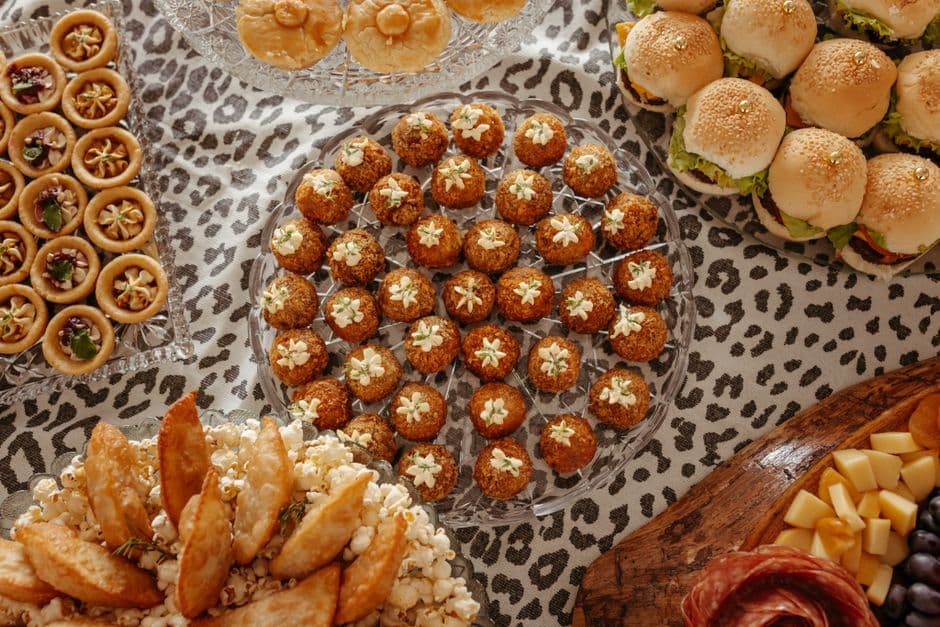
Make mini placali balls to serve as part of a larger Ivorian spread.
- •
Vegetarian: swap the protein for roasted king oyster mushrooms, smoked tofu or cooked chickpeas — adjust seasoning slightly upward to compensate.
Storage
Store placali covered in the fridge for up to 2 days. It firms significantly when cold — reheat in a microwave with a damp cloth over the top or re-warm by briefly dipping in hot water.
History & Origin
Placali is one of the oldest forms of cassava preparation in West Africa, developed centuries ago when cassava was first adopted as a crop in the region. The fermentation technique serves both as a preservation method and as a way to remove naturally occurring cyanide from cassava. It is deeply tied to the food traditions of the forest zone peoples of Côte d'Ivoire and neighbouring countries.
Frequently Asked Questions
Is placali the same as fufu?
Similar concept but different texture and flavour. Placali is more translucent and gel-like with a pronounced sour note from fermentation, while fufu (foutou) from yam or plantain is more opaque and denser.
Can I skip the fermentation?
Yes — using cassava flour directly gives a faster, milder-tasting placali. The fermented version has a characteristic sourness that is authentic but not essential.
Can I make this ahead of time?
Yes — most of the components can be prepared up to a day in advance and refrigerated separately. Reheat gently and assemble just before serving so textures stay distinct.
What can I substitute if I don't have all the ingredients?
Stay close to the role each ingredient plays: swap aromatics for similar ones (shallot for onion, lime for lemon), and keep the fat-acid-salt balance intact. Spice blends can usually be approximated with what's in the cupboard.
Nutrition Facts
Per serving (400g / 14.1 oz) · 4 servings total
Time Summary
Have Questions?
Ask our AI cooking assistant anything about this recipe — substitutions, techniques, scaling.
Chat with AI Chef →Featured in Guides
This recipe is featured in the following curated guides:
More Ivorian Recipes
You Might Also Like
Similar dishes from other cuisines around the world.
Free Kitchen Tools
Calculators and converters that pair with this page — no signup needed.
Put This Into a Plan
Schedule it, shop for it, and track what you already have.
Read Next
Longer reads that go deeper on the ideas behind this dish.
Community
Join the conversation
Sign in to leave a comment and save your favourite recipes