
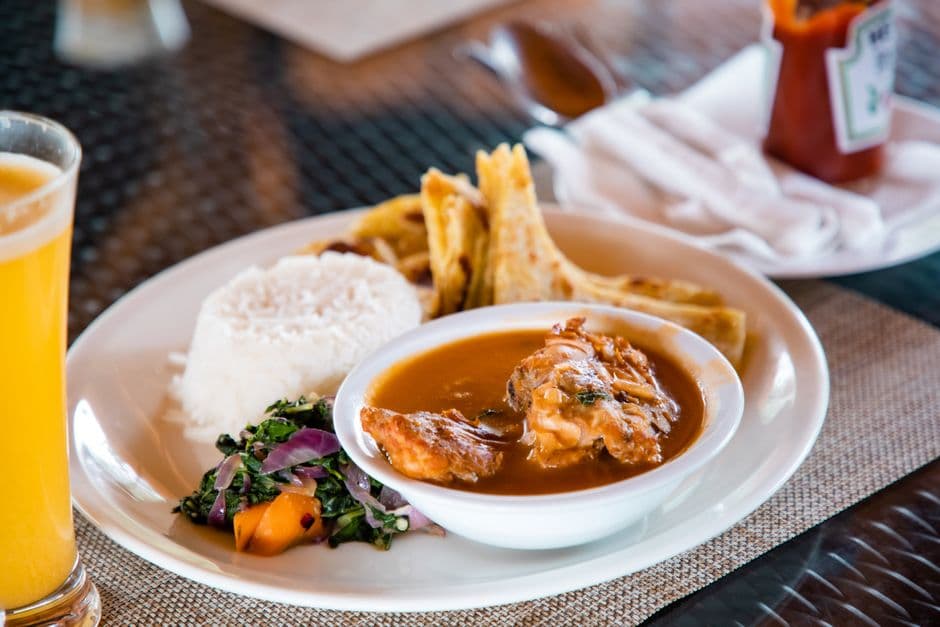
بوشو نا دينغو
أوجالي من الذرة البيضاء الصلبة تقدم مع يخنة العدس والطماطم المتبلة. عنصر أساسي أوغندي يومي مليء بالبروتين والنكهات الترابية الدافئة.
حول هذه الوصفة
بوشو (وتسمى أيضًا أوجالي في أجزاء أخرى من شرق أفريقيا) هي عصيدة من الذرة الصلبة التي تعتبر بمثابة النشا الأساسي لملايين الأوغنديين، خاصة في المناطق الشمالية والغربية من البلاد. يُصنع البوشو من دقيق الذرة الأبيض المطحون جيدًا ويُطهى في الماء المغلي حتى يصبح سميكًا بما يكفي ليحافظ على شكله، ويُؤكل البوشو يدويًا ويستخدم في تناول اليخنة والصلصات المصاحبة. يعتبر دنغو - العدس أو البازلاء الخضراء - المطبوخ في الطماطم العطرية وصلصة التوابل أحد أكثر مرافقاتها شيوعًا، حيث يوفر البروتين النباتي ونكهة غنية. يعد مزيج posho na dengu وجبة يومية للعديد من العائلات الأوغندية ويمثل تراث الطهي الأوسع في شرق إفريقيا للبلاد.
المكونات
يخدم 4
- 300 غدقيق الذرة البيضاء (دقيق البوشو/الأوغالي)
- 900 ملالماء (للبوشو)
- 1 ملعقة صغيرةملح (للبوشو)
- 300 غالعدس الأحمر أو الأخضر المجفف (دينغو)، مغسول
- 750 ملماء أو مرق خضار (للعدس)
- 1 كبيربصلة مفرومة ناعماً
- 3 فصوصالثوم المفروم
- 1 ملعقة صغيرةزنجبيل طازج، مبشور
- 2 متوسططماطم مقطعة إلى مكعبات
- 1 ملعقة كبيرةمعجون الطماطم
- 2 ملعقة كبيرةزيت نباتي
- 1 ملعقة صغيرةالكمون المطحون
- 1 ملعقة صغيرةكزبرة مطحونة
- 1/2 ملعقة صغيرةالكركم
- 1/2 ملعقة صغيرةمسحوق الفلفل الحار
- 1 ملعقة صغيرةملح
- 1 حفنةكزبرة طازجة أو سبانخ للتزيين
التعليمات
- 1
اطبخ العدس
ضعي العدس المغسول في قدر مع الماء أو المرق. يُغلى المزيج ويُزال أي رغوة ثم يُخفض الحرارة ويُترك على نار خفيفة لمدة 20-25 دقيقة حتى يصبح طريًا تمامًا ويتم امتصاص معظم السائل. ضع جانبا.
- 2
اصنع قاعدة الطماطم والتوابل
سخني الزيت في مقلاة واسعة على نار متوسطة. يقلى البصل لمدة 8-10 دقائق حتى يصبح ذهبي اللون. أضيفي الثوم والزنجبيل والكمون والكزبرة والكركم ومسحوق الفلفل الحار وقلبي لمدة دقيقتين. أضيفي الطماطم المقطعة ومعجون الطماطم واطهيها لمدة 8 دقائق حتى تصبح سميكة.
- 3
يُمزج العدس مع الصلصة
أضيفي العدس المطبوخ إلى صلصة الطماطم المتبلة. يقلب جيدا للجمع. أضف دفقة من الماء إذا كانت سميكة جدًا. يُطهى المزيج معًا لمدة 10 دقائق حتى تمتزج النكهات. الموسم مع الملح. أضيفي الكزبرة الطازجة أو السبانخ في النهاية.
- 4
اصنع البوشو
يُغلى 900 مل من الماء المملح في وعاء ثقيل القاع حتى يغلي. يُسكب دقيق الذرة تدريجيًا في تيار مستمر، مع التحريك بقوة باستخدام ملعقة خشبية لمنع تكون الكتل. خففي الحرارة إلى درجة منخفضة جدًا واستمري في التقليب لمدة 10-15 دقيقة حتى يتكاثف البوشو وينسحب بعيدًا عن جوانب القدر.
- 5
الشكل والخدمة
عندما يصبح البوشو قاسيًا وناعمًا جدًا (يجب أن يكون ثابتًا)، اغمسي ملعقة كبيرة في الماء واستخدميها لغرف الأجزاء المستديرة في الأطباق. يُقدم يخنة عدس الدنجو جنبًا إلى جنب أو يُسكب فوقه. تقليديا تؤكل باليد.
هل جرّبت هذه الوصفة؟
قيّمها وساعد الآخرين في العثور على الوصفات التي تنجح فعلاً.
سجّل الدخول بنقرة واحدة وسنحفظ التقييم الذي اخترته للتو.
كل ما تحتاجه لتخطيط أسبوعك — مجانًا
- تقويم الوجبات
- قائمة التسوق
- أفكار وصفات بالذكاء الاصطناعي
تابع ما تأكله
صوّر وجبتك لتسجيل السعرات والعناصر الغذائية، واستخدم مؤقتات الصيام وتتبع شرب الماء في تطبيق SnapCal المجاني.
نصائح للمحترفين
- →
قم بتحريك البوشو باستمرار بمجرد إضافة الدقيق لمنع تكون الكتل.
- →
يصبح البوشو جاهزًا عندما يبدأ في ترك جوانب الوعاء ويشكل كرة ناعمة وصلبة.
- →
العدس الأحمر يطهى بشكل أسرع ويعطي يخنة كريمية أكثر. العدس الأخضر يحافظ على شكله بشكل أفضل.
- →
احتفظ بإبريق من الماء الدافئ بالقرب منك لتبليل الملعقة عند تشكيل البوشو.
الاختلافات
- •
أضف 200 جرام من أوراق السبانخ أو اللفت أو القطيفة المفرومة إلى يخنة العدس.
- •
أضف علبة واحدة من حليب جوز الهند إلى يخنة العدس للحصول على صلصة كريمية وأكثر ثراءً.
- •
يقدم مع شرائح الطماطم الخام والبصل والليمون كمرافقة طازجة.
- •
نباتي: استبدل البروتين بفطر المحار المحمص أو التوفو المدخن أو الحمص المطبوخ - اضبط التتبيل قليلاً لأعلى للتعويض.
تخزين
من الأفضل تحضير Posho طازجًا لأنه يتصلب عند تبريده. يمكن تقطيع البوشو المتبقي إلى شرائح وقليه في الزيت. يتم تبريد يخنة العدس جيدًا لمدة تصل إلى 4 أيام وتجميدها لمدة تصل إلى شهرين.
التاريخ والأصل
أصبح البوشو عنصرًا أساسيًا في أوغندا خلال الفترة الاستعمارية في أوائل القرن العشرين، عندما روجت السلطات الاستعمارية البريطانية لزراعة الذرة باعتبارها محصولًا غذائيًا عالي الإنتاجية. لقد حلت تدريجياً محل الذرة الرفيعة والدخن الأصليين في العديد من المناطق. اليوم، لا يمكن فصل البوشو عن الهوية الأوغندية، حيث يتم تقديمه في المدارس والسجون والثكنات العسكرية والمنازل في جميع أنحاء البلاد.
الأسئلة المتداولة
ما هو الدقيق الذي يجب أن أستخدمه في البوشو؟
استخدم دقيق الذرة الأبيض المطحون جيدًا (وليس دقيق الذرة أو عصيدة من دقيق الذرة، لأنها خشنة جدًا). وهي متوفرة في محلات البقالة الأفريقية وبعض متاجر الأطعمة الصحية. العلامات التجارية مثل وجبة Ugali أو دقيق الذرة من شرق أفريقيا مناسبة.
لماذا هو بلدي posho متكتل؟
تتشكل الكتل عند إضافة الدقيق بسرعة كبيرة أو عند عدم التقليب بسرعة كافية. قم دائمًا بإضافة الدقيق في تيار بطيء وثابت مع التحريك بقوة. إذا تشكلت كتل، قومي بتفتيتها بالجزء الخلفي من الملعقة على الفور.
هل يمكنني القيام بذلك في وقت مبكر؟
نعم، يمكن تحضير معظم المكونات قبل يوم واحد وتبريدها بشكل منفصل. يُعاد تسخينه بلطف ويُجمّع قبل التقديم مباشرةً حتى يظل القوام مميزًا.
ما الذي يمكنني استبداله إذا لم يكن لدي جميع المكونات؟
ابق على مقربة من الدور الذي يلعبه كل مكون: استبدل المواد العطرية بأخرى مماثلة (الكراث بالبصل، والليمون الحامض بالليمون)، وحافظ على توازن الدهون والأحماض والملح سليمًا. يمكن عادة تقريب خلطات التوابل مع ما هو موجود في الخزانة.
حقائق التغذية
لكل وجبة (480g) · 4 حصص إجمالية
ملخص الوقت
هل لديك أسئلة؟
اسأل مساعد الطبخ الذي يعمل بالذكاء الاصطناعي لدينا أي شيء عن هذه الوصفة - البدائل والتقنيات والقياس.
الدردشة مع AI Chef →ظهرت في الأدلة
هذه الوصفة واردة في الأدلة المنسقة التالية:
المزيد من وصفات Ugandan
قد يعجبك أيضًا
أطباق مشابهة من مطابخ أخرى حول العالم.
أدوات مطبخ مجانية
حاسبات ومحوّلات تكمّل هذه الصفحة — دون الحاجة إلى تسجيل.
حوّلها إلى خطة
جدولها، تسوّق لها، وتابع ما لديك بالفعل.
اقرأ بعد ذلك
مقالات أطول تتعمّق في الأفكار وراء هذا الطبق.
مجتمع
انضم إلى المحادثة
قم بتسجيل الدخول لترك تعليق وحفظ وصفاتك المفضلة