Low-Carb High-Protein Meal Plan: 7 Days, Real Recipes
A practical low-carb, high-protein meal plan for muscle maintenance and steady energy — macro targets, a 7-day plan, and meal-prep strategy.
A low-carb, high-protein plan is the go-to approach for people who want steady energy, better satiety, and muscle maintenance without going as restrictive as strict keto. Unlike keto, you're not chasing ketosis or a specific fat percentage — you're simply prioritizing protein at every meal (roughly 30-40g), keeping carbs moderate rather than near-zero (100-150g a day is a common target, versus keto's 20-50g), and building meals that are genuinely easy to prep in bulk on a Sunday. This guide gives you the macro targets, a realistic 7-day plan built from real recipes that reheat well, and the meal-prep system that keeps the plan sustainable instead of turning into three days of enthusiasm followed by takeout.
Macro Targets: Simpler Than Keto
A common starting split: protein at roughly 30-35% of calories (or a flat 1g per pound of bodyweight as a simpler rule), carbs at 25-35% (moderate — vegetables, some whole grains, fruit in normal portions), and fat filling the remainder. This is meaningfully less restrictive than keto's near-zero carb target, which is exactly the point — it's sustainable for people who want structure without eliminating entire food groups, and it still supports muscle retention during a calorie deficit far better than a low-protein diet would.
7-Day Plan
Day 1: Cottage Cheese Scrambled Eggs (breakfast), Chicken Breast with Sweet Potato (lunch/dinner). Day 2: Egg White Veggie Omelette, Shrimp and Quinoa Bowl. Day 3: Smoked Salmon Protein Bowl for lunch, repeat Chicken Breast with Sweet Potato for dinner (batch-cooked). Day 4: rotate breakfasts, Shrimp and Quinoa Bowl again (this plan leans on 2-3 repeatable dinners, which is normal and makes shopping simpler). Day 5: Smoked Salmon Protein Bowl. Day 6: flex day — any combination from the week, or a treat meal if you're tracking loosely. Day 7: prep day — cook the next week's batch of chicken, quinoa, and eggs in bulk.
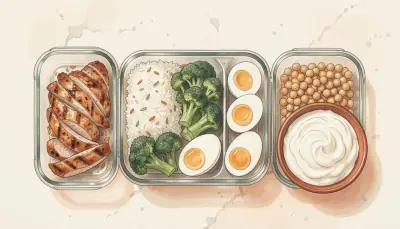
💡 Tip: Cook proteins in bulk (a tray of chicken breasts, a pot of quinoa) on one prep day and mix-and-match with different vegetables and sauces through the week — this is what actually makes high-protein eating sustainable long-term.
The Meal-Prep System
Sunday (or your chosen prep day): cook 2-3 lbs of a lean protein (chicken breast, shrimp, or salmon), one batch of a whole grain (quinoa or rice) if you're including it, and roast a tray of vegetables. Portion into containers by day, not by meal type — grab-and-go flexibility beats a rigid "this is Tuesday lunch" label. Keep 2-3 different sauces or seasoning blends on hand (a chimichurri, a yogurt-based dressing, a soy-ginger sauce) so the same base protein doesn't taste identical every day — flavor variety is what prevents meal-prep burnout, not recipe variety.
High-Protein Snacks Between Meals
Greek yogurt (plain, add your own fruit to control sugar), a hard-boiled egg or two, cottage cheese with berries, beef or turkey jerky (check for low added sugar), a protein shake if you're short on protein for the day, or roasted edamame. Avoid protein bars as a default — many carry as much sugar as a candy bar; check labels or stick to whole-food snacks.
Featured Recipes
Chicken Breast with Sweet Potato
Lean protein plus a controlled-portion complex carb — the template for most meals in this plan
View Recipe →Shrimp and Quinoa Bowl
High-protein seafood with a moderate-carb whole grain, easy to batch for the week
View Recipe →Smoked Salmon Protein Bowl
Omega-3-rich, high-protein, minimal carbs — a strong lunch option
View Recipe →Cottage Cheese Scrambled Eggs
A high-protein, low-carb breakfast that reheats well for meal-prep mornings
View Recipe →Egg White Veggie Omelette
Low-fat, high-protein option for a lighter breakfast or dinner rotation
View Recipe →Frequently Asked Questions
How much protein do I actually need per day?
A simple starting rule is about 1g of protein per pound of bodyweight per day, or roughly 30-40g per meal across 3-4 meals. Active individuals or anyone in a calorie deficit trying to preserve muscle should aim for the higher end.
Is this the same as keto?
No. Keto targets near-zero carbs (20-50g/day) and very high fat to induce ketosis. This plan keeps carbs moderate (100-150g/day) and prioritizes protein — it's less restrictive and easier to sustain long-term for most people.
Can I meal prep for a full week at once?
Cooked chicken, shrimp, and quinoa hold well refrigerated for 4-5 days. For a full 7 days, freeze half the batch on prep day and thaw it mid-week rather than keeping everything in the fridge the whole time.
What if I don't like quinoa or rice?
Swap in any complex carb you prefer — sweet potato, farro, or a smaller portion of whole-grain pasta all fit the same moderate-carb target. The specific grain matters far less than hitting your protein number consistently.
A low-carb, high-protein plan works because it's flexible enough to sustain: moderate carbs mean you're not white-knuckling through low-energy afternoons, and the protein target keeps you full and preserves muscle if you're also in a calorie deficit. Build the week around 2-3 repeatable, batch-cookable meals rather than a new recipe every night — that's what turns a one-week experiment into a lasting habit.
Track what you eat
Snap your meal to log calories and macros, run fasting timers and track water in the free SnapCal app.
Plan your meals, track fasting and build your grocery list — free
MyCookingCalendar's dashboard runs right in your browser, no download needed.
Free Kitchen Tools
Calculators and converters that pair with this page — no signup needed.
Put This Into a Plan
Schedule it, shop for it, and track what you already have.
Read Next
Longer reads that go deeper on the ideas behind this dish.