
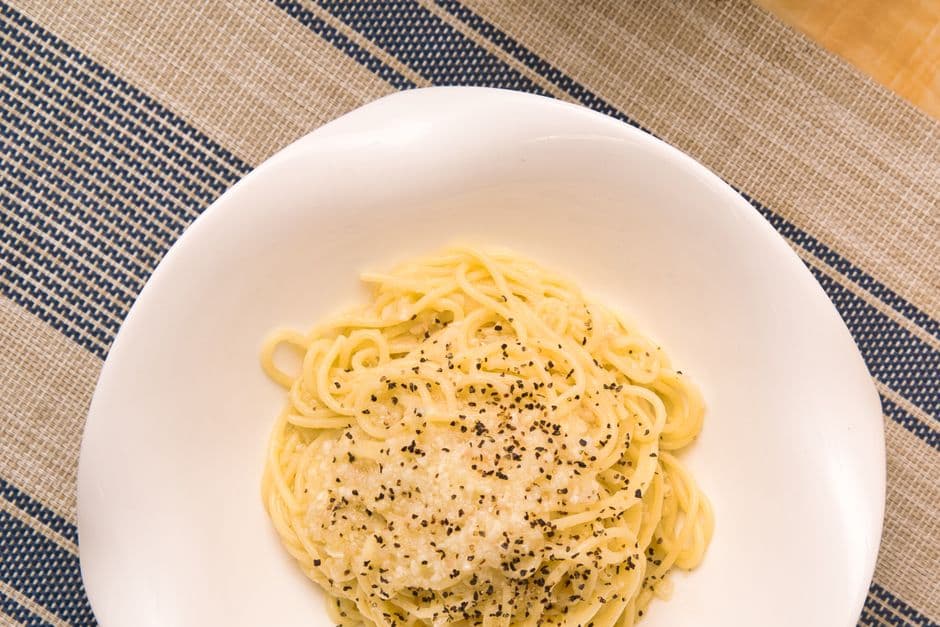
카시오 에 페페
페코리노 로마노 치즈와 후추가 들어간 로마 파스타
이 레시피 정보
Cacio e Pepe는 스파게티, 페코리노 로마노 치즈, 후추, 파스타 물로만 구성된 미니멀리스트 로마 걸작입니다. 단순함은 기만적입니다. 크림 없이 크리미 소스를 만들려면 기술과 정확성이 필요하므로 진정한 요리 기술을 시험해야 합니다. 이탈리아 주방의 일상 요리에 뿌리를 둔 Cacio e Pepe는 기술과 전통의 균형을 유지합니다. 스파게티는 현지인들이 여러 세대에 걸쳐 정제해 온 유서 깊은 비율을 바탕으로 세심하게 다루어집니다. 요리하는 동안 주방을 가득 채우는 향기, 한입 베어 물 때 드러나는 층층이 있는 식감, 간편법이 아닌 인내심을 갖고 양념하여 맛의 깊이를 느낄 수 있는 요리입니다. 주중 저녁 식사로 제공되거나 축하 테이블의 중심으로 제공되는 이 요리는 현지 농산물, 조미료 습관 및 조리 용기가 최종 결과를 결정하는 지역 식료품 저장실을 반영합니다. 이 요리를 만드는 가정 요리사는 핵심 방법을 이해하면 그것이 얼마나 관대하고 스파게티의 신선도, 추가 순서, 마지막에 쉬는 시간 등 몇 가지 작은 선택이 좋은 버전과 기억에 남는 버전을 어떻게 분리하는지 자주 언급합니다. 이 레시피는 이러한 선택을 통해 요리가 홈 잔디에 있는 특성과 함께 도착하도록 합니다.
재료
서브 2
- 400 g스파게티
- 150 g잘게 갈아진 페코리노 로마노 치즈
- 2 작은술갓 갈은 후추
- 3 통째로달걀 노른자(선택 사항, 크림 같은 느낌을 위해)
- 2 리터파스타 물
조리법
- 1
토스트 고추
큰 그릇에 갓 간 후추를 약한 불로 1~2분 동안 볶아 기름을 빼냅니다. 화상을 입지 않도록 주의하세요.
- 2
파스타 요리
소금물을 끓입니다. 스파게티를 알단테로 요리하세요. 물을 빼기 전에 전분 파스타 물 1컵을 남겨두세요.
- 3
소스 만들기
구운 고추와 함께 그릇에 뜨거운 파스타를 추가합니다. 코트에 던집니다. 갈은 페코리노 로마노와 파스타 물을 점차적으로 추가하고 계속 저어줍니다. 전분은 크림 같은 유제를 생성합니다.
- 4
즉시 제공
빠르게 접시에 담은 후 여분의 페코리노 로마노와 갈라진 후추를 위에 얹어 한 번에 서빙하세요.
직접 만들어 보셨나요?
평가를 남기면 다른 분들이 정말 잘 되는 레시피를 찾는 데 도움이 됩니다.
한 번만 로그인하면 방금 선택한 평점을 그대로 저장해 드립니다.
일주일 식단 계획에 필요한 모든 것 — 무료
- 식단 캘린더
- 장보기 목록
- AI 레시피 추천
먹은 음식을 기록하세요
무료 SnapCal 앱에서 식사 사진으로 칼로리와 영양소를 기록하고, 단식 타이머와 물 섭취 기록도 사용하세요.
전문가의 팁
- →
그릇, 접시, 식기 등 모든 것을 따뜻하게 유지한 후 조립하세요.
- →
파스타 물을 점차적으로 추가하십시오. 전분이 소스를 만든다
- →
치즈가 뭉치지 않도록 빠르게 작업해주세요
- →
정통 카시오 에페페에는 절대 크림을 첨가하지 마세요
- →
찾을 수 있는 가장 신선한 스파게티를 구입하세요. 이것이 요리의 풍미를 좌우하는 핵심입니다.
변형
- •
Guanciale e Pepe라는 전통적인 변형 요리에 Guanciale(절인 돼지 턱살)을 추가합니다.
- •
다른 맛 프로필을 위해 파마산 치즈와 페코리노를 섞어 사용하세요
- •
더욱 풍부한 맛을 위해 풀어 놓은 달걀 노른자를 추가하세요
- •
채식주의자: 고기가 없는 버전의 경우 주 단백질을 버섯, 파니르, 두부 또는 푸짐한 콩으로 대체합니다.
- •
더 매콤한 맛: 신선한 고추, 칠리 페이스트 또는 카이엔 꼬집을 방향제와 함께 추가하면 더 따뜻한 프로필을 얻을 수 있습니다.
저장
남은 음식으로는 적합하지 않습니다. 이 요리는 따뜻할 때 즉시 먹어야 합니다. 밀폐용기에 담아 최대 3~4일 동안 냉장 보관하세요. 물이나 육수를 뿌려서 약한 불로 스토브에서 부드럽게 재가열하거나 전자레인지에 60% 전력으로 가열하여 건조하지 않고 따뜻하게 합니다. 나누어진 용기에서는 최대 2개월 동안 잘 냉동됩니다. 다시 데우기 전에 냉장고에서 하룻밤 동안 해동하세요. 유제품이나 튀김 재료로 만든 요리는 냉동 후에 질감이 바뀔 수 있습니다. 바삭바삭한 장식으로 상쾌하게 만드세요.
역사와 유래
카시오 에 페페(Cacio e Pepe)는 로마 셰퍼드 요리에서 등장했으며, 건조 파스타, 잘 이동하는 단단한 치즈, 후추 등 휴대용 재료만 사용했습니다. 이는 로마 요리의 우수성, 즉 '가난한 사람의 사치'의 상징이 되었습니다.
자주 묻는 질문
왜 소스가 크리미하지 않고 낟알 같나요?
온도가 중요합니다. 접시가 너무 빨리 식으면 치즈가 덩어리지게 됩니다. 뜨거운 파스타를 사용하고 모든 재료를 따뜻하게 유지하세요. 파스타 물을 점차적으로 첨가하십시오.
페코리노 대신 파마산 치즈를 사용해도 되나요?
파마산 치즈는 더 부드럽습니다. 페코리노의 날카롭고 짠 맛은 전통적이지만 파마산 치즈가 전부라면 파마산 치즈도 효과가 있습니다.
Cacio e Pepe를 미리 만들 수 있나요?
예. 대부분의 구성 요소는 냉장고에 하루나 이틀 동안 잘 보관됩니다. 액체를 살짝 뿌려 다시 가열하면 다시 살아납니다.
스파게티 대신 무엇을 먹을 수 있나요?
스파게티를 찾기 어려운 경우 가장 가까운 대체품이 질감과 수분 함량을 공유합니다. 대체품은 종종 그 자체의 특성이 덜하기 때문에 양념을 약간 조정하십시오.
영양성분표
서빙 당 · 2 총 제공량
시간 요약
가이드에 소개됨
이 레시피는 다음과 같은 선별된 가이드에 소개되어 있습니다.
더 많은 이탈리아 레시피
이런 것도 좋아하실 거예요
세계 다른 요리에서 찾은 비슷한 음식.
재료로 찾아보기
같은 핵심 재료로 만드는 다른 레시피.
무료 주방 도구
이 페이지와 함께 쓰는 계산기와 단위 변환기 — 가입 없이 이용 가능.
식단 계획으로 옮기기
캘린더에 넣고, 장보기 목록을 만들고, 가진 재료를 관리하세요.
이어서 읽기
이 요리의 배경을 깊이 다룬 긴 글.
커뮤니티
대화에 참여하세요
댓글을 남기고 좋아하는 레시피를 저장하려면 로그인하세요.