
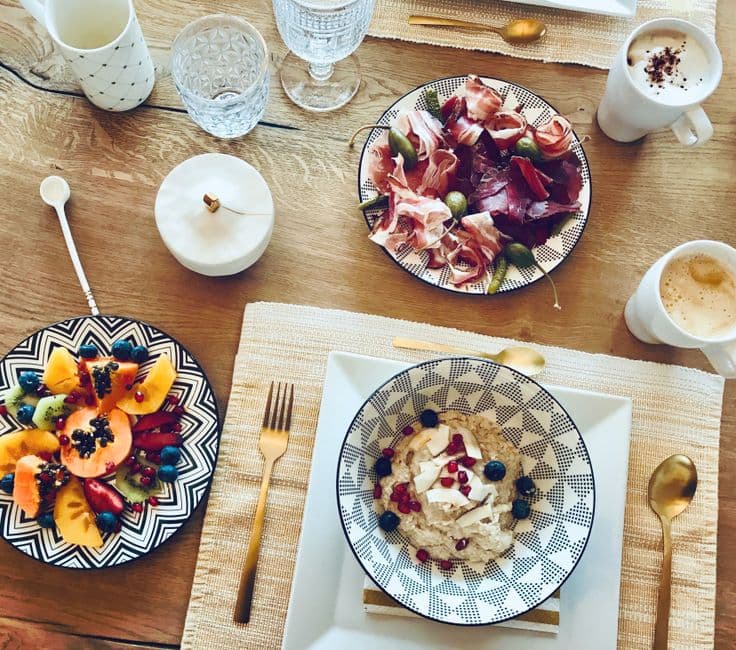
Birchermüesli
Creamy overnight oats with grated apple, lemon, and nuts—invented by a Swiss physician as a nutritious breakfast. Light, fresh, and naturally wholesome.
About This Recipe
Birchermüesli was created around 1900 by Swiss physician Maximilian Bircher-Benner for patients at his Zurich sanatorium as a nutritious, easily digestible meal. The original recipe was radical for its time—raw oats, grated apple, lemon juice, and condensed milk—at a period when cooked food dominated medical nutrition. Over decades it evolved into the familiar overnight oats preparation using yogurt or cream, and became one of Switzerland's greatest contributions to global breakfast culture. Swiss Birchermüesli is wetter, fruitier, and less processed than the dry muesli associated with breakfast cereals elsewhere.
Ingredients
Serves 2
- 80 grolled oats (not instant)
- 150 mlwhole milk
- 150 gplain full-fat yogurt
- 2 tbsplemon juice, freshly squeezed
- 1 tbsphoney or maple syrup
- 2 mediumapples (one grated, one diced)
- 30 gtoasted hazelnuts, roughly chopped
- 20 gtoasted flaked almonds
- 2 tbspraisins or sultanas
- 100 gmixed fresh berries (strawberries, blueberries, raspberries)
- 1 tbspchia seeds (optional)
Instructions
- 1
Soak the oats
Combine the rolled oats, milk, and lemon juice in a medium bowl. Stir well and leave to soak for at least 30 minutes at room temperature, or cover and refrigerate overnight.
- 2
Add the yogurt and sweetener
Stir the yogurt and honey or maple syrup into the soaked oats until well combined. The mixture should be creamy and thick.
- 3
Grate and add the apple
Grate one apple (skin on) directly into the oat mixture and stir immediately to prevent browning. The apple juice will further soften the oats and add natural sweetness.
- 4
Add nuts, fruit, and seeds
Fold in the raisins, half the hazelnuts, and half the almonds. If using chia seeds, stir them in now. Cover and refrigerate for at least 1 hour (or overnight) for best results.
- 5
Serve and garnish
Divide between two bowls. Top with the diced apple, fresh berries, and the remaining toasted nuts. Drizzle with extra honey if desired. Serve chilled.
Did you make this?
Rate it and help other cooks find the recipes that actually work.
One tap to sign in, and we'll save the rating you just picked.
Track what you eat
Snap your meal to log calories and macros, run fasting timers and track water in the free SnapCal app.
Pro Tips
- →
Grating the apple last-minute and stirring immediately prevents oxidation and browning.
- →
Full-fat yogurt gives the creamiest result; Greek yogurt makes it thicker.
- →
Overnight soaking yields the creamiest oats—the 30-minute version is good but overnight is better.
- →
In Switzerland, Birchermüesli is often made in large batches and kept for 2–3 days.
Variations
- •
Replace milk with oat milk or almond milk for a dairy-free version.
- •
Add 1 tablespoon of flaxseeds and 1 teaspoon of cinnamon for extra nutrition.
- •
Use orange juice instead of lemon for a sweeter, more tropical flavor.
- •
Vegetarian: swap the protein for roasted king oyster mushrooms, smoked tofu or cooked chickpeas — adjust seasoning slightly upward to compensate.
Storage
Store prepared Birchermüesli without the fresh fruit toppings in an airtight container in the refrigerator for up to 3 days. Add fresh fruit and nuts just before serving.
History & Origin
Dr. Maximilian Bircher-Benner created this recipe around 1900 at his Zurich Lebendige Kraft sanatorium. Inspired by a shepherd he met in the Alps who ate a similar raw oat porridge, he developed the recipe as a health food for his patients. It spread across Europe through the 20th century and is now consumed globally as a healthy breakfast staple.
Frequently Asked Questions
Is Birchermüesli the same as overnight oats?
They are very similar. Birchermüesli is the Swiss original and typically features fresh grated apple, lemon juice, and a higher proportion of fresh fruit and nuts. Modern overnight oats are inspired by it but vary widely in preparation.
Can I make this ahead of time?
Yes — most of the components can be prepared up to a day in advance and refrigerated separately. Reheat gently and assemble just before serving so textures stay distinct.
What can I substitute if I don't have all the ingredients?
Stay close to the role each ingredient plays: swap aromatics for similar ones (shallot for onion, lime for lemon), and keep the fat-acid-salt balance intact. Spice blends can usually be approximated with what's in the cupboard.
How do I know it's authentic?
Authenticity sits on a spectrum — what matters more is honoring the technique and balance of flavors. If the dish tastes harmonious and respects how cooks in its home region would build it, you're on solid ground.
Nutrition Facts
Per serving (380g / 13.4 oz) · 2 servings total
Time Summary
Have Questions?
Ask our AI cooking assistant anything about this recipe — substitutions, techniques, scaling.
Chat with AI Chef →Featured in Guides
This recipe is featured in the following curated guides:
More Swiss Recipes
You Might Also Like
Similar dishes from other cuisines around the world.
Free Kitchen Tools
Calculators and converters that pair with this page — no signup needed.
Put This Into a Plan
Schedule it, shop for it, and track what you already have.
Read Next
Longer reads that go deeper on the ideas behind this dish.
Community
Join the conversation
Sign in to leave a comment and save your favourite recipes