
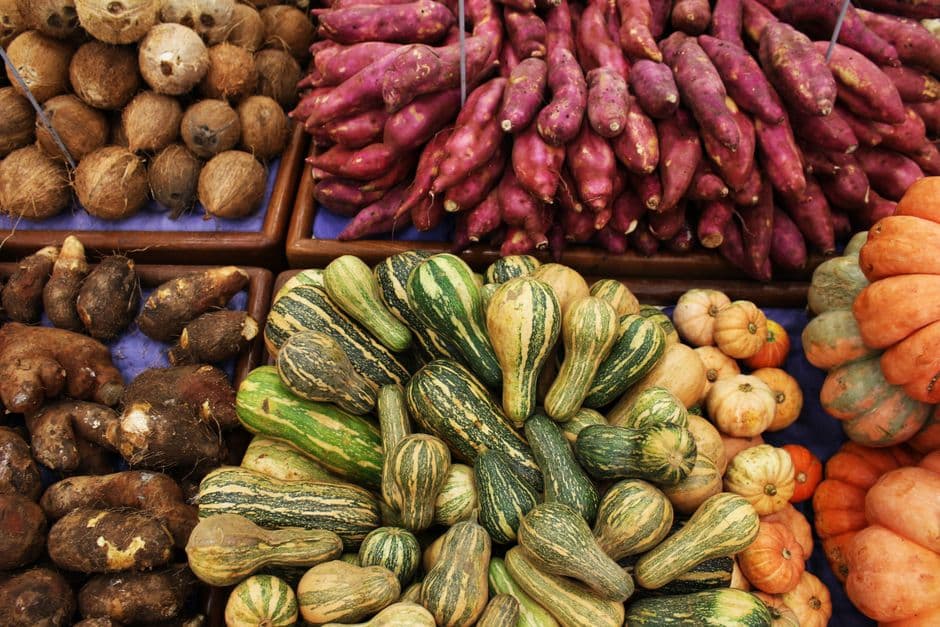
Каукау с кокосом (сладкий картофель и кокос)
Нежный отварной сладкий картофель, пюре из кокосовых сливок и немного соли — приятный повседневный гарнир в формате PNG, наполненный натуральной сладостью.
Об этом рецепте
Каукау — сладкий картофель — возможно, является самым важным продуктом питания в Папуа-Новой Гвинее, особенно в горах, где его выращивают уже более 9000 лет, что делает PNG одним из первых известных центров выращивания сладкого картофеля в мире. Этот простой способ приготовления каукау с кипячением и пюре из кокосовых сливок превращает скромный продукт во что-то очень приятное. Естественная сладость сортов с фиолетовой или оранжевой мякотью прекрасно сочетается с насыщенностью кокоса, создавая блюдо, которое одновременно питательно и восхитительно. Подается вместе со свининой муму или рыбой на гриле и является краеугольным камнем ежедневной кухни PNG.
Ингредиенты
Служит 4
- 1 кгсладкий картофель (фиолетовый или оранжевый), очищенный и нарезанный кусочками.
- 200 млкокосовый крем
- 1 ч. л.соль
- ½ ч. л.белый перец
- 1 ст. л.кокосовое масло
- 2 ст. л.свежий зеленый лук или зеленый лук, нарезанный (для подачи)
Инструкции
- 1
варить
Поместите кусочки сладкого картофеля в большую кастрюлю, залейте холодной подсоленной водой и доведите до кипения. Варить 20–25 минут до полной готовности.
- 2
Слить и высушить
Слейте воду со сладкого картофеля и верните его в горячую сковороду на слабый огонь на 2 минуты, чтобы удалить лишнюю влагу.
- 3
Маш
Разомните сладкий картофель до получения однородной массы. Добавьте кокосовые сливки, кокосовое масло, соль и перец. Энергично перемешайте, пока смесь не станет шелковистой и хорошо смешанной.
- 4
Подавать
Переложите в сервировочную миску и украсьте чесноком или зеленым луком. Подавайте сразу же с жареной рыбой или свининой муму.
Вы готовили это блюдо?
Поставьте оценку и помогите другим найти рецепты, которые действительно работают.
Войдите в одно касание, и мы сохраним только что выбранную оценку.
Всё для планирования недели — бесплатно
- Календарь питания
- Список покупок
- Идеи рецептов с ИИ
Готовьте, не касаясь экрана
Получите ИИ-планы питания, пошаговый режим готовки и сохранённые рецепты в бесплатном приложении Bento.
Советы профессионалов
- →
Фиолетовый сладкий картофель придает яркий цвет; оранжевый добавляет больше сладости.
- →
Перед добавлением разогрейте кокосовые сливки, чтобы пюре оставалось воздушным.
- →
Щепотка мускатного ореха или корицы добавит приятного тепла.
- →
В самом конце попробуйте и отрегулируйте соль — вкусы концентрируются по мере уменьшения количества жидкости, а последняя щепотка чешуйчатой соли придает остроту всему блюду.
Вариации
- •
Добавьте жареный чеснок в пюре для густоты.
- •
Добавьте свежий кориандр, чтобы получить ароматный вариант.
- •
Сверху положите хрустящий жареный лук-шалот для текстуры.
- •
Вегетарианцы: замените белок жареными королевскими вешенками, копченым тофу или приготовленным нутом — для компенсации слегка отрегулируйте приправу.
Хранение
Хранить в холодильнике до 3 дней. Разогрейте, добавив немного кокосового молока.
История и происхождение
Археологические данные из долины Вахги в высокогорье PNG подтверждают, что выращивание сладкого картофеля насчитывает не менее 9000 лет, еще до его прибытия в другие части мира. Он и по сей день остается основой диеты горцев.
Часто задаваемые вопросы
Какой сорт сладкого картофеля лучше?
Подойдет любой сорт, но фиолетовый сладкий картофель PNG (если он есть) имеет красивый цвет и немного более ореховый вкус, чем обычный оранжевый сорт.
Могу ли я сделать это заранее?
Да, большинство компонентов можно приготовить заранее и хранить в холодильнике отдельно. Аккуратно разогрейте и соберите непосредственно перед подачей на стол, чтобы текстура оставалась четкой.
Чем можно заменить, если у меня нет всех ингредиентов?
Будьте внимательны к роли каждого ингредиента: замените ароматические вещества на аналогичные (шалот на лук, лайм на лимон) и сохраните жирно-кислотно-солевой баланс. Смеси специй обычно можно сравнить с тем, что есть в шкафу.
Как я узнаю, что оно подлинное?
Подлинность зависит от спектра: важнее всего соблюдение техники и баланса вкусов. Если блюдо имеет гармоничный вкус и соответствует тому, как его готовят повара в его родном регионе, вы на твердой почве.
Факты о питании
За порцию (280g) · 4 общее количество порций
Сводка времени
Есть вопросы?
Спросите нашего помощника по кулинарии с искусственным интеллектом что-нибудь об этом рецепте — о заменах, методах, масштабировании.
Чат с AI Chef →Больше рецептов Papua-new-guinean
Вам также может понравиться
Похожие блюда из кухонь других стран.
Бесплатные кухонные инструменты
Калькуляторы и конвертеры к этой странице — без регистрации.
Превратить в план
Поставьте в календарь, соберите список покупок и следите за запасами.
Читать далее
Развёрнутые материалы об идеях, стоящих за этим блюдом.
Сообщество
Присоединяйтесь к разговору
Войдите, чтобы оставить комментарий и сохранить любимые рецепты.