
In This Article
Track what you eat
Snap your meal to log calories and macros, run fasting timers and track water in the free SnapCal app.
Related Recipes
Related Guides
Medical disclaimer: The information in this article is for educational purposes only. Always consult a qualified healthcare professional before making significant dietary or lifestyle changes, especially if you have a medical condition.
Lectins have moved from a corner of biochemistry into mainstream diet talk, mostly through cardiologist Steven Gundry's book The Plant Paradox, which argues that these plant proteins drive inflammation, weight gain, and chronic disease, and that many common foods should be avoided. It is a tidy story with a kernel of truth: lectins are real, some are toxic, and raw or undercooked kidney beans can make you seriously ill. But the leap from that fact to avoiding properly cooked beans, whole grains, tomatoes, and peppers is where mainstream nutrition science parts ways. This guide explains what lectins are, why cooking, soaking, and pressure cooking matter, what a lectin-free diet removes, and why most dietitians and researchers do not recommend avoiding cooked legumes and whole grains. If you are thinking about the diet because of a health condition, talk to a doctor or registered dietitian first.
Key Takeaways
The lectin problem is mostly a cooking problem.
• Lectins are proteins found in many plants, especially legumes, grains, nightshades, and seeds. Some are harmless; some are toxic when raw. • Raw or undercooked kidney beans contain high levels of a lectin that can cause severe nausea, vomiting, and diarrhea. Proper soaking and boiling destroy it. • A lectin-free diet removes legumes, most whole grains, nightshades like tomatoes and peppers, and many nuts and seeds, which makes it highly restrictive. • Mainstream nutrition science does not support avoiding properly cooked legumes and whole grains; they are linked with better health outcomes in large studies. • Anyone with digestive disease, kidney disease, diabetes, or a history of disordered eating should not start a restrictive diet without medical guidance.
What lectins are
Lectins are a broad family of proteins that bind to carbohydrates. They are found in nearly all plants, in animals, and in microbes. In plants, they are thought to play a role in defense against pests. Foods with relatively high lectin content include beans and other legumes, soy, peanuts, grains such as wheat, and nightshade vegetables such as tomatoes, potatoes, eggplant, and peppers.
Because lectins resist digestion to some degree, they can interact with the lining of the gut. That is the basis of both the real safety concern about raw legumes and the more speculative claim that lectins in cooked foods drive chronic inflammation. The two are very different. The first is established and has a clear fix. The second is a hypothesis that has not been demonstrated in human trials of ordinary diets.
Raw kidney beans really are a problem
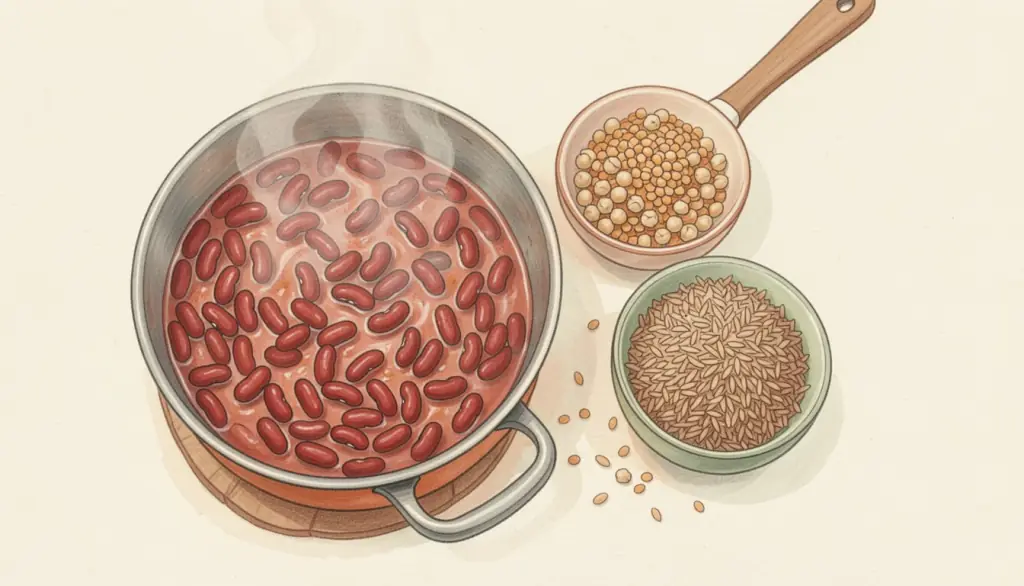
The legitimate lectin story concerns phytohaemagglutinin, found especially in red kidney beans. Eaten raw or undercooked, these beans can cause symptoms such as severe nausea, vomiting, and diarrhea within hours. Food safety agencies, including the US Food and Drug Administration and the UK's Food Standards Agency, warn about it. The safe method is straightforward: soak dried kidney beans for at least five hours, drain and discard the soaking water, then boil them hard in fresh water for at least 10 minutes, and continue simmering until fully tender.
Slow cookers deserve a specific warning. Their low temperatures may not destroy the toxin, and cooking raw kidney beans only in a slow cooker has caused cases of illness, so boil them on the stove first. Canned beans are already cooked and safe to eat. White kidney beans and other varieties contain the lectin too, so the same rule applies to soaking and boiling dried beans generally. This is a food-safety point rather than a diet point, and it does not justify avoiding beans in general.
Cook dried beans in plenty of fresh water at a hard boil first. If you are in a hurry, drained canned beans are a safe and convenient alternative.
How cooking, soaking, and pressure cooking change lectins
Lectins in food are heat-labile, meaning they are largely deactivated by thorough moist heat. Studies of common cooking methods find that boiling, and especially pressure cooking, substantially reduces active lectin in beans and other legumes. Soaking and discarding the water reduces some of it too, and sprouting and fermentation can lower lectin content further in some foods.
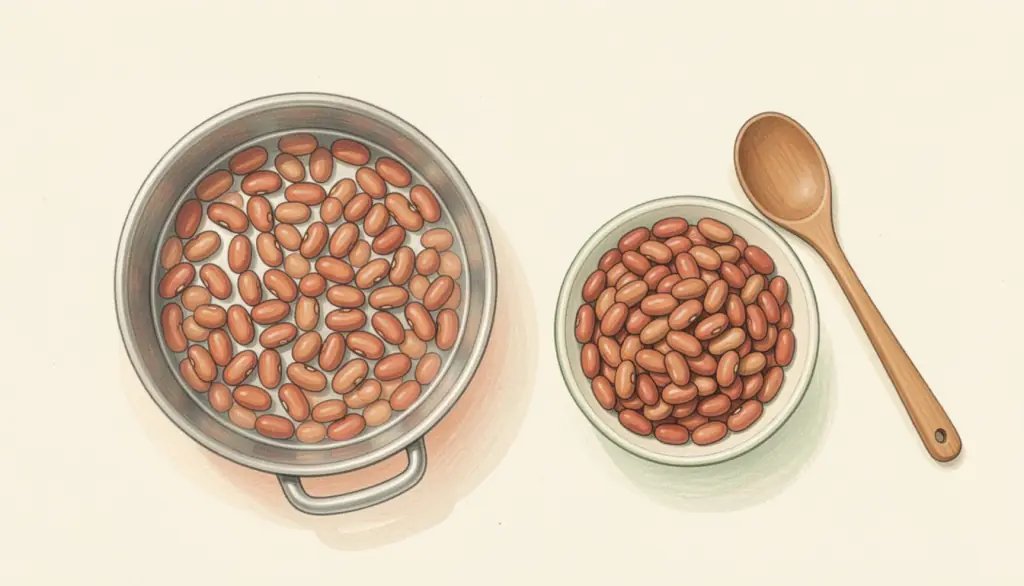
This matters because people rarely eat these foods raw. Almost nobody eats raw dried beans, and the tiny residual amounts in cooked beans, lentils, and chickpeas are not the same exposure as raw beans. Peeling and deseeding tomatoes and peppers, which Gundry recommends, is a further step beyond what safety requires. Pressure cooking is a convenient method, since it cooks dried beans quickly and reliably at high temperature, but ordinary stovetop boiling works too.
Everything you need to plan your week — free
- Meal calendar
- Grocery list
- AI recipe ideas
What the lectin-free diet removes
The Plant Paradox diet removes a large share of everyday plant foods. In its most common form it excludes or limits:
• Legumes: beans, lentils, chickpeas, peanuts, and soy, unless pressure cooked in some versions. • Grains: wheat, rice, oats, corn, and most whole grains. • Nightshades: tomatoes, potatoes, eggplant, and peppers, unless peeled and seeded. • Some nuts and seeds, and many squash and cucumber varieties. • Conventional dairy from cows that produce a certain type of milk protein, in favor of other milks.
What it allows includes leafy greens, cruciferous vegetables, olive oil, avocado, pastured meat and fish, and certain nuts. The plan is plant-heavy in some ways, but it removes foods that large studies link with good health. Anyone considering it should look carefully at what they would be giving up, including fiber, plant protein, and minerals. Our guide to plant-based protein sources shows how much of the protein many people eat comes from legumes and grains.
Why mainstream nutrition science does not support avoiding cooked legumes and whole grains
There are several reasons that dietitians and researchers do not recommend a lectin-free diet for the general public.
The foods it removes have good evidence behind them. Large observational studies have linked regular legume and whole-grain intake with lower risk of heart disease, type 2 diabetes, and some cancers. Observational studies cannot prove cause and effect, but the consistency of the findings is notable, and national dietary guidelines in many countries encourage both.
The proposed harm is not shown in humans. The idea that dietary lectins in cooked foods cause widespread inflammation or autoimmune disease is largely drawn from laboratory studies and from reasoning about mechanisms. Well-controlled trials showing that a lectin-free diet improves health outcomes in the general population are lacking. The book describes patient stories and clinical observations, but anecdotes are not a substitute for controlled trials.
Any benefit may come from elsewhere. People who feel better on the diet are also eating less processed food and sugar, which could be responsible. Those effects can be had without removing beans and whole grains.
That said, it is fair to note that some people with certain digestive conditions may find that some legumes or nightshades do not agree with them, which is a matter of personal tolerance rather than lectins as a hidden toxin.
Nutritional risks of cutting out legumes and grains
Removing legumes, whole grains, and many vegetables and nuts can reduce intake of fiber, B vitamins, magnesium, iron, and plant protein. Most adults already fall short of recommended fiber intake (see also our gut health foods guide), and a diet that excludes beans and whole grains makes it harder to meet. Fiber supports healthy bowel function and is linked with heart health. Our complete guide to fibre explains the benefits, and the hidden cost of dropping high-fiber foods.
The diet can also be expensive and socially difficult, and strict rules around food can contribute to anxiety about eating. People who are pregnant, older adults, children, people with diabetes who take glucose-lowering medication, those with kidney disease, and anyone with a history of disordered eating should not follow it without supervision from a doctor or registered dietitian. If you want to try cutting back on specific foods to see how you feel, a dietitian can design an elimination plan that does not leave you short on nutrients.
If lectins worry you: a practical approach and sample day
You can address the concern without cutting out entire food groups. Cook legumes properly, and use canned beans when convenient. Soak and boil dried beans, especially kidney beans. Eat a variety of plant foods rather than relying on any single one. And if tomatoes or peppers upset your stomach, simply eat less of them.
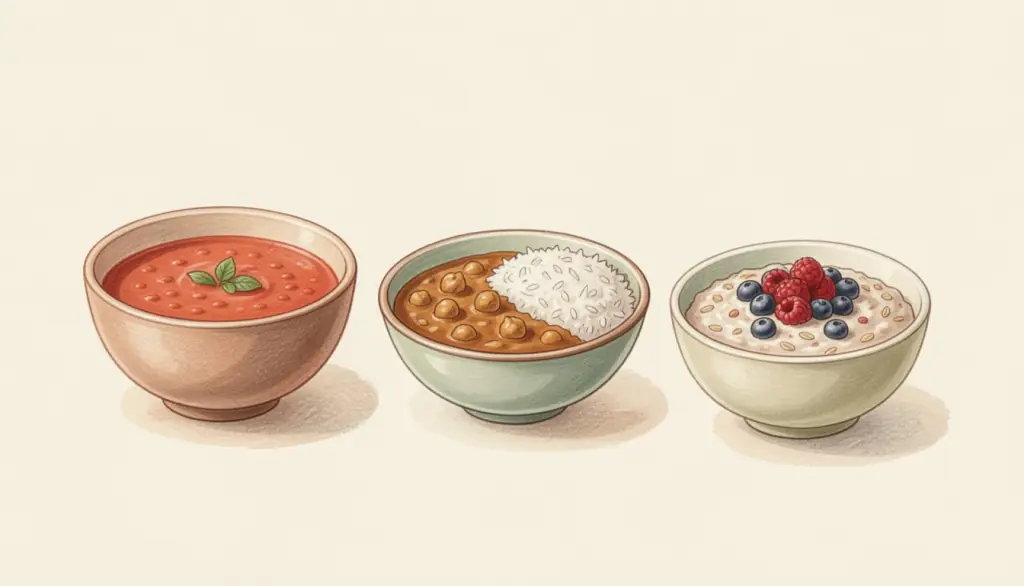
Some recipes show how ordinary cooked legumes work in a balanced meal. Chana masala uses cooked chickpeas, canned or soaked and boiled, in a spiced tomato sauce, Turkish red lentil soup is a simple lentil soup, and baked cod with lentils pairs fish with lentils. A weekly plan built from meals like these is easy to track on a meal planner calendar, and you can use the recipe's cooking instructions as your safe-preparation check.
A sample day with safely cooked legumes and grains, for comparison with a lectin-free plan:
• Breakfast: oatmeal with berries and nuts. • Lunch: red lentil soup with whole-grain bread and a green salad. • Snack: an apple with peanut or almond butter. • Dinner: chickpea curry with brown rice and steamed vegetables, or baked fish with lentils.
If you do decide to try a lectin-free eating pattern for a while, do it with a dietitian, set a defined end date for reassessment, and track how you feel rather than assuming the diet is working. Most people do not need to.
When to see a doctor, and who should not self-manage
If you are drawn to a lectin-free diet because of ongoing symptoms, such as bloating, joint pain, skin problems, or fatigue, those symptoms deserve a proper evaluation. They can have many causes, including celiac disease, inflammatory bowel disease, thyroid problems, and autoimmune conditions, and cutting out foods before testing can make some diagnoses harder to confirm. For example, testing for celiac disease generally requires that you are still eating gluten.
If you ate undercooked kidney beans and developed severe vomiting or diarrhea, keep fluids up and call a doctor or poison center if symptoms are severe or do not settle. Anyone with an existing medical condition, anyone taking medication that depends on diet, and anyone who is pregnant or breastfeeding should speak with a clinician before beginning a restrictive diet.
Key Takeaways
The lectin conversation contains one solid fact and one unproven claim. The fact: raw or undercooked kidney beans are dangerous, and proper soaking and boiling make them safe. The claim: that the small amounts of lectin left in properly cooked legumes, whole grains, and vegetables are quietly harming health. It does not have good support, while the foods it removes have a strong record. For most people, the practical answer is to cook beans thoroughly, eat a variety of plants, and save the restrictive diet for a situation where a clinician has a specific reason to recommend it.
Frequently Asked Questions
Are lectins bad for you?▼
Do I need to soak beans to remove lectins?▼
Is a pressure cooker better for lectins?▼
Is the Plant Paradox diet safe?▼
Should people with autoimmune disease avoid lectins?▼
References
- [1]Gundry SR (2017). “The Plant Paradox: The Hidden Dangers in Healthy Foods That Cause Disease and Weight Gain.” Harper Wave (book).
- [2]U.S. Food and Drug Administration (2012). “Bad Bug Book: Foodborne Pathogenic Microorganisms and Natural Toxins, Second Edition (Lectins).” FDA.
More in Diet Guides
View all
Free Kitchen Tools
Calculators and converters that pair with this page — no signup needed.
About This Article
Written by MCC Editorial Team, MyCookingCalendar Editorial Team. Published November 12, 2026. Updated November 12, 2026.
This article cites 2 peer-reviewed sources. See the full reference list below.
Editorial policy: Articles are drafted with the help of AI tools, link to the sources they rely on, and are updated when we find an error or newer evidence. Health articles are general information, not medical advice.
About the Author
Our in-house team that researches, writes and reviews recipes and nutrition articles, citing reputable sources.