
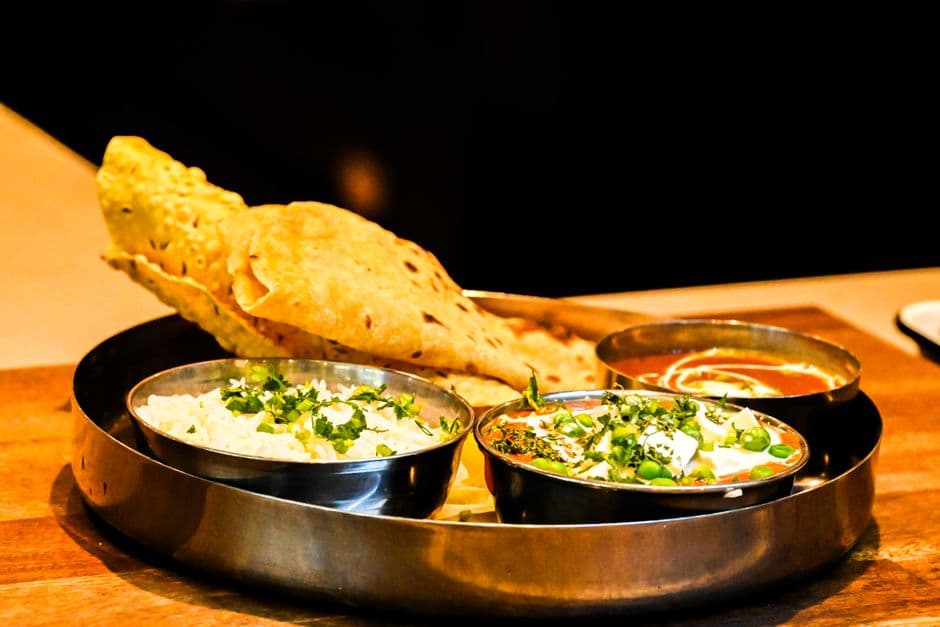
Dal Bhat
Nepal's beloved national dish of spiced lentil soup served with steamed rice and an array of side vegetables.
About This Recipe
Dal Bhat is the cornerstone of Nepali cuisine and daily life — eaten twice a day by most Nepalis, it is far more than just a meal. The dish consists of thick, turmeric-spiced lentil soup ladled generously over steamed white rice, typically accompanied by tarkari (vegetable curry), achar (pickle), and often a meat dish. Each region and household has its own dal recipe, varying the lentil variety, spices, and tempering technique. Eaten with the right hand and accompanied by the saying 'Dal Bhat power, 24 hour,' it fuels mountaineers, farmers, and city dwellers alike across the Himalayas.
Ingredients
Serves 4
- 1.5 cupsred lentils (masoor dal), rinsed
- 4 cupswater
- 1 tspturmeric powder
- 1 tspsalt
- 2 tbspghee or oil
- 1 tspcumin seeds
- 1dry red chilli
- 4 clovesgarlic, minced
- 1 tspginger, grated
- 1 mediumtomato, chopped
- 0.5 tspcoriander powder
- 0.5 tspcumin powder
- 2 cupsbasmati rice, steamed to serve
- 2 tbspfresh coriander leaves, chopped
Instructions
- 1
Cook the lentils
Combine rinsed lentils, water, turmeric, and salt in a pot. Bring to a boil, then simmer over medium heat for 20 minutes, stirring occasionally, until lentils are completely soft. Add more water if needed for a pourable consistency.
- 2
Prepare the tarka
Heat ghee in a small pan over medium-high heat. Add cumin seeds and dry red chilli; sizzle for 30 seconds. Add garlic and ginger; fry for 1 minute until golden. Add chopped tomato, coriander powder, and cumin powder; cook for 3–4 minutes until tomato breaks down.
- 3
Combine and finish
Pour the tarka into the cooked lentils and stir well. Simmer together for 5 minutes to meld the flavours. Adjust salt and consistency — dal should coat a spoon but flow easily.
- 4
Serve
Spoon steamed basmati rice into bowls and ladle dal generously alongside or on top. Garnish with fresh coriander. Serve with a vegetable tarkari and tomato achar (pickle).
Did you make this?
Rate it and help other cooks find the recipes that actually work.
One tap to sign in, and we'll save the rating you just picked.
Everything you need to plan your week — free
- Meal calendar
- Grocery list
- AI recipe ideas
Track what you eat
Snap your meal to log calories and macros, run fasting timers and track water in the free SnapCal app.
Pro Tips
- →
Use a pressure cooker to cut lentil cooking time to 10 minutes.
- →
Fenugreek seeds (methi) added to the tarka give an authentic bitter-sweet note.
- →
A squeeze of lemon juice at the end brightens the flavour.
- →
Nepali households often use a combination of lentils — try mixing masoor and chana dal.
Variations
- •
Black lentil dal (kalo dal) for a heartier version.
- •
Add spinach or mustard greens for extra nutrition.
- •
Serve with sel roti instead of rice for a festive variation.
- •
Vegetarian: swap the protein for roasted king oyster mushrooms, smoked tofu or cooked chickpeas — adjust seasoning slightly upward to compensate.
Storage
Dal keeps refrigerated for up to 4 days; it thickens on standing — add a splash of water when reheating. Rice is best freshly cooked.
History & Origin
Dal Bhat has fed Nepali communities for centuries, rooted in the agricultural traditions of the Terai plains and the high-altitude valleys alike. Its simplicity masks extraordinary nutritional balance, which is why Sherpa guides on Everest expeditions rely on it for sustained energy.
Frequently Asked Questions
Can I use other lentils?
Yes — yellow moong dal or chana dal work well; adjust cooking time as they take longer to soften.
What is tarka / tadka?
Tarka is the technique of tempering whole spices and aromatics in hot fat, then pouring it over a dish to add a burst of flavour.
Can I make this ahead of time?
Yes — most of the components can be prepared up to a day in advance and refrigerated separately. Reheat gently and assemble just before serving so textures stay distinct.
What can I substitute if I don't have all the ingredients?
Stay close to the role each ingredient plays: swap aromatics for similar ones (shallot for onion, lime for lemon), and keep the fat-acid-salt balance intact. Spice blends can usually be approximated with what's in the cupboard.
Nutrition Facts
Per serving (480g / 16.9 oz) · 4 servings total
Time Summary
Have Questions?
Ask our AI cooking assistant anything about this recipe — substitutions, techniques, scaling.
Chat with AI Chef →Featured in Guides
This recipe is featured in the following curated guides:
More Nepali Recipes
You Might Also Like
Similar dishes from other cuisines around the world.
Free Kitchen Tools
Calculators and converters that pair with this page — no signup needed.
Put This Into a Plan
Schedule it, shop for it, and track what you already have.
Read Next
Longer reads that go deeper on the ideas behind this dish.
Community
Join the conversation
Sign in to leave a comment and save your favourite recipes