
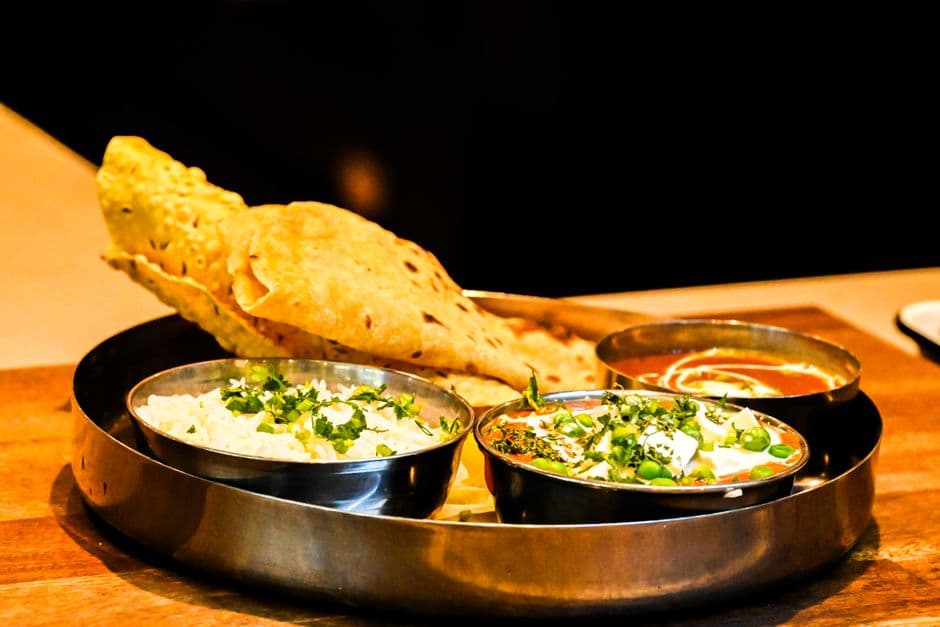
دال بهات
الطبق الوطني المفضل في نيبال وهو حساء العدس المتبل الذي يقدم مع الأرز المطهو على البخار ومجموعة من الخضار الجانبية.
حول هذه الوصفة
دال بهات هو حجر الزاوية في المطبخ النيبالي والحياة اليومية - يتناوله معظم النيباليين مرتين يوميًا، فهو أكثر بكثير من مجرد وجبة. يتكون الطبق من حساء العدس السميك المتبل بالكركم والمغرفة بسخاء فوق الأرز الأبيض المطهو على البخار، وعادةً ما يكون مصحوبًا بالتاركاري (الكاري النباتي)، والأجار (المخلل)، وغالبًا ما يكون طبق لحم. كل منطقة ومنزل لديها وصفة الدال الخاصة بها، والتي تختلف في تنوع العدس والتوابل وتقنية التقسية. تؤكل باليد اليمنى ويرافقها عبارة "قوة دال بهات، 24 ساعة"، فهي تغذي متسلقي الجبال والمزارعين وسكان المدن على حد سواء عبر جبال الهيمالايا.
المكونات
يخدم 4
- 1.5 أكوابعدس أحمر (ماسور دال)، مغسول
- 4 أكوابالماء
- 1 ملعقة صغيرةمسحوق الكركم
- 1 ملعقة صغيرةملح
- 2 ملعقة كبيرةالسمن أو الزيت
- 1 ملعقة صغيرةبذور الكمون
- 1الفلفل الأحمر الجاف
- 4 فصوصالثوم المفروم
- 1 ملعقة صغيرةالزنجبيل المبشور
- 1 متوسططماطم، مقطعة
- 0.5 ملعقة صغيرةمسحوق الكزبرة
- 0.5 ملعقة صغيرةمسحوق الكمون
- 2 أكوابأرز بسمتي مطهو على البخار للتقديم
- 2 ملعقة كبيرةأوراق كزبرة طازجة، مفرومة
التعليمات
- 1
اطبخ العدس
يُمزج العدس المغسول مع الماء والكركم والملح في وعاء. يُغلى المزيج ثم يُطهى على نار متوسطة لمدة 20 دقيقة مع التحريك من حين لآخر حتى ينضج العدس تمامًا. أضف المزيد من الماء إذا لزم الأمر للحصول على اتساق قابل للسكب.
- 2
تحضير تاركا
سخني السمن في مقلاة صغيرة على نار متوسطة عالية. أضف بذور الكمون والفلفل الأحمر الجاف. أزيز لمدة 30 ثانية. أضف الثوم والزنجبيل. تقلى لمدة دقيقة واحدة حتى تصبح ذهبية اللون. أضيفي الطماطم المفرومة ومسحوق الكزبرة ومسحوق الكمون. يُطهى لمدة 3-4 دقائق حتى تنضج الطماطم.
- 3
الجمع والانتهاء
يُسكب التاركا في العدس المطبوخ ويُحرَّك جيدًا. يُطهى المزيج معًا لمدة 5 دقائق لخلط النكهات. اضبط الملح والقوام - يجب أن يغطي الدال الملعقة ولكن يتدفق بسهولة.
- 4
خدمة
يُسكب الأرز البسمتي المطهو على البخار في أوعية ويُغرف بسخاء بجانبه أو فوقه. يُزيّن بالكزبرة الطازجة. يقدم مع الخضار التاركاري وأجار الطماطم (المخلل).
هل جرّبت هذه الوصفة؟
قيّمها وساعد الآخرين في العثور على الوصفات التي تنجح فعلاً.
سجّل الدخول بنقرة واحدة وسنحفظ التقييم الذي اخترته للتو.
كل ما تحتاجه لتخطيط أسبوعك — مجانًا
- تقويم الوجبات
- قائمة التسوق
- أفكار وصفات بالذكاء الاصطناعي
تابع ما تأكله
صوّر وجبتك لتسجيل السعرات والعناصر الغذائية، واستخدم مؤقتات الصيام وتتبع شرب الماء في تطبيق SnapCal المجاني.
نصائح للمحترفين
- →
استخدمي طنجرة الضغط لتقليل وقت طهي العدس إلى 10 دقائق.
- →
بذور الحلبة (ميثي) المضافة إلى التاركا تعطي نكهة حلوة ومريرة أصيلة.
- →
عصرة من عصير الليمون في النهاية تزيد النكهة.
- →
غالبًا ما تستخدم الأسر النيبالية مزيجًا من العدس - حاول خلط الماسور وشانا دال.
الاختلافات
- •
العدس الأسود دال (كالو دال) للحصول على نسخة أكثر قلبا.
- •
أضف السبانخ أو الخردل الأخضر للحصول على تغذية إضافية.
- •
يقدم مع sel roti بدلاً من الأرز للحصول على تنوع احتفالي.
- •
نباتي: استبدل البروتين بفطر المحار المحمص أو التوفو المدخن أو الحمص المطبوخ - اضبط التتبيل قليلاً لأعلى للتعويض.
تخزين
يُحفظ الدال في الثلاجة لمدة تصل إلى 4 أيام؛ يصبح سميكًا عند الوقوف - أضف القليل من الماء عند إعادة التسخين. من الأفضل طهي الأرز طازجًا.
التاريخ والأصل
قام دال بهات بإطعام المجتمعات النيبالية لعدة قرون، وهو متجذر في التقاليد الزراعية لسهول تيراي والوديان المرتفعة على حد سواء. إن بساطته تخفي توازنًا غذائيًا استثنائيًا، ولهذا السبب يعتمد عليه مرشدو الشيربا في رحلات إيفرست للحصول على الطاقة المستدامة.
الأسئلة المتداولة
هل يمكنني استخدام العدس الآخر؟
نعم - يعمل المونج دال الأصفر أو تشانا دال بشكل جيد؛ اضبط وقت الطهي لأنها تستغرق وقتًا أطول حتى تصبح طرية.
ما هو تاركا / تادكا؟
التاركا هي تقنية خلط التوابل والروائح العطرية الكاملة بالدهون الساخنة، ثم سكبها فوق طبق لإضافة لمسة من النكهة.
هل يمكنني القيام بذلك في وقت مبكر؟
نعم، يمكن تحضير معظم المكونات قبل يوم واحد وتبريدها بشكل منفصل. يُعاد تسخينه بلطف ويُجمّع قبل التقديم مباشرةً حتى يظل القوام مميزًا.
ما الذي يمكنني استبداله إذا لم يكن لدي جميع المكونات؟
ابق على مقربة من الدور الذي يلعبه كل مكون: استبدل المواد العطرية بأخرى مماثلة (الكراث بالبصل، والليمون الحامض بالليمون)، وحافظ على توازن الدهون والأحماض والملح سليمًا. يمكن عادة تقريب خلطات التوابل مع ما هو موجود في الخزانة.
حقائق التغذية
لكل وجبة (480g) · 4 حصص إجمالية
ملخص الوقت
هل لديك أسئلة؟
اسأل مساعد الطبخ الذي يعمل بالذكاء الاصطناعي لدينا أي شيء عن هذه الوصفة - البدائل والتقنيات والقياس.
الدردشة مع AI Chef →ظهرت في الأدلة
هذه الوصفة واردة في الأدلة المنسقة التالية:
المزيد من وصفات Nepali
قد يعجبك أيضًا
أطباق مشابهة من مطابخ أخرى حول العالم.
أدوات مطبخ مجانية
حاسبات ومحوّلات تكمّل هذه الصفحة — دون الحاجة إلى تسجيل.
حوّلها إلى خطة
جدولها، تسوّق لها، وتابع ما لديك بالفعل.
اقرأ بعد ذلك
مقالات أطول تتعمّق في الأفكار وراء هذا الطبق.
مجتمع
انضم إلى المحادثة
قم بتسجيل الدخول لترك تعليق وحفظ وصفاتك المفضلة