
Smørrebrød
Le sandwich danois emblématique ouvert — pain de seigle foncé et dense rugbrød chargé de garnitures de hareng mariné, d'œuf et de crevette dans des compositions élégantes et artistiques.
À propos de cette recette
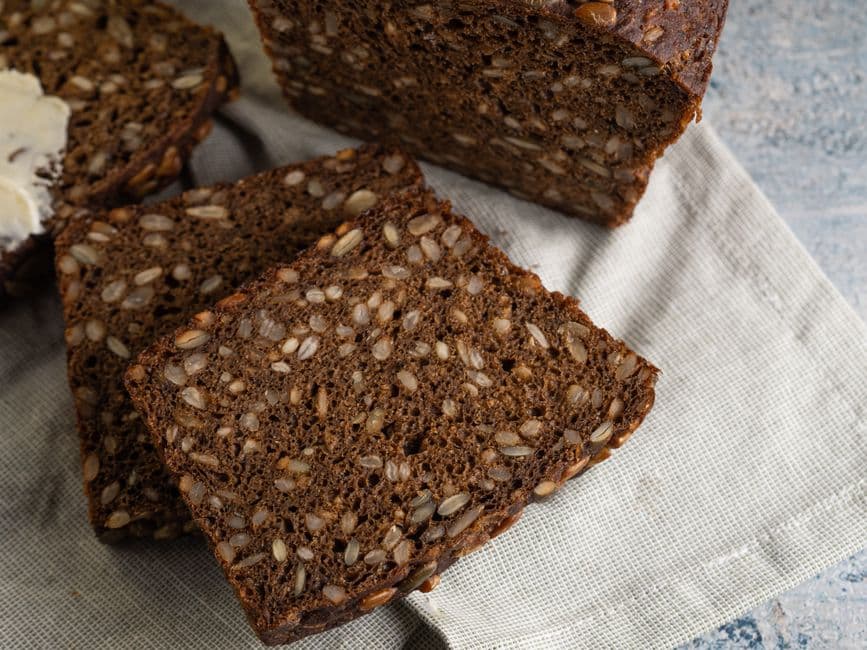
Smørrebrød (littéralement 'pain beurré') est la pierre angulaire de la culture alimentaire danoise. Ces sandwiches ouverts sur rugbrød dense et aigre (pain de seigle au levain) proviennent de simples déjeuners de travailleurs au XIXe siècle, mais ont évolué en compositions culinaires élaborées qui sont pratiquement une forme d'art danoise. Les garnitures traditionnelles incluent le hareng mariné avec les anneaux d'oignon et les câpres, le saumon fumé avec le fromage à la crème et l'aneth, le rosbif avec la rémoulade et les oignons croustillants, et l'œuf et la crevette avec la mayonnaise et l'aneth frais. Chaque smørrebrød est habillé et mangé comme premier cours au déjeuner traditionnel danois (frokost), progressant du hareng à la viande au fromage. La combinaison du pain de seigle foncé et légèrement aigre avec les garnitures riche, crémeuse et marinée crée un équilibre profondément satisfaisant.
Ingrédients
Sert 4
- 8 tranchespain de seigle au levain foncé (rugbrød)
- 80 gbon beurre non salé(ramolli)
- 200 gfilets de hareng marinés(égouttés)
- 1 petiteoignon rouge(coupé en fines rondelles)
- 2 cuillères à soupecâpres
- 150 gcrevettes d'eau froide cuites (crevettes)
- 4 cuillères à soupebonne mayonnaise de qualité
- 4œufs durs(pelés et tranchés)
- small bunchaneth frais(cueilli en fronds)
- 1citron(coupé en quartiers)
Étapes
- 1
Préparer le pain
Si votre rugbrød n'est pas pré-tranché, coupez-le en tranches d'environ 8 mm d'épaisseur — plus fin que le pain de sandwich habituel mais assez substantiel pour supporter les garnitures. Étalez généreusement du beurre ramolli jusqu'aux bords de chaque tranche. La couche de beurre n'est pas optionnelle ; elle empêche le pain d'absorber l'humidité des garnitures.
- 2
Construire smørrebrød au hareng
Disposez 2–3 filets de hareng mariné sur deux tranches de pain beurré, légèrement chevauchés. Parsemez de fines rondelles d'oignon rouge et d'une pincée de câpres. Finalisez avec quelques fronds d'aneth frais et un petit quartier de citron à côté.
- 3
Construire smørrebrød à l'œuf et crevette
Disposez les tranches d'œuf dur qui se chevauchent sur deux tranches de pain beurré. Versez une généreuse cuillerée de crevettes d'eau froide sur le dessus, puis ajoutez une cuillerée de mayonnaise au centre. Glissez plusieurs fronds d'aneth autour des crevettes pour la couleur et la fraîcheur.
- 4
Habiller et présenter
Smørrebrød est mangé avec un couteau et une fourchette, jamais pris à la main. Disposez les pièces assemblées sur une planche de bois ou une assiette. La présentation doit être soignée et attrayante — c'est la nourriture qui est mangée avec les yeux ainsi que la bouche.
- 5
Servir à la danoise
Servez le smørrebrød au hareng en premier, comme c'est traditionnel au frokost danois convenable, suivi de celui à l'œuf et crevette. Accompagnez d'une lager froide ou d'un verre d'aquavit (snaps) à boire.
Vous l'avez cuisinée ?
Notez-la et aidez les autres à trouver les recettes qui fonctionnent vraiment.
Connectez-vous en un geste : nous enregistrons la note que vous venez de choisir.
Tout ce qu'il faut pour planifier votre semaine — gratuit
- Calendrier des repas
- Liste de courses
- Idées de recettes IA
Cuisinez les mains libres
Profitez de plans de repas IA, d'un mode cuisine pas à pas et de vos recettes enregistrées dans l'appli gratuite Bento.
Conseils de pro
- →
Le beurre doit couvrir complètement le pain — c'est une barrière d'humidité ainsi qu'un élément de saveur.
- →
Le rugbrød authentique a une mie très dense et humide avec une légère aigreur ; le pain d'épices noir est le substitut le plus proche largement disponible.
- →
Les crevettes d'eau froide de la mer du Nord ou de l'Atlantique Nord ont une saveur plus douce et plus délicate que les variétés d'eau chaude.
- →
Goûtez et ajustez le sel à la toute fin — les saveurs se concentrent à mesure que les liquides s'évaporent, et une dernière pincée de sel floconneux rehausse le plat.
Variantes
- •
Dyrlægens natmad ('collation de minuit du vétérinaire') est un classique avec pâté de foie, veau froid, aspic et oignon cru.
- •
Sol over Gudhjem est une spécialité de Bornholm : hareng fumé, jaune d'œuf cru, radis et ciboulette.
- •
Végétarien : remplacez la protéine par des champignons huitre royaux rôtis, du tofu fumé ou des pois chiches cuits — ajustez légèrement l'assaisonnement à la hausse pour compenser.
- •
Plus épicé : ajoutez un piment frais finement haché ou une cuillerée à café de poivre d'Alep/Urfa concassé pour une chaleur chaude et multicouche au lieu d'un seul coup piquant.
Stockage
Assemblez le smørrebrød juste avant de servir. Le pain beurré se conserve à température ambiante pendant 30 minutes avant de devenir détrempé.
Histoire et origine
La tradition du sandwich ouvert remonte aux travailleurs danois du XVIe siècle qui utilisaient leurs restes de pain comme assiette comestible. Au XIXe siècle tard, le restaurant d'Oskar Davidsen à Copenhague offrait plus de 178 variétés sur son célèbre menu d'un mètre.
Foire aux questions
Et si je ne peux pas trouver de vrai rugbrød ?
Le levain complet à grain entier ou le pain d'épices noir sont les meilleurs substituts. Évitez le pain de blé mou — il ne peut pas supporter le poids et l'humidité des garnitures.
Puis-je préparer cela à l'avance ?
Oui — la plupart des composants peuvent être préparés jusqu'à un jour à l'avance et réfrigérés séparément. Réchauffez doucement et assemblez juste avant de servir pour que les textures restent distinctes.
Que puis-je remplacer si je n'ai pas tous les ingrédients ?
Restez fidèle au rôle de chaque ingrédient : remplacez les arômes par des similaires (échalote pour oignon, citron vert pour citron), et maintenez l'équilibre graisse-acide-sel intact. Les mélanges d'épices peuvent généralement être approximés avec ce qui est dans le placard.
Comment savoir si c'est authentique ?
L'authenticité est un spectre — ce qui importe plus est d'honorer la technique et l'équilibre des saveurs. Si le plat a une saveur harmonieuse et respecte comment les cuisiniers de sa région d'origine le construiraient, vous êtes sur la bonne voie.
Faits nutritionnels
Par portion · 4 portions totales
Résumé du temps
Vous avez des questions ?
Demandez quoi que ce soit à notre assistant culinaire IA sur cette recette : substitutions, techniques, mise à l'échelle.
Discutez avec AI Chef →Présenté dans les guides
Cette recette est présentée dans les guides sélectionnés suivants :
Plus de recettes danoises
Vous Aimerez Aussi
Des plats similaires venus d'autres cuisines du monde.
Parcourir par Ingrédient
D'autres recettes construites autour des mêmes ingrédients principaux.
Outils de Cuisine Gratuits
Calculateurs et convertisseurs qui accompagnent cette page — sans inscription.
Transformer en Plan
Programmez-le, faites les courses et suivez ce que vous avez déjà.
À Lire Ensuite
Des articles de fond sur les idées derrière ce plat.
Cuisine scandinave : un Smørrebrød complet, du Gravlax, du New Nordic et de l'art de la cuisine Hygge
14 min.
Régime nordique : un guide complet fondé sur des preuves sur les bienfaits pour la santé et un plan de repas de 7 jours
14 min.
Le régime nordique : une preuve complète sur la santé, les aliments de base et en quoi il diffère du régime méditerranéen
14 min.
Communauté
Rejoignez la conversation
Connectez-vous pour laisser un commentaire et enregistrer vos recettes préférées