
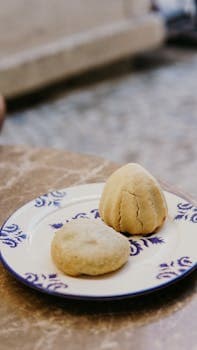
Mkatra Foutra
Coconut and cardamom flatbread cooked on a griddle — Mayotte's favourite breakfast.
About This Recipe
Mkatra Foutra is the flatbread that defines morning in Mayotte — eaten hot off the griddle with sweet tea (chai), it is the first smell and taste that greets Mahorais families at dawn. The name is Shimaore (the local Bantu language of Mayotte) and translates loosely as 'baked bread'; the preparation belongs to the archipelago's ancient tradition of griddle breads found across the Swahili coast from Mozambique to the Comoros. Coconut milk replaces water in the dough, contributing fat and natural sweetness, while ground cardamom — brought to the western Indian Ocean by Arab traders centuries ago — provides the floral, warm spice note that makes the bread immediately recognisable. A small amount of yeast is used not to leaven the bread to great height but to add a mild, yeasty depth that raw coconut milk alone cannot provide. The technique is uncomplicated but the griddle temperature is critical. Too hot, and the exterior chars before the inside cooks through; too cool, and the bread becomes pale and doughy. The ideal temperature produces the characteristic leopard-spotting — dark caramel patches against a golden-beige background — and a slightly crispy exterior that gives way to a soft, coconut-scented crumb. After a 30-minute rest the dough becomes supple and slightly puffed; it should be flattened gently rather than rolled too thin, as mkatra foutra is meant to be thick enough to tear and dip rather than paper-thin. On Mayotte it is eaten at breakfast with tea, or as an afternoon snack, and it is carried to mosque for Eid morning gatherings, wrapped in cloth to stay warm on the way.
Ingredients
Serves 6
- 300 gplain flour(plus extra for dusting)
- 200 mlfull-fat coconut milk(shaken or stirred to recombine)
- 1 tspground cardamom
- 2 tbspcaster sugar
- 1 tspinstant dry yeast
- 1 pinchfine salt
- 1 tbspsesame seeds(optional, for topping)
Instructions
- 1
Combine dry ingredients
In a large bowl, whisk together flour, instant yeast, sugar, cardamom and salt until evenly mixed. Make a well in the centre.
Using instant (not active dry) yeast means no separate proofing step is required.
- 2
Bring dough together
Pour the coconut milk gradually into the well, mixing with a fork as you go, then use your hand to bring the dough into a rough ball. Turn out onto a lightly floured surface and knead for 5 minutes until the dough is smooth, soft and slightly tacky but not sticky — add flour a teaspoon at a time if it sticks to the board.
- 3
Rest the dough
Shape the dough into a ball, return to the bowl and cover tightly with a clean cloth or cling film. Rest at room temperature for 30–40 minutes until the dough has puffed slightly and feels noticeably softer. It will not double in size — just become more relaxed and supple.
In a warm kitchen (28°C+) the rest can be as short as 20 minutes.
- 4
Divide and shape
Divide the rested dough into 6 equal pieces (about 85 g each). On a lightly floured surface, flatten each piece into a disc about 12 cm in diameter and 1 cm thick. Do not roll them too thin — a slightly thicker disc produces the correct soft interior. If using sesame seeds, press a pinch onto the top of each disc.
- 5
Heat the griddle
Heat a cast-iron griddle pan, heavy frying pan or tawa over medium heat for at least 3 minutes. The surface is ready when a drop of water dropped onto it skitters and evaporates immediately. Do not oil the surface — mkatra foutra is cooked dry.
A cast-iron pan retains heat better than thin non-stick; use it if you have one.
- 6
Cook to golden spots
Place a dough disc onto the dry griddle. Cook for 3–4 minutes without moving, until the underside develops dark, caramel-brown spots (the characteristic pattern) and the edges look dry and set. Flip once and cook the second side for 2–3 minutes until golden and spotted to match.
Resist pressing or flattening the bread while it cooks — let it puff naturally.
- 7
Serve warm
Stack cooked mkatra foutra in a clean cloth to keep warm and soft while you cook the remaining breads. Serve hot with sweet milky tea (chai), honey or jam. They are best eaten within 20 minutes of coming off the griddle.
Did you make this?
Rate it and help other cooks find the recipes that actually work.
One tap to sign in, and we'll save the rating you just picked.
Everything you need to plan your week — free
- Meal calendar
- Grocery list
- AI recipe ideas
Cook this hands-free
Get AI meal plans, step-by-step cooking mode, and your saved recipes in the free Bento app.
Pro Tips
- →
Use full-fat tinned coconut milk rather than the carton drinking variety — the higher fat content gives the bread richness and softness.
- →
Cook on medium rather than high heat; the dark spots should develop slowly over 3–4 minutes rather than appearing in 30 seconds, which would mean the outside is charred while the inside is raw.
- →
The 30-minute rest is important even with instant yeast — it relaxes the gluten and makes the dough pliable, preventing the discs from springing back when you flatten them.
- →
Press a few sesame seeds onto the surface before gridding — they toast against the hot surface and add a pleasant nutty crunch.
- →
Wrap cooked breads in a clean cloth rather than leaving them exposed; the trapped steam keeps them soft for 20–30 minutes.
Variations
- •
Mkatra siniya (baked version): press dough into a greased baking dish and bake at 200°C for 18–20 minutes for a thicker, more cake-like result served sliced.
- •
Grated fresh coconut version: add 50 g of freshly grated coconut to the dough for more intense coconut flavour and a slightly moister crumb.
- •
Sweetened version: increase sugar to 4 tbsp and add a pinch of cinnamon alongside the cardamom for a more dessert-like bread.
- •
Savoury version: omit the sugar, double the salt and add 1 tsp cumin seeds — serve alongside soups or stews as a bread rather than a sweet breakfast item.
Storage
Mkatra foutra is at its best eaten immediately, warm from the griddle. Once cool, wrap in a cloth or airtight container and eat within 24 hours. To revive day-old bread, briefly warm each piece on a dry griddle for 1 minute per side or wrap in foil and heat in a 160°C oven for 5 minutes.
History & Origin
Mkatra foutra is one of the oldest preparations in the Mahorais culinary tradition, rooted in the Swahili coastline's ancient griddle bread culture that stretches from the Comoros to the Kenyan coast. Arab traders introduced cardamom and the use of coconut in bread-making to the western Indian Ocean islands as early as the 11th century. The bread was documented by French colonial administrators in 19th-century Mayotte as a daily staple of the indigenous Mahorais population, and it has remained central to breakfast culture ever since.
Frequently Asked Questions
Can I use coconut cream instead of coconut milk?
Yes, but thin it slightly — mix 150 ml of coconut cream with 50 ml of water. Full coconut cream without dilution makes the dough too rich and it may fry rather than griddle-cook correctly. Full-fat tinned coconut milk is the ideal consistency.
Why is my mkatra foutra pale instead of spotty?
The griddle is not hot enough. Preheat the pan for at least 3 minutes over medium heat before adding the dough. The characteristic dark spots require direct contact with a properly hot dry surface. If you see no spots forming after 2 minutes, increase the heat slightly.
Can I make the dough the night before?
Yes — after kneading, place the dough in a covered bowl in the refrigerator overnight. The slow cold fermentation actually develops a more complex, slightly tangy flavour. Remove from the fridge 30 minutes before cooking to bring back to room temperature before shaping.
Is this bread very sweet?
It is lightly sweet — the 2 tablespoons of sugar in the recipe give it a gentle sweetness that pairs well with unsweetened tea or coffee rather than being dessert-level sweet. If you prefer a neutral bread, halve the sugar.
What do people traditionally eat with mkatra foutra?
On Mayotte, it is traditionally eaten at breakfast with sweet milky chai (spiced tea) or plain tea, sometimes spread with a little butter, honey or jam. It also appears at Eid morning gatherings alongside sweet drinks and confections, and as an afternoon snack torn and shared communally.
Nutrition Facts
Per serving · 6 servings total
Time Summary
Have Questions?
Ask our AI cooking assistant anything about this recipe — substitutions, techniques, scaling.
Chat with AI Chef →Featured in Guides
This recipe is featured in the following curated guides:
More Mayotte Recipes
You Might Also Like
Similar dishes from other cuisines around the world.
Free Kitchen Tools
Calculators and converters that pair with this page — no signup needed.
Put This Into a Plan
Schedule it, shop for it, and track what you already have.
Read Next
Longer reads that go deeper on the ideas behind this dish.
Community
Join the conversation
Sign in to leave a comment and save your favourite recipes