
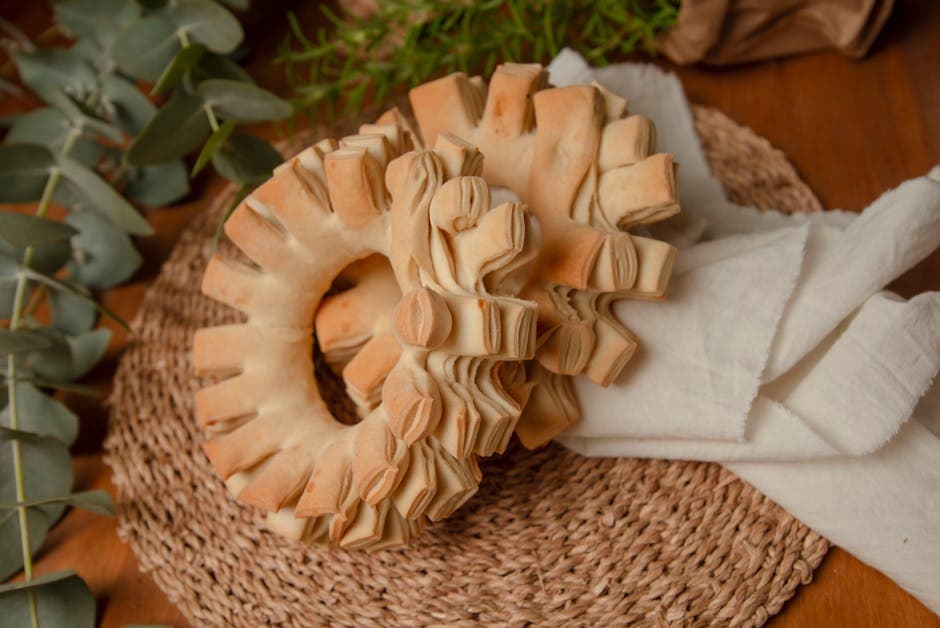
Chipa
Paraguay's iconic cheese bread — chewy, golden rings made with cassava flour, cheese, and eggs, baked until puffed and fragrant.
About This Recipe
Chipa is Paraguay's most beloved bread, sold at every street corner, bus station, and market throughout the country and neighbouring Argentina. These small ring-shaped breads are made from cassava flour (not wheat), cheese, eggs, anise seeds, and lard or butter, which gives them a chewy, satisfying texture quite unlike conventional bread. The cassava flour creates a naturally gluten-free product with a slight tang, while the cheese — traditionally Paraguay's fresh, salty queso paraguayo — adds richness and depth. Chipas are baked in wood-fired ovens traditionally, which gives them a slight char and smoke, though modern ovens produce excellent results. They are at their best eaten warm, within minutes of coming from the oven, and are the quintessential companion to maté or tereré (cold maté).
Ingredients
Serves 16
- 500 gcassava flour (tapioca flour)(not starch — use the coarser flour)
- 200 gqueso paraguayo, feta, or Parmesan(finely grated)
- 100 gqueso fresco or mozzarella(crumbled)
- 3 largeeggs
- 80 gbutter or lard(at room temperature)
- 100 mlmilk(plus extra if needed)
- 1 tspsalt
- 1 tspanise seeds
Instructions
- 1
Mix the dough
Beat butter until soft. Mix in eggs one at a time. Add both cheeses, anise seeds, and salt. Gradually add cassava flour alternating with milk until a smooth, firm dough forms. It should not stick to your hands.
- 2
Shape the chipas
Divide dough into 16 balls. Roll each into a rope about 15 cm long, then form a ring by joining the ends. Or shape into rolls or crescents.
The classic ring shape allows the chipa to cook through evenly and gives that characteristic chewy exterior.
- 3
Bake
Preheat oven to 200°C. Place chipas on a lined baking tray. Bake 20–25 minutes until golden and puffed. They should sound hollow when tapped on the bottom.
- 4
Serve immediately
Chipas are at their absolute best within 15 minutes of baking, while still warm and slightly chewy inside. Serve with coffee, maté, or tereré.
Did you make this?
Rate it and help other cooks find the recipes that actually work.
One tap to sign in, and we'll save the rating you just picked.
Everything you need to plan your week — free
- Meal calendar
- Grocery list
- AI recipe ideas
Cook this hands-free
Get AI meal plans, step-by-step cooking mode, and your saved recipes in the free Bento app.
Pro Tips
- →
Use the coarser cassava flour, not fine tapioca starch — the texture will be completely different.
- →
The dough should be firm enough to shape without cracking — add more milk if too dry.
- →
Chipas are gluten-free by nature — an unexpected bonus.
- →
Taste and adjust salt at the very end — flavors concentrate as liquids reduce, and a final pinch of flaky salt sharpens the whole dish.
Variations
- •
Add finely chopped jalapeño for a spicy version.
- •
Sprinkle sesame seeds on top before baking.
- •
Make smaller bite-sized chipas for snacking.
- •
Vegetarian: swap the protein for roasted king oyster mushrooms, smoked tofu or cooked chickpeas — adjust seasoning slightly upward to compensate.
Storage
Best eaten fresh and warm. Store in an airtight container for 1–2 days; reheat in a 180°C oven for 5–8 minutes to restore texture.
History & Origin
Chipa has been made in Paraguay for centuries, with pre-Columbian roots in the Guaraní people's tradition of cooking with cassava. After Spanish colonisation introduced cheese-making to the region, the combination of cassava and cheese became the defining chipa formula. Today chipa is so deeply embedded in Paraguayan culture that sellers (chiperas) walking through streets and trains calling 'chipa, chipa' is one of the most iconic sounds of the country.
Frequently Asked Questions
Is cassava flour the same as tapioca flour?
They come from the same plant but are processed differently. Cassava flour is made from the whole root and is coarser. Tapioca flour/starch is extracted from the root's starch only and is much finer. For chipa, use the coarser cassava flour.
Can I freeze uncooked chipas?
Yes — freeze shaped chipas on a tray, then bag them. Bake from frozen at 200°C for 28–30 minutes. They taste freshly made.
Can I make this ahead of time?
Yes — most of the components can be prepared up to a day in advance and refrigerated separately. Reheat gently and assemble just before serving so textures stay distinct.
What can I substitute if I don't have all the ingredients?
Stay close to the role each ingredient plays: swap aromatics for similar ones (shallot for onion, lime for lemon), and keep the fat-acid-salt balance intact. Spice blends can usually be approximated with what's in the cupboard.
Nutrition Facts
Per serving · 16 servings total
Time Summary
Have Questions?
Ask our AI cooking assistant anything about this recipe — substitutions, techniques, scaling.
Chat with AI Chef →Featured in Guides
This recipe is featured in the following curated guides:
More Paraguayan Recipes
You Might Also Like
Similar dishes from other cuisines around the world.
Free Kitchen Tools
Calculators and converters that pair with this page — no signup needed.
Put This Into a Plan
Schedule it, shop for it, and track what you already have.
Read Next
Longer reads that go deeper on the ideas behind this dish.
Community
Join the conversation
Sign in to leave a comment and save your favourite recipes