
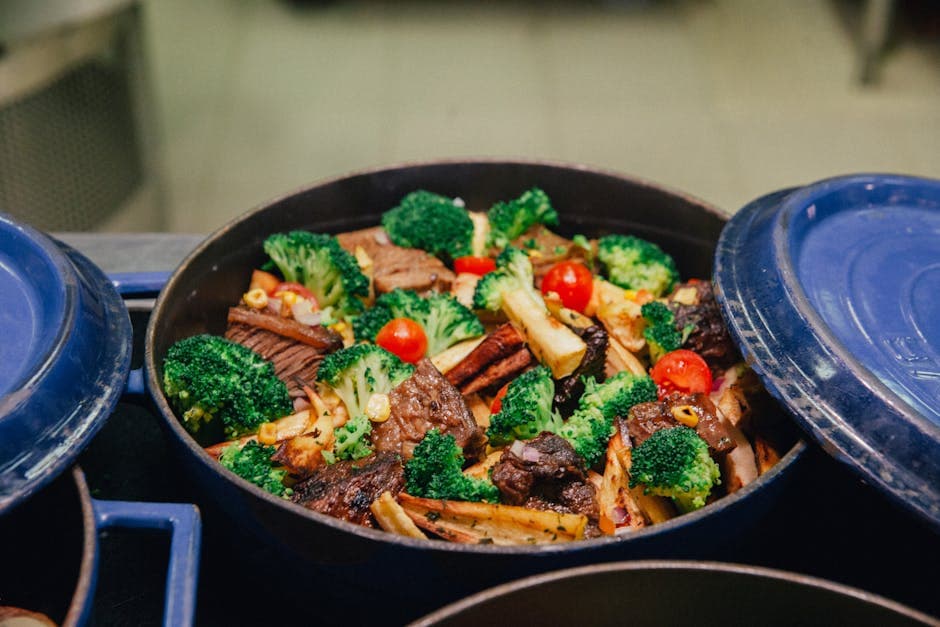
Hāngī (Māori Earth Oven Feast)
New Zealand's traditional Māori feast — lamb, chicken, pork, kumara, and pumpkin slow-steamed for hours over hot stones buried underground.
About This Recipe
Hāngī is the ancestral cooking method of the Māori people of Aotearoa New Zealand: a pit dug in the earth, lined with river stones heated red-hot in a wood fire, then layered with meat and root vegetables, covered with wet cloths and a heavy mound of soil, and left to steam for three to four hours. The result is unlike any oven-cooked food — lamb falling off the bone, kūmara (Māori sweet potato) caramelized at the edges, pumpkin tender and sweet, all carrying a faint, smoky earth scent that no kitchen can replicate. Hāngī is the centerpiece of major Māori gatherings: weddings, funerals (tangihanga), birthdays, and seasonal celebrations. Modern home-cook adaptations use stovetop steamers or buried Webers, but the principle — hot stones, wet cloth, sealed earth, long time — remains. This version is the home-adapted hāngī using a covered barbecue and lava stones.
Ingredients
Serves 12
- 1.5 kglamb shoulder, bone-in
- 1.5 kgwhole chicken or 8 chicken thighs
- 1 kgpork shoulder, in 6 cm chunks
- 2 kgkūmara (orange sweet potato), peeled and halved
- 1 kgpumpkin or butternut squash, in large wedges
- 1 kgwhite potatoes, peeled and halved
- 2 headscabbage, quartered
- 2 tbspsea salt
- 2 tbspfreshly ground black pepper
- 8 sprigsfresh rosemary
- 8 clovesgarlic, smashed
- 2 Lboiling water
- 12river stones or lava rocks (heatproof, 8–10 cm), heated in a wood fire (alternative: a charcoal grill with a thick cast-iron base)
- 2clean cotton sheets or muslin (for traditional pit method)
Instructions
- 1
Prepare the meats
Rub all meats generously with salt, pepper, and crushed garlic. Tuck rosemary sprigs around the lamb. Bring to room temperature 30 minutes before cooking.
- 2
Build the heat source
Traditional method: dig a pit 60 cm deep and 80 cm wide, build a hot wood fire on top of river stones for 90 minutes until stones glow red. Home adaptation: heat a kettle barbecue with charcoal until coals are white-hot, place lava rocks directly on top of the coals.
- 3
Prepare the basket
Line a deep metal basket or oven-safe pan with cabbage leaves (these protect the food from direct stone heat and add moisture). Layer in this order from bottom: pork, lamb, chicken, potatoes, kūmara, pumpkin, more cabbage.
- 4
Add liquid
Pour 500 ml of boiling water over the layered food — this generates the steam that does the actual cooking.
- 5
Cover with wet cloth
Soak the cotton sheets in cold water, wring out lightly so they're saturated but not dripping. Cover the basket thickly with the wet cloth. The cloth traps steam and prevents the food from contacting dirt or coals.
- 6
Seal — traditional pit
Lower the basket onto the hot stones in the pit. Quickly shovel earth over the top to seal — no smoke or steam should escape. The pit must be airtight, or the temperature drops too fast.
- 7
Seal — barbecue method
If using a kettle barbecue: place the basket on the cooking grate above the hot stones. Cover the basket loosely with wet cloth, then close the lid tight, sealing vents with foil. Cook on indirect heat 3.5 hours, adding fresh coals every 90 minutes.
Resist the urge to peek — every check drops the temperature by 20°C and adds cooking time.
- 8
Long steam
Cook 3.5–4 hours. Pit hāngī releases tell-tale wisps of steam at the end; barbecue hāngī is ready when the lamb pulls easily with two forks. Total elapsed time including fire-building is 5–6 hours.
- 9
Unearth and serve
Carefully uncover. The cloth should be steaming, the food deep golden. Unpack onto a large platter. Serve with mint sauce for the lamb, butter for the kūmara, and plenty of beer or kava.
Did you make this?
Rate it and help other cooks find the recipes that actually work.
One tap to sign in, and we'll save the rating you just picked.
Everything you need to plan your week — free
- Meal calendar
- Grocery list
- AI recipe ideas
Track what you eat
Snap your meal to log calories and macros, run fasting timers and track water in the free SnapCal app.
Pro Tips
- →
Use river stones or lava rocks — they hold heat far longer than ordinary garden stones, which can also explode when hot. Never use sandstone or limestone.
- →
The cabbage layer is non-negotiable; it protects food from scorching and adds vital moisture.
- →
Wet the cloths thoroughly but wring out excess water — soaking-wet cloth lowers temperature; dry cloth catches fire.
- →
Plan for 5–6 hours total elapsed time including fire-building; hāngī is a half-day commitment, not a weeknight dinner.
Variations
- •
Modern home hāngī uses an above-ground steel hāngī cooker (a portable steam oven invented for marae cooking) — readily available in New Zealand.
- •
Seafood hāngī adds whole crayfish, mussels, and paua at the top layer for the last hour.
- •
Stovetop adaptation: layer the same ingredients in a large steamer over rapidly boiling water for 4 hours — no smoky flavor but the structure works.
Storage
Refrigerate leftovers up to 3 days. Reheat gently covered in a 150°C oven; never microwave the meat — it dries out the slow-cooked texture. Leftover kūmara mashes beautifully with butter and salt.
History & Origin
Hāngī has been the central cooking method of the Māori people since their arrival in Aotearoa New Zealand around the 13th century, brought from earlier Polynesian umu and Hawaiian imu traditions of pit cooking. It remains a marker of Māori identity and a centerpiece of marae gatherings; commercial hāngī producers now serve it nationally, but the home-cooked version at family events is the soul of the dish.
Frequently Asked Questions
Is hāngī really cooked underground?
Traditionally yes — a pit is dug, lined with red-hot stones, the food is laid on top, and the whole thing is buried under soil for 3–4 hours of steam-cooking. Modern home versions use sealed barbecues or steel hāngī cookers, which approximate the effect.
Why does hāngī taste smoky if it's steamed?
The hot stones absorb wood smoke from the fire that heats them, then release that smoke slowly during cooking, perfuming the food. Without wood-heated stones (e.g., when using a gas grill), you lose that signature aroma.
Can I make a small hāngī for 4 people?
Yes — scale down to a single lamb shoulder, four chicken thighs, and a kilo of vegetables in a covered Dutch oven on a charcoal grill. The principle of long, sealed, low-and-slow steam cooking still applies.
What's the difference between hāngī and a Hawaiian luau?
Both are Polynesian pit-cooked feasts and share common ancestry. Hāngī typically uses lamb and kūmara; luau famously uses kalua pig and taro. The cloth-and-soil sealing technique is shared.
Nutrition Facts
Per serving (520g / 18.3 oz) · 12 servings total
Time Summary
Have Questions?
Ask our AI cooking assistant anything about this recipe — substitutions, techniques, scaling.
Chat with AI Chef →Featured in Guides
This recipe is featured in the following curated guides:
More New-zealand Recipes
You Might Also Like
Similar dishes from other cuisines around the world.
Free Kitchen Tools
Calculators and converters that pair with this page — no signup needed.
Put This Into a Plan
Schedule it, shop for it, and track what you already have.
Read Next
Longer reads that go deeper on the ideas behind this dish.
Community
Join the conversation
Sign in to leave a comment and save your favourite recipes