
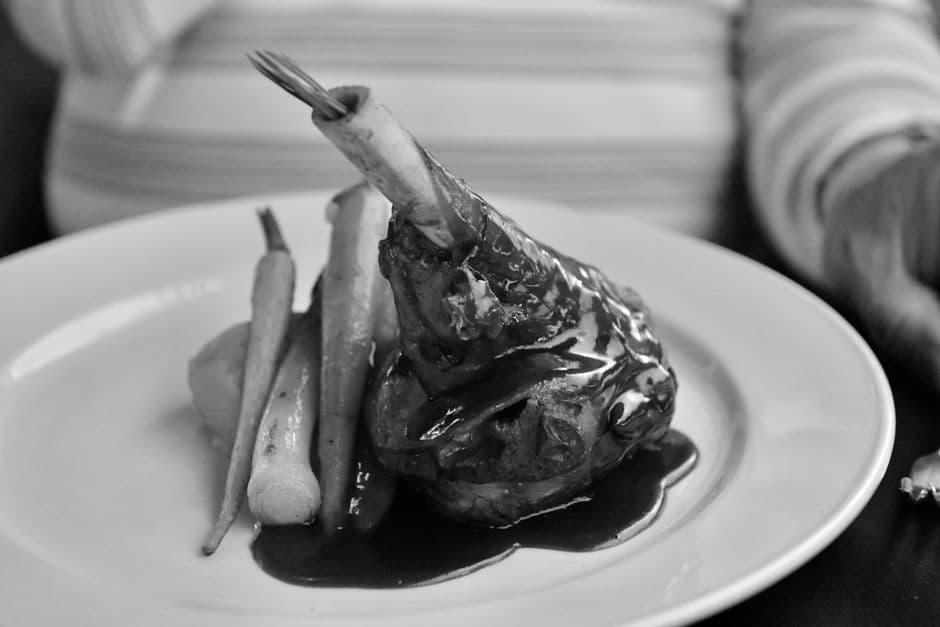
Hāngī-Style Slow-Roasted Lamb
Tender New Zealand lamb shoulder slow-roasted with kumara and herbs to replicate the smoky, earthy flavours of a traditional hāngī.
About This Recipe
While nothing replicates the full magic of an earth-oven hāngī, this oven adaptation captures the essence of the technique using a tightly sealed roasting dish and wet aromatics. New Zealand lamb is world-renowned for its sweetness and tenderness, a result of the animals grazing on lush green pastures year-round. This dish combines that prized lamb with kumara, garlic, rosemary and native kawakawa leaves (or bay leaf as a substitute) to produce a deeply satisfying, slow-cooked centrepiece.
Ingredients
Serves 6
- 2 kgbone-in lamb shoulder
- 6 clovesgarlic, halved lengthways
- 4 sprigsfresh rosemary
- 2 tbspolive oil
- 1 tbspsalt flakes
- 1 tspcracked black pepper
- 1 tspsmoked paprika
- 600 gkumara (orange sweet potato), peeled and cubed
- 400 gAgria potatoes, quartered
- 2 mediumonions, quartered
- 250 mlchicken or vegetable stock
- 4 leaveskawakawa or bay leaves
Instructions
- 1
Score and stud the lamb
Using a sharp knife, make 12 deep incisions across the lamb shoulder. Push a halved garlic clove and a small sprig of rosemary into each cut.
- 2
Season generously
Rub the lamb all over with olive oil, salt, pepper and smoked paprika. Leave to marinate for at least 30 minutes at room temperature or overnight in the fridge.
- 3
Build the base
Preheat oven to 160 °C. Scatter kumara, potatoes, and onions in a deep roasting dish. Pour in stock and add kawakawa or bay leaves.
- 4
Roast covered
Place the lamb on top of the vegetables. Cover the dish tightly with two layers of foil. Roast for 3.5 hours.
- 5
Uncover and caramelise
Remove foil, increase oven to 220 °C and roast for a further 30 minutes until the lamb is deeply golden and the edges are caramelised.
- 6
Rest and serve
Rest the lamb for 20 minutes, loosely covered. The meat should pull apart easily with two forks. Serve with the vegetables and pan juices.
Did you make this?
Rate it and help other cooks find the recipes that actually work.
One tap to sign in, and we'll save the rating you just picked.
Everything you need to plan your week — free
- Meal calendar
- Grocery list
- AI recipe ideas
Track what you eat
Snap your meal to log calories and macros, run fasting timers and track water in the free SnapCal app.
Pro Tips
- →
Bring lamb to room temperature before roasting for even cooking.
- →
The tighter the foil seal, the more steam is trapped and the more tender the result.
- →
Deglaze the pan with a splash of red wine before serving for a richer gravy.
- →
Taste and adjust salt at the very end — flavors concentrate as liquids reduce, and a final pinch of flaky salt sharpens the whole dish.
Variations
- •
Use mutton for a stronger, more traditional flavour.
- •
Add pumpkin and parsnip to the vegetable base.
- •
Rub with miso and honey for a fusion twist.
- •
Vegetarian: swap the protein for roasted king oyster mushrooms, smoked tofu or cooked chickpeas — adjust seasoning slightly upward to compensate.
Storage
Refrigerate leftovers for up to 4 days. Reheat in a covered dish with a little stock.
History & Origin
Lamb has been central to New Zealand's farming identity since European settlers introduced sheep in the 18th century. Today New Zealand is one of the world's leading lamb exporters, and slow-cooked lamb dishes bridge the gap between Māori earth-oven traditions and settler roasting techniques.
Frequently Asked Questions
Can I use lamb leg instead of shoulder?
Shoulder is preferred for slow-cooking as it has more connective tissue and fat that breaks down into tenderness. Leg can dry out.
Can I make this ahead of time?
Yes — most of the components can be prepared up to a day in advance and refrigerated separately. Reheat gently and assemble just before serving so textures stay distinct.
What can I substitute if I don't have all the ingredients?
Stay close to the role each ingredient plays: swap aromatics for similar ones (shallot for onion, lime for lemon), and keep the fat-acid-salt balance intact. Spice blends can usually be approximated with what's in the cupboard.
How do I know it's authentic?
Authenticity sits on a spectrum — what matters more is honoring the technique and balance of flavors. If the dish tastes harmonious and respects how cooks in its home region would build it, you're on solid ground.
Nutrition Facts
Per serving (420g / 14.8 oz) · 6 servings total
Time Summary
Have Questions?
Ask our AI cooking assistant anything about this recipe — substitutions, techniques, scaling.
Chat with AI Chef →More New-zealand Recipes
You Might Also Like
Similar dishes from other cuisines around the world.
Free Kitchen Tools
Calculators and converters that pair with this page — no signup needed.
Put This Into a Plan
Schedule it, shop for it, and track what you already have.
Read Next
Longer reads that go deeper on the ideas behind this dish.
Community
Join the conversation
Sign in to leave a comment and save your favourite recipes