
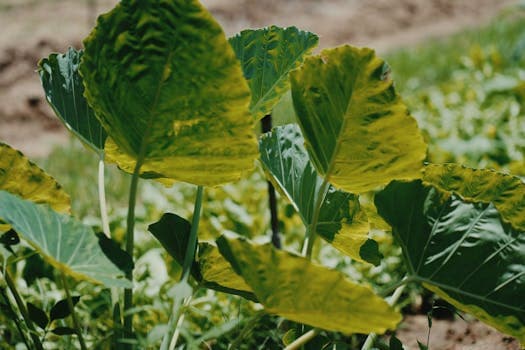
Papuan Taro Leaf Stew
Silky, creamy stew of young taro leaves in coconut milk with smoked fish — nourishing and aromatic.
About This Recipe
Young taro leaves cooked in coconut milk become tender and silky, their earthy flavor balanced by coconut richness and the subtle smokiness of dried fish. This is Papuan kitchen magic: taking humble leaves and transforming them into a sophisticated, comforting stew that sustains through humid tropical days. Rooted in the everyday cooking of Papuan kitchens, Papuan Taro Leaf Stew balances technique and tradition: the young taro leaves, roughly chopped is treated with care, drawing on time-honoured ratios that locals have refined across generations. The dish carries an unmistakable sensory signature — aromas that fill the kitchen as it cooks, layered textures that reveal themselves bite by bite, and a depth of flavour that comes from patient seasoning rather than shortcuts. Whether served as a weeknight dinner or as the centrepiece of a celebratory table, it reflects a regional pantry where local produce, seasoning habits and cooking vessels shape the final result. Home cooks who make this dish often note how forgiving it is once the core method is understood, and how a few small choices — the freshness of the young taro leaves, roughly chopped, the order of additions, the resting time at the end — separate a good version from a memorable one. This recipe walks through those choices so the dish arrives with the character it has on its home turf.
Ingredients
Serves 4
- 400 gyoung taro leaves, roughly chopped
- 400 mlcoconut milk
- 100 gsmoked fish, flaked
- 1 mediumonion, sliced
- 3 clovesgarlic, minced
- 2 tbspvegetable oil
Instructions
- 1
Sauté aromatics
Heat oil and fry onion and garlic until soft, about 4 minutes.
- 2
Add taro leaves
Add taro leaves and stir until they wilt, about 5 minutes.
- 3
Add fish and coconut milk
Stir in smoked fish and coconut milk. Simmer 15 minutes until leaves are very tender.
- 4
Season and serve
Taste and adjust salt. Serve over rice or with taro root.
Did you make this?
Rate it and help other cooks find the recipes that actually work.
One tap to sign in, and we'll save the rating you just picked.
Track what you eat
Snap your meal to log calories and macros, run fasting timers and track water in the free SnapCal app.
Pro Tips
Young taro leaves are essential — older leaves can be bitter.
Don't overcook the leaves — they should stay relatively green.
This is best paired with starchy sides.
Source the freshest young taro leaves, roughly chopped you can find — it is the flavour anchor of the dish.
Variations
- •
Add coconut cream for extra richness
- •
Include fresh fish instead of smoked
- •
Add diced tomato for tanginess
Storage
Refrigerate for 2 days. Best served fresh. Refrigerate in an airtight container for up to 3–4 days. Reheat gently on the stove over low heat with a splash of water or stock to loosen, or microwave at 60% power covered so it warms without drying. Freezes well for up to 2 months in portioned containers; thaw overnight in the fridge before reheating. Dishes built on dairy or fried elements may shift in texture after freezing — refresh with a crisp garnish.
History & Origin
Taro leaves are a nutritional staple across Papua, used in countless traditional preparations. Like many Papuan classics it evolved through home kitchens before earning a place on restaurant menus, and regional cooks still argue good-naturedly about the 'right' way to prepare it. The version below reflects the most widely cooked template, with notes where local practice diverges.
Frequently Asked Questions
Are taro leaves poisonous?
Raw taro leaves contain oxalates, but cooking renders them safe and delicious.
Where can I find them?
Asian markets or specialty grocers. Spinach can substitute, though the flavor differs.
What can I substitute for young taro leaves, roughly chopped?
If young taro leaves, roughly chopped is hard to find, the closest substitutes share its texture and water content. Adjust seasoning slightly since substitutes often carry less character of their own.
Nutrition Facts
Per serving · 4 servings total
Estimated values, not lab-tested. Actual numbers depend on your ingredients and portion size.
Time Summary
Have Questions?
Ask our AI cooking assistant anything about this recipe — substitutions, techniques, scaling.
Chat with AI Chef →More Papuan Recipes
You Might Also Like
Similar dishes from other cuisines around the world.
Free Kitchen Tools
Calculators and converters that pair with this page — no signup needed.
Put This Into a Plan
Schedule it, shop for it, and track what you already have.
Read Next
Longer reads that go deeper on the ideas behind this dish.


Community
Join the conversation
Sign in to leave a comment and save your favourite recipes