
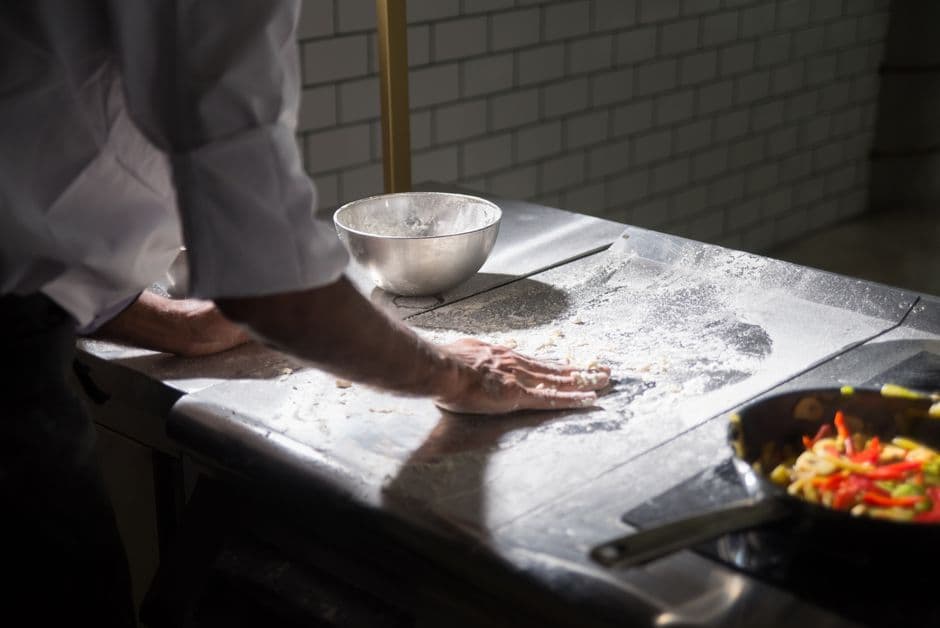
Lefse
Soft Norwegian potato flatbread cooked on a griddle, served with butter and sugar or wrapped around savoury fillings.
About This Recipe
Lefse is a traditional Norwegian flatbread made from riced potatoes, butter, cream, and flour, rolled paper-thin and cooked on a dry, very hot griddle. It is a staple at Norwegian Christmas celebrations and a beloved year-round treat across the country. Families often gather for annual lefse-making sessions, passing recipes and technique through generations. The bread is tender, slightly chewy, and subtly flavoured; it can be eaten sweet with butter and cinnamon sugar, or savoury as a wrap for cured meats and cheese. In Norwegian-American communities, lefse-making is a proud cultural tradition kept alive with dedicated wooden rolling pins and grooved boards.
Ingredients
Serves 8
- 1 kgfloury potatoes (e.g. Maris Piper), boiled and riced while hot
- 50 gunsalted butter, softened
- 60 mldouble cream
- 1 tspsalt
- 1 tspsugar
- 200 gplain flour, plus extra for rolling
- 4 tbspsoftened butter, for serving
- 3 tbspcinnamon sugar (1 tsp cinnamon + 2 tbsp sugar), for serving
Instructions
- 1
Rice and cool the potatoes
Rice the hot boiled potatoes immediately. Stir in butter, cream, salt, and sugar. Spread out on a tray to cool completely to room temperature — this step is critical to prevent a sticky dough.
- 2
Add flour
Once cooled, mix in the flour gradually until a soft, non-sticky dough forms. Do not overwork it. Divide into golf-ball sized portions (about 60 g each) and refrigerate for 30 minutes.
- 3
Roll thin
On a well-floured surface, roll each ball as thin as possible — ideally 2–3 mm, almost translucent. Use a grooved lefse rolling pin if you have one for the traditional texture.
- 4
Cook on a hot griddle
Heat a dry cast-iron griddle or large frying pan to very high heat (230°C / 445°F if measuring). Cook each lefse for 60–90 seconds per side, until brown spots appear. It should puff lightly.
- 5
Keep warm and serve
Stack cooked lefse under a clean tea towel to keep soft and pliable. Serve warm, spread generously with butter and dusted with cinnamon sugar, then rolled up.
Did you make this?
Rate it and help other cooks find the recipes that actually work.
One tap to sign in, and we'll save the rating you just picked.
Everything you need to plan your week — free
- Meal calendar
- Grocery list
- AI recipe ideas
Track what you eat
Snap your meal to log calories and macros, run fasting timers and track water in the free SnapCal app.
Pro Tips
- →
The potatoes must be completely cold before adding flour or the dough will be unworkably sticky.
- →
Roll as thin as you possibly can — thick lefse is heavy and less authentic.
- →
A dedicated lefse stick (a long flat dowel) makes flipping much easier.
- →
Taste and adjust salt at the very end — flavors concentrate as liquids reduce, and a final pinch of flaky salt sharpens the whole dish.
Variations
- •
Savory lefse can be filled with cured meats, brown cheese (brunost), or smoked salmon.
- •
Some recipes use a mix of potato and flour from the start, producing a slightly sturdier bread.
- •
Vegetarian: swap the protein for roasted king oyster mushrooms, smoked tofu or cooked chickpeas — adjust seasoning slightly upward to compensate.
- •
Spicier: add a finely chopped fresh chile or a teaspoon of crushed Aleppo/Urfa pepper to the aromatics for warm, layered heat instead of a single sharp hit.
Storage
Wrap cooled lefse in cling film and store at room temperature for 2 days, or freeze layered between parchment for up to 3 months. Reheat briefly on a warm pan.
History & Origin
Lefse has been baked across Norway for centuries, originally as a way to use surplus potatoes. Regional variations abound — from the thin, delicate Valdres lefse to thicker, sweeter versions from Telemark.
Frequently Asked Questions
Why does my lefse crack when I roll it?
It is likely too dry — add a little more cream to the dough, and ensure the potatoes were not dried out before ricing.
Can I use instant mashed potato?
Freshly riced potatoes are strongly recommended; instant mash results in a gummy texture that does not roll well.
Can I make this ahead of time?
Yes — most of the components can be prepared up to a day in advance and refrigerated separately. Reheat gently and assemble just before serving so textures stay distinct.
What can I substitute if I don't have all the ingredients?
Stay close to the role each ingredient plays: swap aromatics for similar ones (shallot for onion, lime for lemon), and keep the fat-acid-salt balance intact. Spice blends can usually be approximated with what's in the cupboard.
Nutrition Facts
Per serving (120g / 4.2 oz) · 8 servings total
Time Summary
Have Questions?
Ask our AI cooking assistant anything about this recipe — substitutions, techniques, scaling.
Chat with AI Chef →Featured in Guides
This recipe is featured in the following curated guides:
More Norwegian Recipes
You Might Also Like
Similar dishes from other cuisines around the world.
Free Kitchen Tools
Calculators and converters that pair with this page — no signup needed.
Put This Into a Plan
Schedule it, shop for it, and track what you already have.
Read Next
Longer reads that go deeper on the ideas behind this dish.
Community
Join the conversation
Sign in to leave a comment and save your favourite recipes