
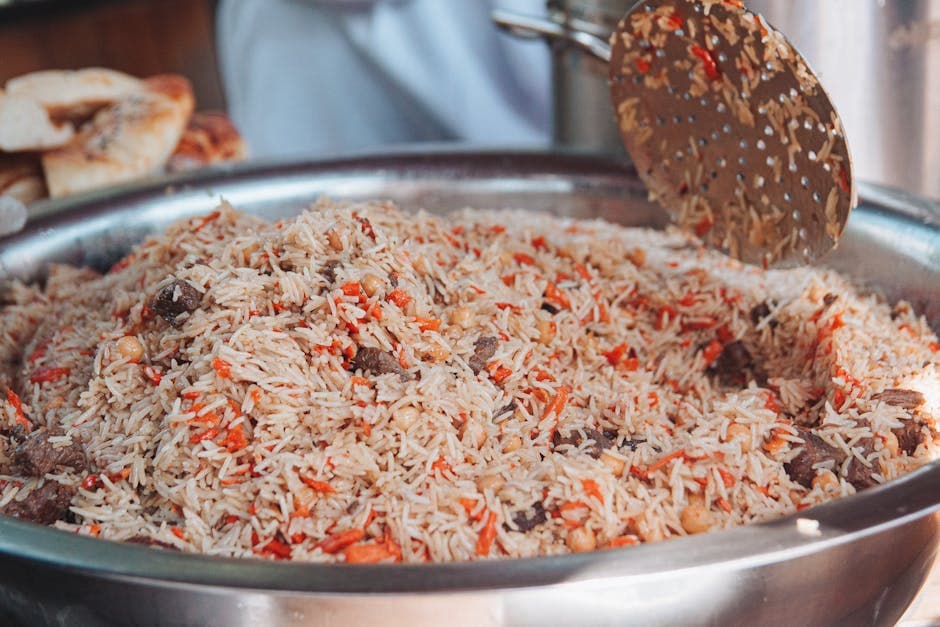
Norin
Uzbek hand-cut noodles with horse meat and broth — a celebratory dish served at weddings and Navruz.
About This Recipe
Norin is one of Uzbekistan's oldest and most ceremonially important dishes — fine hand-rolled noodles piled with shredded horse meat (or beef) and a rich, clear meat broth poured over at the table. The dish is prepared for the most important occasions: weddings, funerals, and the spring New Year celebration of Navruz. The noodles are rolled paper-thin, stacked and cut into fine strands with extraordinary skill by Uzbek cooks. The combination of silky noodles and tender braised meat in clear broth is deceptively simple and profoundly satisfying.
Ingredients
Serves 6
- 400 gplain flour
- 200 mlwarm water
- 2eggs
- 1 tspsalt
- 800 gbeef or horse meat(bone-in, or use beef shank)
- 2 largeonions(one halved for broth, one thinly sliced for garnish)
- 2 mediumcarrots
- 1 tspblack peppercorns
- 2bay leaves
- 1 tspsalt(for broth)
- 2 tbspvegetable oil
- 2 tbspfresh parsley or dill(chopped, to serve)
Instructions
- 1
Make broth
Place meat, halved onion, carrots, peppercorns and bay leaves in a large pot. Cover with cold water. Bring to a boil, skim foam. Simmer covered 1.5–2 hours until meat is very tender. Strain broth and reserve. Shred meat finely by hand.
- 2
Make noodle dough
Beat eggs with water and salt. Mix into flour. Knead 10 minutes into a smooth, stiff dough. Rest 30 minutes covered.
- 3
Roll noodles
Divide dough into 4 pieces. Roll each piece paper-thin on a lightly floured surface. Stack the rolled sheets, dusting between with flour. Roll up the stack and cut into very fine strands, 2–3mm wide. Shake loose.
- 4
Fry onion
Thinly slice remaining onion. Fry in oil until deep golden-brown. Set aside.
- 5
Cook noodles
Cook noodles in boiling salted water for 3–4 minutes until tender. Drain.
- 6
Assemble
Pile noodles in bowls. Top with shredded meat and fried onion rings. Ladle hot broth over the top. Garnish with parsley.
Did you make this?
Rate it and help other cooks find the recipes that actually work.
One tap to sign in, and we'll save the rating you just picked.
Everything you need to plan your week — free
- Meal calendar
- Grocery list
- AI recipe ideas
Track what you eat
Snap your meal to log calories and macros, run fasting timers and track water in the free SnapCal app.
Pro Tips
- →
The noodle dough must be stiff — a softer dough gives limp noodles that cannot be cut finely.
- →
Resting the dough is not optional — it develops the gluten that makes rolling thin possible.
- →
Rolling the dough as thin as possible (almost see-through) gives the characteristic silky norin texture.
- →
Taste and adjust salt at the very end — flavors concentrate as liquids reduce, and a final pinch of flaky salt sharpens the whole dish.
Variations
- •
Use beef shank if horse meat is unavailable — the flavour and technique are nearly identical.
- •
Add a pinch of turmeric to the broth for a golden colour.
- •
Vegetarian: swap the protein for roasted king oyster mushrooms, smoked tofu or cooked chickpeas — adjust seasoning slightly upward to compensate.
- •
Spicier: add a finely chopped fresh chile or a teaspoon of crushed Aleppo/Urfa pepper to the aromatics for warm, layered heat instead of a single sharp hit.
Storage
Broth and meat refrigerate for 4 days. Noodles are best made fresh; they can be dried and stored at room temperature for 2 days.
History & Origin
Norin predates the Silk Road and is believed to be one of Central Asia's oldest noodle dishes, prepared long before the arrival of polo (pilaf). Its association with Navruz — the Persian New Year celebrated across Central Asia — connects it to pre-Islamic agricultural calendar traditions that are thousands of years old.
Frequently Asked Questions
Is horse meat essential for authentic norin?
In Uzbekistan, yes — horse meat (kazy) is the traditional choice and gives the dish its distinctive rich flavour. Outside Central Asia, beef shank is the standard substitute and gives excellent results.
Can I make this ahead of time?
Yes — most of the components can be prepared up to a day in advance and refrigerated separately. Reheat gently and assemble just before serving so textures stay distinct.
What can I substitute if I don't have all the ingredients?
Stay close to the role each ingredient plays: swap aromatics for similar ones (shallot for onion, lime for lemon), and keep the fat-acid-salt balance intact. Spice blends can usually be approximated with what's in the cupboard.
How do I know it's authentic?
Authenticity sits on a spectrum — what matters more is honoring the technique and balance of flavors. If the dish tastes harmonious and respects how cooks in its home region would build it, you're on solid ground.
Nutrition Facts
Per serving · 6 servings total
Time Summary
Have Questions?
Ask our AI cooking assistant anything about this recipe — substitutions, techniques, scaling.
Chat with AI Chef →Featured in Guides
This recipe is featured in the following curated guides:
More Uzbek Recipes
You Might Also Like
Similar dishes from other cuisines around the world.
Browse by Ingredient
More recipes built around the same core ingredients.
Free Kitchen Tools
Calculators and converters that pair with this page — no signup needed.
Put This Into a Plan
Schedule it, shop for it, and track what you already have.
Read Next
Longer reads that go deeper on the ideas behind this dish.
Community
Join the conversation
Sign in to leave a comment and save your favourite recipes