
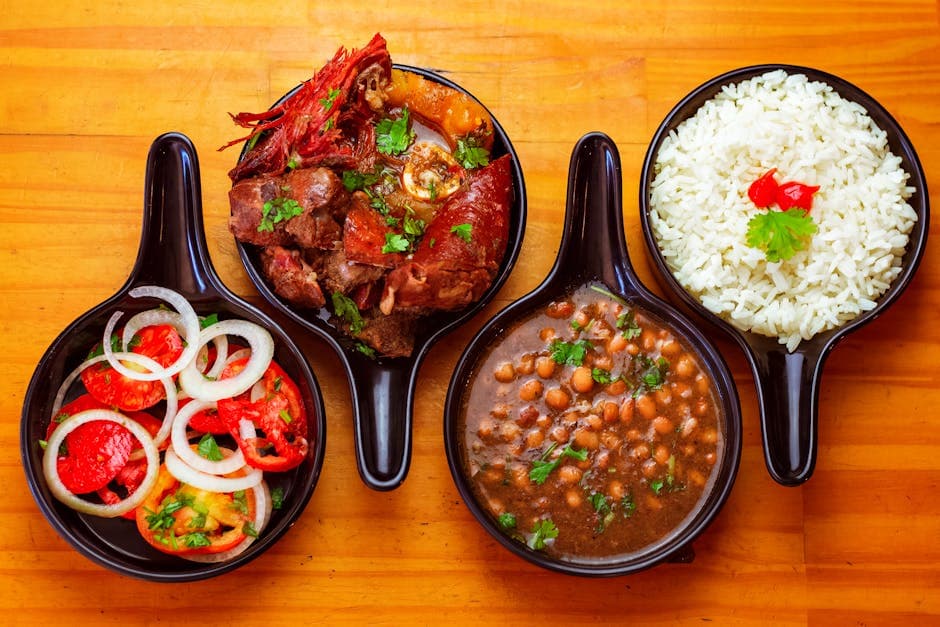
Tigadégué Na (Malian Peanut Beef Stew)
Mali's national stew — beef braised in tomato and a thick peanut butter sauce, served over steaming jollof-style rice.
About This Recipe
Tigadégué Na — sometimes spelled tiguadège na or tigadeguena — is the national dish of Mali, and a Bambara and Manding staple across the western Sahel. The name in Bambara means 'peanut sauce' — and the dish is a celebration of West Africa's two most important crops, peanuts and rice. Tough beef cuts are seared and braised with onion, tomato paste, garlic, and a generous spoon of fresh chili paste, then enriched with raw natural peanut butter (or freshly pounded roasted peanuts) until the sauce thickens into a velvety, deeply savory gravy the color of red clay. The dish is served over fluffy long-grain rice cooked Senegalese-Malian style with onion and a touch of tomato. Many Malian families add a few pieces of okra or sweet potato to soak up the sauce. The flavor is rich, almost meaty even when vegetarian, with the peanut providing a long sustained finish that distinguishes Sahelian stews from their West African cousins like nigerian groundnut soup.
Ingredients
Serves 6
- 900 gbeef chuck or shin, cut into 4 cm chunks
- 3 tbspneutral oil (peanut oil if you have it)
- 2 largeyellow onions, finely diced
- 6 clovesgarlic, minced
- 1 thumbginger, grated
- 5 tbsptomato paste
- 1 can(400g) crushed tomatoes
- 2Scotch bonnet chilies, deseeded and minced (or 1 if heat-shy)
- 1 tbspfine salt, plus more to taste
- 1 tspground white pepper
- 2bay leaves
- 1.2 Lwater or beef stock
- 300 gnatural smooth peanut butter (no sugar or palm oil)(or 350 g freshly ground roasted peanuts)
- 1 mediumsweet potato, peeled and cubed (optional)
- 200 gfresh okra, trimmed and halved (optional)
- 400 glong-grain rice, for serving
- extra chopped onion, for garnish
Instructions
- 1
Sear the beef
Heat oil in a heavy pot over medium-high. Pat beef dry and brown in 2 batches, about 4 minutes per batch, until each piece has a dark crust. Remove and set aside.
- 2
Build the base
Drop heat to medium. Add the diced onions to the same pot and cook 8 minutes until deeply golden — the dark fond is essential to the stew's color. Add garlic and ginger; cook 1 minute.
- 3
Bloom the tomato paste
Push the onions to the edge of the pot. Add tomato paste to the center and cook 3 minutes, stirring, until it darkens brick red and smells caramelized — this kills the tinny taste and concentrates the umami.
Properly bloomed tomato paste is one of the secrets to West African stews — never skip this step.
- 4
Add tomatoes and chili
Stir in crushed tomatoes, Scotch bonnet, salt, white pepper, and bay leaves. Cook 5 minutes until the sauce thickens slightly.
- 5
Braise the beef
Return the beef and all juices to the pot. Add water/stock to cover by 3 cm. Bring to a simmer, cover, and cook 50 minutes until the beef is just becoming tender.
- 6
Whisk in peanut butter
Spoon out a ladle of hot cooking liquid into a small bowl. Whisk the peanut butter into it until smooth — don't add the peanut butter directly to the pot or it clumps. Stir the loosened peanut butter into the stew.
- 7
Add vegetables and finish
Add sweet potato and okra if using. Simmer uncovered 25 more minutes, stirring every few minutes — the sauce should thicken to coat the back of a spoon and turn a deep terra-cotta. Taste and adjust salt.
- 8
Cook the rice
Meanwhile, cook the rice with a tablespoon of oil and a pinch of salt in a 1:1.5 ratio (rice to water), 18 minutes covered over low heat. Rest 10 minutes.
- 9
Serve
Mound rice on plates; ladle generous portions of stew over the top. Garnish with extra chopped raw onion for crunch.
Did you make this?
Rate it and help other cooks find the recipes that actually work.
One tap to sign in, and we'll save the rating you just picked.
Everything you need to plan your week — free
- Meal calendar
- Grocery list
- AI recipe ideas
Track what you eat
Snap your meal to log calories and macros, run fasting timers and track water in the free SnapCal app.
Pro Tips
- →
Use natural unsweetened peanut butter — sugar in commercial brands makes the stew cloyingly sweet. Read the label: peanuts and salt only.
- →
Don't add peanut butter directly to hot stew. Loosen it first with a ladle of liquid in a side bowl, then stir back in — this prevents clumping.
- →
The stew tastes better the next day. If you have time, cook it ahead and reheat — the peanut fat and meat juices marry overnight.
Variations
- •
Vegetarian: omit beef, double the sweet potato, and add a 400g can of cooked chickpeas.
- •
Chicken version (tigadégué na ni kɔnɔ): use bone-in thighs instead of beef, reduce cooking time to 35 minutes total.
- •
Some northern Mali cooks add a teaspoon of ground dried selim pepper (kani diarba) for a smoky note.
Storage
Refrigerate up to 4 days; flavors improve. Reheat gently with a splash of water — the peanut sauce thickens further when cold. Freezes well 3 months.
History & Origin
Tigadégué Na is a foundational dish of the Mande people across Mali, eastern Senegal, Guinea, and northern Côte d'Ivoire — its current form crystallized after the introduction of New World peanuts to West Africa via Portuguese traders in the 16th century. The dish became the recognized national stew of independent Mali in the 1960s and is served on Fridays in many Malian households.
Frequently Asked Questions
What if I can't find natural peanut butter?
Roast 350g of raw shelled peanuts at 170°C for 12 minutes, then grind in a food processor with a pinch of salt until smooth and oily — about 5 minutes. The flavor is actually closer to authentic than store-bought.
Is this the same as Senegalese mafé?
They are very closely related — both are West African peanut stews built on tomato and chili. Senegalese mafé tends to use more vegetables (cabbage, carrots) and lamb is common. Malian tigadégué is leaner, beefier, and the peanut flavor is more prominent.
Why is my sauce gritty?
You either used a chunky peanut butter or didn't whisk the peanut butter into hot liquid before adding to the stew. Always loosen smooth peanut butter into a ladle of broth first.
Can I make it less spicy?
Absolutely — use one Scotch bonnet and remove all seeds, or substitute a milder chili like jalapeño. Malian home cooking varies hugely in heat; restaurant versions are usually milder than market versions.
Nutrition Facts
Per serving (480g / 16.9 oz) · 6 servings total
Time Summary
Have Questions?
Ask our AI cooking assistant anything about this recipe — substitutions, techniques, scaling.
Chat with AI Chef →Featured in Guides
This recipe is featured in the following curated guides:
More Malian Recipes
You Might Also Like
Similar dishes from other cuisines around the world.
Free Kitchen Tools
Calculators and converters that pair with this page — no signup needed.
Put This Into a Plan
Schedule it, shop for it, and track what you already have.
Read Next
Longer reads that go deeper on the ideas behind this dish.
Community
Join the conversation
Sign in to leave a comment and save your favourite recipes