
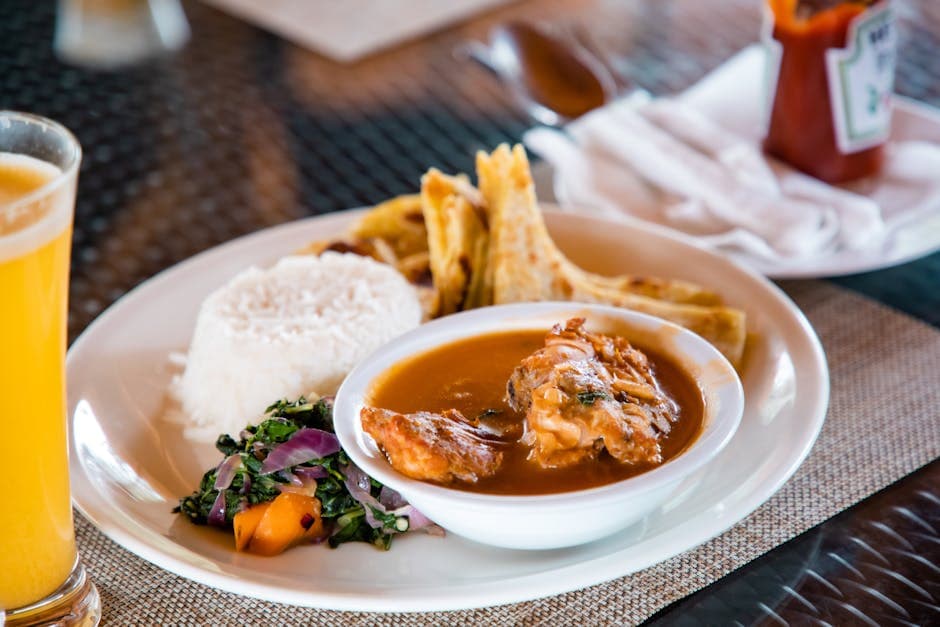
Katogo (Ugandan Plantain Breakfast Stew)
Uganda's beloved breakfast: green matoke plantains braised with beef offal or beans in a savory tomato-and-onion gravy.
About This Recipe
Katogo is Uganda's iconic breakfast and the comfort dish that powers most mornings in Kampala. Green matoke plantains are peeled and braised together with a savory accompaniment — most often beef offal, sometimes beans, smoked fish, peanut sauce, or goat — in a single pot with onion, tomato, and curry powder until the plantains are soft, the sauce is thick, and the two have melded into one rib-sticking stew. The name 'katogo' literally means 'a mixture' in Luganda, and the principle is exactly that: starch and protein cooked together so flavors infiltrate the plantain. Eaten at street stalls and matatu stages from 6 a.m. on, katogo is the morning meal of taxi drivers, market traders, and anyone with a full day ahead. The bean version makes it an ideal vegetarian everyday meal.
Ingredients
Serves 4
- 8 mediumgreen matoke plantains (East-African cooking bananas), peeled and cut into 4 cm chunks
- 400 gcooked red kidney beans (or 250 g beef offal/stew meat, cubed)
- 2 tbspneutral oil
- 2 largeyellow onions, finely diced
- 3 clovesgarlic, minced
- 1 tbspfresh ginger, minced
- 3 mediumtomatoes, finely chopped
- 2 tbsptomato paste
- 1 tbspmild curry powder
- 1 tspground cumin
- 1green bell pepper, diced
- 1Scotch bonnet or small chili, whole (optional)
- 1 cubebeef or vegetable bouillon
- 1.5 tspfine salt
- 1 tspblack pepper
- 600 mlwater or stock
- 3 tbspfresh coriander, chopped
Instructions
- 1
Peel matoke
Rub your hands with a little oil first — matoke sap stains. Trim both ends, score the skin lengthwise, and pry off the green peel. Drop pieces into water with a splash of vinegar to prevent browning.
Always oil your knife and hands; the sap is sticky and stains fabric permanently.
- 2
Build the base
In a heavy pot, heat the oil over medium. Sauté the onions 8 minutes until pale gold. Add garlic, ginger, curry powder, and cumin; cook 1 minute until fragrant.
- 3
Add tomato
Stir in the tomatoes, tomato paste, and bell pepper. Cook 6–8 minutes until the tomatoes break down and the oil starts to separate at the edges of the pan.
- 4
Add the protein and liquid
Stir in the beans (or browned offal/stew meat), bouillon cube, salt, pepper, and the whole chili if using. Pour in 500 ml of water and bring to a simmer.
- 5
Add matoke
Drain the matoke chunks and nestle them into the pot. Top up with enough water to barely cover (about 100 ml more). Cover and simmer 25–30 minutes until the matoke is fork-tender and the sauce is thick.
- 6
Adjust and finish
If using offal/meat, ensure it's tender — add 10 more minutes if needed. Taste for salt. Remove the whole chili. Stir in coriander and serve hot in deep bowls, sometimes with a side of fried egg or avocado.
Did you make this?
Rate it and help other cooks find the recipes that actually work.
One tap to sign in, and we'll save the rating you just picked.
Everything you need to plan your week — free
- Meal calendar
- Grocery list
- AI recipe ideas
Track what you eat
Snap your meal to log calories and macros, run fasting timers and track water in the free SnapCal app.
Pro Tips
- →
True matoke (East-African green cooking bananas) is essential — regular plantain works as a substitute, but it's sweeter; reduce or skip any added sugar.
- →
If using beef offal (the traditional version), simmer it separately first for 30 minutes until tender before adding to the pot.
- →
Don't overcook the matoke — once it's fork-tender, stop; further cooking turns it gummy and starchy.
Variations
- •
Katogo with offal: the classic Kampala street version, with tripe and liver as the protein.
- •
Katogo with g-nut sauce: peanut-butter–based sauce, made by stirring 4 tbsp natural peanut butter into the pot 5 minutes before serving.
- •
Smoked-fish katogo: add 200 g flaked smoked tilapia in the last 10 minutes for a fragrant version popular in lake regions.
Storage
Refrigerate up to 3 days. Reheat with a splash of water on the stove; the matoke will firm up cold but softens again with reheating.
History & Origin
Katogo evolved as a thrifty Buganda household breakfast — a way to stretch leftover stew or beans by cooking them with the morning's matoke in a single pot. It moved from village kitchens into Kampala's street-food economy in the 1980s and is now one of Uganda's most-recognized national dishes.
Frequently Asked Questions
Where can I buy matoke?
Look for East-African or Caribbean grocers — fresh matoke is available year-round in cities with significant Ugandan or Rwandan communities. Frozen peeled matoke is also widely available and works fine.
Can I use regular bananas?
No — eating bananas turn to mush. You need green cooking bananas (matoke) or, as a substitute, very green unripe plantains.
Is katogo only for breakfast?
It's traditionally breakfast, but many Ugandans also eat it for lunch or a hearty late-evening meal. Restaurants now serve it all day.
Is it spicy?
Only mildly — the Scotch bonnet is added whole and never broken, so it perfumes without burning. Curry powder is mild here, not the Indian level of heat.
Nutrition Facts
Per serving (520g / 18.3 oz) · 4 servings total
Time Summary
Have Questions?
Ask our AI cooking assistant anything about this recipe — substitutions, techniques, scaling.
Chat with AI Chef →Featured in Guides
This recipe is featured in the following curated guides:
More Ugandan Recipes
You Might Also Like
Similar dishes from other cuisines around the world.
Free Kitchen Tools
Calculators and converters that pair with this page — no signup needed.
Put This Into a Plan
Schedule it, shop for it, and track what you already have.
Read Next
Longer reads that go deeper on the ideas behind this dish.
Community
Join the conversation
Sign in to leave a comment and save your favourite recipes