
In This Article
Track what you eat
Snap your meal to log calories and macros, run fasting timers and track water in the free SnapCal app.
Related Recipes
Related Guides
Medical disclaimer: The information in this article is for educational purposes only. Always consult a qualified healthcare professional before making significant dietary or lifestyle changes, especially if you have a medical condition.
A low-sodium diet is the one most people picture as 'just stop salting your food', and that picture is mostly wrong. In the United States, the largest share of the sodium people eat comes from packaged, processed and restaurant foods, not from the salt added at the table or in home cooking. That is why people who never touch a salt shaker can still eat far more sodium than they realize. This guide explains where sodium actually comes from, what the guidelines say, how to read a label, which foods to build your meals around, and how to make food taste good without relying on salt. It is general information; anyone with a medical reason to limit sodium should follow their clinician's specific target.
Key Takeaways
Low-sodium eating in brief.
• The US Dietary Guidelines advise adults to keep sodium under 2,300 mg a day, which is about one teaspoon of table salt in total. • Most sodium comes from packaged foods, restaurant meals and cured or processed meats, not from salt you add yourself. • On a Nutrition Facts label, 5% Daily Value or less per serving is low sodium and 20% or more is high. • Cooking from fresh ingredients and seasoning with acid, herbs, spices and aromatics is the most reliable way to cut sodium without losing flavor. • If you have high blood pressure, heart, kidney or liver disease, follow the sodium target your doctor gives you.
What sodium does, and how much is too much
Sodium is an essential mineral that helps regulate fluid balance and nerve and muscle function, so the goal is not zero. The problem is that typical modern diets contain much more than the body needs. A high intake is associated with higher blood pressure in many people, which in turn is a risk factor for heart disease and stroke.
The US Dietary Guidelines for Americans recommend that adults consume less than 2,300 milligrams of sodium per day. A level teaspoon of table salt contains roughly that much sodium, so a whole day's allowance is about a teaspoon from every source combined. Some health organizations recommend lower targets for people with high blood pressure or other conditions, and your doctor may give you a specific number. Sodium and salt are not the same thing: salt is sodium chloride, and the label counts the sodium.
Where the sodium really comes from
Public-health agencies have found that the large majority of the sodium in American diets comes from foods that were prepared before they reached your kitchen: bread and rolls, deli meats and cured meats, pizza, poultry that has been injected with a salt solution, soups, sandwiches, cheese, pasta dishes, snack foods and restaurant meals. Bread is a good example. Each slice may not seem salty, but eaten several times a day, it adds up.
This changes the strategy. Rather than banning the shaker, the most effective step is to buy and cook more foods from scratch, and to eat out less often or choose lower-sodium items. For a deeper look at why packaged food is such a concentrated source, see our guide to ultra-processed foods.
How to read a label for sodium
The Nutrition Facts label lists sodium in milligrams per serving and as a percent of the Daily Value. A useful rule of thumb from the FDA is that 5% Daily Value or less is low and 20% or more is high. Watch the serving size: a soup that lists a modest number may contain two servings per can, and you may eat both.
Front-of-pack claims have legal meanings. 'Low sodium' means 140 milligrams or less per serving. 'Reduced sodium' means at least 25% less than the regular version, which may still be high. 'No salt added' means no salt was added during processing, but the food may still contain natural sodium. Our full walkthrough of how to read nutrition labels covers the other lines on the panel.
The ingredient list is the second place to look. Words such as salt, sodium, soy sauce, monosodium glutamate, sodium nitrite, sodium bicarbonate and sodium benzoate all signal added sodium, and the order of the list shows roughly how much of each ingredient the product contains. Foods that you would not think of as salty, such as breakfast cereal, cottage cheese, bottled salad dressing, instant oatmeal and some sweet baked goods, can carry surprising amounts, which is why checking the number beats guessing from the taste.
Compare brands of the same product. The sodium in different brands of canned beans, broth or bread can differ by a wide margin, so a quick comparison on the shelf is one of the easiest ways to cut sodium.
Everything you need to plan your week — free
- Meal calendar
- Grocery list
- AI recipe ideas
A low-sodium food list
Build meals around foods that are naturally low in sodium:
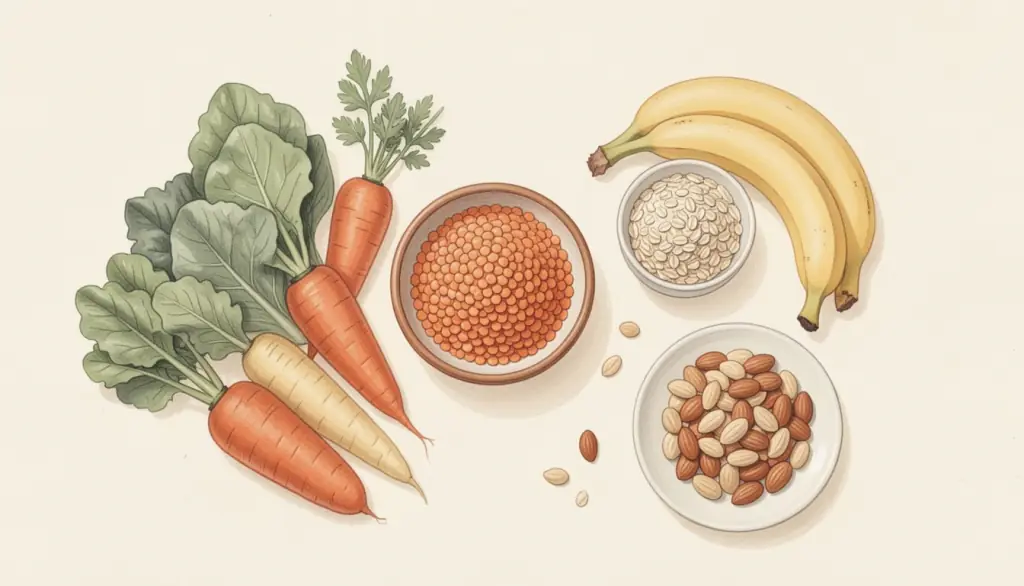
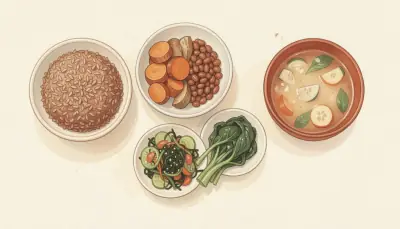
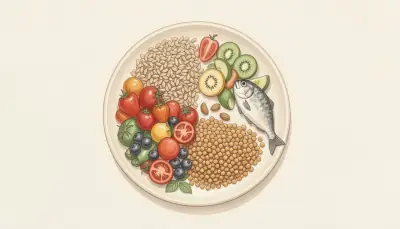
• Fresh and frozen produce: vegetables and fruit without sauces or added salt. • Whole grains: plain oats, brown rice, quinoa, barley and plain pasta cooked without salt. • Dried or no-salt-added canned beans and lentils: if you use regular canned beans, draining and rinsing them removes some of the sodium. • Fresh meat, poultry and fish: check the label for added solution or brine on poultry. • Unsalted nuts and seeds. • Eggs, plain milk and plain yogurt. • Potassium-rich foods: potatoes, bananas, leafy greens and beans help balance sodium in the diet, though people on potassium-restricted diets for kidney disease should not increase them without advice.
The DASH eating pattern was designed around this kind of food, and our complete DASH diet guide shows how to combine it with a lower sodium target.
Higher-sodium foods to watch
Some foods are reliably high in sodium and are worth limiting or swapping:
• Cured and processed meats such as bacon, ham, sausage, hot dogs and deli slices. • Canned soups, broths and sauces, including soy sauce, teriyaki, bottled marinades and pasta sauces. • Frozen meals, instant noodles and packaged rice or pasta mixes. • Pickles, olives, capers and brined cheeses such as feta. • Salty snacks like chips, pretzels and salted nuts. • Bread, rolls, pizza and tortillas in large amounts.
You do not need to eliminate them. You can use small amounts for flavor, and then balance them with fresh foods the rest of the day.
Restaurants and takeout deserve special mention because their sodium is hard to see. A single restaurant entree can contain a large part of a whole day's allowance, and there is rarely a label to check. Many chains publish nutrition information online, so look up the sodium before you go, choose grilled or roasted items over breaded and sauced ones, ask for dressings, gravies and sauces on the side, and skip the extra salt at the table. Soups, noodle dishes and anything with a lot of sauce tend to be the saltiest items on the menu. If you eat out often, even small changes repeated each week can make a noticeable difference to your total.
Gradual change is also easier than dramatic change. Taste buds adapt to lower salt over a few weeks, so cutting back a little at a time, rather than going from heavily salted to nothing overnight, usually feels less like deprivation. Start with the single biggest source in your own diet, whether that is bread, deli meat, canned soup or takeout, and replace it with a lower-sodium option before moving on to the next.
Cooking with flavor instead of salt
Salt amplifies flavor, so when you cut it, you need something else to fill the gap. The most useful substitutes are acid and aromatics. A squeeze of lemon or lime, a splash of vinegar, garlic, onion, ginger, fresh herbs, black pepper, chili, toasted spices and browned vegetables can each make a dish taste seasoned. Our guide to seasoning food properly with salt, acid, fat and heat explains the logic.
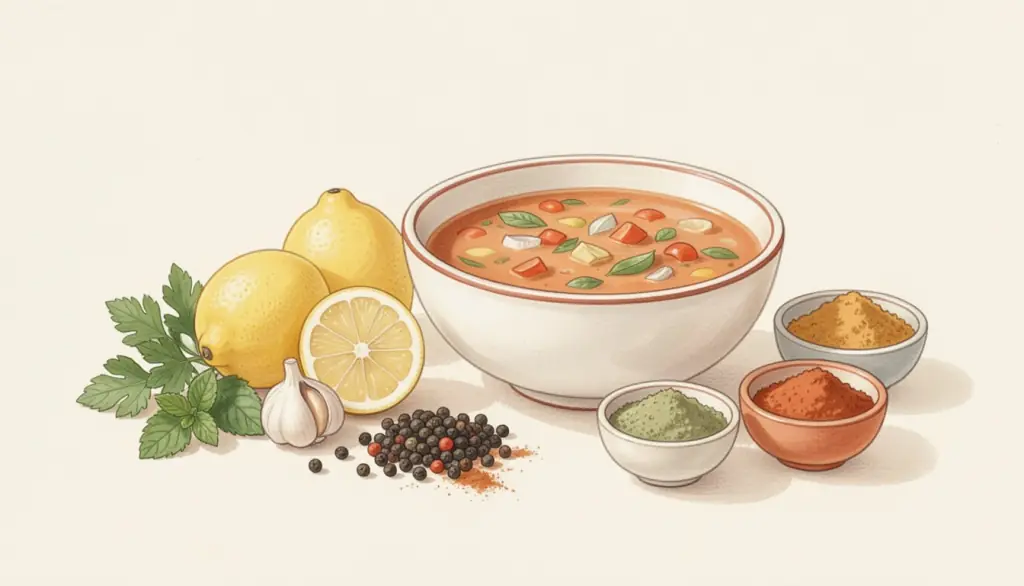
A tomato-based soup finished with lemon and herbs, or a bulgur salad that is mostly parsley, mint and lemon, can taste lively with little added salt. Tabbouleh is a good example, and a homemade vegetable soup lets you control the salt that a canned version would decide for you. Use salt substitutes with care: many are made from potassium chloride, which is unsafe for some people with kidney disease or those who take certain medications.
A sample low-sodium day
One day built from mostly fresh foods:
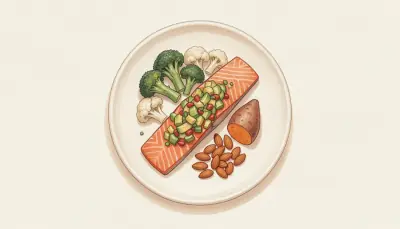
• Breakfast: plain oats with fruit and unsalted nuts, or eggs with sautéed vegetables. • Lunch: a homemade vegetable soup with no-salt-added beans, plus a fresh salad with olive oil and lemon. • Snack: an apple or unsalted almonds, or plain yogurt with berries. • Dinner: baked cod with lentils seasoned with herbs and citrus, and a steamed vegetable.
A weekly plan helps because low-sodium shopping depends on cooking from scratch. When you build your meals ahead, the grocery list app can turn the plan into a shopping list, so you buy fresh ingredients instead of a convenient high-sodium substitute at the last minute.
Who needs medical guidance
If you have high blood pressure, heart failure, kidney disease or cirrhosis, or you take diuretics or other blood pressure medication, ask your doctor or a registered dietitian what sodium target is right for you. Some conditions need stricter limits, and a few situations, such as certain kidney or endurance-exercise contexts, call for different advice. Do not cut sodium sharply without guidance if you are on medication that affects fluid or electrolyte balance, and do not use potassium-based salt substitutes without checking first. This guide is educational and does not diagnose, treat or cure any condition.
Key Takeaways
Eating less sodium is mainly a matter of where you shop and who does the cooking, not how heavy your hand is with the shaker. Cook more from fresh ingredients, read labels for the numbers that matter, compare brands, and use acid, herbs and spices to make food taste complete. Taste buds adjust over a few weeks, and food that once seemed fine often starts to taste salty. If you have a medical reason to limit sodium, work with your care team to set the target that fits you.
Frequently Asked Questions
How much sodium should I eat a day?▼
Is sea salt lower in sodium than table salt?▼
Does rinsing canned beans help?▼
Can I use a salt substitute?▼
References
- [1]U.S. Department of Agriculture and U.S. Department of Health and Human Services (2020). “Dietary Guidelines for Americans, 2020-2025.” USDA / HHS. Link
- [2]U.S. Food and Drug Administration (2022). “Sodium in Your Diet: Using the Nutrition Facts Label to Reduce Your Intake.” FDA consumer guidance.
More in Diet Guides
View all
Free Kitchen Tools
Calculators and converters that pair with this page — no signup needed.
About This Article
Written by Sarah Mitchell, Food & Nutrition Writer. Published November 12, 2026. Updated November 12, 2026.
This article cites 2 peer-reviewed sources. See the full reference list below.
Editorial policy: Articles are drafted with the help of AI tools, link to the sources they rely on, and are updated when we find an error or newer evidence. Health articles are general information, not medical advice.
About the Author
Writes about everyday nutrition, balanced eating and turning dietary guidelines into practical, cook-at-home advice.