
In This Article
Track what you eat
Snap your meal to log calories and macros, run fasting timers and track water in the free SnapCal app.
Related Guides
Medical disclaimer: The information in this article is for educational purposes only. Always consult a qualified healthcare professional before making significant dietary or lifestyle changes, especially if you have a medical condition.
The Ornish diet is one of the best-known heart-health programs in the United States. It was developed by Dr. Dean Ornish and centers on a very low-fat, whole-food, plant-based way of eating, but it is more than a diet: the full program also includes regular moderate exercise, stress management and emotional support. Its high-profile studies in people with existing heart disease made it famous, and its strictness also made it controversial. This guide explains what the program asks you to eat and do, what the research found, where its limits are, and who should only consider it with medical supervision. It is general information and not medical advice.
Key Takeaways
The Ornish diet in brief.
• It is a whole-food, plant-based diet that is very low in fat; the strictest version aims for roughly 10% of calories from fat. • Allowed foods include vegetables, fruit, whole grains, legumes and soy; meat, poultry and fish are excluded, and oils, nuts and avocado are limited in the strictest version. • The full program also includes moderate exercise, stress management and social support, not just food. • Studies in people with heart disease reported encouraging results, but they were small and the lifestyle package is hard to separate from the diet. • The strictest version is difficult to maintain and is meant to be done with medical supervision, especially if you have heart disease or take medication.
What the Ornish program is
The Ornish program has four parts: a plant-based, low-fat diet, moderate aerobic exercise, stress-management practices such as yoga and meditation, and support from other people, through groups or relationships. Ornish describes these as working together, and in the original research they were delivered as a package, often with intensive in-person support.
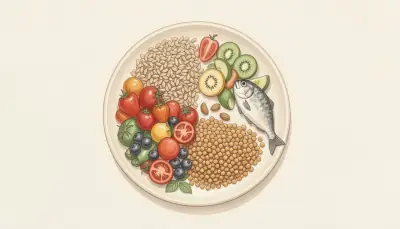
There are two broad versions. The strictest, sometimes called the reversal diet, is designed for people with established heart disease and keeps fat very low. A looser version, sometimes called the prevention or spectrum approach, is designed for people without heart disease and allows more flexibility, including some fat from nuts, seeds and fish. Ornish's idea of a 'spectrum' is that foods are placed along a scale from most to least healthful, rather than being strictly allowed or banned.
What you eat
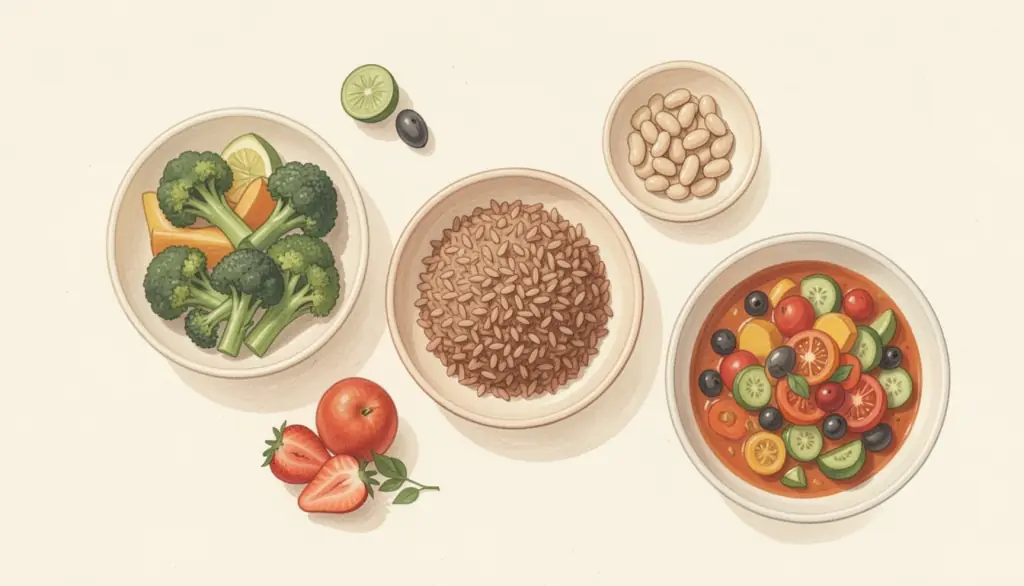
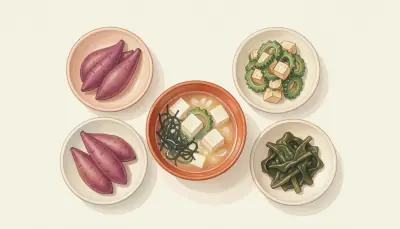
The base of the diet is plants in their whole form: vegetables, fruit, whole grains, beans, lentils, peas and soy foods such as tofu. In the strictest program, egg whites and non-fat dairy are allowed in small amounts, while meat, poultry, fish, regular dairy, oils, nuts, seeds, avocado and refined carbohydrates are excluded or very limited.
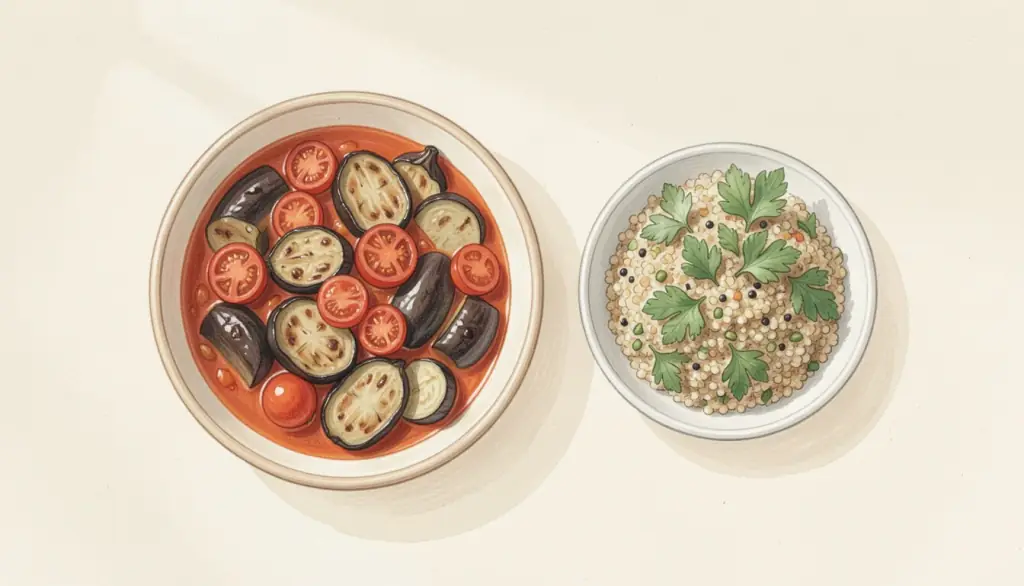
In practice this means a lot of grains, legumes and vegetables, cooked with herbs and spices rather than oil. Many traditional dishes already fit the pattern. A tomato-and-eggplant dish like ratatouille and a parsley-and-bulgur salad such as tabbouleh are both plant-based, though classic versions use olive oil, so you would cut the oil back or replace it with lemon juice and vegetable broth to match the strict version of the plan.
Cooking without oil is a skill. Sauté with a splash of water or broth, roast vegetables on parchment, and add flavor with garlic, citrus zest, vinegar and spices instead of fat.
What a day looks like
A day on the strict version of the program might look like this:
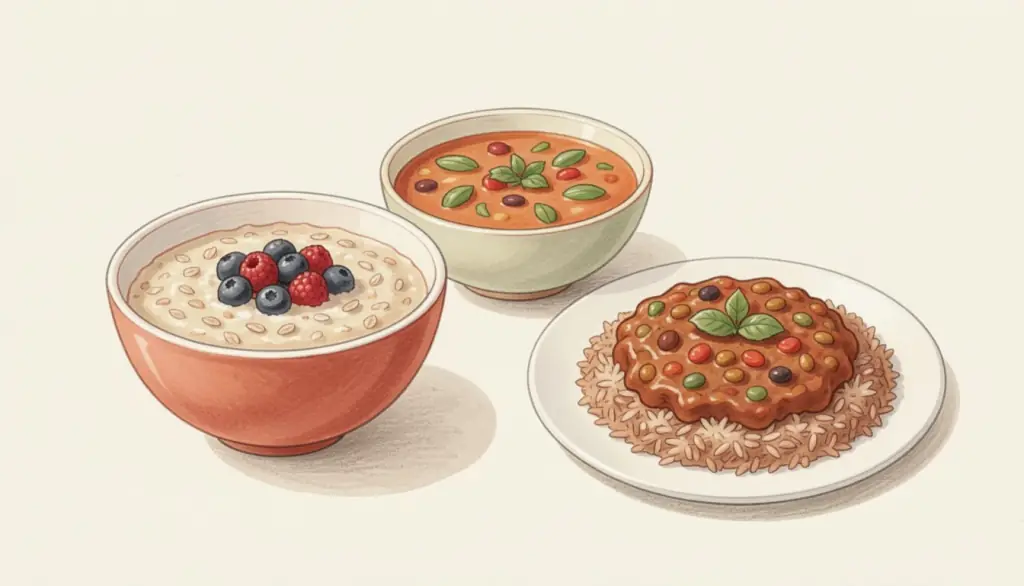
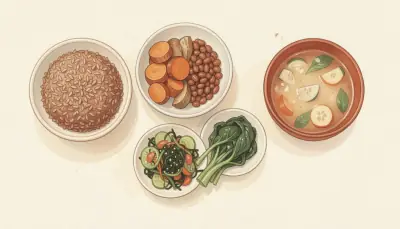
• Breakfast: cooked oats with berries and cinnamon, or whole-grain toast with fruit. • Lunch: a bean-and-vegetable soup with whole-grain bread, or a grain bowl with steamed greens and chickpeas. • Snack: fresh fruit, raw vegetables with a salsa or hummus made without added oil. • Dinner: a legume stew over brown rice, such as an Ethiopian vegan lentil or split-pea stew. Yetsom wat is a fasting-season vegan stew, though the traditional version uses oil, so you would reduce it substantially. • Evening: a baked apple or other whole fruit.
If you want to plan a week like this, the meal planner calendar can show your daily totals so you can see whether meals actually add up, which matters on a plan this restrictive.
Everything you need to plan your week — free
- Meal calendar
- Grocery list
- AI recipe ideas
What the research found
Ornish became widely known through the Lifestyle Heart Trial, published in The Lancet in 1990, and a longer follow-up published in JAMA in 1998. In those studies, people with coronary heart disease who followed the intensive lifestyle program were reported to have less narrowing of their arteries on average, compared with a usual-care group whose arteries tended to narrow further. Symptoms such as chest pain were also reported to improve.
Those results were important, but they need context. The trials were small, the participants were highly motivated and heavily supported, and the intervention bundled diet, exercise, stress management and group support, so it is hard to say which part did what. Later research on very low-fat plant-based diets has produced mixed results, and mainstream guidelines today emphasize overall dietary pattern and replacing saturated fat with unsaturated fat rather than cutting all fat. For comparison, our heart health diet guide places Ornish alongside patterns with more flexible fat allowances.
The fat question
The most debated feature of the strict program is how little fat it allows. Most nutrition researchers now say the type of fat matters more than the total, and that foods rich in unsaturated fat, such as nuts, olive oil and fatty fish, are associated with good heart outcomes in other dietary patterns. A very low-fat diet can also leave you hungry and can be low in essential fatty acids, vitamin E and, if you cut all animal foods, vitamin B12.
If you go plant-based, plan for B12 with a fortified food or a supplement recommended by your doctor. Our guide to cooking oils and fats explains why some fats are worth keeping, and the whole-food plant-based beginners guide covers nutrients to watch on any plant-based diet.
How hard is it to keep?
This is the plan's greatest practical weakness. Cutting nearly all added fat, giving up meat and fish, and limiting nuts and oils is a large change from a typical diet. Eating out is hard, social meals are awkward, and some people find the food repetitive. Adherence tends to fall off over time, as it does with any restrictive diet, and a diet that you drop after three months does not help your heart.
Many people find a middle path more sustainable: a plant-based pattern that keeps small amounts of healthy fat. The looser spectrum approach is designed for exactly that. Getting enough protein is rarely a problem on a varied plant diet; see our plant-based protein sources guide for options.
It helps to think about what you are giving up and what you are adding. In the strict version you give up meat, fish, oils and most nuts, but you add a wide range of grains, beans, vegetables, fruit and spices, and many people find their cooking becomes more varied rather than less. Stocking the kitchen with several grains, a few types of legumes, plenty of herbs and spices, and good vinegars gives you the tools to build interesting meals without fat. Cooking larger batches of grains and beans at the weekend and assembling bowls during the week saves time. If you slip, return to the plan at the next meal rather than treating one off-plan day as a reason to abandon it.
Beyond food: exercise, stress and connection
What sets the Ornish program apart from most diets is that the non-food components are not decoration. The exercise recommendation is moderate rather than extreme: regular aerobic activity such as walking, with some strength work, at a level that suits your health. The stress-management part includes practices such as gentle yoga, meditation, breathing exercises and relaxation, and the program encourages setting aside time for them daily. The support component recognizes that loneliness and isolation are linked with worse health, and it encourages group meetings or meaningful time with other people.
These pieces are easy to dismiss and hard to measure, which is part of why the research is difficult to interpret: when a participant improves, you cannot easily say whether the diet, the walking, the meditation or the group did the work. For you as a reader, that is useful rather than frustrating. You can take any piece that fits your life and the advice of your clinician. A walk after dinner, ten minutes of slow breathing and a weekly meal with friends cost nothing and carry little risk, and they are reasonable steps even if you never adopt the strict food plan.
Who should not try this without medical guidance
The strict reversal version of the diet is meant for people with heart disease and is generally done with medical supervision. Talk to your doctor or a registered dietitian before starting if you have heart disease, diabetes, take blood pressure, blood sugar or blood-thinning medication, have kidney disease, are pregnant or breastfeeding, are underweight, or have a history of an eating disorder. A major change in diet can affect how much medication you need. Children and teenagers have different nutritional needs and should not follow very low-fat diets without a pediatric professional. This guide is educational and does not diagnose, treat or cure any condition.
Key Takeaways
The Ornish diet is a serious, well-known attempt to treat food, movement, stress and connection as one program for heart health. Its core food pattern, lots of vegetables, legumes, fruit and whole grains, is easy to endorse. Its strict fat limit and the effort of keeping it are where most people struggle. If the plan interests you, talk with a doctor first, consider the less strict spectrum version if you do not have heart disease, and focus on changes you can keep for years rather than months.
Frequently Asked Questions
Is the Ornish diet vegan?▼
Can you eat nuts and avocado on the Ornish diet?▼
Does the Ornish diet reverse heart disease?▼
Is a very low-fat diet safe long term?▼
References
- [1]Ornish D, Brown SE, Scherwitz LW, et al. (1990). “Can lifestyle changes reverse coronary heart disease? The Lifestyle Heart Trial.” The Lancet.
- [2]Ornish D, Scherwitz LW, Billings JH, et al. (1998). “Intensive lifestyle changes for reversal of coronary heart disease.” JAMA.
More in Diet Guides
View all
Free Kitchen Tools
Calculators and converters that pair with this page — no signup needed.
About This Article
Written by Elena Vasquez, Health & Nutrition Writer. Published November 12, 2026. Updated November 12, 2026.
This article cites 2 peer-reviewed sources. See the full reference list below.
Editorial policy: Articles are drafted with the help of AI tools, link to the sources they rely on, and are updated when we find an error or newer evidence. Health articles are general information, not medical advice.
About the Author
Covers metabolic health, intermittent fasting and the gut microbiome, focused on summarising evidence in plain language.