
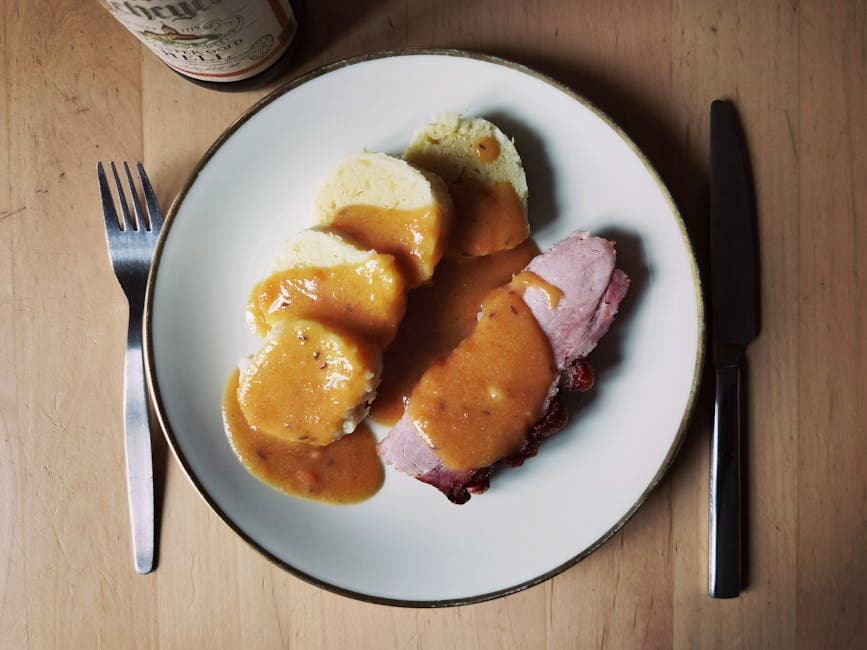
Kulajda
Sopa cremosa checa con champiñones, eneldo, patatas y huevo escalfado: un clásico bohemio.
Acerca de esta receta
Kulajda es una popular sopa de crema bohemia que equilibra los hongos terrosos, el eneldo fragante y un toque de vinagre con una base de crema agria aterciopelada. Un huevo escalfado flotando en el centro es tradicional y lo convierte en una comida completa. El suave sabor y la frescura de las hierbas de la sopa la hacen diferente a cualquier otra sopa de Europa Central.
Ingredientes
Sirve 4
- 250 gmixed mushrooms(sliced)
- 300 gpatatas(diced)
- 1 litrovegetable stock
- 200 mlcrema ácida
- 2 cdaharina simple
- 2 cdavinagre de vino blanco
- 1 manojo grandeeneldo fresco(chopped)
- 1 cdamantequilla
- 4huevos
- 1 cdtasal
Instrucciones
- 1
Cocinar la base
Derrita la mantequilla en una olla grande. Saltee los champiñones hasta que estén dorados. Agrega las patatas y el caldo. Cocine a fuego lento durante 15 minutos hasta que las patatas estén tiernas.
- 2
Thicken
Batir la harina con la crema agria hasta que quede suave. Agregue la sopa caliente y cocine a fuego lento durante 5 minutos hasta que espese.
- 3
Season
Agrega vinagre, sal y la mayor parte del eneldo. Pruebe y ajuste el sabor picante.
- 4
Escalfa los huevos
Rompe cada huevo en la sopa hirviendo, uno a la vez, y escalfa durante 3 a 4 minutos hasta que las claras estén cocidas.
- 5
Serve
Sirva en tazones, cada uno con un huevo escalfado. Adorne con el eneldo fresco restante.
¿Has preparado esta receta?
Valórala y ayuda a otros a encontrar las recetas que de verdad funcionan.
Inicia sesión con un toque y guardaremos la valoración que acabas de elegir.
Todo lo que necesitas para planificar tu semana — gratis
- Calendario de comidas
- Lista de compras
- Ideas de recetas con IA
Controla lo que comes
Fotografía tu comida para registrar calorías y macros, usa temporizadores de ayuno y controla tu agua en la app gratuita SnapCal.
Consejos profesionales
- →
Utilice hongos porcini secos (remojados) para obtener un sabor más intenso.
- →
No uses demasiado vinagre: comienza con 1 cucharada y prueba.
- →
La sopa se espesa al reposar; agregue caldo para aflojar al recalentar.
- →
Pruebe y ajuste la sal al final — los sabores se concentran cuando los líquidos se reducen, y un último pellizco de sal escamosa realza todo el plato.
Variaciones
- •
Agregue salmón ahumado para obtener una versión lujosa.
- •
Reemplace los champiñones con ortigas tiernas en primavera.
- •
Vegetariano: cambie la proteína por champiñones ostra king asados, tofu ahumado o garbanzos cocidos — ajuste el condimento ligeramente hacia arriba para compensar.
- •
Más picante: agregue un chile fresco finamente picado o una cucharadita de pimienta de Alepo/Urfa triturada a los aromáticos para obtener un picante cálido y en capas en lugar de un solo golpe fuerte.
Almacenamiento
Refrigere por hasta 3 días. Guarde los huevos escalfados por separado; agregue fresco al servir.
Historia y origen
La kulajda es un plato tradicional de Bohemia del Sur, que se cree que tiene su origen en la región de Šumava, cerca de la frontera con Alemania, donde abundaban la crema, el eneldo y las setas del bosque.
Preguntas frecuentes
¿Puedo utilizar champiñones secos?
Sí, remoje 30 g de boletus secos en agua caliente durante 20 minutos y luego use los champiñones y el líquido de remojo en la sopa.
¿Puedo hacer esto con anticipación?
Sí — la mayoría de los componentes se pueden preparar hasta un día antes y refrigerar por separado. Recaliente suavemente y ensamble justo antes de servir para que las texturas permanezcan distintas.
¿Qué puedo sustituir si no tengo todos los ingredientes?
Manténgase cerca del papel que juega cada ingrediente: cambie los aromáticos por otros similares (chalota por cebolla, lima por limón) y mantenga el equilibrio de grasa-ácido-sal intacto. Los mezcles de especias generalmente se pueden aproximar con lo que esté en la despensa.
¿Cómo sé que es auténtico?
La autenticidad está en un espectro — lo que importa más es honrar la técnica y el equilibrio de sabores. Si el plato sabe armonioso y respeta cómo los cocineros en su región de origen lo construirían, estás en terreno sólido.
Datos nutricionales
Por porción · 4 porciones totales
Resumen de tiempo
¿Tiene preguntas?
Pregúntele a nuestro asistente de cocina con IA cualquier cosa sobre esta receta: sustituciones, técnicas, escalado.
Chatea con AI Chef →Destacado en Guías
Esta receta aparece en las siguientes guías seleccionadas:
Más recetas de cocina checa
También Te Puede Gustar
Platos similares de otras cocinas del mundo.
Explorar por Ingrediente
Más recetas construidas alrededor de los mismos ingredientes principales.
Herramientas de Cocina Gratuitas
Calculadoras y conversores que acompañan a esta página — sin registro.
Conviértelo en un Plan
Prográmalo, haz la compra y controla lo que ya tienes.
Calendario de planificación de comidas
Coloca esta receta en un día y organiza la semana a su alrededor.
App de lista de la compra
Convierte esta lista de ingredientes en una lista de la compra agrupada por pasillo.
Importador de recetas
Guarda esta receta —y cualquier URL de receta— en una biblioteca ordenada.
Sigue Leyendo
Lecturas más largas que profundizan en las ideas detrás de este plato.
Comunidad
Únete a la conversación
Inicia sesión para dejar un comentario y guardar tus recetas favoritas