
Cachupa Rica
El platillo nacional de Cabo Verde — un guiso espeso y cocido lentamente de maíz pozole, frijoles y carne.
Acerca de esta receta
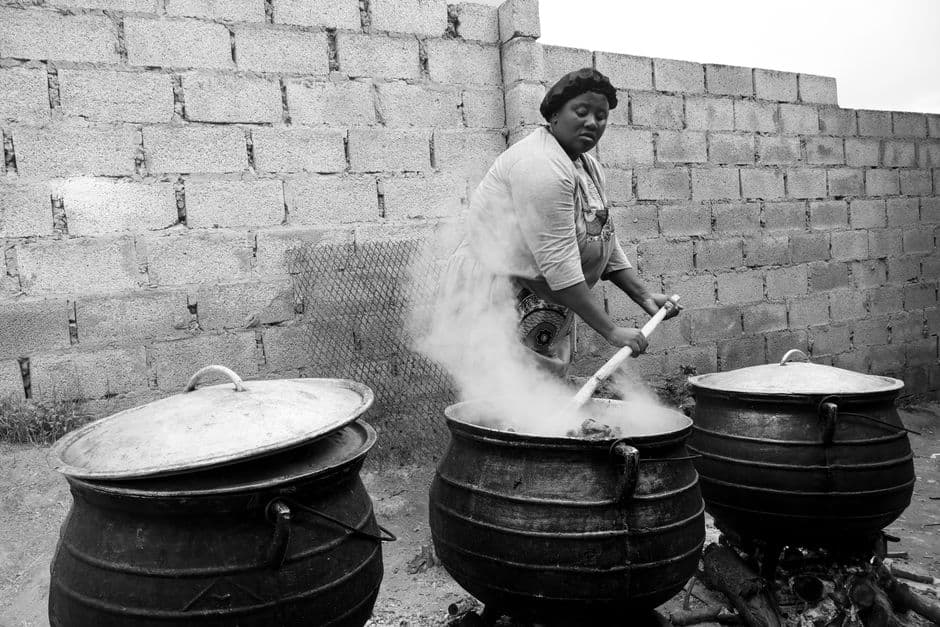
Cachupa Rica es el alma de la cocina caboverdiana. El maíz pozole, varias variedades de frijoles y una mezcla generosa de cerdo, chorizo y pollo se cocinan a fuego lento juntos durante horas hasta que el maíz absorba todos los sabores del caldo. 'Rica' (rica) la distingue de la más simple cachupa pobre (pobre) hecha sin carne.
Ingredientes
Sirve 6
- 300 gmaíz molido seco, remojado durante la noche
- 200 gfrijoles secos, remojados durante la noche
- 400 gcostillas o paletilla de cerdo con hueso
- 200 gchouriço (chorizo portugués), en rodajas
- 1 grandecebolla, picada
- 4 dientesajo, picado
Instrucciones
- 1
Maíz y frijol precocidos
Escurrir el maíz y los frijoles remojados por separado. Cubra cada uno con agua fresca y cocine a fuego lento hasta que estén tiernos; el maíz tarda unos 60 minutos y los frijoles, 45 minutos. Escurrir ambos y reservar.
- 2
Preparar la base
En una olla grande y pesada, sofreír la cebolla y el ajo en aceite hasta que estén dorados. Agregue la carne de cerdo y dore por todos lados. Agrega el chorizo y cocina 2 minutos.
- 3
Combine y cocine a fuego lento
Agrega el maíz y los frijoles precocidos a la olla. Cubrir con agua por 3 cm. Llevar a ebullición, reducir a fuego lento, tapar y cocinar durante 90 minutos, revolviendo ocasionalmente, hasta que todo esté muy tierno y el líquido se haya espesado.
- 4
Sazonar y servir
Sazone con sal y pimienta. Sirva en tazones hondos con pan crujiente. Las sobras se fríen tradicionalmente a la mañana siguiente como cachupa frita.
¿Has preparado esta receta?
Valórala y ayuda a otros a encontrar las recetas que de verdad funcionan.
Inicia sesión con un toque y guardaremos la valoración que acabas de elegir.
Todo lo que necesitas para planificar tu semana — gratis
- Calendario de comidas
- Lista de compras
- Ideas de recetas con IA
Cocina con las manos libres
Consigue planes de comida con IA, modo de cocina paso a paso y tus recetas guardadas en la app gratuita Bento.
Consejos profesionales
- →
Remojar el maíz durante la noche no es negociable: necesita más tiempo que los frijoles.
- →
El guiso debe quedar espeso, no caldoso. Agregue agua solo según sea necesario.
- →
Pruebe y ajuste la sal al final: los sabores se concentran a medida que los líquidos se reducen y una pizca final de sal en escamas agudiza todo el plato.
- →
La mise en place se amortiza sola: pique, mida y premezcle todo antes de que comience el fuego, especialmente para cualquier paso que avance rápido.
Variaciones
- •
La cachupa pobre omite la carne pero es igualmente satisfactoria.
- •
Cachupa frita: fríe los restos de cachupa en una sartén con un huevo frito encima: un clásico desayuno caboverdiano.
- •
Vegetariano: cambie la proteína por champiñones ostra asados, tofu ahumado o garbanzos cocidos; ajuste ligeramente el condimento para compensar.
- •
Más picante: agregue un chile fresco finamente picado o una cucharadita de pimienta de Alepo/Urfa triturada a los aromáticos para obtener un picante cálido y en capas en lugar de un solo golpe fuerte.
Almacenamiento
Mejora mucho de la noche a la mañana. Refrigere hasta por 4 días o congele por 3 meses.
Historia y origen
La cachupa se come en Cabo Verde desde que las islas se colonizaron por primera vez en el siglo XV. Refleja las influencias comerciales portuguesas, de África occidental y del Atlántico del archipiélago y se come en diferentes formas para el desayuno, el almuerzo y la cena.
Preguntas frecuentes
¿Puedo usar maíz molido enlatado?
Sí, enjuague y escurra el maíz enlatado y agréguelo en los últimos 30 minutos en lugar de cocinarlo previamente.
¿Qué es la cachupa frita?
Cachupa del día anterior frita en una sartén hasta que esté crujiente y cubierta con un huevo frito, posiblemente mejor que la original.
¿Puedo hacer esto con anticipación?
Sí, la mayoría de los componentes se pueden preparar hasta con un día de anticipación y refrigerar por separado. Vuelva a calentar suavemente y ensamble justo antes de servir para que las texturas se mantengan distintas.
¿Qué puedo sustituir si no tengo todos los ingredientes?
Manténgase atento al papel que desempeña cada ingrediente: cambie los aromáticos por otros similares (chalote por cebolla, lima por limón) y mantenga intacto el equilibrio entre grasa, ácido y sal. Las mezclas de especias generalmente se pueden aproximar a lo que hay en la alacena.
Datos nutricionales
Por porción (420g) · 6 porciones totales
Resumen de tiempo
¿Tiene preguntas?
Pregúntele a nuestro asistente de cocina con IA cualquier cosa sobre esta receta: sustituciones, técnicas, escalado.
Chatea con AI Chef →Más recetas de Cape-verdean
También Te Puede Gustar
Platos similares de otras cocinas del mundo.
Herramientas de Cocina Gratuitas
Calculadoras y conversores que acompañan a esta página — sin registro.
Conviértelo en un Plan
Prográmalo, haz la compra y controla lo que ya tienes.
Sigue Leyendo
Lecturas más largas que profundizan en las ideas detrás de este plato.
Curry británico: una historia completa del pollo Tikka Masala y el plato nacional adoptado por Gran Bretaña
13 mín.
¿Qué son las macros? Proteínas, carbohidratos y grasas explicados de forma sencilla: una guía completa
13 mín.
La ciencia de la saciedad: alimentos completos que te mantienen lleno por más tiempo
15 mín.
Comunidad
Únete a la conversación
Inicia sesión para dejar un comentario y guardar tus recetas favoritas