
새로운starter
커트
톡 쏘는 소금에 절인 카자흐 건조 요거트 볼은 체에 거른 요거트로 만든 고대 유목민 간식이자 전채 요리로, 손으로 모양을 만들고 공기 중에서 건조시켜 단단하고 오래 지속되는 치즈로 만듭니다.
260분42kcal쉬움
★4.3(156)
Beshbarmak, kurt, baursak — 유목민의 전통과 따뜻한 대초원에서 영감을 받은 요리.
같은 핵심 재료로 만드는 다른 레시피.
먹은 음식을 기록하세요
무료 SnapCal 앱에서 식사 사진으로 칼로리와 영양소를 기록하고, 단식 타이머와 물 섭취 기록도 사용하세요.
식사를 계획하고, 단식을 기록하고, 장보기 목록을 만드세요 — 무료
MyCookingCalendar 대시보드는 브라우저에서 바로 사용할 수 있어요. 다운로드가 필요 없습니다.
톡 쏘는 소금에 절인 카자흐 건조 요거트 볼은 체에 거른 요거트로 만든 고대 유목민 간식이자 전채 요리로, 손으로 모양을 만들고 공기 중에서 건조시켜 단단하고 오래 지속되는 치즈로 만듭니다.
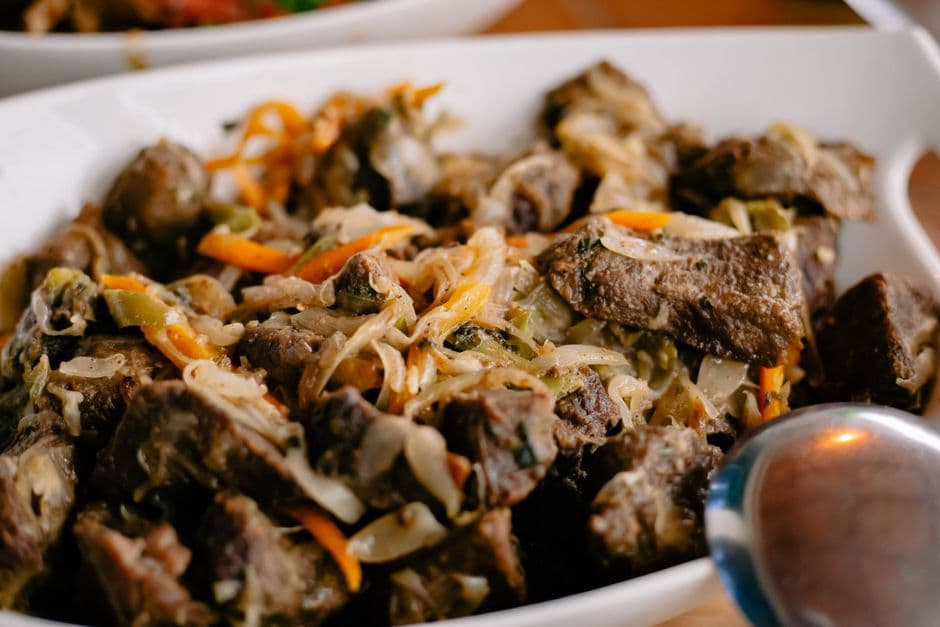
양파, 고추, 감자를 곁들인 간, 신장, 심장, 폐를 탄탄하게 튀겨낸 카자흐 요리입니다. 전통적으로 도살 직후 바로 만들어지는 유목민 사냥꾼의 잔치입니다.
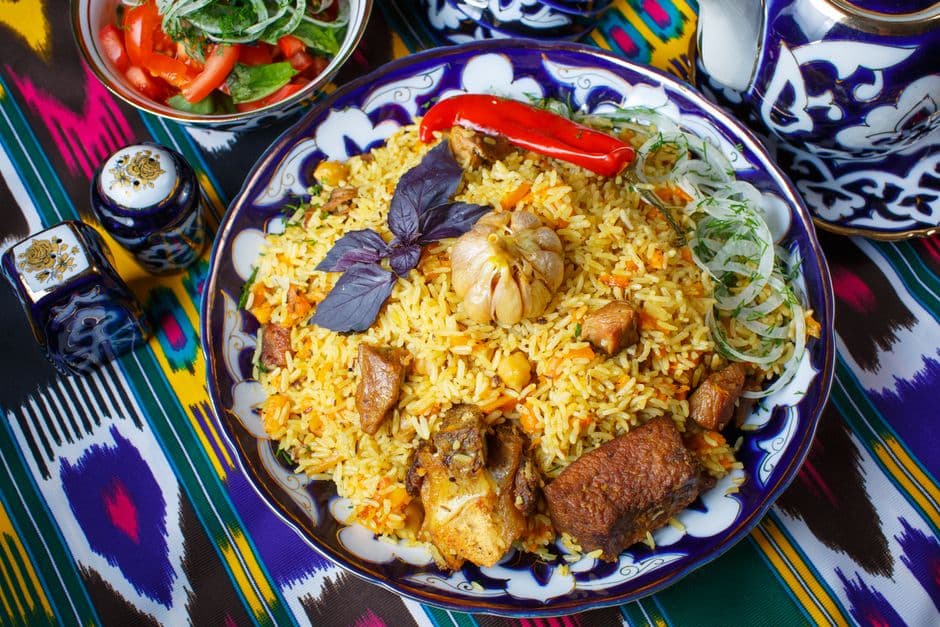
푹신하고 황금색으로 튀긴 누룩 반죽 사각형 — 모든 식사, 의식 및 모임에 제공되는 보편적인 카자흐스탄 축하 빵입니다.

비트와 양고기의 풍성한 카자흐 변형 수프입니다. 따뜻하고 흙향이 나며 영양이 풍부하며 천천히 끓인 양뼈와 뿌리채소로 만든 풍부한 국물이 있습니다.
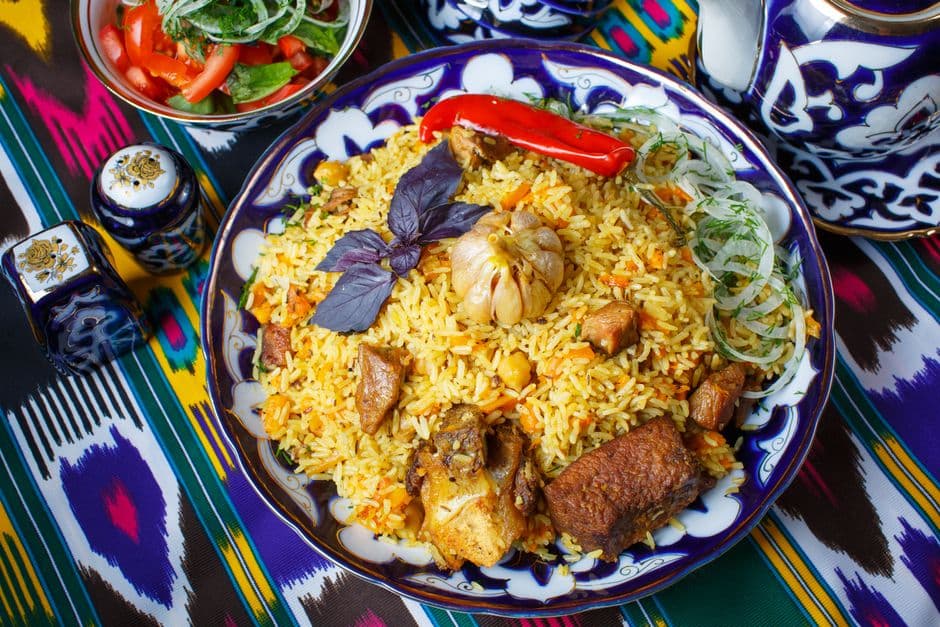
카자흐스탄의 전통 튀긴 고기와 내장 요리입니다. 바삭바삭한 양고기, 양파, 감자 조각을 동물성 지방에 볶아서 풍성하고 만족스러운 유목민 캠프파이어 음식입니다.
카자흐스탄 구운 양고기 페이스트리 — 양념한 다진 양고기와 양파로 속을 채운 색다른 퍼프 페이스트리 삼각형을 점토 오븐(탄두르)에서 황금색이 되고 지글거릴 때까지 구운 것입니다.

Nauryz(페르시아 설날)를 위한 의식용 카자흐식 음료 수프입니다. 기장, 고기, 밀, 말린 과일, 발효된 암말유 등 7가지 재료를 독특하게 준비한 것입니다.

카자흐스탄의 의식 요리 - 풍부한 양파 국물을 곁들인 넓은 수제 국수 위에 부드러운 양고기를 손으로 먹습니다.

부드러운 황금빛 카자흐 튀김 반죽 볼은 중앙아시아 축제의 필수 빵입니다.

베쉬바르막의 첫 번째 코스인 말린 양 우유 공(qurt)과 함께 제공되는 카자흐 의식 국물입니다.

카자흐스탄의 가장 유명한 발효 및 훈제 말고기 소시지로 가장 전통적인 카자흐스탄의 절인 고기입니다.
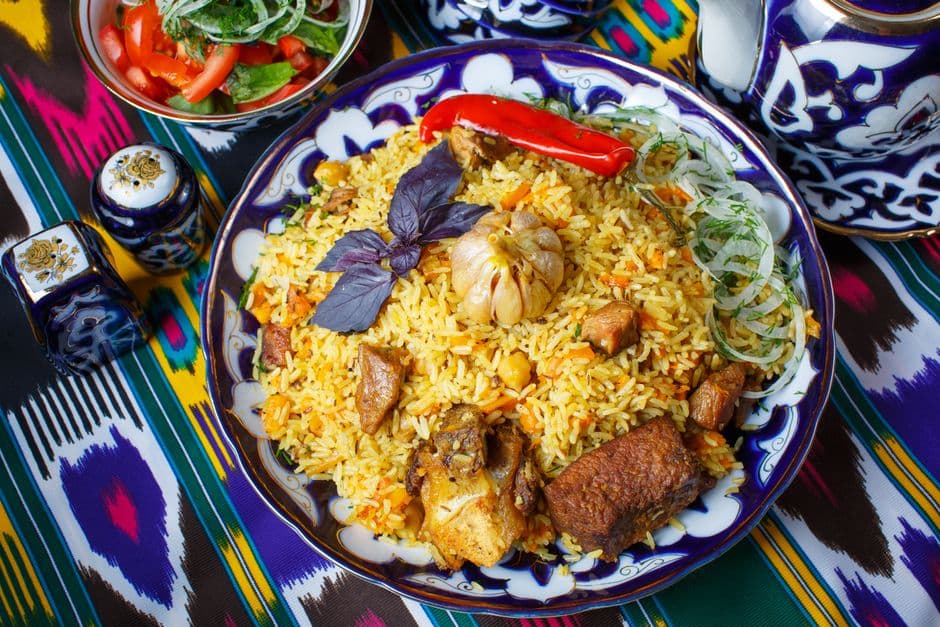
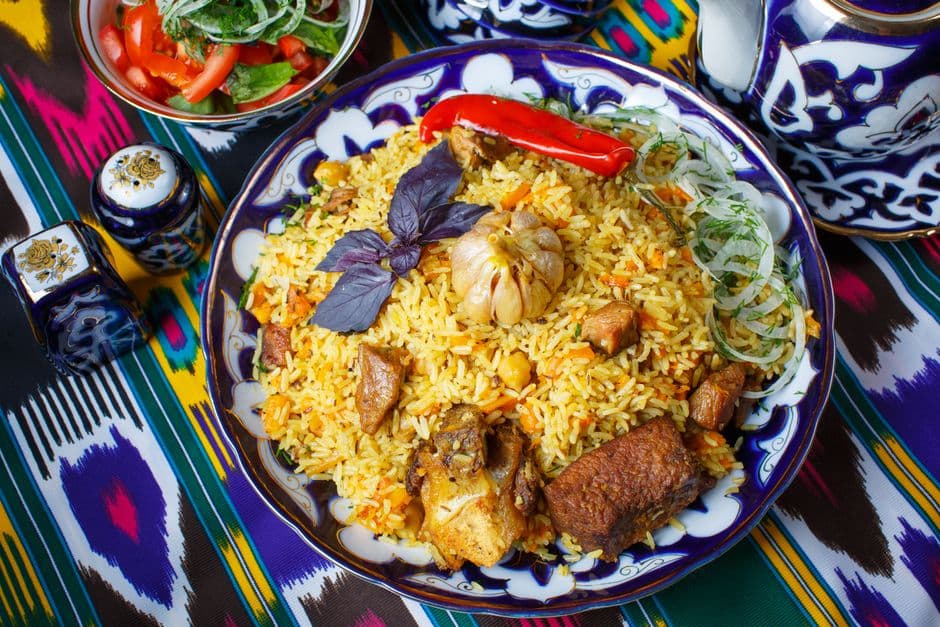
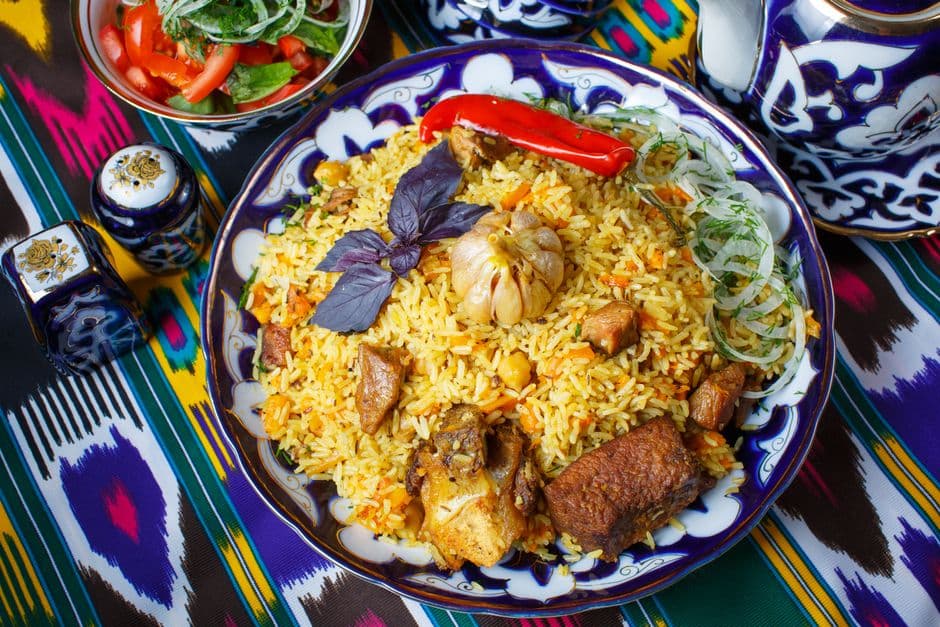
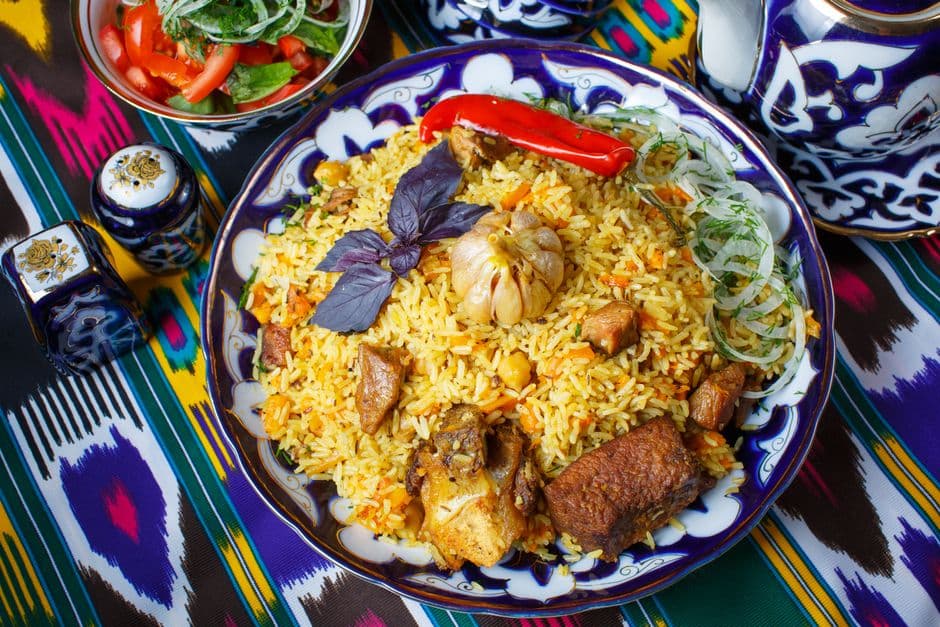
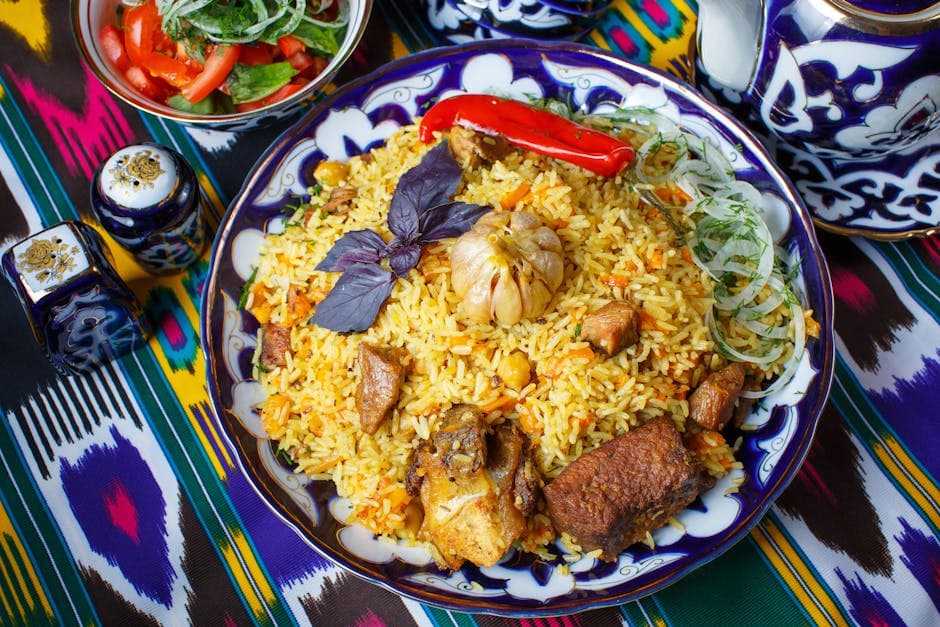
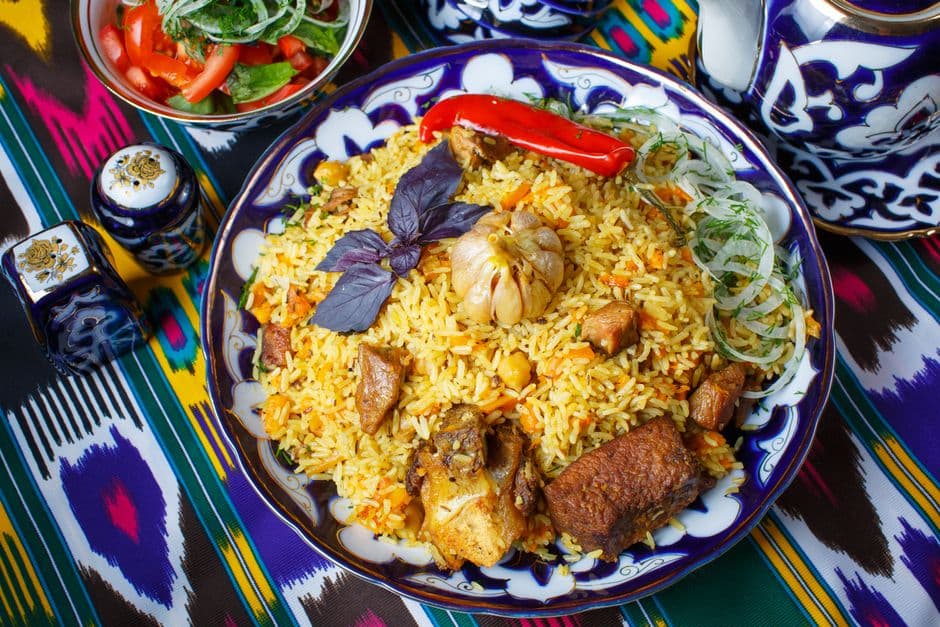
양고기, 노란 당근, 병아리콩을 곁들인 카자흐스탄의 축하 라이스 필라프 - 페르가나 밸리 전통에 따라 천천히 조리됩니다.
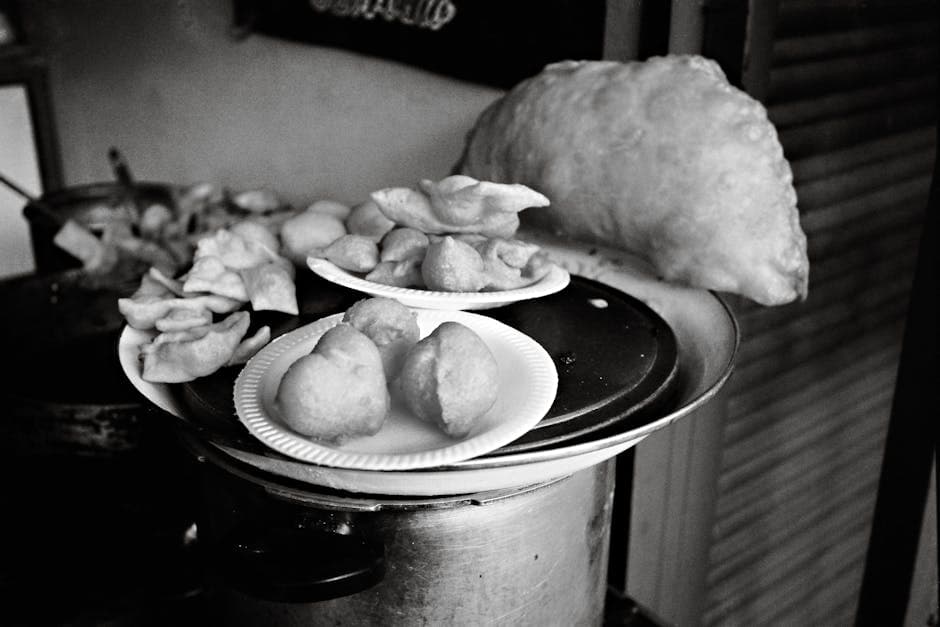
카자흐스탄에서 사랑받는 튀긴 도우 퍼프입니다. 이스트를 넣은 푹신한 밀 반죽을 기름에 튀긴 후 내부가 황금색이 되고 바람이 잘 통할 때까지 튀겨집니다. 꿀, 잼 또는 사워 크림과 함께 모든 카자흐 축하 행사에 제공됩니다.

대초원의 기본 수프인 뼈가 들어있는 양고기를 천천히 끓인 맑은 카자흐어 국물입니다.

카자흐스탄에서는 양파와 향신료를 곁들인 심장, 간, 신장 등 내장 튀김을 전통 유목민의 축하 요리로 선보입니다.
장식 패턴이 있는 스탬프가 찍힌 탄두르 플랫브레드 - 점토 오븐에서 구운 카자흐스탄의 일용 빵입니다.
카자흐스탄의 국민 요리 - 양고기와 말고기 국물에 담근 손으로 말아 만든 국수를 손가락으로 먹습니다.
잘게 썬 양고기, 양파, 단호박으로 속을 채우고 녹인 꼬리 지방으로 반짝이며 손으로 말아 만든 커다란 찐 만두에 사워크림과 칠리를 곁들입니다. 이는 카자흐 대초원의 일요일 축하 행사입니다.
카자흐 요리는 대초원 유목민의 음식입니다. 고기와 우유는 이주와 겨울을 견디기 위해 보존됩니다. 말과 양고기가 지배적입니다. 이름이 '다섯 손가락'을 의미하는 국가 요리인 베쉬바르막은 양파 국물(소르파)을 붓고 손으로 말아 만든 넓은 국수 위에 삶은 고기(종종 말)를 제공하며, 전통적으로 공용 접시에 담아 손으로 먹습니다. 말갈비 소시지를 보존하고 훈제한 Kazy는 모든 축제 다스타르칸 스프레드에서 가장 영예로운 별미로 남아 있습니다.
유제품 보존은 예술 형태에 이르렀습니다. 쿠미스(약간 탄산이 있고 신맛이 나는 발효된 암말유), 슈바트(발효 낙타유), 그리고 수 세기 동안 목동들이 휴대용 단백질로 가지고 다녔던 단단하고 건조된 신 우유 공인 커트입니다. 이 발효물은 유목민의 생존 기술이었습니다. 하루 만에 상하는 우유가 말을 타고 몇 달 동안 지속되는 음료와 음식이 되었습니다.
정착 생활과 실크로드 접촉에는 축하 때마다 제공되는 부풀어오르는 튀김 반죽인 바우르삭(baursak), 우즈베키스탄과 위구르 이웃의 플로브와 라그만, 그리고 우유 같고 끊임없이 마시는 홍차와 같은 러시아 시대의 주식이 추가되었습니다. 가정 요리는 끓인 국물을 중심으로 합니다. 고기는 오랫동안 끓이고, 소르파는 자체 코스로 제공되며, 손님들은 특별한 부위로 대접받으며, 역사적으로 양의 머리는 가장 존경받는 장로에게 바쳐졌습니다.
베쉬바르막
양파가 풍부한 소르파 국물을 곁들인 손으로 말아 만든 국수 위에 말고기나 양고기를 삶아 한 접시에 나눠 담는 국가 요리입니다.
말고기와 카지
말은 카자흐 문화의 축제용 고기입니다. kazy, 훈제 말갈비 소시지는 모든 축하 테이블의 헤드라인을 장식합니다.
발효유
암말의 쿠미(Kumys)와 낙타의 슈바트(shubat) — 유목민 보존에 뿌리를 둔 신맛이 나고 가벼운 발포성 음료입니다.
커트
소금에 절인 신맛이 나는 신 우유의 말린 공; 상온 보관 가능한 대초원 단백질은 간식으로 먹거나 국물에 녹입니다.
바우르삭
결혼식, 공휴일, 손님 도착 시 다스타르칸 전역에 흩뿌려진 부풀린 반죽 조각입니다.
소르파와 끓임
오랫동안 끓인 고기 국물이 코스로 제공되었습니다. 굽는 것이 아니라 끓이는 것이 카자흐스탄의 기본 기술입니다.
카자흐 요리는 양파 국물을 곁들인 넓은 국수 위에 삶은 고기인 베쉬바르막과 유목민의 육류 및 유제품 유산인 카지 소시지, 발효 암말 젖(쿠미스), 낙타 젖(슈바트), 말린 커트 치즈 볼, 튀긴 바우르삭 반죽과 같은 말고기 별미로 유명합니다. 축제 분위기인 다스타르칸을 중심으로 한 환대는 음식 문화의 핵심입니다.
그렇습니다. 말은 카자흐 문화에서 가장 유명한 고기이지 고난을 받는 음식이 아닙니다. Kazy(훈제 말갈비 소시지), zhaya(치료된 엉덩이), 말고기 베쉬바르막 앵커 결혼식 및 공휴일. 이 전통은 말이 부, 교통 수단, 음식이었던 유목민의 목축에서 비롯되었습니다. 고기는 살코기가 적고 약간 달콤합니다. 카자흐스탄 이외의 지역에서는 쇠고기나 양고기가 조리법의 일반적인 대체품입니다.
베쉬바르막은 전통적으로 손으로 먹었기 때문에 '다섯 손가락'이라는 뜻입니다. 말, 양고기, 쇠고기 등의 고기를 몇 시간 동안 끓인 후 같은 국물에 삶은 넓고 납작한 손으로 말아 만든 면 위에 육수로 부드러워진 양파를 얹어 먹습니다. 소르파 국물은 그릇과 함께 마신다. 모임에서 큰 접시 하나에 담아 먹는 공동 요리입니다.
아니요, 전통 카자흐 음식은 아시아에서 가장 순한 음식 중 하나입니다. 양념은 소금, 후추, 양파, 오래 삶은 고기와 국물의 자연스러운 맛에 의존합니다. 칠리는 기본적으로 클래식 레퍼토리에서 아무런 역할을 하지 않습니다. 열은 칠리 조미료가 제공되는 위구르 라그만과 같은 빌린 요리에만 나타납니다. 향신료가 아닌 풍부함과 짠맛이 미각을 정의합니다.
쇠고기나 양고기를 곁들인 베쉬바르막(Beshbarmak)도 가능합니다. 월계수 잎과 양파를 곁들인 고기를 2~3시간 동안 끓인 다음 간단한 달걀 국수 반죽을 넓은 시트로 굴리고(라자냐 시트는 약간의 작업이 가능합니다) 국물에 끓인 다음 국물을 부드럽게 한 양파를 얹습니다. Baursak(이스트를 넣어 튀긴 도우 퍼프)은 재미있고 빠른 두 번째 프로젝트이며 식료품 저장실 스테이플만 있으면 됩니다.
이 페이지와 함께 쓰는 계산기와 단위 변환기 — 가입 없이 이용 가능.