
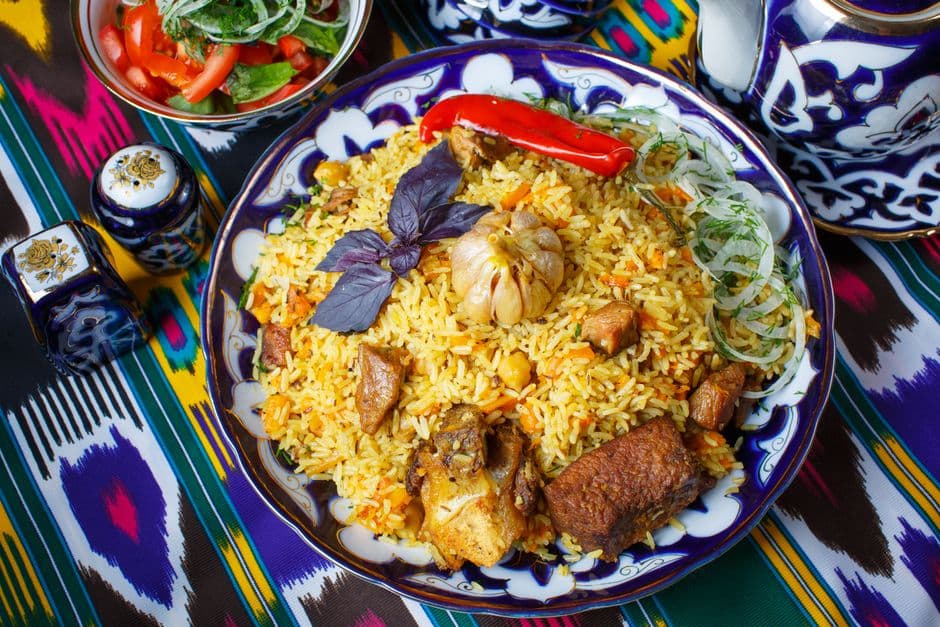
新starter
库尔特
味道浓郁的咸味哈萨克干酸奶球——一种古老的游牧小吃和开胃菜,由过滤酸奶制成,手工成型,风干后形成坚固、持久的奶酪。
260分钟42千卡简单
★4.3(156)
Beshbarmak、kurt、baursak——游牧传统和温暖的草原美食。
使用相同核心食材的更多食谱。
记录你的饮食
在免费的 SnapCal 应用中拍下餐食即可记录卡路里和宏量营养素,还能使用断食计时器和饮水记录。
规划饮食、追踪断食、制作购物清单 — 免费
MyCookingCalendar 仪表盘可直接在浏览器中使用,无需下载。
味道浓郁的咸味哈萨克干酸奶球——一种古老的游牧小吃和开胃菜,由过滤酸奶制成,手工成型,风干后形成坚固、持久的奶酪。
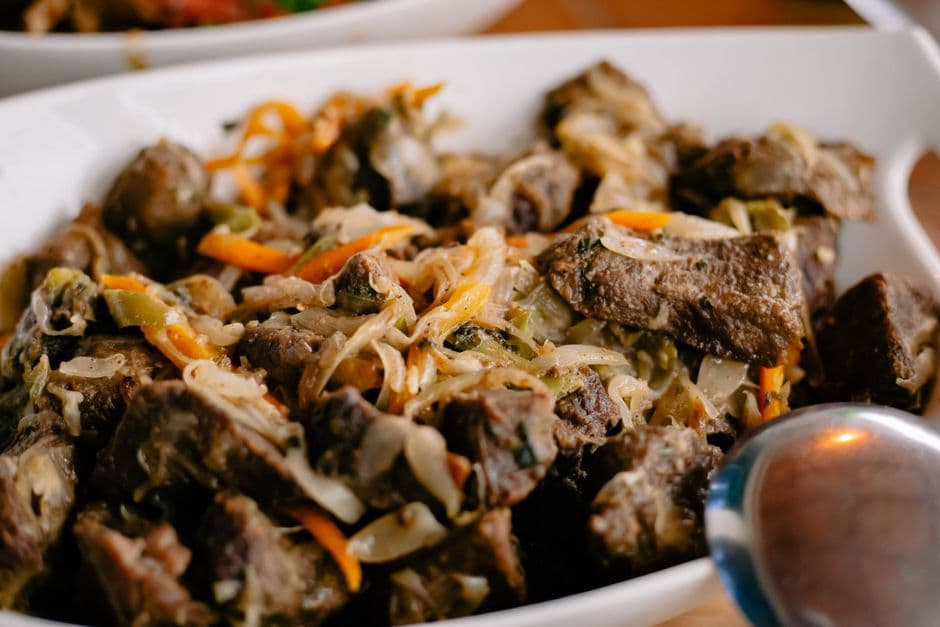
这是一种哈萨克风味的浓烈油炸食品,由肝、肾、心和肺搭配洋葱、辣椒和土豆烹制而成,这是游牧猎人的盛宴,传统上是在宰杀后立即制作。
松软、金黄的油炸发酵面团块是哈萨克族庆祝活动的通用面包,每餐、仪式和聚会都会搭配使用。

丰盛的哈萨克甜菜羊肉汤——温暖、朴实、营养丰富,汤底由慢火慢炖的羊骨和根类蔬菜制成。
哈萨克斯坦传统的炸肉和内脏菜肴——用动物脂肪煎脆的羊肉、洋葱和土豆,是丰盛又令人满意的游牧篝火食物。
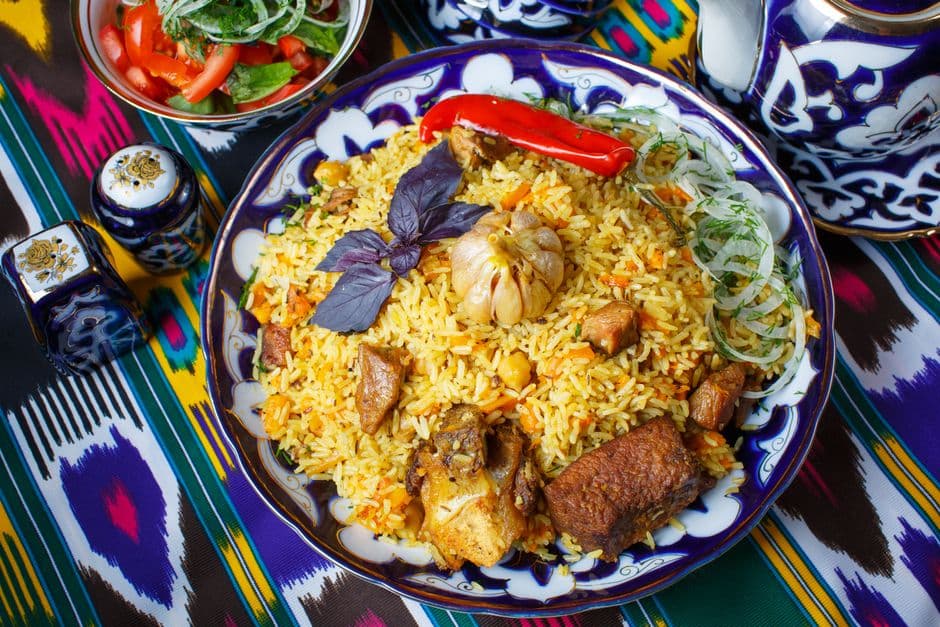
哈萨克斯坦烤羊肉糕点 - 三角形的酥皮糕点,里面塞满了五香羊肉末和洋葱,在粘土烤炉 (tandoor) 中烘烤直至金黄并发出嘶嘶声。

哈萨克斯坦纳乌鲁孜(Nauryz)(波斯新年)的礼仪汤——由小米、肉、小麦、干果和发酵马奶等七种原料制成的独特汤料。

哈萨克斯坦的礼仪菜肴——嫩羊肉配上自制的宽面条,配以浓郁的洋葱汤,用手抓着吃。

柔软、金黄的哈萨克炸面团是中亚庆祝活动的必备面包。

哈萨克仪式肉汤搭配干羊奶球 (qurt)——beshbarmak 必不可少的第一道菜。

哈萨克斯坦珍贵的发酵熏马肉香肠——最传统的哈萨克腌肉。
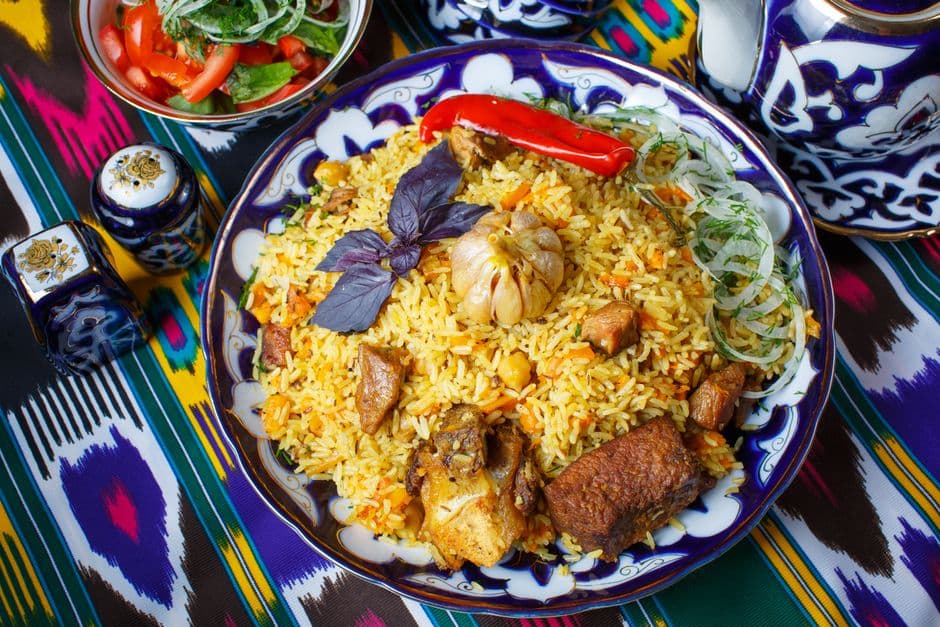
哈萨克斯坦的庆祝抓饭配羊肉、黄胡萝卜和鹰嘴豆——按照费尔干纳山谷的传统慢煮。
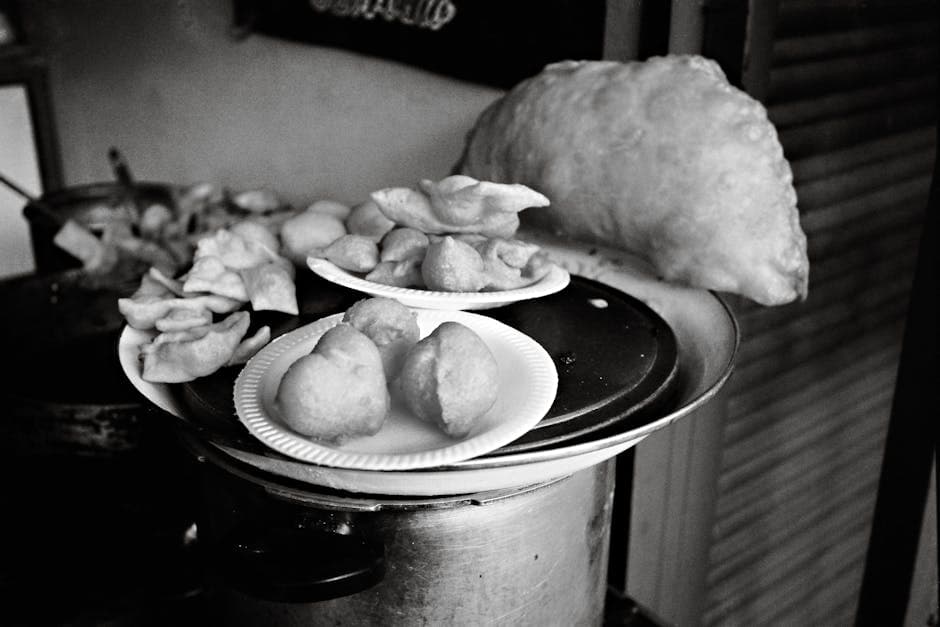
哈萨克斯坦人喜爱的炸面团泡芙是用酵母发酵的枕头状小麦面团,在油中炸至金黄且内部通风。每次哈萨克庆祝活动时都会搭配蜂蜜、果酱或酸奶油。

用慢火慢炖的带骨羊肉制成的哈萨克清汤——草原的基本汤。

哈萨克炸内脏——心、肝、肾配洋葱和香料——传统的游牧庆祝菜肴。
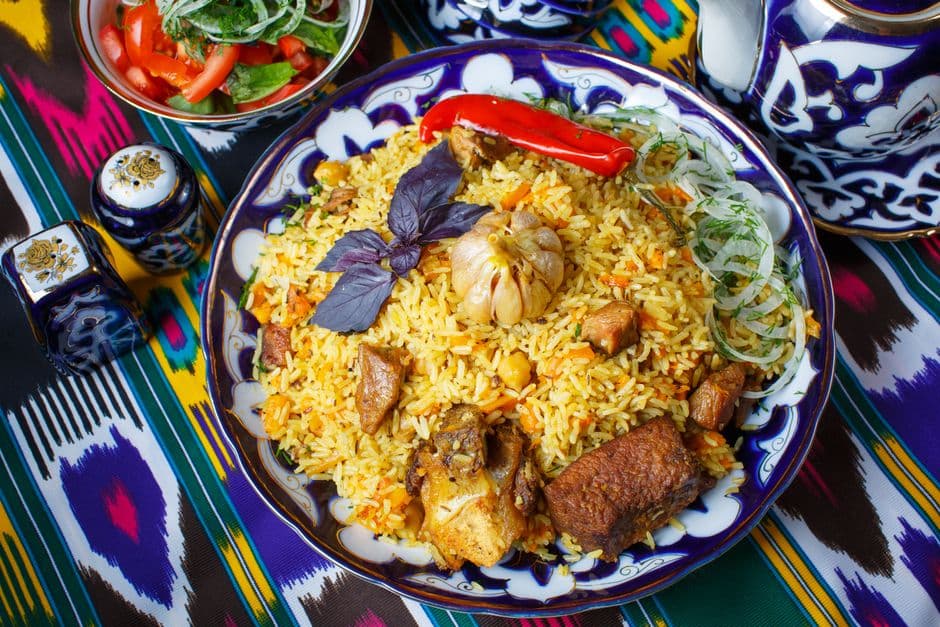
印有装饰图案的泥炉大饼——哈萨克斯坦的日常面包,用粘土烤箱烘烤。
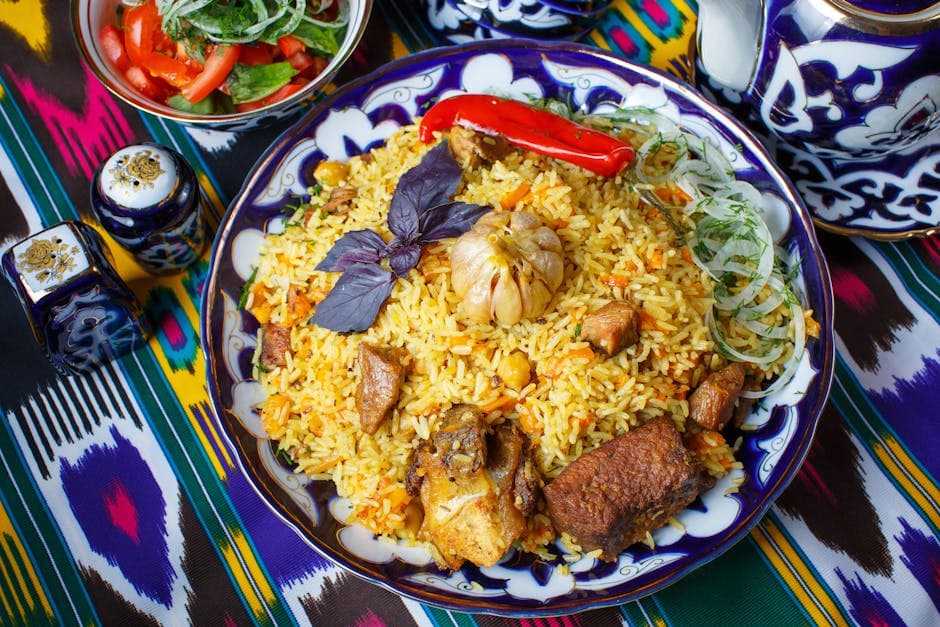
哈萨克斯坦的国菜——手擀面,浸泡在羊肉和马肉汤中,用手抓着吃。
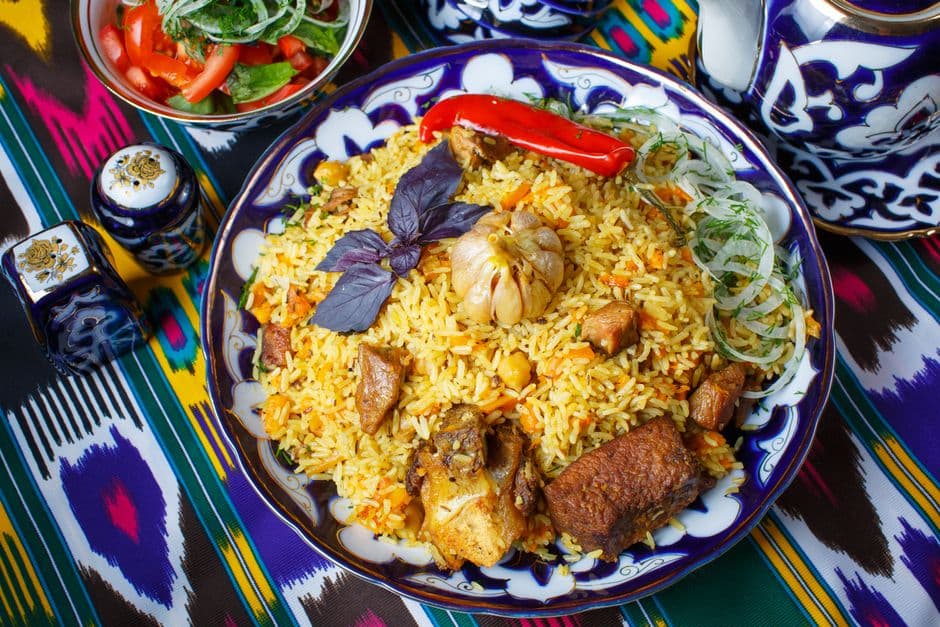
手卷大蒸饺,里面填满切碎的羊肉、洋葱和甜南瓜,融化的尾脂闪闪发光,配上酸奶油和辣椒——这是哈萨克草原的周日庆祝活动。
哈萨克美食是草原游牧民族的食物:肉和奶,保存起来以度过迁徙和冬季。马肉和羊肉占主导地位 - beshbarmak 是一道国菜,名字的意思是“五个手指”,是将煮熟的肉(通常是马肉)放在宽手擀面条上,浇上洋葱汤(sorpa),传统上是在共享拼盘中用手吃。 Kazy,一种经过腌制和熏制的马肋香肠,仍然是任何节日达斯塔尔汗美食中最受尊敬的美食。
乳制品的保存达到了一种艺术形式:kumys(发酵的马奶,微气泡和酸味)、shubat(发酵的骆驼奶)和 kurt,这是牧民几个世纪以来作为便携式蛋白质携带的坚如磐石的干酸奶球。这些发酵是游牧生存技术——一天之内就会变质的牛奶变成了在马背上可以持续数月的饮料和食物。
定居生活和丝绸之路的接触增加了baursak(每次庆祝活动时都会提供的膨化油炸面团)、来自乌兹别克斯坦和维吾尔族邻居的plov和lagman,以及俄罗斯时代的主食,例如喝奶状且常喝的红茶。家庭烹饪仍然以煮肉汤为主:肉要长时间慢炖,sorpa 是单独的菜肴,客人会受到特殊的切割,历史上羊头会被赠送给最受尊敬的长者。
贝什巴尔马克
将煮熟的马肉或羊肉放在手卷面条上,配上富含洋葱的索尔巴肉汤,这是一道国菜,大家一起共享。
马肉和卡齐
马是哈萨克文化的喜庆肉类;烟熏马肋香肠是每张庆祝餐桌上的头条新闻。
发酵乳
来自母马的马奶酒和来自骆驼的舒巴特酒——源自游牧民族传统的酸味、微泡饮料。
库尔特
干球加盐、过滤的酸牛奶;耐储存的草原蛋白可作为零食食用或溶解在肉汤中。
包尔萨克
在婚礼、节日和任何客人到来时,油炸的膨化面团会散布在达斯塔尔汗的各个角落。
索巴和沸腾
长时间熬制的肉汤作为主菜;煮,而不是烤,是哈萨克人的基本技术。
哈萨克美食以 beshbarmak(将肉放在宽面条上配洋葱汤)及其游牧肉类和奶制品传统而闻名:马肉美食,如 kazy 香肠、发酵马奶 (kumys)、骆驼奶 (shubat)、干库尔特奶酪球和油炸 baursak 面团。节日期间的热情好客是饮食文化的核心。
是的——马是哈萨克文化中最负盛名的肉类,而不是艰苦的食物。 Kazy(熏马肋骨香肠)、zhaya(腌制臀部)和马肉 beshbarmak 是婚礼和节日的主菜。这一传统源自游牧业,马是财富、交通工具和食物。肉质瘦弱,微甜;在哈萨克斯坦以外的地区,牛肉或羊肉是食谱中常见的替代品。
Beshbarmak 的意思是“五个手指”,因为传统上它是用手吃的。将肉——马肉、羊肉或牛肉——煮上几个小时,然后配上同样的肉汤煮的又宽又扁的手擀面,上面撒上在高汤中软化的洋葱。索巴肉汤是用碗一起喝的。这是一道公共菜肴,在聚会时用一个大盘子盛放。
不,传统的哈萨克食物是亚洲最温和的食物之一。调味依靠盐、黑胡椒、洋葱以及久煮肉和肉汤的自然风味;辣椒在经典剧目中基本上不扮演任何角色。热量只出现在维吾尔族拉格曼等借来的菜肴中,那里提供辣椒调味品。定义口感的是浓郁和咸味,而不是香料。
牛肉或羊肉的 Beshbarmak 很容易上手:将肉与月桂叶和洋葱一起煮两到三个小时,将简单的鸡蛋面面团擀成宽片(必要时可以用烤宽面条片),在肉汤中煮沸,然后在上面放上肉汤软化的洋葱。 Baursak——发酵油炸面团泡芙——是一个有趣、快速的第二个项目,只需要食品储藏室的主食。
与本页搭配使用的计算器和单位换算工具,无需注册。