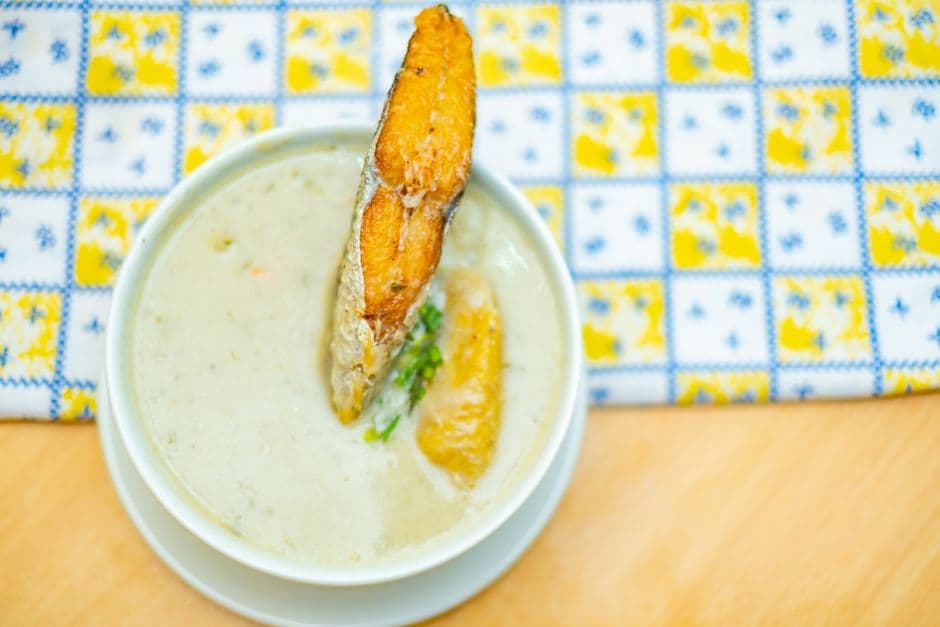
Thieboudienne
Senegal's national dish — whole fish stuffed with parsley and chilli, simmered with tomatoes and vegetables, then served on deeply flavoured red rice.
Thieboudienne、yassa、mafé — 源自塞内加尔丰富烹饪传统的大胆芳香菜肴。
塞内加尔美食以 thieboudienne (ceebu jën) 为代表,这是一种国菜,鱼里塞满了欧芹大蒜罗夫酱,与蔬菜一起在番茄汤中炖,最后用同样的液体煮碎米,直到底部形成一种称为 xoon 的珍贵外壳。碎米本身是塞内加尔与印度支那殖民贸易的遗产,也是塞内加尔自己创造的。这道菜是如此基础,以至于被广泛认为是整个西非乔洛夫米饭的祖先。
其标志性风味是由 nokos(捣碎的大蒜、洋葱和胡椒调味料)、辛辣的 nététou(发酵槐豆)和 guedj(为炖菜增添浓郁鲜味的干发酵鱼)组成的三角形。 Yassa(用柠檬、芥末和大量慢煮洋葱腌制的鸡肉或鱼,卡萨芒斯的特色菜)和 mafé(源自曼丁加的花生酱炖羊肉或牛肉)是每位塞内加尔厨师的另外两大支柱。
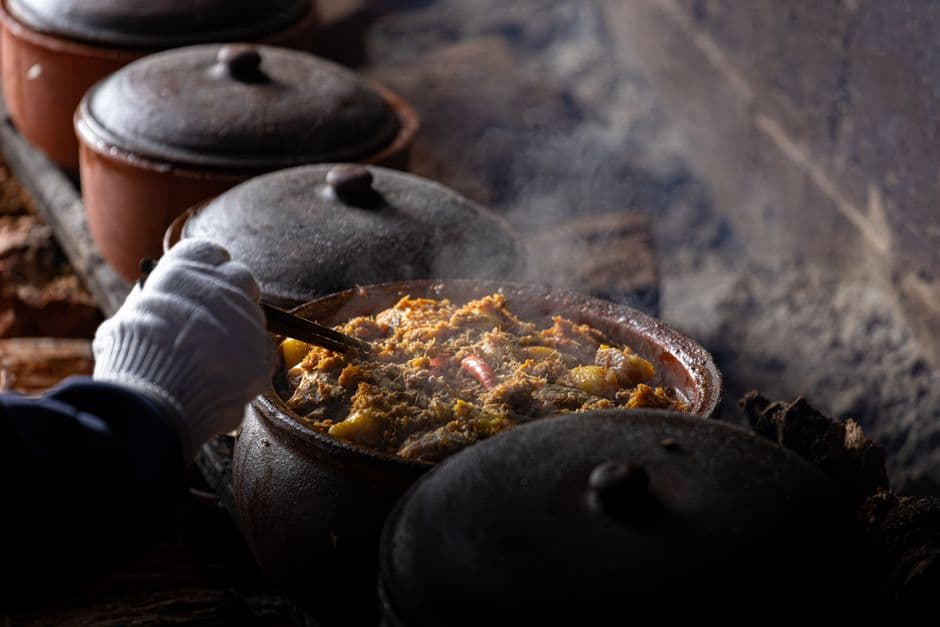
早餐时吃的法式长棍面包和芥末的出人意料地突出表现了法国殖民历史,而伊斯兰传统则使 attaya(一种将甜火药绿茶高高倒入以产生泡沫的三轮仪式)成为饭后的社交粘合剂。家庭厨师在一个大锅中烹制菜肴,大胆调味,然后在共享拼盘上享用; teranga(沃洛夫语中热情好客的意思)被视为菜肴的首要原料。
蒂布迪安 (ceebu jën)
香草酱鱼,用番茄汤炖蔬菜,用汤汁煮碎米——这道国菜。
亚萨
用柠檬、洋葱和芥末腌制的鸡肉或鱼,然后用来自卡萨芒斯地区的慢煮焦糖洋葱酱闷闷不乐。
马菲
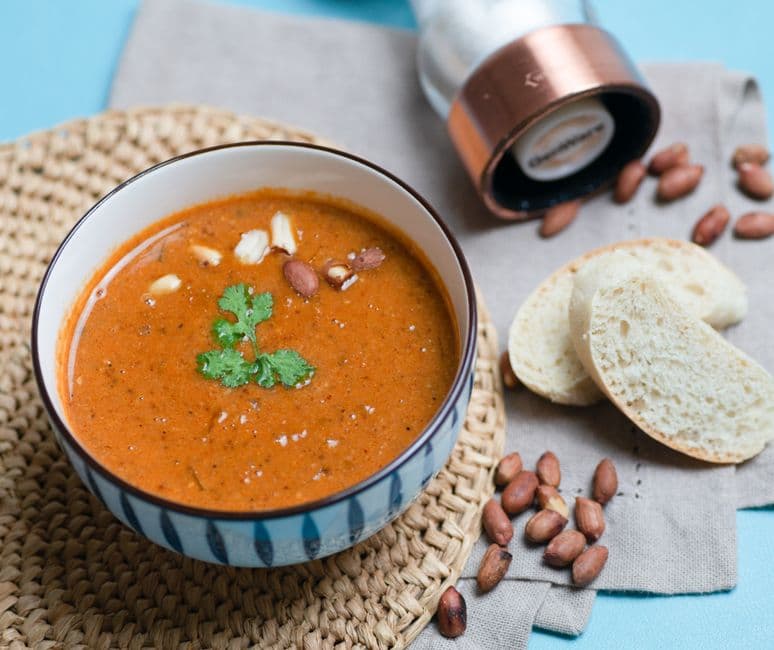
源于曼丁卡的花生酱和番茄炖菜,与羊肉、牛肉或蔬菜一起慢火煮,配米饭。
发酵鲜味
Nététou(刺槐豆)和 guedj(干发酵鱼)赋予塞内加尔炖菜独特的美味深度。
碎米
碎米粒比全谷物更能吸收酱汁,并形成 xoon,这是食客们争相争夺的脆底皮。
阿达雅茶道
火药绿茶分三轮冲泡,逐渐变得越来越甜,从高处倒下,结束膳食并固定社交生活。
解放双手来烹饪
在免费的 Bento 应用中获取 AI 膳食计划、逐步烹饪模式和你保存的食谱。
规划饮食、追踪断食、制作购物清单 — 免费
MyCookingCalendar 仪表盘可直接在浏览器中使用,无需下载。

Senegal's national dish — whole fish stuffed with parsley and chilli, simmered with tomatoes and vegetables, then served on deeply flavoured red rice.

Senegalese grilled chicken marinated in lemon and mustard, then braised with mountains of slowly caramelised onions — a deeply satisfying West African classic.

The meat version of Senegal's national dish: fragrant one-pot rice cooked in a rich tomato and onion broth with slow-braised lamb and vegetables.

Rich, deeply savoury West African peanut stew with beef or lamb, sweet potato and aubergine — one of the great stews of the world.

Senegal's national dish — a hearty one-pot meal of rice cooked in rich tomato-fish broth with vegetables, deeply flavored with fermented fish and herbs.

A rich and comforting West African peanut stew with tender lamb or beef, root vegetables, and a deeply savory sauce that's beloved across Senegal and the Sahel.

Senegal's Mandinka peanut and tomato stew — a rich, slightly sweet groundnut stew thickened with tomato paste and peanut butter, made with beef or vegetables.

A Senegalese one-pot rice dish — the Wolof ancestor of the West African jollof rice, cooked in spiced tomato broth with chicken, vegetables, and whole scotch bonnet peppers.

A Senegalese sweet millet couscous dessert — steamed millet pearls mixed with sweetened yogurt, vanilla, and orange zest, a creamy, fragrant treat from West Africa.

Rich, deeply savory Senegalese peanut butter stew with beef and vegetables — West Africa's most comforting dish.

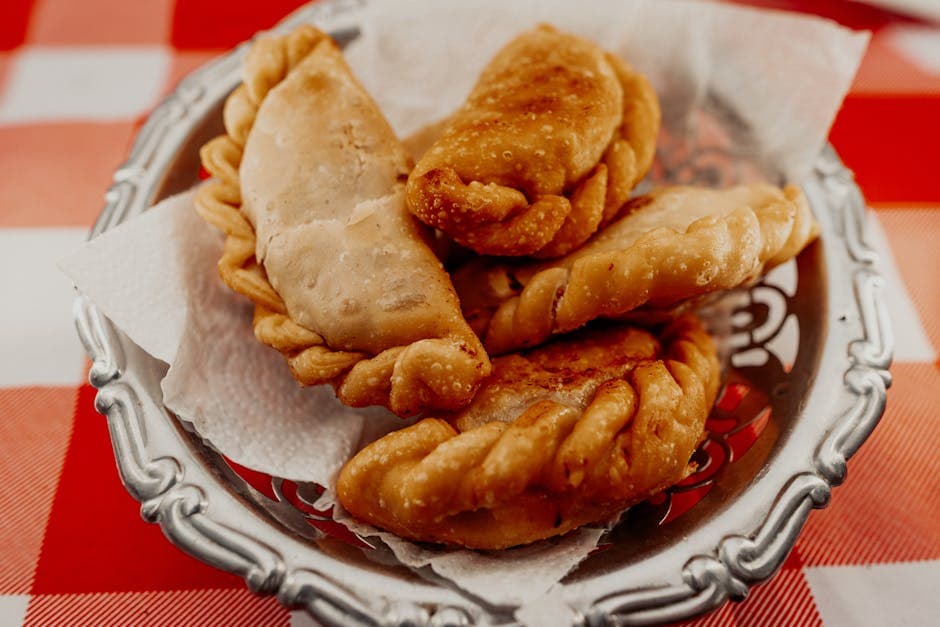
Crispy Senegalese half-moon pastry filled with spiced ground beef and onions — the ultimate Dakar street snack.

Sweet Senegalese millet couscous dessert with sweetened yogurt, raisins, and orange blossom — cooling and fragrant.

Light Senegalese fish rice dish in a lemony, fragrant broth — a refreshing alternative to the richer thieboudienne.

Senegal's festive peanut and baobab fruit pudding — sweet, tangy, and uniquely West African.

Senegal's most internationally celebrated dish — chicken marinated and grilled in mustard and lemon, then simmered in a vast quantity of caramelised onions. The everyday feast of Dakar.

West Africa's great peanut stew — lamb or beef slow-braised in a rich, earthy groundnut sauce with tomatoes and vegetables. Deeply satisfying, warmly spiced and velvety smooth.

Senegalese groundnut stew with beef, tomatoes and sweet potato — a rich and deeply satisfying peanut curry.

Senegalese fish and lemon rice stew — a light, fragrant everyday dish from the coastal Serer people.

Senegalese lamb and rice — the meat companion to thiéboudienne, slow-cooked in rich tomato sauce with vegetables.

Senegal's national dish — broken rice cooked in tomato-onion-fish broth with whole fish, eggplant, cassava, carrot, and habanero.

Senegal's national dish — fish stuffed with rof herb paste, simmered with vegetables, then rice cooked in the deeply red broth.

Senegal's national dish — broken jasmine rice cooked in a deeply spiced tomato and fish broth, served with whole stuffed fish, root vegetables and a tamarind sauce.

Chicken marinated in a flood of lemon juice, Dijon mustard and slow-cooked onions, then braised until the onions become a silky, tangy gravy poured over white rice — the proudest dish of Senegal's Casamance.

Lemon-onion chicken from Senegal with mustard, garlic and bright, punchy flavor.
塞内加尔美食以 thieboudienne(番茄炖鱼和碎米菜肴)而闻名,这道菜被认为是 jollof 米饭的祖先,此外还有 yassa(柠檬洋葱芥末鸡)和 mafé(花生炖菜)。它的定义是一锅烹饪、发酵的鲜味成分(如 nététou 和干鱼)、法式风味(如长棍面包和芥末)以及被称为 teranga 的热情好客文化。
由于其大西洋海岸线,塞内加尔的烹饪比该地区大多数地区更以鱼类为中心,并且使用碎米而不是全麦米作为主食。受法国影响的柠檬和芥末给亚萨等菜肴带来了加纳或尼日利亚食物中罕见的酸味,整体辣椒的热量更加克制,深度来自发酵的刺槐豆和干鱼。
它比火更美味。苏格兰帽子辣椒放入大多数锅中,但通常是整个或适量,因此菜肴带有温暖而不是烧焦。主要味道是咸味和浓郁:发酵鱼和刺槐豆带来鲜味,柠檬和罗望子带来酸味,大量慢煮洋葱带来甜味。通常会为那些想要的人提供额外的辣椒。
Poulet yassa 是一道经典的入门菜:将鸡肉放入柠檬汁、切片洋葱、芥末和大蒜中腌制,将其煎成褐色,然后将所有东西炖至洋葱塌陷成浓烈的米饭酱汁。 Mafé 紧随其后——番茄和花生酱炖菜,很难破坏。保存蒂布迪安以备后用;这是一个多阶段项目。
Thieboudienne(沃洛夫语中的“ceebu jën”意为“鱼饭”)是塞内加尔的国菜:整条鱼塞满罗夫香草酱,与木薯、胡萝卜、卷心菜和茄子一起在番茄汤中炖,然后用汤煮碎米。联合国教科文组织于 2021 年将其列入非物质文化遗产名录,食品历史学家在整个西非都可以追溯到它的踪迹。