
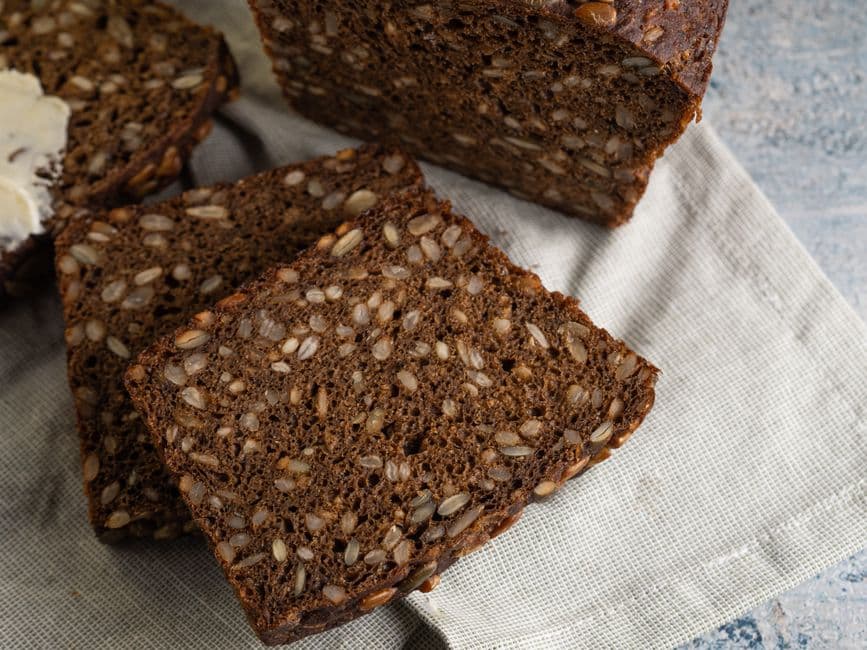
Nuovostarter
Smørrebrød
L'iconico panino aperto danese su pane di segale scuro rugbrød — pila di condimenti di aringhe sottaceto, uovo e gamberetto in composizioni eleganti e artistiche.
20 min320 kcalFacile
★4.6(743)
Smørrebrød, æbleskiver, flæskesteg: cucina nordica elegante e sostanziosa.
Altre ricette costruite attorno agli stessi ingredienti principali.
Tieni traccia di ciò che mangi
Fotografa il tuo pasto per registrare calorie e macro, usa i timer del digiuno e monitora l’acqua con l’app gratuita SnapCal.
Pianifica i pasti, monitora il digiuno e crea la lista della spesa — gratis
La dashboard di MyCookingCalendar funziona direttamente nel browser, nessun download necessario.
L'iconico panino aperto danese su pane di segale scuro rugbrød — pila di condimenti di aringhe sottaceto, uovo e gamberetto in composizioni eleganti e artistiche.

Le amate sfere di frittelle sferiche danesi — palle di impasto leggere e soffici cotte in una speciale padella di ferro e servite cosparso di zucchero a velo e marmellata di lamponi.

Tenere polpette di maiale e vitello con cipolla, uovo e farina, fritte in padella — il piatto casalingo più amato della Danimarca, servito con patate e cavolo rosso in agrodolce.
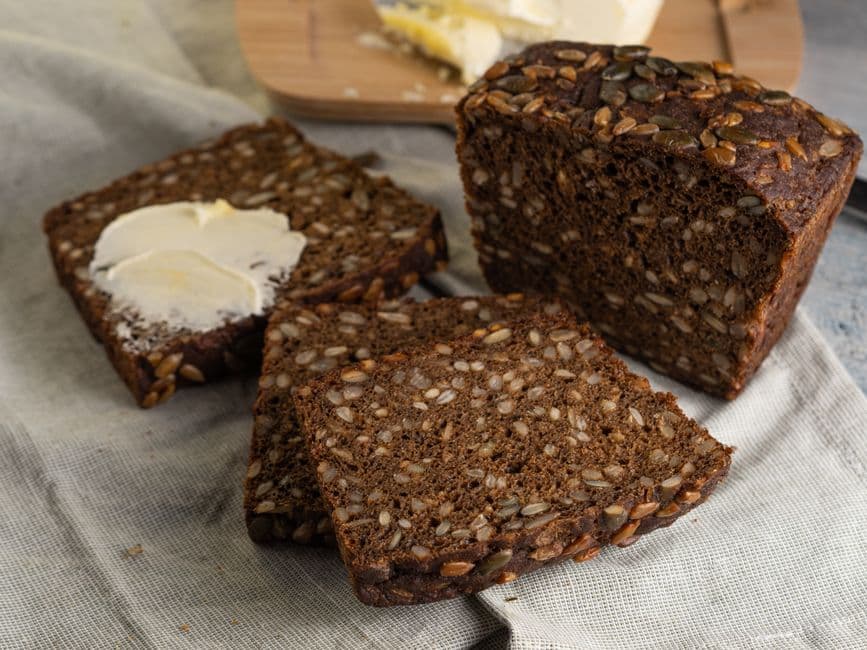
L'arte danese in forma commestibile: pane di segale scuro con aringhe, salmone affumicato, roast beef o uova, decorato con guarnizioni tradizionali — la cultura scandinava del tramezzino aperto.

Un classico natalizio danese — lonza di maiale cotta lentamente con la cotenna più croccante che si possa immaginare, servita con cavolo rosso e patate caramellate.

Il denso, acidulo e ricco di semi pane di segale a lievitazione naturale della Danimarca — il fondamento degli smørrebrød e uno dei pani più nutrienti al mondo.

La pasta danese originale — l'impasto burroso e sfogliato creato dai panettieri austriaci a Copenaghen negli anni '40 dell'Ottocento, che ha dato al mondo il 'danish pastry', in molte forme e ripieni.

Soffici pancake sferici danesi cotti in una padella speciale — una tradizione natalizia servita con marmellata e zucchero a velo.
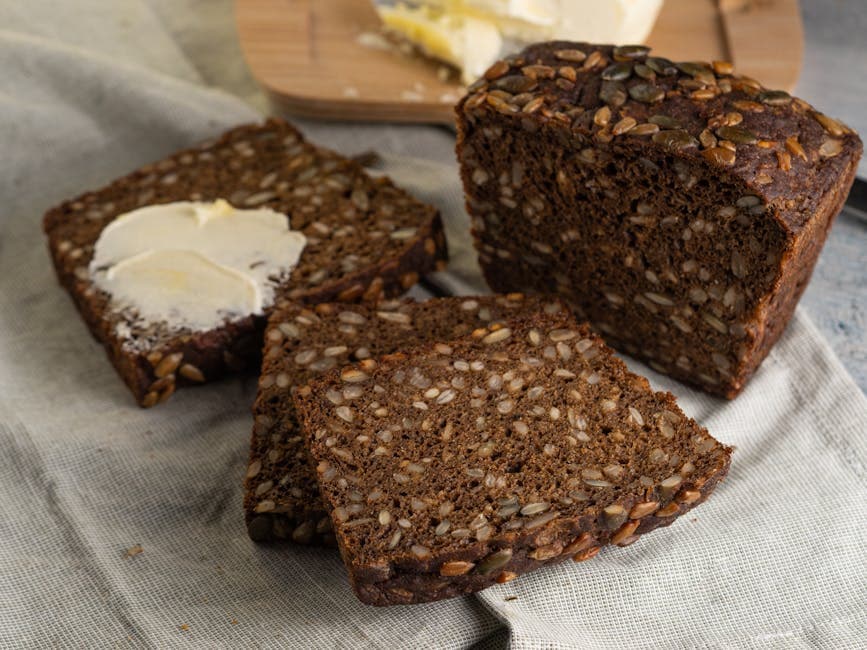
Denso, scuro e maltato pane di segale a lievitazione naturale danese — la base di tutti i tramezzini aperti danesi.
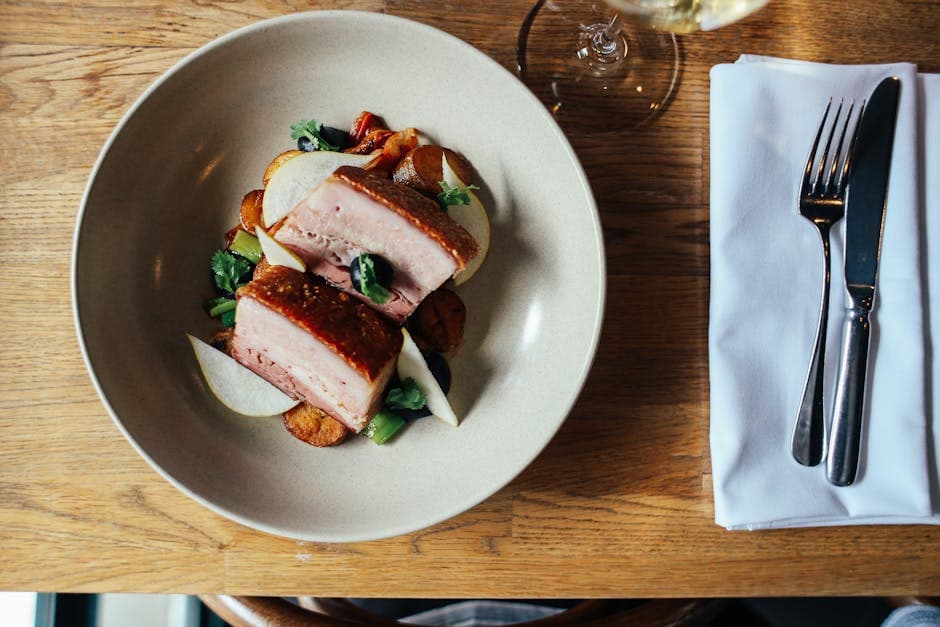
Il piatto natalizio simbolo della Danimarca — maiale arrosto lentamente con una cotenna croccante e bollosa leggendaria.
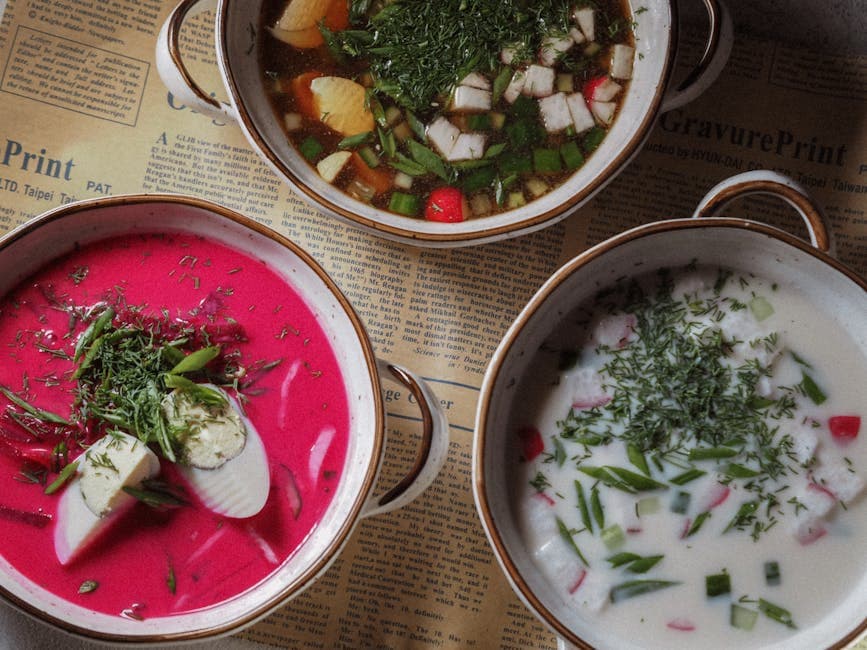
Rinfrescante zuppa-dessert estiva danese di latticello freddo, uova e vaniglia — servita con i biscotti kammerjunker.
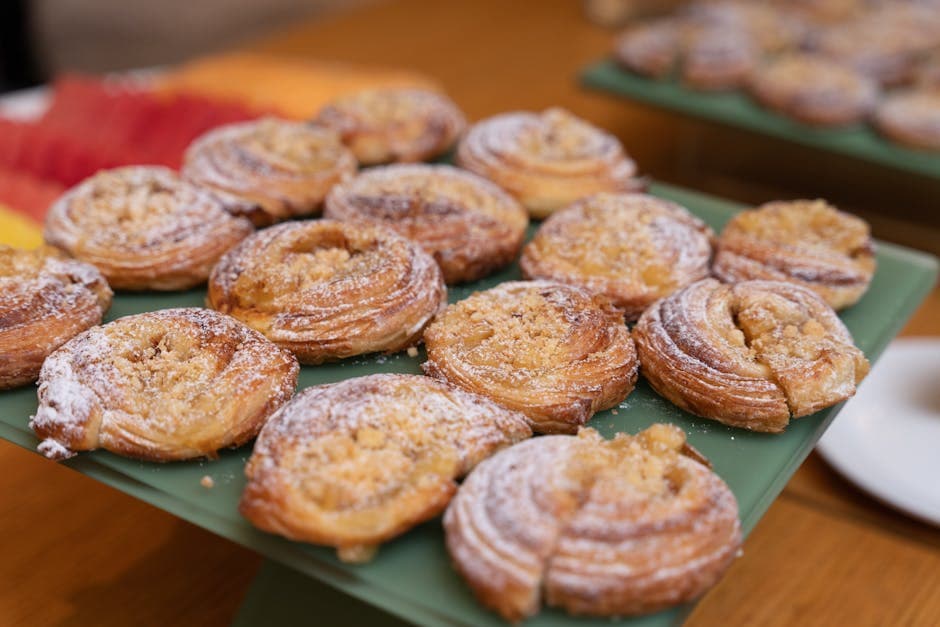
Soffici girelle danesi alla cannella con burro, zucchero di canna e cardamomo nell'impasto — migliori di qualsiasi altra.
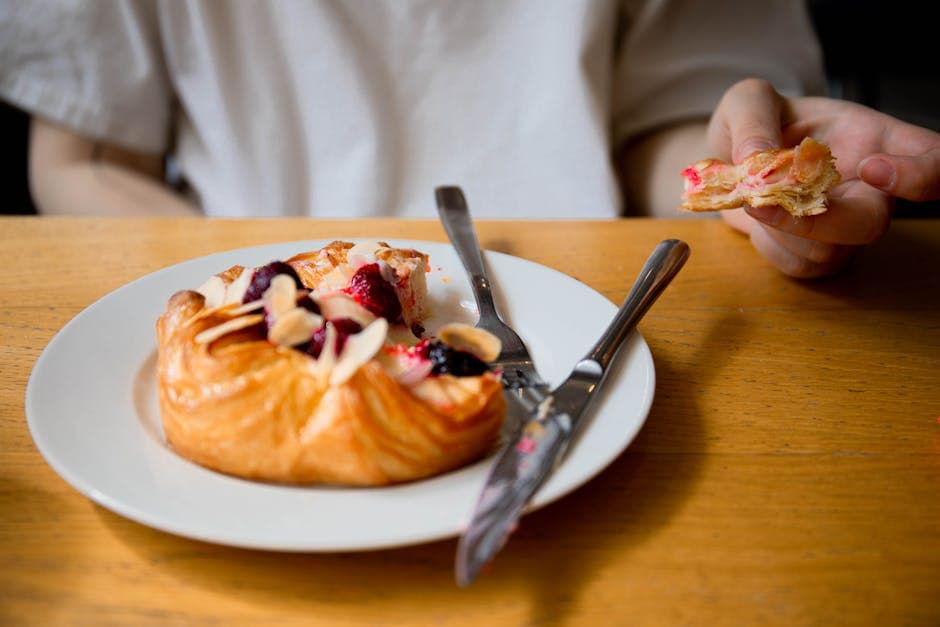
Budino di riso natalizio danese con mandorle e salsa di ciliegie calda — ogni tavola nasconde una mandorla intera e un premio segreto.

Patate caramellate danesi — piccole patate a pasta soda rivestite di burro e caramello dorato — un amato contorno natalizio.
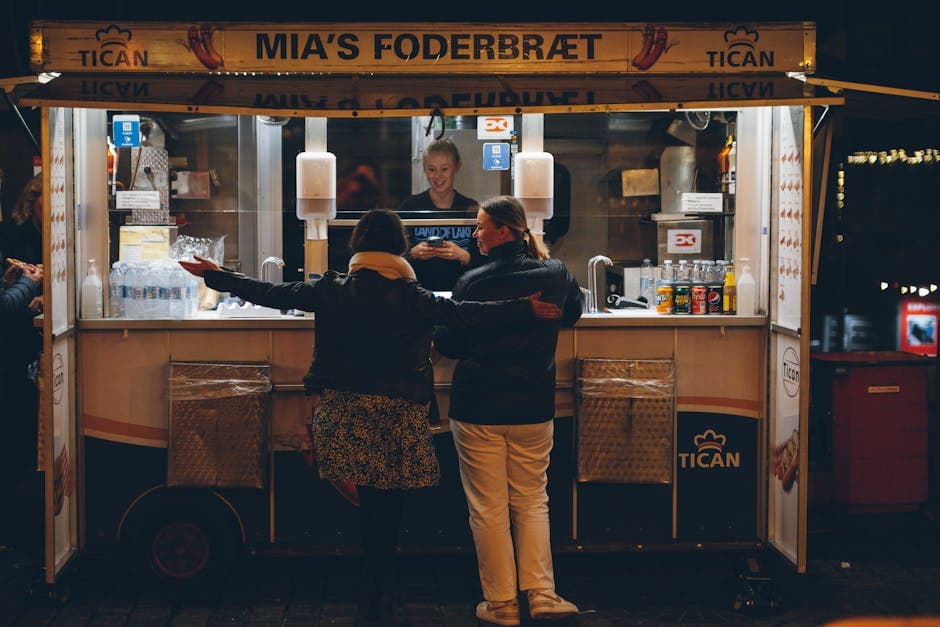
Polpette di maiale danesi fritte in padella — a forma piatta, tenere e succose, servite con patate e sugo bruno.

Pesce dell'Atlantico stagionato tradizionale

Ricco stufato di frutti di mare con pesce dell'Atlantico e patate

Agnello a cottura lenta con ortaggi a radice

Stufato tradizionale con uccelli marini e ortaggi a radice

Pane denso con orzo e cereali integrali

Polpette danesi di maiale e vitello saltate in padella servite con cavolo rosso, salsa al prezzemolo e patate bollite.

Segale scura al burro condita con dolci gamberetti rosa ricoperti di maionese all'aneto, un ricciolo di limone, aneto fresco e un'unica perla di caviale nero: il più elegante dei panini aperti della Danimarca.
La ciotola di riso alle erbe e limone del mercato danese porta il sapore danese in una pratica ciotola di riso costruita con cosce di pollo, segale, burro, aneto e verdure in salamoia e un finale di aneto fresco.
La zuppa di pomodoro affumicata del villaggio danese apporta il sapore danese a una pratica zuppa a base di funghi, segale, burro, aneto e verdure in salamoia, con un finale di aneto fresco.
La padella danese al sesamo e lime aggiunge il sapore danese a una pratica cena in padella a base di cavolfiore, segale, burro, aneto e verdure in salamoia e un finale di aneto fresco.
Le tagliatelle al peperone carbonizzato del porto danese portano il sapore danese a un pratico piatto di pasta costruito con spaghetti di riso, segale, burro, aneto e verdure in salamoia e un finale di aneto fresco.
L'insalata danese alle erbe verdi di montagna porta il sapore danese a una pratica insalata composta da pollo grigliato, segale, burro, aneto e verdure in salamoia e un finale di aneto fresco.
La focaccia alle erbe e limone del Festival danese porta il sapore danese a una pratica focaccia realizzata con pasta per focaccia, segale, burro, aneto e verdure in salamoia e un finale di aneto fresco.
Il vassoio da forno al pomodoro affumicato danese Homestyle porta il sapore danese a un pratico vassoio preparato con patate dolci, segale, burro, aneto e verdure in salamoia e un finale di aneto fresco.
Le frittelle danesi al sesamo e lime donano il sapore danese a pratiche frittelle realizzate con pesce salato, segale, burro, aneto e verdure in salamoia e un finale di aneto fresco.
Il piatto da colazione danese al peperone carbonizzato dorato dona il sapore danese a un pratico piatto da colazione realizzato con fagioli, segale, burro, aneto e verdure in salamoia e un finale di aneto fresco.
Il Dessert alle erbe verdi di Weeknight danese conferisce il sapore danese a un dessert pratico a base di cocco, segale, burro, aneto e verdure in salamoia e un finale di aneto fresco.
Una spessa polpetta di manzo macinata saltata in padella ricoperta di cipolle morbide a cottura lenta e un semplice sugo in padella.
Pane di segale condito con sottili fette di maiale o vitello arrotolato speziato alle erbe, un classico sandwich danese a faccia aperta.
Bignè rotondi e soffici cotti in un'apposita padella con fossette, spolverati di zucchero a velo e serviti con marmellata.
Spesse fette di pancetta di maiale fritte fino a renderle croccanti, servite con patate bollite e una salsa cremosa al prezzemolo bianco.
Budino di riso freddo ripiegato con panna montata e mandorle tritate, servito con una salsa calda di ciliegie, un amato dolce natalizio.
Cavolo riccio tritato finemente cotto a fuoco lento in una salsa cremosa simile alla besciamella, un tradizionale contorno natalizio danese servito con arrosto di maiale o anatra.
Un arrosto di maiale con la pelle profondamente incisa, arrostito fino a quando non si frantuma, il fulcro della cena di Natale danese.
Una composta leggermente addensata e setosa di frutti rossi misti, servita fredda con una generosa colata di panna fredda.
Un'insalata cremosa con maionese speziata al curry, ricoperta di uova tritate, sottaceti e mele, un popolare condimento per lo smørrebrød.
Piccole polpette di maiale cotte a fuoco lento in una salsa delicata e cremosa al curry con carote e mele, servite su riso.
Piccole patate bollite condite in un rivestimento lucido e burroso di caramello, un tradizionale contorno natalizio danese.
Latticini danesi spessi e piccanti conditi con un dolce e croccante pangrattato di segale tostato, un'amata colazione quotidiana.
Una pasta laminata friabile e burrosa avvolta a spirale attorno a un ripieno di mandorle dolci, l'origine di ciò che il mondo chiama "danese".
Uno spesso e soffice pancake all'uovo in padella tempestato di erba cipollina, condito con pancetta croccante e servito con pane di segale scuro.
Una salsiccia di maiale fresca macinata grossolanamente e profumata di pimento, saltata in padella e servita con cavolo brasato e patate bollite.
Un ricco paté di fegato di maiale cotto al forno tempestato di pancetta, un amato condimento per smørrebrød servito caldo con funghi fritti.
Segale al burro condita con salmone affumicato, aneto e una cremosa crema al rafano: un classico sandwich danese con la faccia aperta, smørrebrød.
Patate a strati cotte in crema con semi di cumino: un contorno danese semplice e confortante basato sui classici classici della dispensa nordica.
Tenere polpette di maiale e vitello saltate in padella, leggermente appiattite e dorate: l'amata frikadeller quotidiana della Danimarca, servita con patate e salsa.
Una zuppa densa e sostanziosa di piselli spezzati bolliti con pancetta e ortaggi a radice: una tradizionale zuppa invernale danese, gule ærter.
Una morbida frittata con erba cipollina fresca, prezzemolo e aneto, rifinita con una spruzzata di lime: una colazione danese leggera e ricca di erbe.
Farina d'avena cremosa bollita nel latte, rifinita con un brillante limone carbonizzato e un filo di miele: una colazione danese semplice e confortante, havregrød.
Delicati filetti di platessa al forno con pomodoro fresco e aneto: una semplice cena costiera danese a base di pesce, basata sul pescato più comune del Mare del Nord.
Pasta sfoglia burrosa e laminata attorcigliata in rotoli a forma di pretzel e ricoperta di semi di sesamo tostati: una delizia danese da forno basata sulla classica pasta laminata.
Cetrioli a fette sottili marinati in una salsa di aceto agrodolce con aneto: una classica insalata danese, l'agurkesalat.
Un pollo intero arrostito con spicchi di mela e timo fresco nella cavità: una semplice cena domenicale danese a base di frutta ed erbe aromatiche classiche.
Cavolfiore e pomodoro arrosto cotti al forno insieme a erbe fresche e una leggera copertura di formaggio: un semplice contorno di verdure danese.
Tradizionale æbleskiver danese, soffici bignè rotondi cotti in una padella speciale, serviti con una composta di bacche di basilico fresco.
Una ricca ciotola di cereali ricavata dalla dispensa smørrebrød della Danimarca: chicchi di segale, aringhe in salamoia, uova e aneto fresco, ravvivati con lime.
Un piatto di gamberi e riso in stile costiero danese a base di burro integrale, aneto e limone, i sapori di un classico reje smørrebrød.
Gule ærter, la classica zuppa danese di piselli gialli spezzati con carne di maiale affumicata, servita come confortante ciotola domenicale.
Peperoni ripieni di un gustoso ripieno di carne di maiale e pangrattato di segale, rifinito con aneto fresco e una spruzzata di limone.
Una cremosa casseruola di patate danese ricoperta di curry delicato, cipolla e formaggio, cotta fino a quando diventa dorata e gorgogliante.
Una succosa frikadelle di maiale e vitello servita in stile hamburger su pane di segale con una brillante maionese al basilico.
Un cremoso budino di riso natalizio danese ricoperto di panna montata e mandorle, guarnito con un caldo caramello speziato al curry.
Un piatto festivo danese di maiale arrosto scoppiettante e cavolo rosso in agrodolce, servito con una salsa fresca allo yogurt e menta.
La cucina danese si basa sul pane di segale, sul maiale, sui latticini e sul mare. Il suo emblema è lo smørrebrød: denso lievito di segale (rugbrød) imburrato e incorporato in panini aperti con condimenti codificati: aringhe in salamoia con cipolla e capperi, filetto di pesce fritto con remoulade, arrosto di maiale con cavolo rosso o lo "stjerneskud" con gamberetti. I classici piatti caldi seguono la stessa sostanziosa logica: frikadeller (polpette di maiale in padella), stegt flæsk med persillesovs (pancetta di maiale croccante con salsa al prezzemolo, piatto ufficiale nazionale) e flæskesteg arrosto di maiale con ciccioli.
Le tradizioni lattiero-casearie e della panificazione della Danimarca sono profonde. Burro e panna completano allo stesso modo salse e pasticcini; la pasticceria "danese" è chiamata localmente wienerbrød - pane viennese - perché i fornai austriaci portarono le tecniche di laminazione durante uno sciopero dei fornai del 1850, dopo di che i danesi le perfezionarono con più burro e ripieno di remonce. A Natale arrivano il flæskesteg, l'anatra con mele e prugne, patate caramellate e la risalamande, il budino di riso alle mandorle con salsa di ciliegie e un gioco di mandorle intere nascoste.
Dall’inizio degli anni 2000, la Danimarca è stata anche il motore della Nuova cucina nordica. Il manifesto del 2004, scritto in collaborazione da Claus Meyer e René Redzepi del Noma, ha ricentrato la cucina sul terroir nordico – olivello spinoso, aglio orsino, erbe aromatiche, fermentazione e cereali antichi – e ha rimodellato ristoranti in tutto il mondo. A casa, il ritmo quotidiano rimane umile: pranzi di pane di segale confezionati per la scuola e il lavoro, cene comuni guidate dall’hygge e una forte cultura del caffè e della pasticceria.
Smørrebrød
Pane di segale imburrato con condimenti codificati – aringhe, passera fritta con remoulade, maiale arrosto – mangiato con coltello e forchetta, mai con le mani.
Rugbrød (pane di segale)
La segale densa e a lievitazione naturale è l'alimento base quotidiano, confezionata nei contenitori per il pranzo a livello nazionale e costituisce la base strutturale dello smørrebrød.
Maiale & Frikadeller
La tradizione dell'allevamento di suini danese si manifesta nelle polpette frikadeller, nel flæskesteg con ciccioli e nel piatto nazionale, pancetta di maiale croccante con salsa al prezzemolo.
Aringhe in salamoia
Il sild stagionato in aceto, crema al curry o marinate allo sherry apre ogni tavola da pranzo danese, soprattutto a Natale e Pasqua.
Wienerbrød e cottura al burro
I dolci "danesi" laminati con remonce, oltre al kanelsnegle e alla torta da sogno (drømmekage), definiscono la leggendaria cultura della panificazione.
Nuovo pensiero nordico
Il manifesto dell’era Noma ha spinto la raccolta, la fermentazione e il terroir nordico nella cucina raffinata globale e di nuovo nelle abitudini domestiche danesi.
Panini di segale aperti Smørrebrød, pasticcini danesi (wienerbrød), polpette frikadeller, arrosto di maiale croccante con ciccioli, aringhe in salamoia e hot dog dai carretti stradali di pølsevogn. La Danimarca è anche la culla della Nuova cucina nordica – il movimento di ricerca e fermentazione lanciato attorno al Noma di Copenaghen – e della cultura del pasto accogliente riassunta da hygge.
Si sovrappongono pesantemente - aringhe, segale, maiale, frutti di bosco - ma la Danimarca ha fatto del panino aperto (smørrebrød) il suo pezzo forte, mentre la Svezia ha formalizzato il buffet smörgåsbord e il piatto di polpette e mirtilli rossi. La cucina danese si basa maggiormente sul burro, sui ciccioli di maiale e sulla pasta laminata; La Svezia propone mirtilli rossi, pesce all'aneto e zuppa di piselli del giovedì. Il rugbrød danese è più scuro e denso della maggior parte del pane svedese.
In Danimarca si chiama wienerbrød — "pane viennese" — perché i fornai austriaci introdussero a Copenaghen la pasta lievitata laminata durante uno sciopero dei fornai danesi negli anni '50 dell'Ottocento. I panettieri danesi hanno poi arricchito la tecnica con più burro e remonce (un ripieno cremoso di burro e zucchero), creando spandauer, kanelsnegle e i pasticcini che il resto del mondo ora chiama semplicemente "danesi".
Frikadeller: mescolare la carne di maiale macinata (o di maiale e vitello) con cipolla grattugiata, uovo, farina o avena e latte, quindi friggere a cucchiaiate nel burro fino a doratura. Servire con patate bollite, salsa marrone o cavolo bianco in umido e cavolo rosso sott'aceto. Smørrebrød è l'altro piatto facile: buon pane di segale, burro e un accurato assemblaggio delle guarnizioni sono l'intero mestiere.
Anatra arrosto con mele e prugne e/o flæskesteg (arrosto di maiale con ciccioli), patate bollite più brunede kartofler (patate caramellate nel burro e zucchero), cavolo rosso e salsa marrone densa. Il dessert è la risalamande - budino di riso freddo ripiegato con panna montata e mandorle tritate, servito con salsa calda di ciliegie - dove trovare la singola mandorla intera vince un maialino di marzapane.
Calcolatori e convertitori pensati per questa pagina — senza registrazione.
Calcolatore di dosi
Dimezza o raddoppia ogni quantità di questa ricetta senza fare calcoli a mente.
Convertitore di misure
Converti tazze, grammi, once e millilitri in entrambe le direzioni.
Convertitore per friggitrice ad aria
Converti tempo e temperatura del forno nelle impostazioni della friggitrice ad aria.